
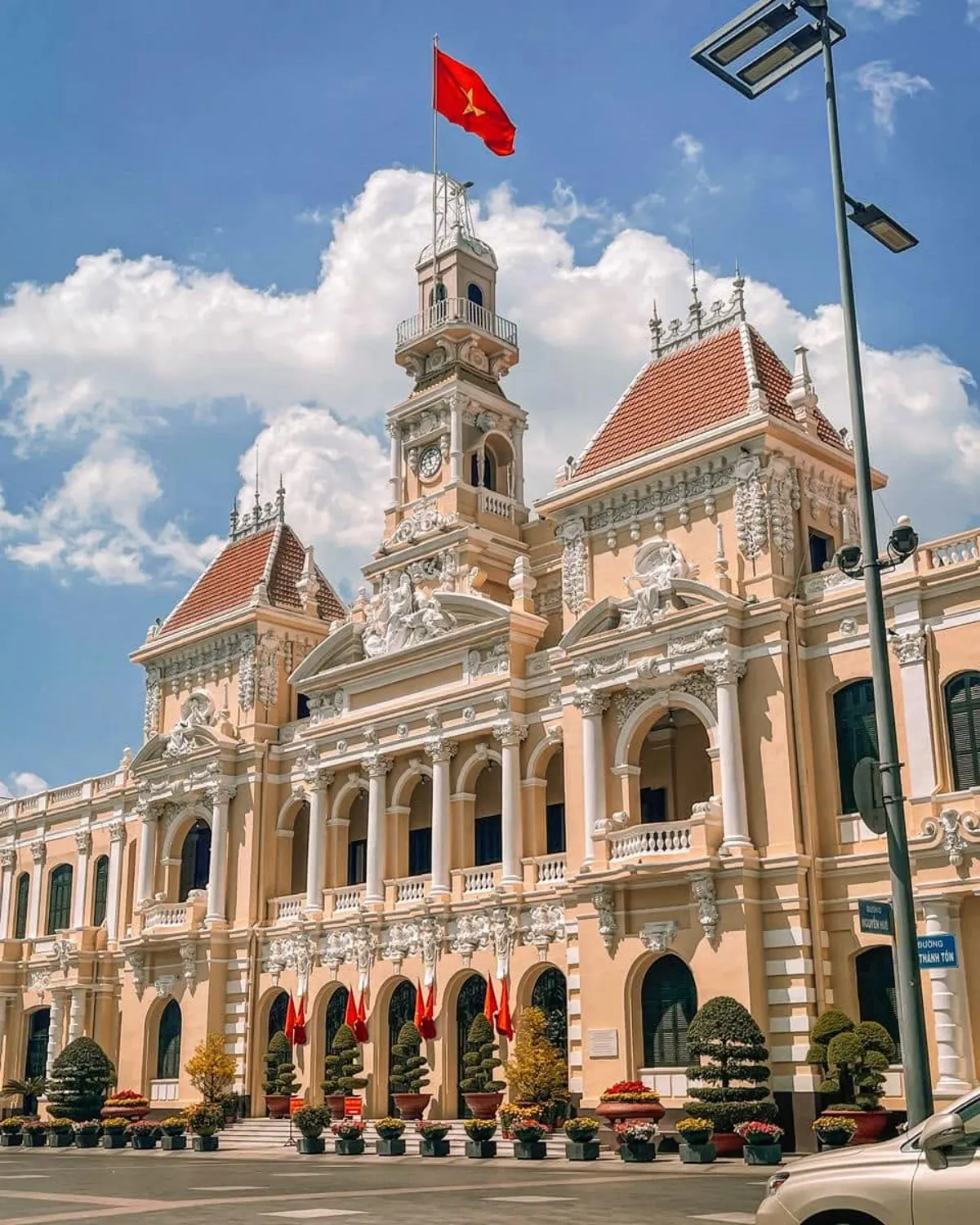
Exploring Ho Chi Minh City by bicycle offers a distinct way to experience this dynamic Vietnamese metropolis. Unlike faster modes of transport, cycling provides an intimate perspective, allowing visitors to observe daily life and access smaller lanes often missed. This method of travel facilitates a closer connection with the city's environment and its people.
Why Explore Ho Chi Minh City on Two Wheels?
Cycling presents a unique opportunity for a deeper engagement with Ho Chi Minh City, often referred to as Saigon. It enables travelers to navigate through narrow alleys and discover local businesses, such as small shops and themed cafes, that are typically only accessible on foot or by bike. This mode of transport offers flexibility, allowing easy movement between different points of interest.
Furthermore, riding a bicycle in Ho Chi Minh City does not require a driving license, unlike motorbikes. This simplifies the process for many visitors; one simply needs to rent a bike from a local shop. Cyclists also avoid fuel costs, paying only a rental fee. Beyond the practical advantages, cycling contributes to physical well-being while simultaneously offering the chance to appreciate the surroundings.
Navigating Ho Chi Minh City by Bike: Safety and Practical Advice
While cycling in Ho Chi Minh City can be rewarding, it requires careful attention, particularly within the central areas which experience significant traffic. Peak hours, generally from 7:00 to 9:00 in the morning and 17:00 to 19:00 in the evening, are especially busy as residents commute to and from work. During these times, it is advisable to proceed slowly and cautiously.
The city's attractions are spread out, which means cyclists might find themselves navigating unfamiliar routes and could potentially get lost. Air quality, particularly during heavy traffic periods, is another factor to consider. Despite these challenges, cycling remains an exciting way to experience the city, provided appropriate routes are chosen and timing is considered. It is also important to be aware of personal belongings, especially phones, as using them openly on the streets can attract unwanted attention.
Recommended Cycling Routes in and Around Ho Chi Minh City
Ho Chi Minh City and its surrounding regions offer several distinct cycling paths, catering to various interests and fitness levels. These routes provide opportunities to explore historical sites, local culture, and natural landscapes.
| Route Name | Distance | Key Attractions | Notes |
|---|---|---|---|
| Ho Chi Minh City Full Day | Approximately 30 km | Chinatown (Cholon, Binh Tay markets), Thien Hau Temple, War Remnants Museum, Reunification Palace, Notre Dame Cathedral, General Post Office, Opera House | Heavy traffic and air quality considerations in city center. |
| Ho Chi Minh City Center - Cu Chi Tunnels Half-Day | Approximately 40 km (cycling portion) | Cu Chi Tunnels, rubber plantations, rural villages, rice paper and wine making demonstrations | Requires transfer by car/bus to starting point. Roads can be unpaved; moderate fitness recommended. |
| Saigon Countryside Full Day | Approximately 25-30 km | Scenic villages, local markets, interactions with residents | Requires transfer by car/bus to starting point. Roads can be quiet and sometimes unpaved. |
| Ho Chi Minh City - Mekong Delta Full Day | Variable cycling distance | Mekong River, Con Phung (Phoenix Island), Ben Tre villages, orchards, coconut candy production | Requires transfer to Long An. Involves motorboat trips. Trip length can be adjusted. |
| Ho Chi Minh City - Vung Tau | Approximately 50 km (cycling portion) | Rubber plantations, tapioca farms, Nho Mountain (Jesus Statue), White Palace, Back and Front beaches | Requires cycling from HCMC countryside to Long Thanh. Offers coastal views and beach relaxation. |
Ho Chi Minh City Full Day (Approximately 30 km)
This extensive city tour allows cyclists to visit many prominent landmarks within Ho Chi Minh City. The journey often begins in Chinatown, where exploration of Cholon and Binh Tay markets provides insight into local commerce and daily life. Following this, a stop at Thien Hau Temple, an early 19th-century structure dedicated to the goddess of seafarers, offers a glimpse into spiritual traditions. Lunch might include a local cafe experience or a taste of Pho noodle soup, providing a chance to relax before continuing the tour.
The afternoon typically involves a visit to the War Remnants Museum, which presents exhibits related to Vietnam's history, particularly the American War, including large displays like an F5A fighter and a UH1-Huey helicopter. Subsequent stops often include the Reunification Palace, historically known as the Presidential Palace and the site of South Vietnam's surrender in April 1975, along with architectural examples from the French colonial period such as Notre Dame Cathedral, the General Post Office, and the Opera House. While this route offers a comprehensive overview of the city's history, culture, and local activities, cyclists should be mindful of heavy traffic and air quality in the central areas. For those interested in local crafts and goods, exploring the markets can also reveal unique purchases from a trip to Vietnam.
Ho Chi Minh City Center - Cu Chi Tunnels Half-Day (Approximately 40 km cycling)
This route combines cycling with a historical excursion to the Cu Chi Tunnels. The Cu Chi Tunnels represent an extensive subterranean network, originally constructed by local villagers in the 1940s, stretching over 200 kilometers. These tunnels served as a refuge for Vietnamese soldiers and residents during the Indochina conflict, protecting them from French air assaults.
To reach the tunnels, travelers are typically transported from the city center to Tan Phu Trung village by car or bus. From this point, the cycling portion begins, leading riders through rubber plantations and rural communities. Along the way, there are opportunities to observe local artisans crafting rice paper and wine. It is worth noting that some sections of the road leading to Cu Chi may be unpaved, and a moderate level of physical fitness is recommended for this trail. Upon arrival, visitors usually watch a documentary film detailing the tunnels' history and the intensity of the war. A walk around the historical battleground is followed by the chance to enter sections of the tunnels, where facilities like storage areas, weapon factories, and kitchens were built by the Viet Cong. A nearby shooting range also offers the experience of firing weapons such as an AK47, M16, or machine guns. The visit concludes with a taste of traditional Viet Cong tapioca food and pandan tea before returning to Ho Chi Minh City by bus.
Saigon Countryside Full Day (Approximately 30 km cycling)
For those seeking a respite from the urban environment, a cycling trip into the countryside provides an excellent alternative. This full-day excursion takes participants beyond the city limits into more tranquil rural settings. The route typically involves passing through scenic villages and local markets, offering chances to interact with residents.
The morning usually starts with a transfer by car or bus from the busy city to a designated starting point for the cycling portion. The initial roads leading to the villages might be unpaved and quiet, eventually giving way to peaceful rural scenes and encounters with friendly local people. Stops for coffee and lunch are often incorporated, allowing for relaxation. With a cycling distance of approximately 25 to 30 kilometers, this route is generally considered manageable for most riders.
Ho Chi Minh City - Mekong Delta Full Day
Exploring the Mekong Delta by bicycle offers a distinct perspective on Vietnam's southern region. Since the Mekong Delta is located a considerable distance from Ho Chi Minh City, the journey typically begins with a transfer to Long An. From Long An, cyclists can ride towards My Tho, where a motorboat awaits to transport them along the Mekong River. A recommended stop is Con Phung, also known as Phoenix Island, where visitors can enjoy a Vietnamese lunch at a garden restaurant.
After lunch and a period of relaxation, the boat trip often continues to the quiet villages of Ben Tre. Here, stops at local orchards allow for tasting fresh fruits and natural honey wine, accompanied by traditional music. Visitors can also observe the process of local coconut candy production and sample both the candy and coconut pulp. Upon disembarking, cyclists can ride along a single-track path to Quoi An village, then board another boat for a journey along a narrow canal. Following a day of exploring the delta, a bus transfer typically returns participants to Ho Chi Minh City. The itinerary for the Mekong Delta can be customized, allowing for longer or shorter visits depending on individual preferences and stamina.
Ho Chi Minh City - Vung Tau (Approximately 50 km cycling)
Vung Tau, recognized for its natural beauty, serves as an appealing destination for those looking to escape the intensity of Ho Chi Minh City and relax by the coast. This cycling journey begins from the outskirts of Ho Chi Minh City, leading riders through rubber plantations and tapioca farms, and across one of the city's largest bridges, towards Long Thanh.
Upon reaching Vung Tau, the cycling continues to Nho Mountain. Ascending the mountain provides access to the world's second-largest Jesus statue and offers expansive panoramic views of the coastline. Further exploration includes visits to the White Palace and both the Back and Front beaches. An afternoon is typically set aside for swimming and enjoying local seafood. The trip concludes with the return cycling journey to Ho Chi Minh City.
Essential Advice for Cyclists in Ho Chi Minh City
To ensure a pleasant and secure cycling experience in Ho Chi Minh City, several practical considerations are important.
- Avoid Peak Traffic Hours: The city experiences significant traffic congestion during morning (7:00 to 9:00) and evening (17:00 to 19:00) rush hours. Planning your rides outside these times can lead to a more relaxed and safer journey.
- Sun Protection: Ho Chi Minh City's climate is consistently warm. Wearing clothing that offers protection from the sun, such as long sleeves and hats, is advisable to prevent sunburn.
- Personal Belongings Security: When cycling on city streets, exercise caution with valuables, especially mobile phones. It is prudent to keep them securely stored to deter potential theft.
- Travel Insurance: Given the dynamic traffic conditions, securing travel insurance that covers cycling activities is a sensible precaution before embarking on a bike tour in Ho Chi Minh City.
- Weather Awareness: While Ho Chi Minh City experiences frequent rainfall, particularly during certain seasons, it is generally recommended to avoid cycling during heavy downpours. Wet roads can be slippery and reduce visibility, increasing risks.
Frequently Asked Questions
Is it safe to cycle in Ho Chi Minh City?
Cycling in Ho Chi Minh City's central areas can be challenging due to heavy traffic, especially during rush hours. It requires careful attention and slow speeds. However, by choosing appropriate routes and avoiding peak times, many visitors find it a rewarding way to explore.
Do I need a special license to cycle a bicycle in Ho Chi Minh City?
No, a driving license is not required to ride a bicycle in Ho Chi Minh City. This makes it an accessible option for many travelers wanting to explore the city independently.
What kind of scenery can I expect on Ho Chi Minh City cycling routes?
Cycling routes in and around Ho Chi Minh City offer a diverse range of scenery, from the historical architecture and busy markets of the city center to the peaceful rubber plantations, rural villages, and riverine landscapes of the Mekong Delta. Coastal views are also available on longer routes to Vung Tau.
Are bike rentals readily available in Ho Chi Minh City?
Yes, bicycle rental shops are available in Ho Chi Minh City. Visitors can typically rent a bike for a fee, without the additional cost of fuel. Specific rental locations and prices should be verified upon arrival.
What should I wear when cycling in Ho Chi Minh City?
Due to the consistently high temperatures, it is advisable to wear lightweight, breathable clothing that provides protection from the sun. This includes long sleeves, hats, and sunglasses to ensure comfort and prevent sunburn.








