For travelers with ample time in Hoi An, a short trip of approximately five to seven kilometers leads to Cam Thanh Village. This area, part of the larger Cham Island bio-reserve, has evolved into a center for eco-tourism, emphasizing environmental preservation and local engagement. It offers a distinct perspective on Vietnamese rural life, contrasting with the ancient town's historical ambiance and providing a deeper connection to the region's natural and cultural heritage.
Understanding Cam Thanh Village's Ecological and Historical Significance
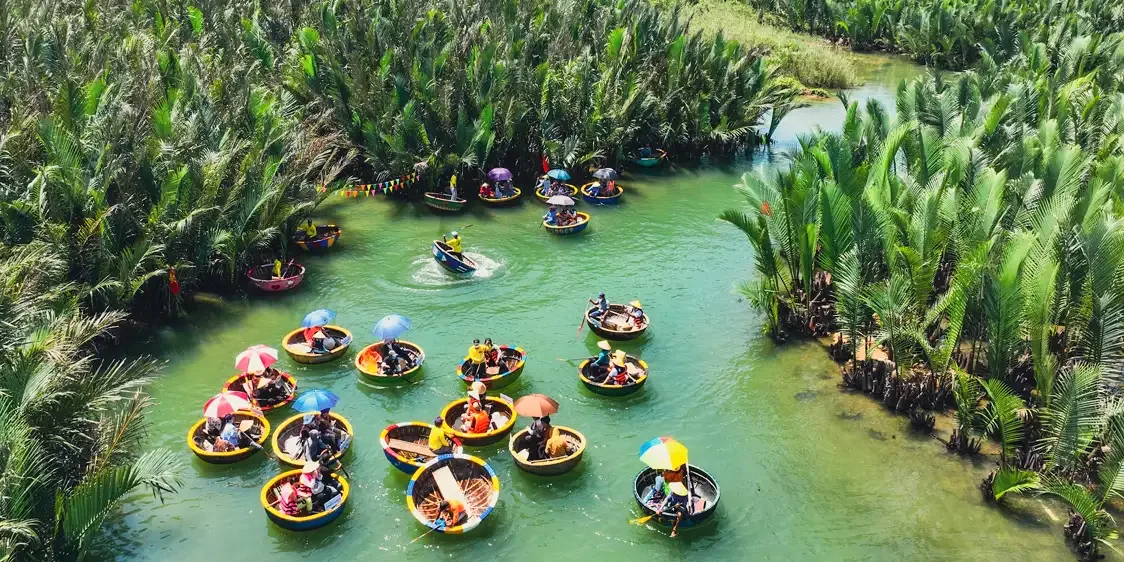
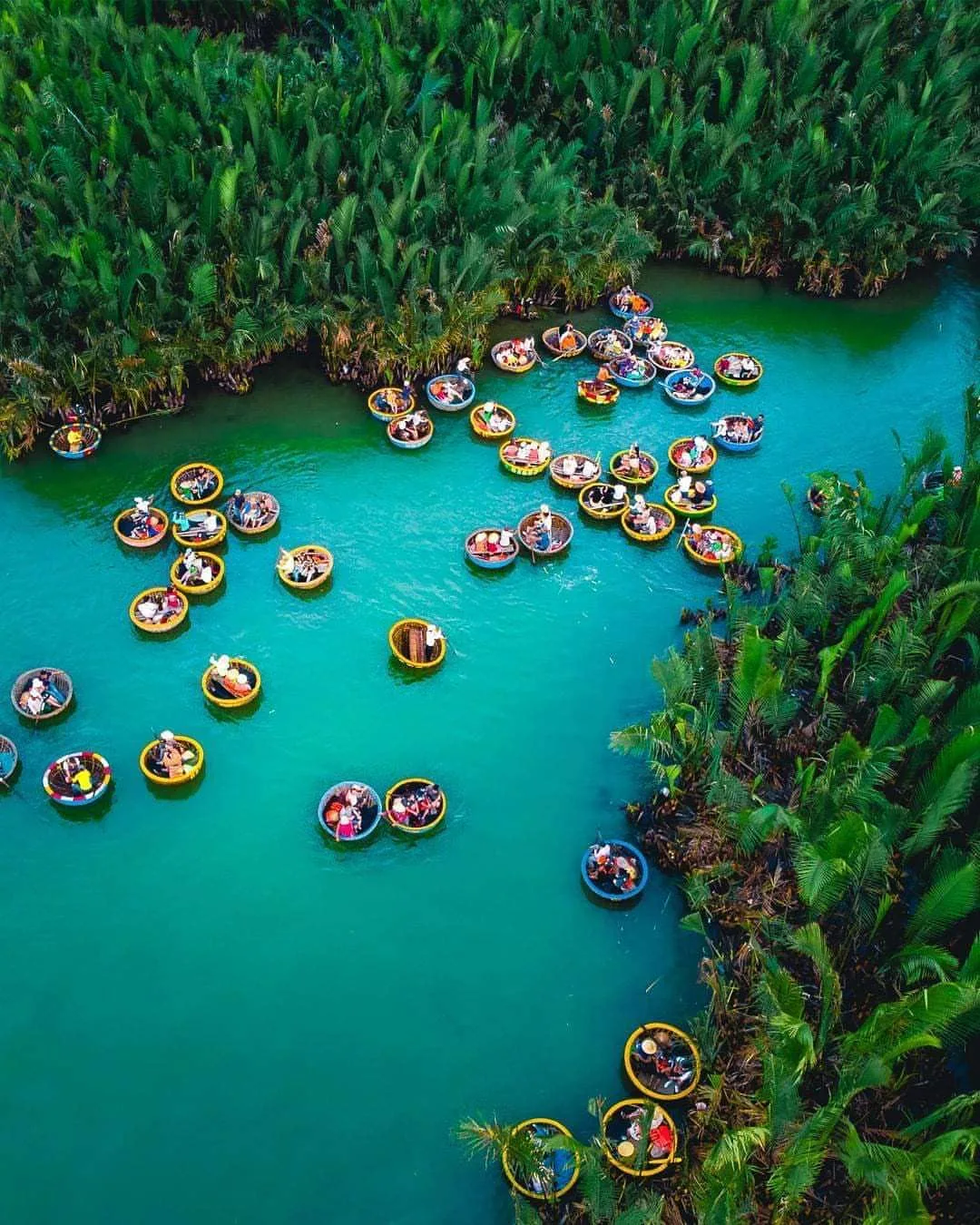
Cam Thanh Village is recognized as a promising location for environmentally conscious travel near Hoi An. Situated roughly five to seven kilometers from the heart of Hoi An Ancient Town, it features an extensive water coconut palm forest that is central to its identity. For over a century, local inhabitants have cultivated these palms, primarily Nipa fruticans, to safeguard the village from the seasonal floods of the Thu Bon River. This dense forest, an integral component of the internationally recognized Cham Island bio-reserve, also provides crucial protection against coastal storms, acting as a natural buffer. Furthermore, the sustainable management of this natural resource contributes significantly to the economic stability of the local community, offering both materials and tourism opportunities.
Beyond its ecological role, Cam Thanh holds significant historical and architectural value. The village preserves heritage structures that reflect traditional Vietnamese building practices and commemorates heroic acts from past conflicts, particularly during the wars against French and American forces. The area's unique ecological setting, characterized by its flooded forest and appealing scenery, offers visitors an opportunity to observe authentic rural Vietnamese life and gain an understanding of local culture and society. This blend of natural beauty, historical depth, and community resilience makes Cam Thanh a compelling destination for those seeking more than just typical sightseeing.
Engaging with Local Agriculture: The Farming Experience
In Cam Thanh, bicycles are a common mode of transport, filling the tranquil paths instead of motor vehicles, which contributes to the village's peaceful atmosphere. This characteristic enhances the area's appeal as an eco-friendly destination, drawing increasing numbers of guests interested in its natural features and human ingenuity. As visitors cycle towards Cam Thanh Village, they can enjoy the clean air and capture images of the Vietnamese countryside, featuring expansive rice paddies, traditional houses with bamboo-thatched roofs, and narrow walking trails that offer a glimpse into daily life.
While agricultural work is traditionally demanding for Vietnamese farmers, a growing number of international travelers express interest in experiencing this lifestyle firsthand. In Cam Thanh Commune, local farmers introduce guests to their daily routines in the rice fields, providing an educational and interactive experience. With access to agricultural land, water buffalo, and traditional farming implements such as plows, firewood cookers, and hand rice grills, participants can learn about the traditional methods of rice production. Hands-on activities are a core part of this experience, allowing visitors to engage directly in several stages of rice cultivation. These include dressing in authentic farmer's attire and a conical hat (non la), participating in the planting and harvesting of rice, using a machine to pluck grains from stalks, filtering grains with large flat baskets, separating husks from the grains, cooking rice in a traditional manner over a wood fire, and even preparing pancakes using freshly made rice milk. These activities offer a tangible connection to the food production process and the efforts of local farmers.
Exploring the Water Coconut Forest by Basket Boat
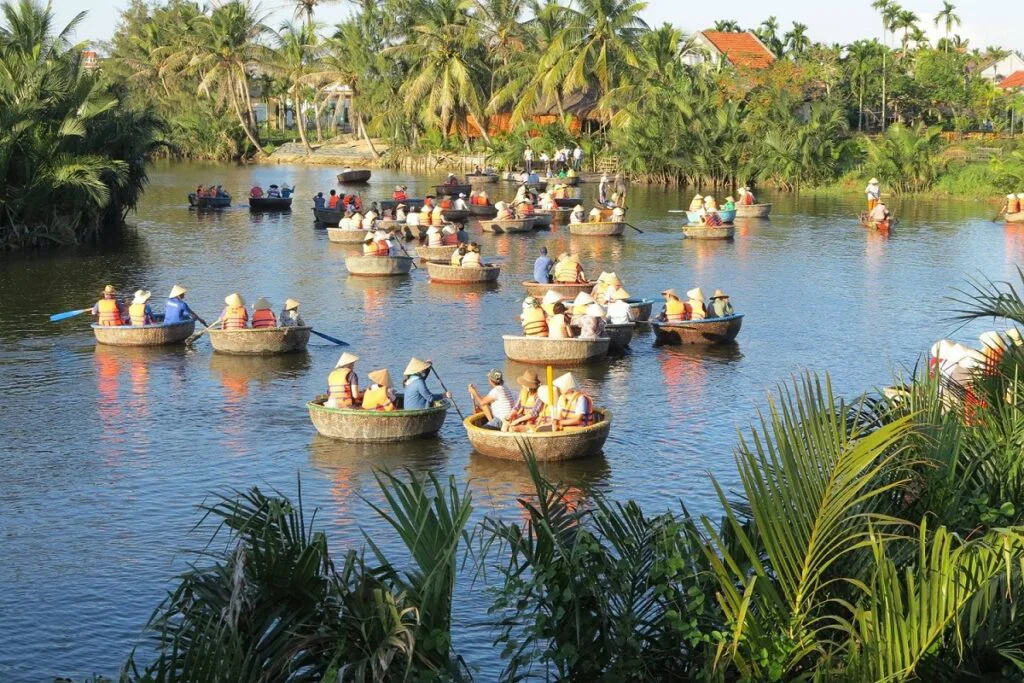
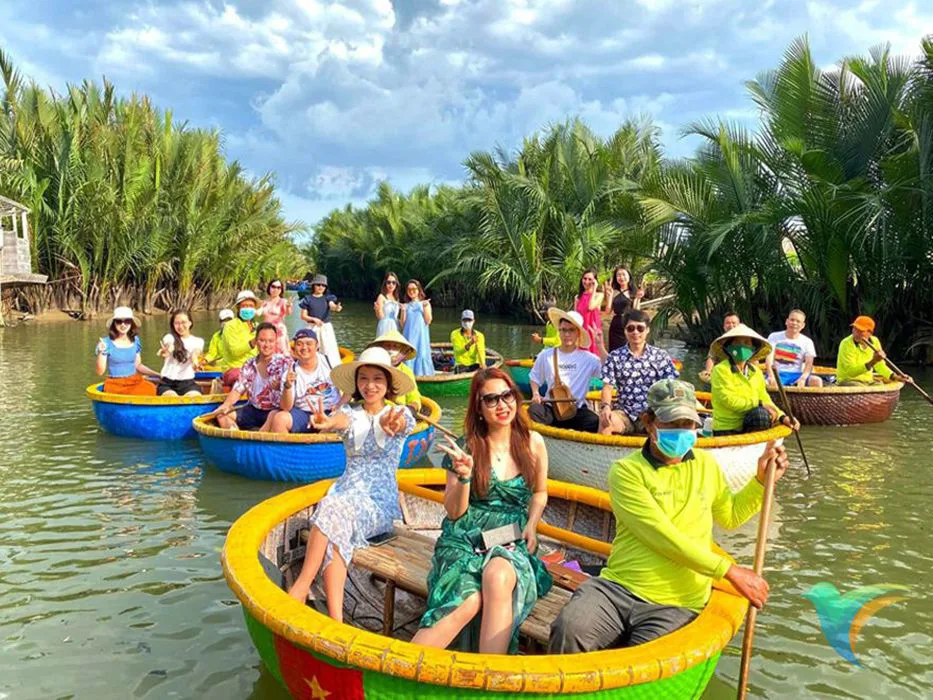
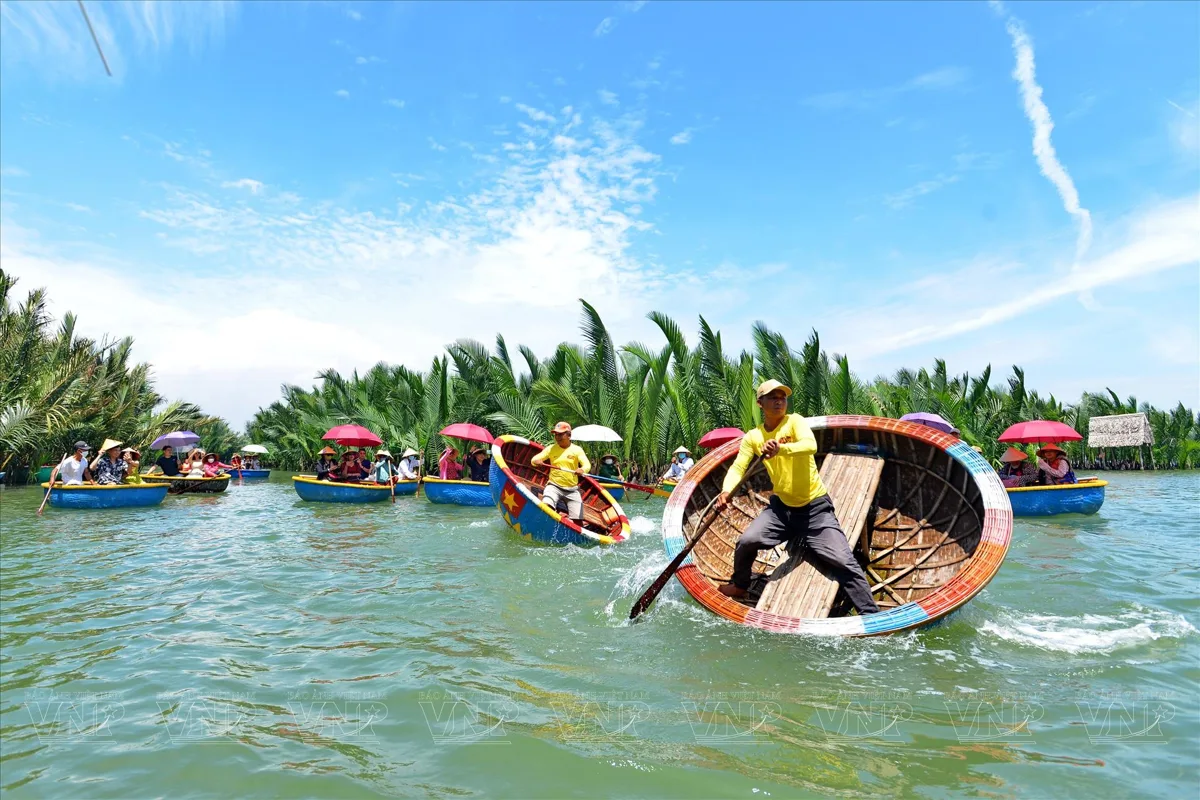
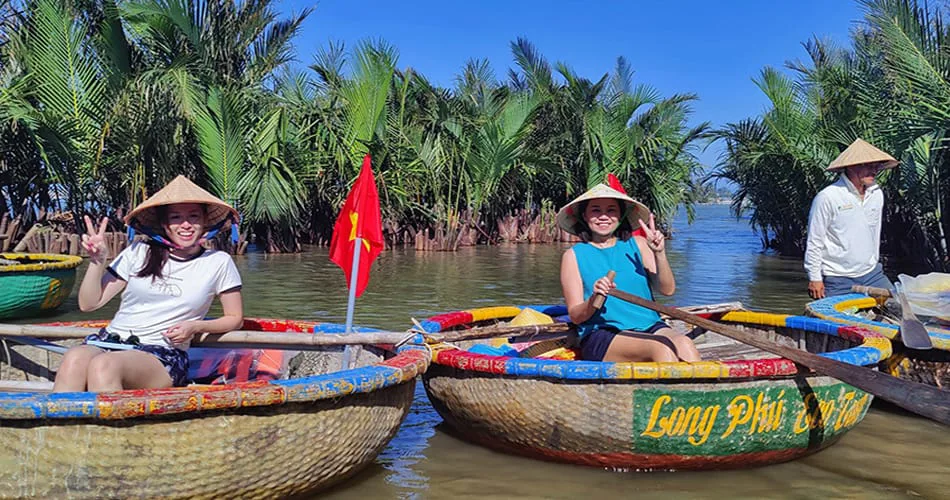
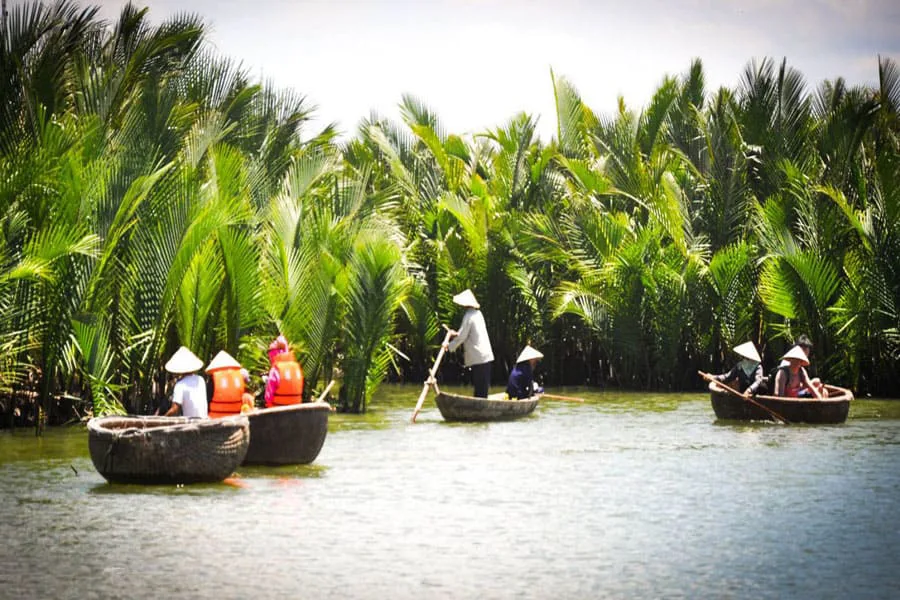
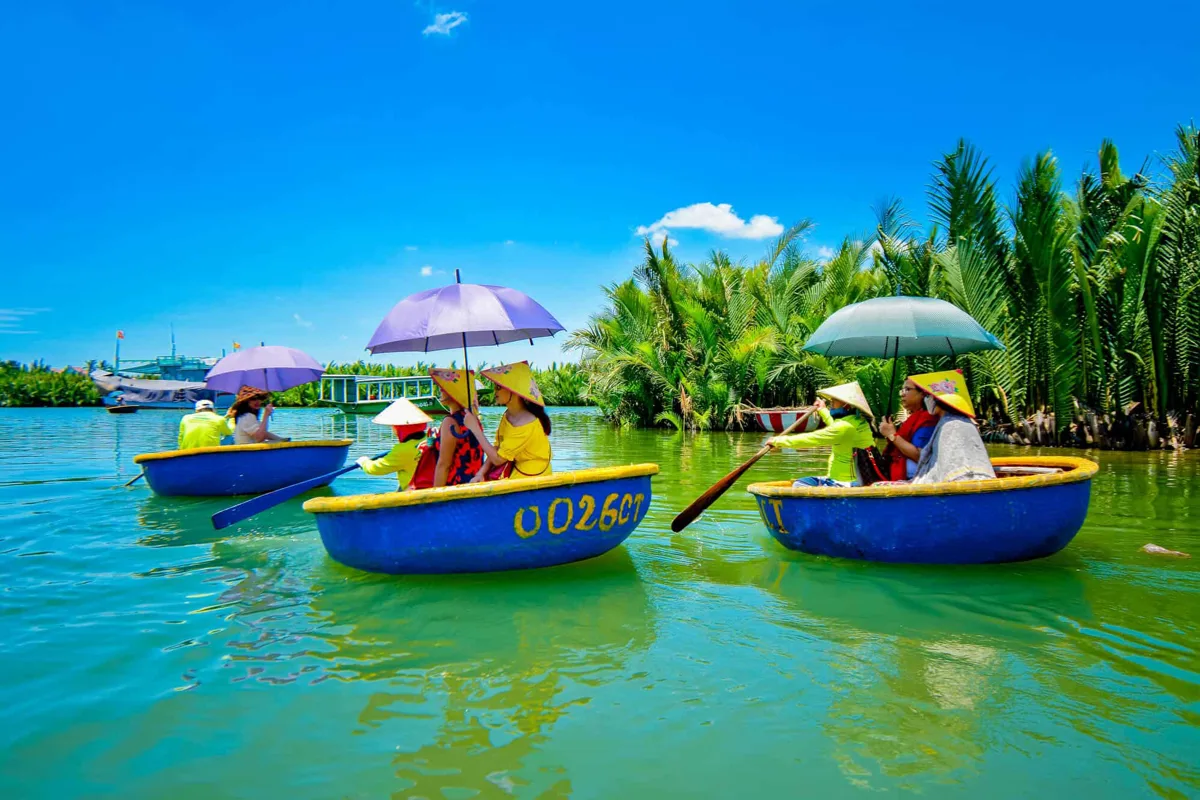
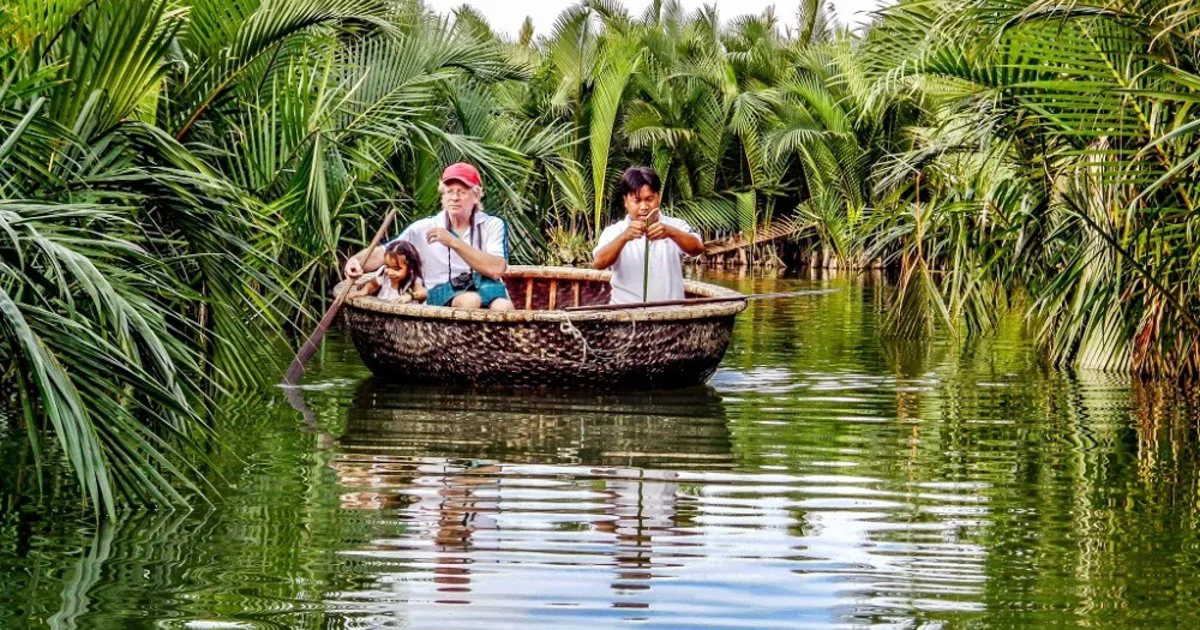
In the afternoon, the experience often continues to a fishing area, where visitors can explore the ecological water palm system using a distinctive basket boat, locally known as thung chai. From these round boats, guests can engage in traditional fishing activities, learning to cast nets or use lines alongside local fishermen. The Bay Mau water coconut palm forest represents a singular ecological zone, defined by its flooded forests and appealing vistas. This environment supports various aquatic species, including shrimp and fish, alongside a diverse array of birdlife, making it an important habitat for local biodiversity. Here, visitors have the opportunity to participate in local fishing practices, such as casting a net with a local fisherman, gaining insight into their traditional livelihoods.
The water coconut forest also serves as a vital source of raw materials for crafting products and constructing traditional dwellings. Visitors may observe the expansive, seemingly endless water coconut forest and the low-roofed houses, which typically feature walls made from split bamboo panels and palm-leaf roofs. These natural roofs are remarkably durable, designed to last up to 30 years, showcasing sustainable building practices. The tour allows guests to visit local homes and participate in craft production alongside residents, such as observing artisans creating furniture and household items from water coconut and bamboo. Opportunities exist to purchase traditional crafts perfect for gifts, interior decorations, and specific local foods directly within Cam Thanh Village, providing direct support to the community.
Cultural Insights and Local Crafts
The eco-tour experience in Cam Thanh Village provides more than just recreational activities; it offers a deep dive into the cultural fabric of rural Vietnam. By engaging with local farmers and fishermen, visitors gain a firsthand understanding of their daily routines, challenges, and the deep connection they have to their land and natural resources. This interaction fosters an appreciation for traditional Vietnamese agricultural practices, particularly rice cultivation, which is a cornerstone of the nation's heritage. The opportunity to wear traditional attire like the non la and participate in age-old farming methods offers a memorable and educational perspective on Vietnamese life.
Furthermore, the village showcases traditional craftsmanship. The utilization of water coconut and bamboo for both construction and artisan products highlights the ingenuity and resourcefulness of the local people. Observing craftsmen at work and having the chance to acquire handmade items provides a direct link to the community's artistic traditions. These unique products, ranging from practical household items to decorative souvenirs, represent the skill and cultural identity of Cam Thanh. This aspect of the tour not only allows for meaningful cultural exchange but also contributes directly to the economic well-being of the villagers, reinforcing sustainable tourism principles.
Planning Your Visit to Cam Thanh
A trip to Cam Thanh Village offers a distinct perspective on local life and an understanding of Vietnam's rice cultivation heritage. This type of eco-tour provides valuable insights into the country's agricultural traditions and the daily routines of its rural communities. Engaging with these activities can be a memorable and enriching part of any visit to Vietnam, moving beyond conventional tourist attractions. Furthermore, by involving travelers in farming tasks and supporting local crafts, the livelihoods of many villagers in Hoi An have seen considerable improvement in recent years, demonstrating the positive impact of responsible tourism.
For visitors to Hoi An, understanding the local banking landscape can be beneficial for managing finances during their stay, including any purchases made in Cam Thanh. While Cam Thanh Village itself is focused on ecological and cultural experiences, general travel preparations for the Hoi An area should include consideration of practical aspects like currency exchange and ATM access. It is advisable to carry some local currency for small purchases and activities within the village. The village is easily accessible by bicycle or short taxi ride from Hoi An Ancient Town, making it a convenient day trip option.
Frequently Asked Questions
How far is Cam Thanh Village from Hoi An Ancient Town?
Cam Thanh Village is situated approximately five to seven kilometers from the center of Hoi An Ancient Town, making it a short and accessible journey for visitors.
What types of activities are available in Cam Thanh Village?
Visitors can participate in a range of activities, including cycling through the countryside, engaging in traditional rice farming experiences, taking basket boat tours through the water coconut forest, fishing with local fishermen, and observing or participating in local craft production.
What is the significance of the water coconut palm forest?
The water coconut palm forest in Cam Thanh plays a crucial role in protecting the village from floods and storms. It is also part of the Cham Island bio-reserve and provides a source of income and materials for the local community.
Can I purchase local products in Cam Thanh Village?
Yes, visitors have opportunities to purchase souvenirs, interior decorations, and special local foods directly from artisans and villagers, supporting the local economy.
Is Cam Thanh Village suitable for families with children?
The hands-on farming activities, basket boat rides, and gentle cycling routes can be engaging and educational for families, offering a unique cultural experience for all ages.