
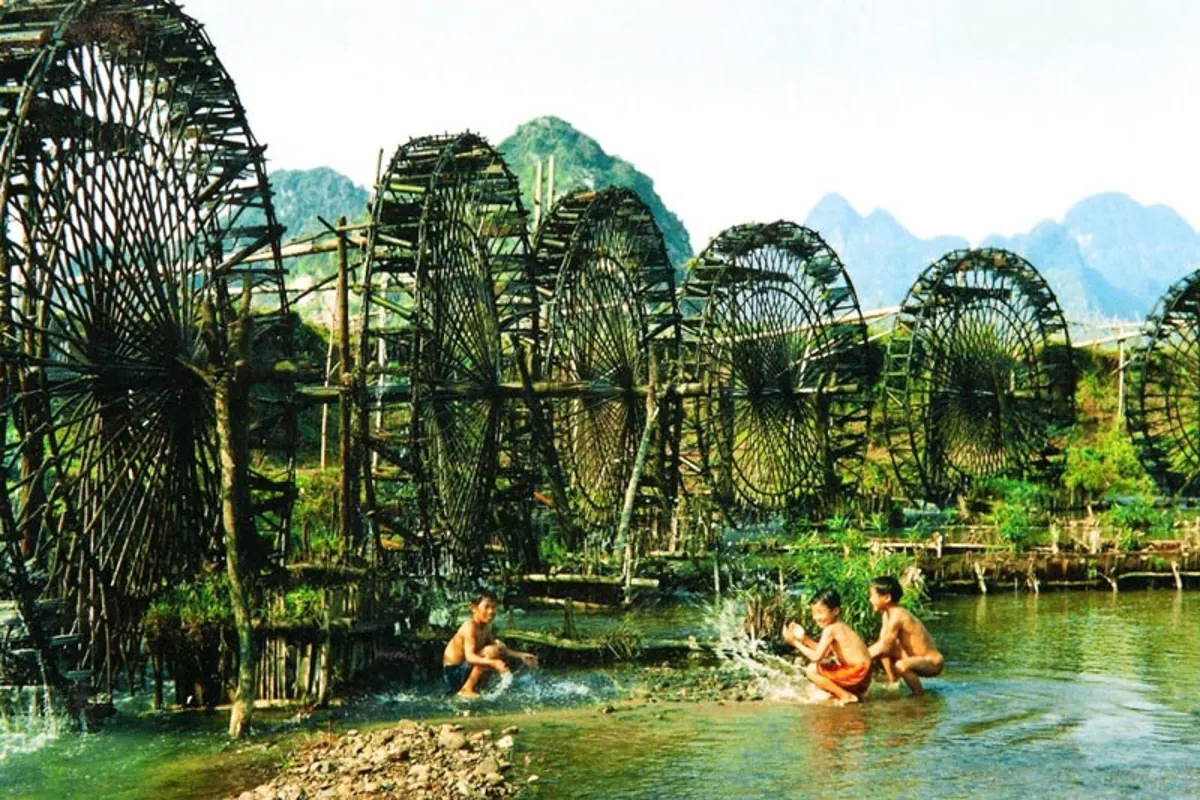
Mai Chau, a serene valley situated approximately 130 kilometers west of Hanoi in Hoa Binh province, presents an accessible mountain getaway for those seeking a break from city life. This destination is well-suited for travelers of all ages, particularly those interested in natural landscapes and an introduction to Vietnamese culture through interactions with local ethnic communities. It serves as an excellent option for visitors with limited time in Northern Vietnam who wish to experience trekking and rural scenery, including extensive rice paddies and traditional stilt houses.
Compared to more distant locations like Sapa, which typically requires a bus journey of about seven hours from Hanoi, Mai Chau offers a significantly shorter travel time, making it an ideal choice for a quick and fulfilling excursion from the capital.
Traveling to Mai Chau from Hanoi
The journey from Hanoi to Mai Chau covers a distance of around 130 kilometers to the west, leading into Hoa Binh province. This route provides travelers with evolving scenery, transitioning from urban areas to more mountainous terrains. Along the way, observers can note various pagodas, multi-peaked mountains, and the notable Thung Khe Pass, offering scenic viewpoints before reaching the valley.
While specific travel times can vary based on traffic and road conditions, the shorter distance makes Mai Chau a more convenient option for those looking to maximize their time in a rural setting without an extended commute. Many visitors find organized tours to be a straightforward way to manage transportation, typically including hotel pick-up in Hanoi and transfers directly to the Mai Chau valley area.
Experiencing Mai Chau: Activities and Cultural Encounters
Mai Chau offers a range of activities focused on outdoor exploration and cultural engagement with the local White Thai community. A typical visit often includes physical activities such as walking and cycling through the valley's pathways.
Trekking is a prominent activity, allowing visitors to traverse rice fields and visit various ethnic villages. Popular routes include walks through Cum and Xam Khoe Villages, where visitors can gain insights into local life and historical traditions. For those desiring more extensive hikes, longer options extend towards Khun Pheo and Thieng Ve, potentially reaching the Ma River. Beyond daytime explorations, evenings often feature opportunities to enjoy local rice wine and witness traditional dance performances, providing a deeper connection to the local customs.
Planning Your Visit: Best Time and Duration
Mai Chau is generally considered suitable for travel throughout the year due to its agreeable climate. Each season offers distinct advantages for visitors.
From November to February, the area transforms with the blooming of white and pink plum and cherry blossoms, creating a colorful winter landscape. During the period from March to October, Mai Chau attracts travelers with its mild weather, providing a comfortable environment for relaxation and cultural experiences with the White Thai community. To fully appreciate the area, a minimum stay of two days and one night is recommended, allowing for an overnight experience in a traditional stilt house and participation in local activities, such as assisting with meal preparation in a White Thai kitchen. Visitors might consider planning their trip during weekdays to avoid larger crowds of local tourists who often visit on weekends. It is also worth noting that the rice harvest season offers a particularly striking visual experience, as the paddy fields display rich hues of color.
Accommodation and Local Cuisine
For an authentic experience in Mai Chau, staying in a traditional stilt house with a local White Thai family is a common choice. These accommodations provide a direct connection to the community's way of life and often include opportunities to share meals prepared by family members. Participating in the preparation of these meals can offer insights into local culinary practices and unique hill tribe customs.
Local cuisine features dishes such as sticky rice cooked in fresh bamboo pipes, which is considered a safe and recommended item to try. The region also produces a distinctive local rice wine, which is known for its potency. While enjoying this local beverage, moderation is advised to ensure readiness for activities planned for the following morning. Many visitors report positive experiences with the hospitality and traditional dishes offered by local families.
Essential Travel Advice for Mai Chau
To ensure a comfortable and enjoyable trip to Mai Chau, consider the following practical recommendations:
- Footwear: Walking or trekking shoes are highly recommended for navigating the village paths and rice fields.
- Sun Protection: Include a hat and eye protection in your packing list, especially for daytime outdoor activities.
- Awareness of Surroundings: Be mindful of the steps on wooden stairs in traditional houses and the potentially low ceilings.
- Noise: Earplugs might be useful, as roosters in rural areas can crow early in the morning.
- Local Beverages: The rice wine offered by hosts can be strong; enjoy it responsibly to remain fresh for morning activities.
- Cultural Performances: Consider joining a group dance show rather than requesting a private one, which can help reduce costs.
- Local Delicacies: Sticky rice prepared in fresh bamboo is a safe and culturally significant dish to sample.
- Hydration: When undertaking treks, ensure you have an adequate supply of bottled water.
- First Aid: Confirm the availability of a first aid kit in your transport vehicle or with your guide, especially for longer treks.
- House Etiquette: Always remove your shoes before entering the clean floor areas of local homes.
- Cultural Events: While not always available, attending a local funeral, if the opportunity arises, can offer a profound insight into local culture.
These tips aim to enhance your experience and help you navigate the local customs and environment with ease.
Extending Your Journey Beyond Mai Chau
Mai Chau can serve as a starting point or a component of a longer exploration of Northern Vietnam. For travelers interested in a more extensive adventure, the region offers possibilities to extend a trip into a multi-day exploration of the North West, potentially lasting seven days or more. This could involve further travel through mountainous landscapes and ethnic communities.
Furthermore, with the presence of newly established border gates in Dien Bien, it is possible to connect a journey from Northern Vietnam into Laos, offering a broader regional travel experience. Such extensions allow for a deeper understanding of the diverse cultures and geographies of Southeast Asia.
Frequently Asked Questions
How far is Mai Chau from Hanoi?
Mai Chau is located approximately 130 kilometers (about 80 miles) west of Hanoi, making it a relatively accessible destination for a short trip from the capital.
What is the best time of year to visit Mai Chau?
Mai Chau can be visited year-round due to its pleasant climate. November to February offers blooming plum and cherry blossoms, while March to October provides cool weather ideal for outdoor activities and experiencing local culture.
What are the main activities available in Mai Chau?
Key activities include trekking and cycling through rice paddies and ethnic villages, engaging with local White Thai families, participating in home cooking, and enjoying traditional dance performances and local rice wine.
Is Mai Chau suitable for a short trip from Hanoi?
Yes, Mai Chau is an excellent option for a short escape, typically requiring a minimum of two days and one night to experience its main attractions and cultural offerings, especially when compared to longer journeys to places like Sapa.
What kind of accommodation can I expect in Mai Chau?
Visitors typically stay in traditional stilt houses, often hosted by local White Thai families. This provides an authentic cultural experience and includes opportunities to share meals and learn about local customs.








