
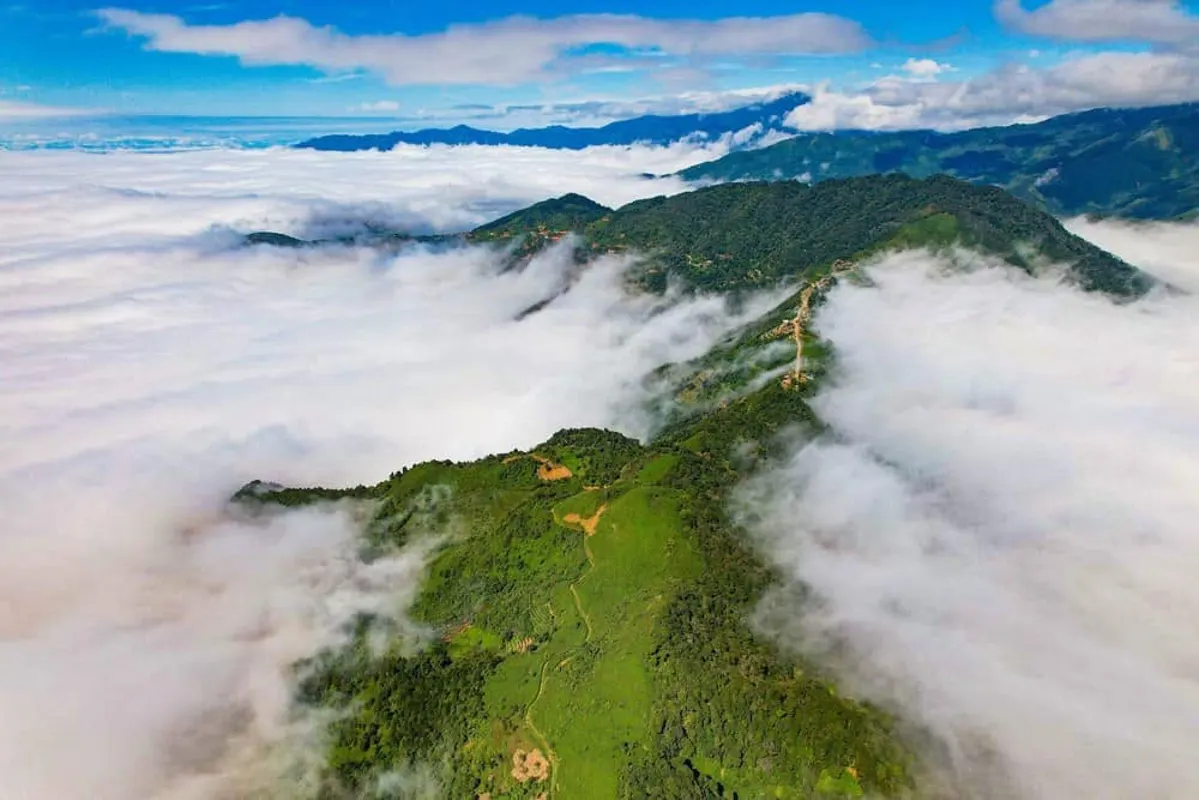
Sapa, a highland district within Vietnam's Lao Cai province, offers a distinct summer travel experience. Situated 1,600 meters above sea level, approximately 38 kilometers from Lao Cai city and 376 kilometers from Hanoi, this region is known for its refreshing climate. Visitors often note experiencing weather patterns akin to four distinct seasons within a single day. Summer is frequently considered an excellent period to explore Sapa, provided travelers arrive adequately prepared for its specific conditions.
Understanding Sapa's Summer Climate and Appeal
Traveling to Sapa during the summer months allows visitors to enjoy the cool, crisp air characteristic of its elevated location. Unlike many lowland areas of Southeast Asia, Sapa provides a respite from intense heat, making it an attractive destination for those seeking cooler temperatures. The season also presents opportunities to witness the verdant landscapes of the Northwest mountains at their most lush.
Beyond the pleasant weather, summer in Sapa offers access to several notable natural and cultural sites. Popular points of interest include the expansive Muong Hoa valley, the cultural village of Cat Cat, the ascent to Ham Rong mountain, and the majestic Fansipan peak, which is Vietnam's highest mountain. Additionally, the scenic Silver waterfall and Love waterfall are particularly impressive during this season. The historic Sapa stone church also stands as a central landmark for exploration.
Essential Items for Your Sapa Summer Packing List
Proper preparation is key to a comfortable summer visit to Sapa. The region's unique climate necessitates specific items to ensure protection and convenience throughout your stay. Considering the varied weather, a thoughtful packing strategy will enhance your travel experience.
Sun Protection and Outerwear
Despite Sapa's cooler summer temperatures compared to other parts of Vietnam, the sun's rays at high altitude can still be intense. Therefore, adequate sun protection is crucial. Sunscreen should be a priority for all travelers, regardless of gender, to safeguard skin from potential damage. Applying sunscreen regularly, especially before outdoor activities like hiking or walking, is highly recommended.
In addition to sunscreen, a sun hat provides direct shade for the face and neck, helping to prevent sunstroke. Sunglasses are equally important for eye protection against strong sunlight and can also serve as a stylish accessory. Light jackets, sometimes referred to as sunscreen coats, are advisable. Options like camouflage patterns or denim jackets are often chosen by those planning to hike. While these may not offer complete sun blockage, they provide a layer of protection and can be useful for cooler evenings or early mornings. These items also often double as useful additions for photography.
Personal Health and Hydration
Carrying a personal medicine kit is a practical measure for any journey, especially when visiting a highland area like Sapa. This should include basic remedies for common ailments such as anti-cold medication, insect bite relief, topical pain balms, anti-stomach pain tablets, general antibiotics, and anti-motion sickness pills. These supplies can provide immediate assistance for minor health issues or unexpected incidents before professional medical help can be sought. For more serious concerns, understanding Sapa's healthcare options is advisable.
Staying hydrated is essential, particularly during periods of activity. Bringing your own water and snacks for excursions is a sensible approach. While roadside stops may offer refreshments, prices can be higher, and preferred items might not always be available. Preparing these in advance ensures you have what you need when you need it.
Navigating Sapa: Maps, Documents, and Technology
Effective navigation and personal security are important aspects of travel planning for Sapa. Being prepared with the right tools and documents can prevent potential difficulties and enhance your exploration.
Given Sapa's expansive tourist areas, a physical map can be very helpful. These are typically available for purchase at local bookstores, souvenir shops, art galleries, or directly from hotels within Sapa. While digital maps are convenient, a paper map offers a reliable alternative, especially in areas with inconsistent mobile signal.
Important Documents and Digital Devices
Carrying essential identification documents is non-negotiable when traveling to unfamiliar places. An identity card or passport is required for hotel check-ins and for completing temporary residence procedures. It is also wise to carry photocopies of important documents, such as your ID or passport, as well as booking confirmations for accommodation or tours. This provides a backup in case original documents are misplaced. If traveling with children, their birth certificates should also be carried. Additionally, keeping a record of local police contact numbers can be beneficial for any unforeseen circumstances.
To capture the scenic beauty of Sapa, bringing video recording equipment is highly recommended. Cameras, camcorders, or smartphones are all suitable for documenting your experiences. Remember to pack chargers to ensure your devices remain powered throughout your trip. A crucial consideration for Sapa is the presence of dew, which can potentially damage electronic equipment. Travelers should take precautions to protect their devices from moisture.
Sapa's Summer Culinary Delights and Souvenirs
Sapa's culinary scene offers unique experiences that should not be overlooked, regardless of the season. The region is renowned for its distinctive local dishes, providing a taste of Northwest Vietnamese flavors.
During the summer, a particular highlight is the availability of fresh peaches and plums. Visitors often have the chance to enjoy these fruits directly from local gardens. They also make excellent gifts for friends and family, allowing you to share a piece of your Sapa experience. Exploring the local markets and eateries will reveal a range of other seasonal produce and traditional meals that contribute to the area's gastronomic appeal.
Frequently Asked Questions
Is Sapa hot during the summer months?
While Sapa is a highland region and generally cooler than Vietnam's lowlands, summer temperatures are mild rather than hot. The unique climate means visitors can experience varied weather conditions, sometimes encompassing elements of all four seasons within a single day, from cool mornings to warmer afternoons.
What type of clothing is best for Sapa in summer?
Layered clothing is advisable for Sapa in summer due to the fluctuating temperatures. Light, breathable fabrics for daytime, along with a light jacket or sweater for cooler evenings and mornings, are recommended. Sun protection like hats, sunglasses, and sunscreen are also essential.
Are there specific foods to try in Sapa during summer?
Summer in Sapa is particularly known for fresh local fruits such as peaches and plums, often available directly from gardens. Beyond seasonal fruits, Sapa offers a range of unique highland cuisine that can be enjoyed year-round, including various grilled dishes and traditional ethnic minority specialties.
Should I bring a physical map or rely on my phone in Sapa?
While smartphones with digital maps are convenient, carrying a physical map of Sapa is highly recommended. Signal coverage can be inconsistent in some remote areas, and a paper map provides a reliable backup. These maps are typically available for purchase at local shops and hotels.
What are the main attractions to see in Sapa during summer?
Summer is an excellent time to visit Sapa's natural and cultural sites. Key attractions include the Muong Hoa valley, Cat Cat village, Ham Rong mountain, Fansipan peak, Silver waterfall, Love waterfall, and the Sapa stone church. The lush green landscapes are particularly appealing during this season.








