
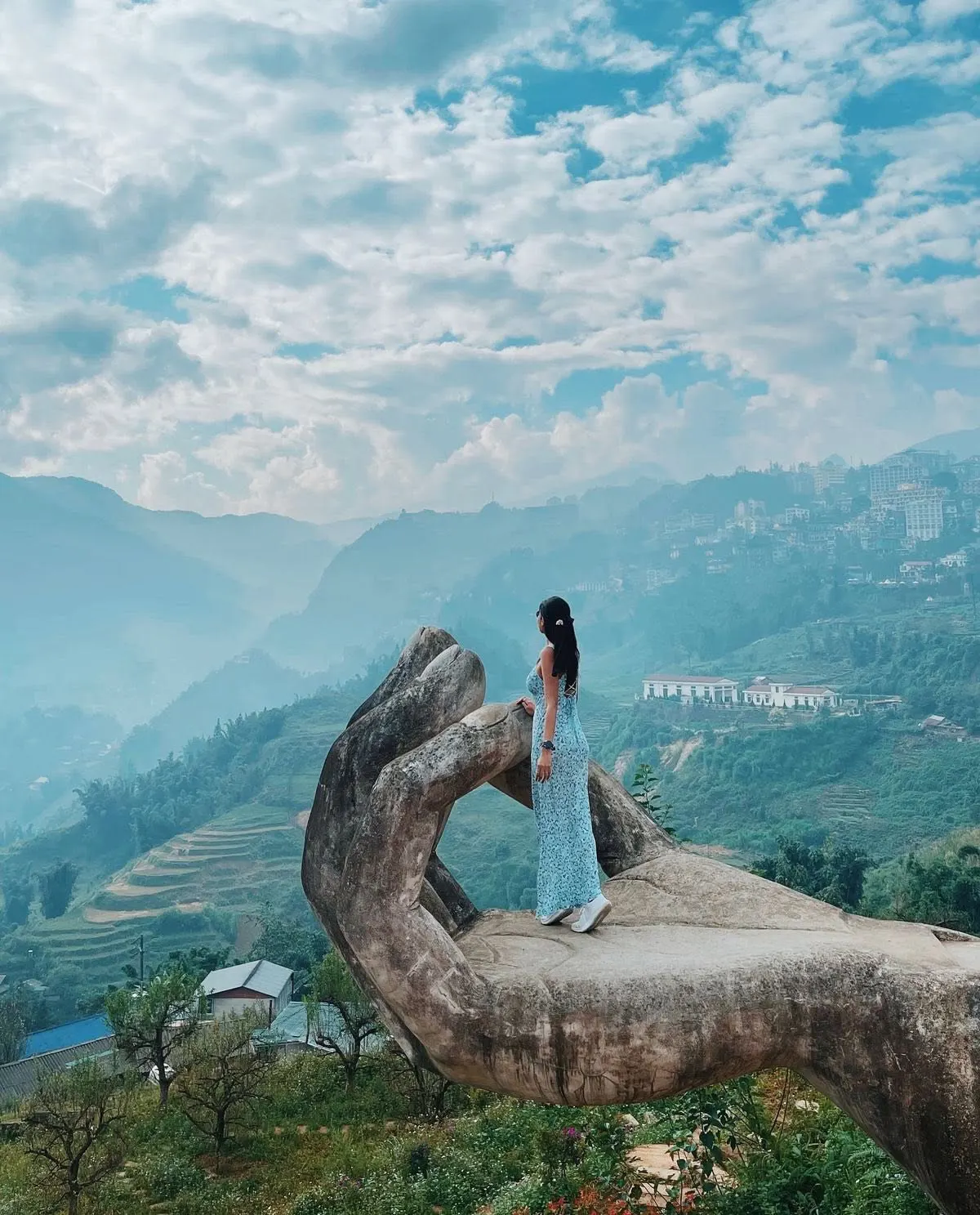
For travelers considering a visit to Sapa during July, understanding the local weather patterns and available activities is key to planning an enjoyable trip. While many parts of Vietnam experience high temperatures and intense heat during this mid-summer month, Sapa, due to its elevated mountainous terrain, offers a distinctly different climate. This period can present a comfortable escape from the heat of lower regions, characterized by mild daytime temperatures and occasional rainfall.
Sapa's Climate in July
The weather in Sapa during July contrasts significantly with the conditions typically found in Vietnam's northern lowlands, such as Hanoi. While the delta areas might experience temperatures reaching 30°C to 40°C with persistent sunshine, Sapa maintains a more moderate environment. This difference is primarily attributed to its high-altitude geography.
During July, Sapa generally sees daytime temperatures ranging from 18°C to 24°C, providing a pleasant atmosphere for those seeking respite from warmer climates. Evenings bring cooler conditions, with temperatures potentially dropping to as low as 10°C. Rainfall is a notable characteristic of July in Sapa, with an average precipitation of approximately 461 mm and humidity levels around 81%. These rains contribute to the cooler daytime temperatures and the fresh air.
Activities and Attractions for July Visitors
Despite the possibility of rain, Sapa in July offers several engaging activities and opportunities to appreciate its natural environment and cultural heritage. Planning around the weather allows visitors to make the most of their time.
- Fansipan Peak by Cable Car: A popular activity is taking the cable car to the summit of Fansipan Peak, known as the "Roof of Indochina," standing at 3143 meters. From this elevation, travelers can often enjoy extensive views of the surrounding landscapes, which are typically clearer than during the foggier winter months. The cable car provides a safe way to experience the height and scenery, as trekking to the summit is generally not advised in July due to the risk of sudden thunderstorms. For more details on this ascent, consider experiencing Mount Fansipan's cable car to Indochina's summit.
- Waterfalls and Mountain Passes: July's rainfall contributes to the increased flow and visual appeal of Sapa's waterfalls and passes. Locations like Tram Ton Pass, Sapa Silver Falls, Heaven's Gate, and Love Waterfall are often at their most impressive during this time, with abundant water enhancing their natural beauty. Visitors can spend time enjoying these natural features and the cool waters.
- Local Fruit Gardens: This month marks the growing season for local fruits such as peaches and plums in Sapa, which typically ripen towards the end of July. Exploring local orchards offers a chance to taste these regional specialties directly from the source.
- Sapa Markets: The local markets provide insight into the daily life and culture of the ethnic minority groups in Sapa. The Love Market, for instance, is a regular event where visitors can observe local traditions, take photographs, and learn about the community. On weekends, a unique Hmong love market takes place in the central square, offering additional cultural experiences, including traditional music. These markets are also excellent places to find unique purchases and souvenirs for friends and family.
- Local Dining: Enjoying local cuisine, such as barbecue from sidewalk restaurants, is a common and satisfying experience in Sapa, particularly during the cooler evenings.
Weighing the Benefits and Challenges of a July Trip
Traveling to Sapa in July presents both advantages and certain considerations that visitors should be aware of before their journey.
One primary benefit is the comfortable climate. With temperatures generally mild, Sapa offers a refreshing escape from the intense summer heat prevalent in other parts of Vietnam. This pleasant weather allows for a variety of outdoor activities, provided they are chosen with caution regarding rainfall. Furthermore, July is not typically considered a peak tourist season, which can result in fewer crowds. This quieter atmosphere often provides a more tranquil experience, allowing for deeper engagement with the local culture and opportunities to interact with residents, gaining insights into their daily routines.
However, the month also brings challenges. Sudden rain showers and thunderstorms are common, which can impact outdoor plans and potentially lead to discomfort if travelers are unprepared. These weather conditions make activities like extensive trekking less advisable due to slippery trails and safety concerns. It is important to pack appropriate gear to remain comfortable and dry throughout the visit.
Practical Advice for Traveling to Sapa in July
Careful preparation can significantly enhance a July trip to Sapa, ensuring a more comfortable and enjoyable experience despite the variable weather.
It is highly recommended to check the weather forecast regularly before and during your visit, as conditions can change unexpectedly. Given the mountainous terrain, packing light with essential items in smaller day bags is practical, leaving larger luggage at your accommodation. For clothing, layering is advisable. Include items suitable for cool daytime temperatures, a jacket for the significantly colder evenings (which can drop to 10°C), and essential rain gear such as a raincoat and an umbrella. These items are crucial for staying dry during sudden downpours. Additionally, comfortable, water-resistant footwear is beneficial for exploring.
For those unfamiliar with the area or seeking structured exploration, booking a local tour can be advantageous. Tour guides can lead visitors to popular attractions and provide context, making the experience more informative. Keeping an eye on local festival schedules can also add a unique cultural dimension to your trip, as Sapa frequently hosts various events. While planning your finances, remember to consider banking facilities in Sapa for travelers to ensure smooth transactions.
Sapa July Attractions Overview
| Attraction | Key Feature in July | Notes |
|---|---|---|
| Fansipan Peak | Panoramic views from cable car | Trekking generally not recommended due to thunderstorms; clearer views than winter. |
| Tram Ton Pass | Increased water flow, lush scenery | Particularly impressive after rainfall. |
| Sapa Silver Falls | Stronger water flow | More visually striking due to higher precipitation. |
| Heaven's Gate | Enhanced natural beauty | Often paired with visits to nearby waterfalls. |
| Love Waterfall | Vigorous water flow | Offers refreshing cool water and scenic surroundings. |
| Peach & Plum Gardens | Fruits ripen late in the month | Opportunity to taste local specialties. |
| Sapa Love Market | Regularly held cultural event | Good for cultural insight and photography. |
| Hmong Weekend Market | Unique cultural experience | Takes place in the central square on weekends. |
Frequently Asked Questions
Is July a good time to visit Sapa?
July can be a favorable time to visit Sapa, especially for those looking to escape intense summer heat found in other Vietnamese regions. The weather is generally comfortable, with mild temperatures. However, visitors should be prepared for frequent rainfall and potential thunderstorms.
What are the typical temperatures in Sapa during July?
In July, Sapa typically experiences daytime temperatures ranging from 18°C to 24°C. Nights are considerably cooler, with the lowest temperatures potentially reaching 10°C. This makes Sapa a cooler alternative to many other parts of Vietnam during the summer.
What should I pack for Sapa in July?
For a July trip to Sapa, essential items include a raincoat and an umbrella due to frequent showers. A warm jacket is recommended for the cooler evenings. Comfortable, water-resistant shoes are advisable, along with lightweight clothing for layering. Don't forget a camera to capture the scenic landscapes.
Can I go trekking in Sapa in July?
While Sapa is known for its trekking routes, extensive trekking is generally not recommended in July. The month's frequent rains and sudden thunderstorms can make trails slippery and potentially hazardous. The cable car to Fansipan Peak offers a safer alternative for enjoying mountain views during this period.








