
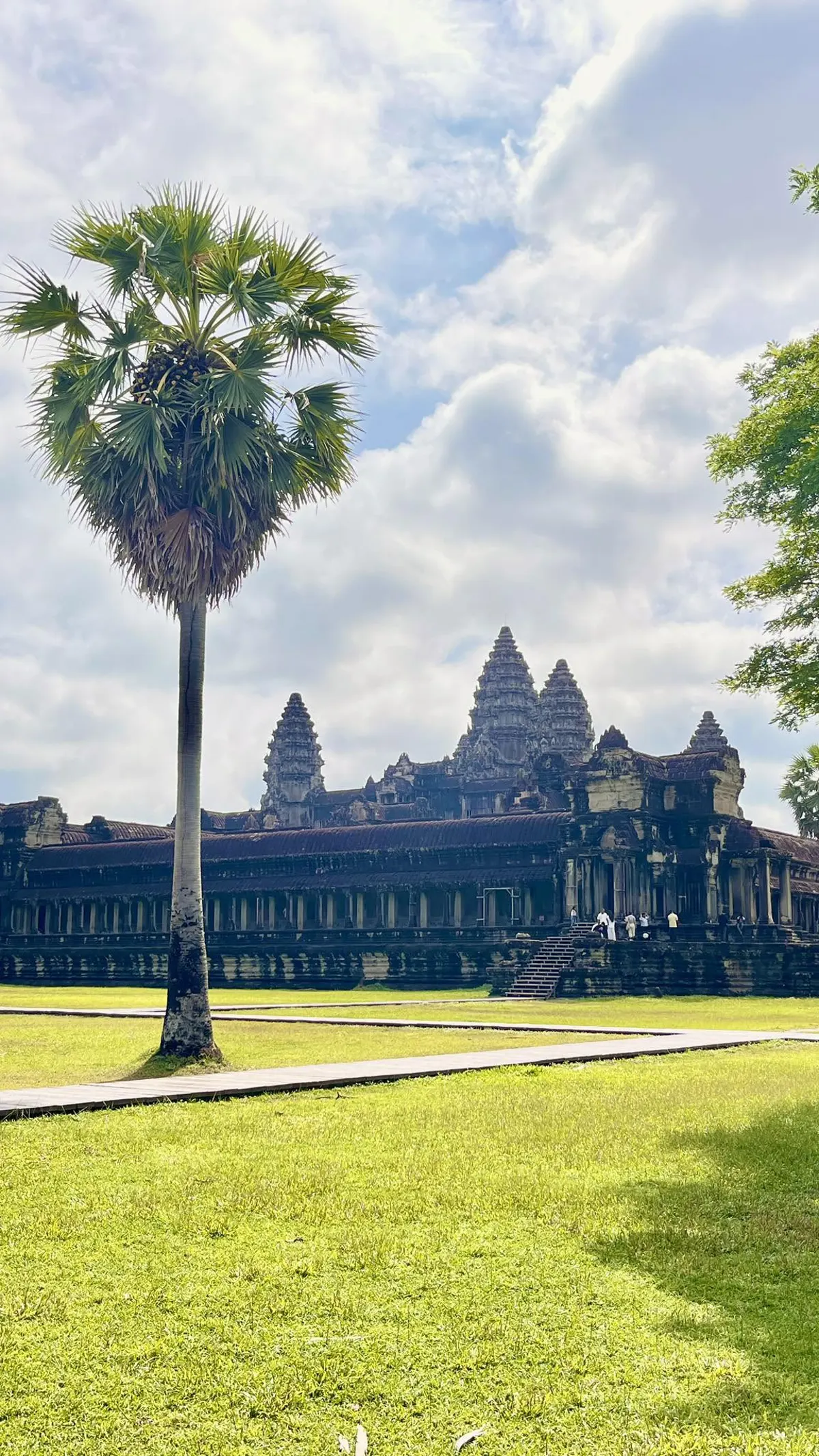
Cambodia presents a diverse array of handcrafted goods and unique local products for visitors seeking authentic souvenirs. While the nation may not be primarily recognized for extensive shopping complexes like some neighboring countries in Southeast Asia, it is a treasure trove of items produced through the extraordinary skill of local artisans. For those planning a trip, understanding the most worthwhile purchases among the many available options can enhance the travel experience.
Traditional Cambodian Textiles: Silk and Krama
Cambodian silk weaving traditions have been maintained for centuries, with weavers employing methods where silk threads are dyed before being woven into patterns. Products crafted from this fabric include scarves, garments, dresses, and small bags, all characterized by their smooth texture, light weight, and ease of packing. These items often feature designs representative of Cambodian fashion.
Among the various silk types, Pidan silk is notable. This traditional ikat silk is frequently used in Cambodian wedding ceremonies and Buddhist celebrations. Pidan Khmer, located in the Khan Chamkarmon district of Phnom Penh, is identified as a primary location for purchasing Pidan silk produced using traditional ikat techniques and natural dyes. The products from Pidan Khmer are created by local individuals as part of a social initiative supporting vulnerable young people and women.
The Krama, a scarf in the Khmer language, serves as a significant symbol of Cambodian traditions. Originally found in red and white, Krama are now available in a wide spectrum of colors and patterns. Locals often consider the Krama a symbol of good fortune and tranquility, making it a popular item among travelers. These versatile scarves can be used in numerous ways, such as head coverings, waist wraps, neck scarves, belts, baby carriers, for warmth, or for wiping sweat.
Tips for Purchasing Textiles:
- Be cautious of very low-priced silk items; genuine silk commands a higher cost. A scarf priced at US$2–4 may not be of high quality, so purchase based on aesthetic appeal rather than an expectation of premium material.
- To test authenticity, ask if you can burn a few strands. Real silk typically burns to a soft, powdery ash, whereas synthetic materials like polyester will form a small, hard bead.
- Be aware of counterfeit silk products, often imported and misrepresented as Cambodian-made.
Exquisite Metalwork: Silverware and Jewelry
Silverware has held cultural importance in Cambodia since the 11th century, particularly in religious practices. Today, numerous silver shops can be found in cities like Phnom Penh and Siem Reap. While Cambodian silver typically contains an alloy of 70–80% pure silver, these items remain a popular choice for those wishing to take home a piece of Cambodian artistry.
Cambodian silver jewelry is known for its diversity and intricate craftsmanship by skilled local artisans. Designs frequently incorporate Khmer patterns, reflecting the nation's rich cultural heritage. Beyond jewelry, silver decorations such as large plates, ornamental pieces, and carved statues are also available. These items are often intricately designed in various shapes and sizes. Betel nut boxes, crafted into different animal forms, are particularly striking and serve as containers for betel nuts, balms, medicines, or small trinkets.
Tips for Purchasing Silver:
- Unless you are an expert in precious metals or have a trusted advisor, exercise caution when buying items marketed as containing valuable jewels.
- Request that the silver dealer demonstrate the purity of the silver using a Touchstone, known locally as Thma Som Ret. This test can quickly reveal any base metal impurities in the alloy.
Artistic Creations: Sculptures and Handicrafts
Cambodia offers a wide selection of reproductions of sculptural works at accessible prices. Local artisans possess inherent skills that enable them to create replicas closely resembling original pieces, sometimes even deceiving expert eyes. These miniature versions often depict familiar Cambodian symbols, such as the grand Angkor Wat, scenes of the countryside, Buddha heads, and Apsaras, serving as reminders of Cambodia's cultural depth.
Tips for Purchasing Sculptures:
- In local markets and shops, it is common to negotiate prices. Do not accept the initial asking price; bargaining can often lead to a more favorable cost.
- Be aware of strict regulations regarding the export of antiques from Cambodia. Attempting to remove genuine antique items without proper authorization can result in severe penalties.
Culinary Souvenirs: Kampot Pepper
Visitors to Cambodia often seek out Kampot Pepper, a product considered by many top chefs globally to be among the world's finest. This pepper not only enhances flavor but is also associated with potential health benefits, including aiding digestion, supporting weight management, and improving metabolism. Kampot Pepper is cultivated organically in the specific climate and quartz-rich soil of Kampot Pepper Farms.
Tips for Purchasing Kampot Pepper:
- Familiarize yourself with the different varieties of Kampot pepper and sample them before making a purchase decision.
- Be vigilant against counterfeit Kampot pepper. The most reliable way to ensure authenticity is to visit a farm directly and purchase fresh pepper, observing the cultivation process firsthand.
Sustainable Choices: Eco-Friendly Products
Cambodia excels in producing homemade, eco-friendly items, including organic soaps, bath salts, body creams, lip balms, massage oils, perfumes, candles, and incense. Instead of relying on synthetic chemicals, artisans have developed expertise in utilizing local plants and minerals to create natural ingredients. These natural items are often presented in reusable fabric bags, appealing to those who appreciate a green lifestyle. The scents of Angkor found in these products can offer a relaxing sensory experience, evoking the essence of Cambodia for recipients who have not yet visited.
Tips for Purchasing Eco-Friendly Products:
- Educate yourself about common eco-friendly ingredients that have undergone safety testing. Products containing excessive percentages of prohibited substances may not be entirely organic.
- Avoid purchasing items with unusual or artificial smells. Such odors are often due to added fragrances that could potentially cause adverse reactions.
Where to Find Authentic Cambodian Products
Cambodia offers numerous locations to purchase authentic local goods, from bustling markets to specialized boutiques. When exploring Phnom Penh's diverse culinary landscape, consider also visiting its craft markets. Similarly, Siem Reap provides a rich shopping experience. Below is a guide to specific venues and their offerings:
| Product Category | Recommended Venue | Location | Notes/Hours (Verify Current Details) |
|---|---|---|---|
| Weaving Silk | Pidan Khmer | Khan Chamkarmon district, Phnom Penh | Specializes in traditional ikat Pidan silk with natural dyes. Social project. |
| Made in Cambodia Market | Achar Sva Street, Krong Siem Reap | Handicraft fair. Open Tuesdays, Saturdays, Sundays from 4 p.m. to 9 p.m. | |
| Artisans D'angkor | Stung Thmey Street, Krong Siem Reap | Social enterprise reviving Khmer craftsmanship. | |
| Koh Dach Island | Phnom Penh, Cambodia | Known as a 'silk island,' visitors can observe weaving processes. | |
| Lotus Silk | Khann Daun Penh, Phnom Penh | Boutique offering silk scarves, clothes, and accessories. | |
| Silverware | Siem Reap Night Markets (Angkor Night Market, Old Market, Made in Cambodia Market) | Downtown area, Siem Reap | Daily markets with affordable fair-trade handicrafts. |
| Garden of Desire | The Passage Pub Street Alley, Krong Siem Reap | Gallery featuring contemporary handcrafted silver jewelry. | |
| Angkor bullet Jewellery | Khan Chbar Ampov, Phnom Penh | Museum and shop with jewelry made from recycled bomb casings. | |
| Sculpture Works | Artisans Angkor at Chantiers-Ecoles | Stung Thmey Street, Krong Siem Reap | Features stone, wood, bronze carvings, paintings, and lacquering. |
| Preah Netr Preah commune | On the road from Siem Reap to Banteay | Area known for sculptural works. | |
| Street 172 | Between Monivong Boulevard and Sothearos Boulevard, Phnom Penh | Street known for various crafts and artworks. | |
| Kampot Pepper | Local markets and shopping centers | Throughout Cambodia | General availability. |
| The Kampot Pepper Shop | Old Market Street, Kampot | Shop with its own farm, ensuring quality and origin. | |
| Krama | Any markets and shops | Throughout Cambodia | Prices vary, with some starting around US$1. |
| Eco-friendly Handmade Products | Senteurs d’Angkhor | Airport Road, Siem Reap | Social and ecological business specializing in organic, paraben-free products. |
| Kru Khmer Botanical | Old Market, Siem Reap | Organic shop and spa utilizing traditional Cambodian herbal remedies. |
Practical Advice for Shoppers
When shopping in Cambodia, particularly in local markets, engaging in polite negotiation is a common practice. This can often lead to more favorable prices for items. It is also crucial to remain vigilant against counterfeit goods, especially for popular items like silk and Kampot pepper. Always prioritize verifying authenticity through recommended methods when possible.
Additionally, travelers should be aware of and respect local regulations, particularly concerning the export of cultural artifacts. Attempting to remove genuine antiques from the country without proper permits can lead to serious legal consequences. Focusing on purchasing contemporary crafts and certified reproductions ensures a smooth and enjoyable shopping experience, allowing you to bring home treasured memories and items.
Frequently Asked Questions
What is a popular and versatile souvenir from Cambodia?
The Krama, a traditional Cambodian scarf, is a highly popular and versatile souvenir. It is used for many purposes by locals and comes in various colors and patterns, making it both culturally significant and practical.
How can I verify the authenticity of Cambodian silk?
A common method to test silk authenticity is the burn test. If you can, ask the vendor to burn a few strands; real silk will typically turn into a soft, powdery ash, while synthetic materials will melt into a hard bead.
Is it safe to purchase silver items in Cambodia?
Yes, it is generally safe to purchase silver items, but it is advisable to verify the purity. Cambodian silver typically contains 70-80% pure silver. You can ask a dealer to demonstrate the silver's purity using a Touchstone (Thma Som Ret).
Are there restrictions on taking certain items out of Cambodia?
Yes, there are strict regulations regarding the export of antiques and historical artifacts from Cambodia. Visitors should not attempt to remove genuine antique items from the country without proper authorization, as this can lead to severe penalties.
Where are the best places to shop for handicrafts in Siem Reap?
In Siem Reap, excellent places for handicrafts include the Made in Cambodia Market, which operates on specific days, and Artisans D'angkor, a social enterprise dedicated to traditional Khmer craftsmanship. The various Siem Reap Night Markets also offer a wide selection of handmade goods.








