
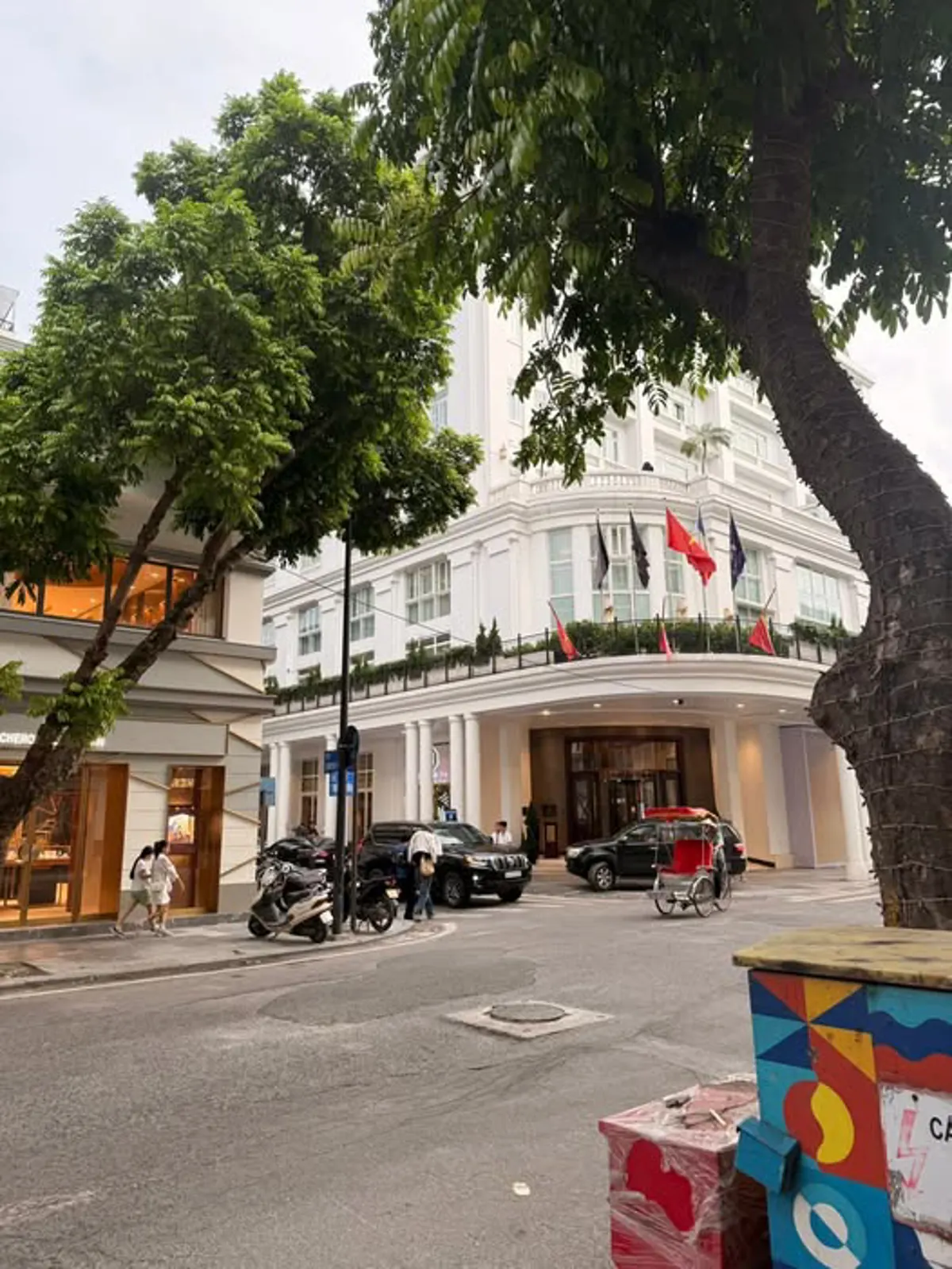
Hanoi is known for a concentrated variety of attractions, from centuries-old temples and colonial buildings to lively street-food culture. This guide outlines the most popular things to do in Hanoi, plus practical advice so visitors can plan time and routes efficiently.
What Hanoi is and why it matters
Hanoi is Vietnam's capital and a city with layered histories: imperial dynasties, French colonial rule and the events of the 20th century all left visible marks. Visitors report that these historical layers produce a cityscape where ancient shrines sit close to French-style boulevards and modern developments.
The city center is compact, which makes it easy to combine multiple sights in a single day. The Old Quarter and the area around Hoan Kiem Lake concentrate many of the classic attractions, while museums and cultural sites are grouped around Ba Dinh and nearby districts.
Key highlights and attractions
The Old Quarter is the most frequented neighbourhood for strolling, shopping and sampling street food. Its narrow lanes still follow the old system of trade-based street names and many small shops are family-run businesses that have been passed down for generations. Expect a dense mix of cafés, craft stores and small restaurants.
Hoan Kiem Lake is both a local meeting place and a focal point for sightseers; mornings often see groups practising tai chi and evenings can be quieter when traffic restrictions take effect on some nights. The lake is also home to Ngoc Son Temple on a small island reached by a red wooden bridge, an accessible short visit for many travelers. For more on visiting the lake and what to see nearby, see Hoan Kiem Lake.
Museums and memorial sites provide historical context about Vietnam and its people. Notable options include the Ho Chi Minh Mausoleum and the nearby One Pillar Pagoda, the Temple of Literature with its scholar steles, Hoa Lo Prison (often called the Hanoi Hilton), and specialised museums such as the Vietnamese Women’s Museum and the Museum of Ethnology.
Lakeside West Lake offers a quieter alternative to the Old Quarter and contains attractions such as Tran Quoc Pagoda on a small islet. Many visitors use West Lake for relaxed café stops, cycling and temple visits. For specific history and visitor details, see Tran Quoc Pagoda.
Markets and craft villages are central to Hanoi’s daily life. Dong Xuan Market is the largest indoor market near the Old Quarter and is organised by product type, making it easy to find clothing, household goods and food. On weekends a separate night market runs along several streets near the lake. For a broader overview of shopping in the city and what to buy, consult the guide to local markets.
Practical tips for visiting
Plan walking tours around the Old Quarter and Hoan Kiem Lake for short, compact days; many key sites are within easy walking distance of one another. Visitors often find that early morning and late afternoon are the most comfortable times for walking because of lower temperatures and less traffic.
Transport options include taxis, ride-hailing apps, motorbike taxis and a growing network of organised sightseeing services. For travellers who prefer hop-on, hop-off flexibility between dispersed sights, consider a city sightseeing bus for part of a day. Those who aim to visit craft villages, ceramic-makers or more distant sites may prefer arranged day trips or private transfer options.
- Carry small local currency notes for market purchases and food stalls.
- When visiting religious sites, dress respectfully—covered shoulders and knees are usually appropriate.
- Expect busy pedestrian streets; watch for scooters at intersections.
- If you plan specific museum visits, check opening days and posted hours—some attractions close on certain weekdays.
For craft-focused excursions such as ceramic workshops, Bat Trang village is a common choice close to Hanoi; several visitors combine a short workshop visit with shopping in village shops. For advice on visiting craft villages and arranging workshops, read the guide to traditional handicraft villages.
Cultural context and food experiences
Hanoi's food culture is a central part of any visit. Street vendors and small eateries offer regional dishes such as pho, bun cha and other local specialties; many travellers recommend sampling a range of items to understand the balance of flavours that defines Vietnamese cuisine. Egg coffee is a local speciality that has grown in popularity and is often available in long-established cafés.
Evening social life often centres on informal street-side drinking spots known as bia hoi corners. These areas are social hubs where locals and visitors sit on small plastic stools for draft beer and snacks. Those interested in more formal dining or rooftop views will find a growing number of higher-end bars and restaurants that offer panoramic cityscapes after dark.
- Try small-plate or street-food tours for a guided introduction to local dishes.
- If you want to learn to cook local recipes, look for classes that include a market visit to learn ingredient selection.
- Be mindful of food hygiene—opt for stalls with high turnover of customers for fresher items.
Who Hanoi suits and trip length advice
Hanoi is suited to travellers who enjoy history, museums, and food-focused exploration. The city accommodates a wide range of budgets, from low-cost street food and affordable guesthouses to boutique hotels and higher-end dining. Cultural travellers who appreciate museums and historic architecture will find many suited attractions within short distances.
For first-time visitors, 2–4 full days allow time for the Old Quarter, major museums, a lake walk, and at least one food-focused activity such as a cooking class or market tour. Those planning excursions to nearby destinations—Ninh Binh, Halong Bay or rural villages—may add extra days for day trips or overnight excursions; there are also practical rail and road connections to regional destinations for onward travel.
Comparisons and alternatives
Hanoi's appeal contrasts with Vietnam’s beach destinations and highland towns. Unlike coastal areas, the city offers dense cultural attractions and a street-life focus rather than long stretches of sand. It contrasts with mountain destinations where the draw is landscape and trekking.
If you have limited time, prioritise based on interests: history and museums, neighbourhood wandering and markets, or food and culinary experiences. For short itineraries, concentrate activities near Hoan Kiem Lake and the Old Quarter; for relaxed days, include West Lake or a guided museum day.
| Attraction | Type | Best for | Typical entrance fee (source) | Notes |
|---|---|---|---|---|
| Old Quarter | Historic neighbourhood | Walking, shopping, street food | Free | Narrow streets named for old trades; busy pedestrian traffic |
| Ngoc Son Temple / Hoan Kiem Lake | Temple / urban lake | Short visits, lake strolls | Ngoc Son: 30,000 VND | Lake opens early; tai chi commonly practised mornings; evening traffic restrictions on some nights |
| West Lake / Tran Quoc | Lake / pagoda | Relaxed cafés, temple photography | Free (Tran Quoc: no fee) | Good for cycling and quieter pace |
| Thang Long Citadel | World Heritage site | History and archaeology | 30,000 VND | UNESCO-listed ruins and excavation displays |
Frequently Asked Questions
What are the top must-see places in Hanoi?
Most visitors prioritise the Old Quarter, Hoan Kiem Lake and Ngoc Son Temple, the Temple of Literature, and several museums such as the Museum of Ethnology or the Vietnamese Women’s Museum. These provide a mix of neighbourhood atmosphere, history and cultural context.
When is the best time of day to explore the Old Quarter?
Early morning and late afternoon are often more comfortable for walking because of cooler temperatures and reduced traffic. Evenings are busy with food stalls and nightlife; visitors who want quieter streets may prefer early hours.
Are there easy day trips from Hanoi?
Yes. Popular nearby options include natural and cultural sites that can be reached by road or rail. For travellers planning onward journeys, there are several organised day trips and transport links available from the city.
Is Hanoi safe for solo travellers?
Hanoi is frequently visited by solo travellers. Common-sense precautions—watching personal belongings in crowded areas, agreeing fares or using ride-hailing services, and staying aware of traffic—apply. Visitors report that busy market streets and scooter traffic require attention when crossing roads.
How much time should I allow for food experiences?
Sampling street food can be done across short visits, but allowing a half day for a focused food tour or a full session for a cooking class with a market visit gives a deeper introduction to ingredients and techniques.








