
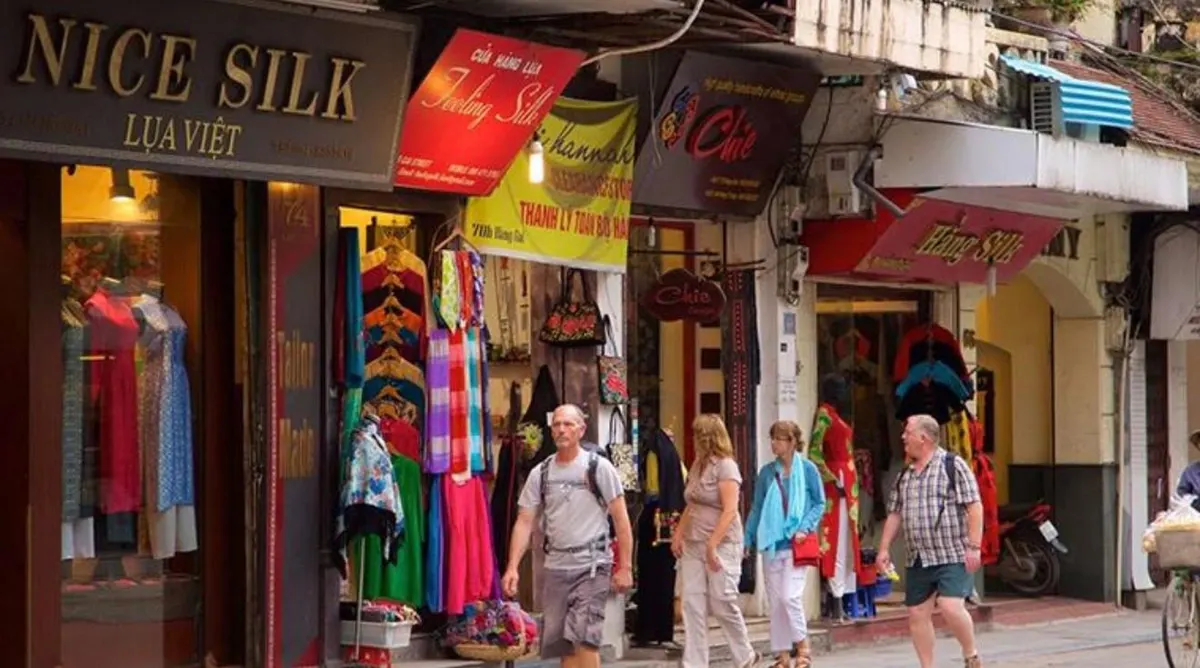
Hanoi, with its distinctive charm, draws many visitors each year, inspiring them to capture its essence through photography. This enduring appeal has led to a rise in motorbike and scooter rental establishments across the city. For those considering exploring Hanoi independently, a scooter or motorbike provides an accessible way to experience the capital and its surroundings. This article details why this mode of transport is favored and highlights several prominent rental locations to assist with trip planning.
Advantages of Exploring Hanoi by Motorbike
Opting for a scooter or motorbike in Hanoi can transform a trip into a truly personal experience. Unlike other forms of transit, two-wheeled vehicles offer a distinct way to engage with the urban environment. Hanoi and its adjacent areas feature numerous appealing routes, such as the expansive Phan Dinh Phung Street, Hoang Dieu Street, and Kim Ma Street, which can provide a sense of openness and adventure for riders.
Compared to other transportation options, motorbike rentals are often more economical. Most scooters feature designs that facilitate easy handling and convenient stops at various points of interest. Parking at the roadside is generally straightforward when visiting tourist sites by scooter. In contrast, traveling by car might involve navigating specific routes and potentially parking some distance from a desired destination, requiring additional walking time.
The climate in Hanoi frequently supports motorbike excursions. Spring and autumn are particularly suitable seasons for such journeys, offering mild and pleasant conditions. Experiencing the city's sights while feeling a gentle breeze on an autumn day is often cited as a highlight.
Hanoi's intricate street network includes many smaller lanes and alleys that are primarily accessible by motorbike. This allows travelers to easily reach local cafes, parks, and other less-traveled spots. It offers an opportunity to observe daily life firsthand, providing a more immediate connection to the city's rhythm than what might be experienced from a bus window. With a motorbike, visitors can freely pause and absorb the atmosphere, making for a more integrated travel experience.
Top Motorbike and Scooter Rental Services in Hanoi
Hanoi hosts a variety of establishments offering motorbikes and scooters for hire, catering to different preferences and travel plans. The following businesses are frequently mentioned for their services, with details on their offerings, locations, and contact information. Please note that operational details, pricing, and availability are subject to change, and verification with the provider is recommended.
| Rental Service | Address | Phone Number | Key Features |
|---|---|---|---|
| AZ Motorbikes | No. 55, Alley 76/35 An Duong Street, Tay Ho District, Hanoi | (+84) 984 916 785 (Call, Zalo, Whatsapp) | Fleet from 50cc to 1200cc, including scooters, semi-automatic, and manual bikes (Honda Wave, XR, CB 500X). Provides essential travel accessories, repair services, and purchases used bikes. |
| MOTOGO | 20 lane 28 Nguyen Kha Trac, Cau Giay, Hanoi; Số 1 Trang Tien, Phan Chu Trinh, Hoan Kiem, Hanoi | 0966.45.69.69 | New, imported vehicles (Yamaha Sirius 110cc, Honda Air Blade 125cc, Honda Vision) with full registration. Regular maintenance. Rentals include 2 helmets, raincoats, 1L gasoline. Long-distance automatic rentals receive free bags, straps, repair kit, reflective belt, and 3/4 helmet. |
| Happy Zip Motorbikes | 449-451 Hong Ha Street, Phuc Tan, Hoan Kiem, Ha Noi | (+84) 924.715.678 (Whatsapp or Facebook) | Offers modern manual motorbikes (Honda XR 150 cc, Win Detech, Honda Winner X) and automatic/semi-automatic scooters. Vehicles are inspected and include helmets, phone holders, USB chargers, locks, and luggage racks. Provides one-way rental service to Hue, Da Nang, Hoi An, or Ho Chi Minh City. |
| Tigit Motorbikes Hanoi | 173 Hoang Hoa Tham, Ba Dinh, Hanoi | (+84) 386.518.481 | Known for quality scooters and straightforward rental procedures. Provides helmets, gloves, and phone holders. Staff are responsive and attentive. Also operates in Da Nang, Da Lat, and Ho Chi Minh City. |
| Gia Hung Motorbike Rental | 41 Ngo Huyen, Hang Trong, Hoan Kiem, Hanoi | (+84) 93.634.5123 | Offers a selection of brands such as Airblade, Lead, Vespa, Fly, and Spacy. Prices typically range from 100,000 VND to 200,000 VND per day (verify current rates). Located near Hoan Kiem Lake. |
| Motorbike For Rent Hanoi | 72 An Duong, Yen Phu, Number 24, Tay Ho, Hanoi | (+84) 94.188.7868 | A well-known service for both local and international riders. Daily rental rates are approximately 120,000 VND (verify current rates). Requires a passport, driving license, and a security deposit for rental procedures. |
| Rent A Bike Hanoi | 15 Dang Thai Mai, Tay Ho, Hanoi | (+84) 904. 392. 423 | Praised for its welcoming and helpful staff who offer support with vehicles. Features a wide selection of scooters. Situated in the Tay Ho District, a common area for travelers. |
| Phung Motorbike | 13 Ngo Huyen, Hoan Kiem, Hanoi | (+84) 965.936.677 | Open daily from Monday to Sunday. Bikes are regularly inspected and maintained. Staff are described as outgoing and supportive. Offers reasonable pricing. Located in the Old Quarter, close to Hoan Kiem Lake. |
| Hanoi Easy Rider | No.6 To Tich Street, Hoan Kiem District, Hanoi | (+84) 975.874.987 | A recognized service for motorbike rentals for tours. Staff are available to assist with rental processes. Provides various motorbike brands and price points, allowing customers to choose based on preference. |
| Hanoi Motorbike Rental | 36 back door Nguyen Huu Huan Street, Hoan Kiem, Hanoi | (+84) 985.642.546 | Offers rentals for short, medium, and extended periods. Serves customers in Hanoi and facilitates travel to other parts of Vietnam. Staff provide guidance for safe travel and are available for quick assistance if issues arise during a trip. |
Essential Considerations for Renting a Motorbike in Hanoi
While exploring Hanoi by scooter can be highly rewarding, travelers should be mindful of several factors to ensure a smooth and enjoyable experience. Before finalizing a rental, it is important to confirm the required documentation. Typically, a passport and a valid driving license (an international driving permit is often recommended) are necessary. Many rental companies also require a security deposit.
It is always advisable to thoroughly inspect the motorbike or scooter before accepting it. Check the brakes, lights, tires, and overall condition. Understanding local traffic customs and regulations is also crucial, as Hanoi's roads can be busy. For managing your funds while in the capital, understanding banking options in Hanoi is also beneficial. Weather conditions play a significant role in motorbike travel; spring and autumn generally offer the most pleasant temperatures for riding. Utilizing navigation applications on your phone can be very helpful for finding routes and destinations. While solo travel by motorbike is possible, some visitors find traveling with a group or companion enhances the experience.
Navigating Hanoi's Streets and Attractions by Motorbike
A motorbike or scooter provides unparalleled freedom to navigate Hanoi's diverse landscapes, from its historic core to its quieter outskirts. The areas around Hoan Kiem Lake and the Old Quarter are excellent starting points for exploration, offering a concentration of cultural sites, eateries, and local shops. From these central locations, it is easy to branch out and discover other parts of the city.
With a motorbike, you can spontaneously stop to sample street food, visit a local market, or simply observe daily life. This mobility allows for a deeper engagement with the city's character. As you traverse the city, you might also consider what unique purchases from Vietnam you wish to acquire. The flexibility of a motorbike means you can tailor your itinerary on the fly, responding to new discoveries and personal interests, making each journey through Hanoi distinct.
Frequently Asked Questions
Can I ride a motorbike in Hanoi without a Vietnamese driving license?
Foreigners often need an International Driving Permit (IDP) along with their national driving license to legally ride a motorbike in Vietnam. However, regulations can be complex and are subject to change. It is always best to verify current requirements with the rental company and local authorities before your trip.
What documents are typically required to rent a motorbike in Hanoi?
Most rental services will ask for your passport and a valid driving license. Some may also require a security deposit, which can be a cash amount or holding your passport for the rental period. Always clarify these requirements with the rental provider in advance.
What is the average cost of renting a scooter in Hanoi?
The daily rental cost for a scooter in Hanoi typically ranges from 100,000 VND to 200,000 VND, depending on the scooter model, rental duration, and the specific company. Prices may vary, so it is advisable to compare options and confirm current rates directly with rental services.
Which seasons are best for motorbike travel in Hanoi?
Spring (March to April) and autumn (September to November) are generally considered the most favorable seasons for motorbike travel in Hanoi. During these periods, the weather is often temperate and pleasant, with less rain and humidity compared to summer, and milder temperatures than winter.
Is it possible to rent a motorbike for a one-way trip from Hanoi to another city?
Some rental companies, such as Happy Zip Motorbikes mentioned in this guide, offer one-way rental services, allowing you to pick up a motorbike in Hanoi and drop it off in other major Vietnamese cities like Hue, Da Nang, Hoi An, or Ho Chi Minh City. This service typically incurs an additional fee, and availability should be confirmed directly with the rental provider.








