
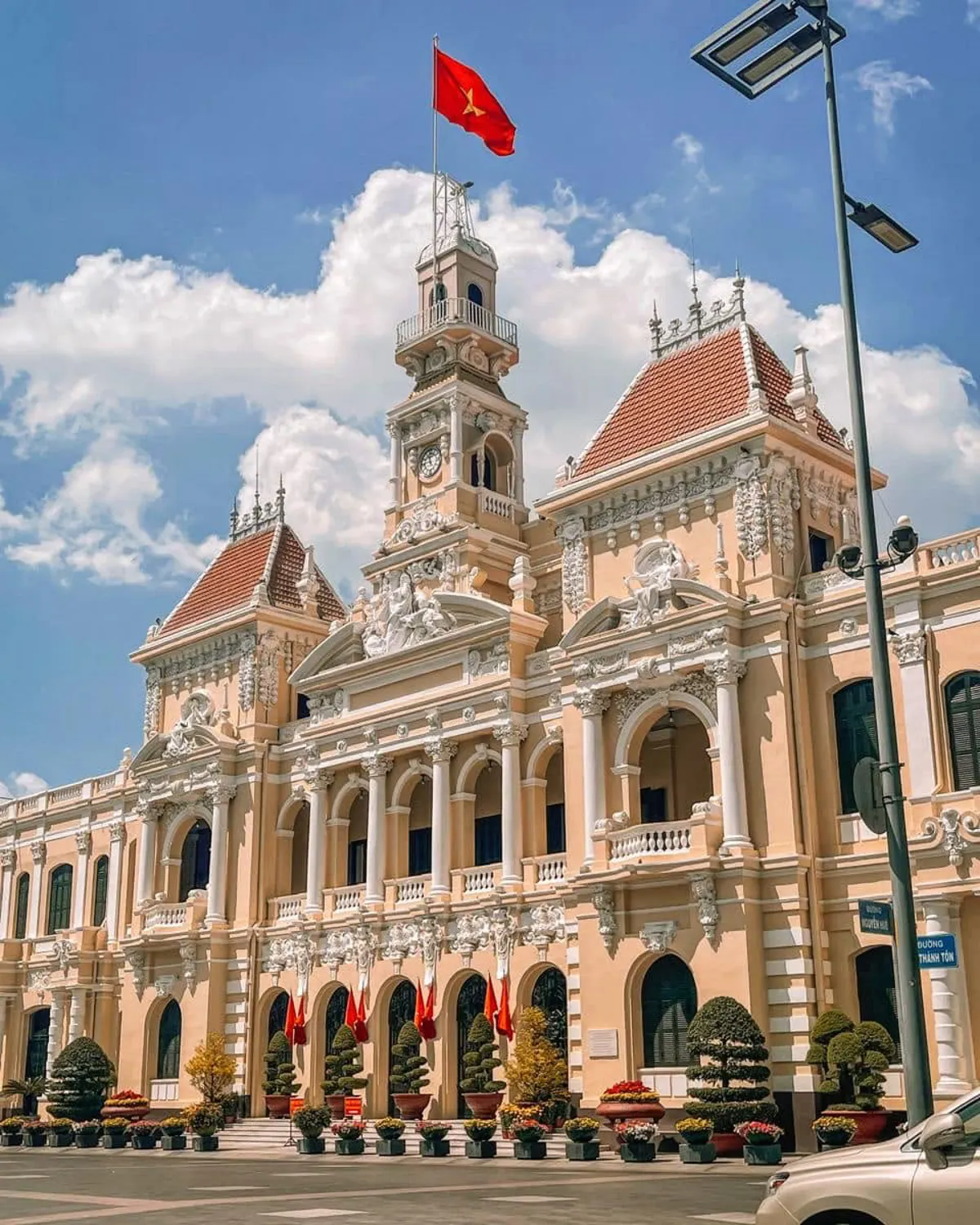
Ho Chi Minh City’s top attractions include colonial-era landmarks, bustling markets and history-focused museums that reflect the city’s complex past and lively street culture. This article explains what to expect at the main sights, practical visiting notes, and who should prioritise each stop.
What the top attractions in Ho Chi Minh City are and why they matter
The city’s most visited places range from European-influenced architecture to wartime exhibits and underground networks used during conflict. Together they provide a cross-section of Saigon’s development over the 19th and 20th centuries and show how the urban core blends commerce, religion and memory.
Major names to know include the cathedral and the adjacent Central Post Office, the former presidential residence, the large daytime market at Ben Thanh, museums with art and wartime collections, the historic Chinatown district, and the Cu Chi tunnel complex on the city’s outskirts. Many of these sites sit within Districts 1 and 3, making them relatively easy to combine in a short itinerary.
Key highlights and what makes each attraction notable
The cathedral built in the late 19th century is one of the most visible colonial-era buildings in central Ho Chi Minh City; its red-brick façade and twin towers are familiar landmarks. Visitors report that the site has been under extensive restoration since mid-2017, and public access may be limited at times while regular masses continue.
Nearby, the Central Post Office is a large historic building from the same period with a mix of architectural influences. It still functions as a post office while drawing interest for its decorative interiors and period fittings. Also close by, the Independence Palace (often called Reunification Palace) preserves a 1960s modernist interior, public rooms and a bunker level that houses wartime equipment and historical displays.
- Ben Thanh Market — a long-standing retail hub offering food, textiles and souvenirs; lively both day and night.
- War Remnants Museum — a museum focused on wartime documentation and exhibits, with indoor displays and large military hardware outdoors.
- Cu Chi Tunnels — an extensive subterranean network about 70 km outside the city; visitors can explore reconstructed sections.
- FITO Museum and Fine Arts Museum — smaller specialist museums illustrating traditional medicine and Vietnamese visual arts respectively.
- Cho Lon (Chinatown) — a district with historic Chinese temples, traditional markets and distinct cultural architecture.
Practical tips for visiting the main sites
Many of the central attractions have modest admission fees or are free to view from outside. Opening hours vary: for example, the Central Post Office typically opens early and closes in the evening, while museums generally follow daytime schedules with a midday closure at some sites. Check current hours before you travel because schedules can change.
When touring multiple attractions, group those in District 1 and District 3 together to minimise transit time. For a compact plan that covers the city’s key sights across a few days, travellers may find a concise multi-day schedule helpful; see the suggested three-day plan for a compact approach.
- Carry small change for market bargaining and small museum fees.
- Dress respectfully if you plan to enter places of worship or attend services.
- Wear comfortable shoes for walking; some historic sites include uneven floors or staircases.
- For Cu Chi, expect dusty conditions in areas with tunnel demonstrations and choose appropriate clothing.
Cultural context: how these attractions fit into local life
The city’s markets and religious sites remain active parts of daily life for residents as well as points of interest for visitors. Ben Thanh and other markets are still places where locals buy produce and goods, even though certain sections now cater heavily to tourists. A deeper look at local trading patterns can be found in resources about the city’s retail scene; for a broader list of markets, see local markets.
Museums and memorials present perspectives shaped by the city’s history; some exhibits are graphic and may be distressing for younger viewers. In many cases these sites are used for education and remembrance as much as for public exhibition. Respectful behaviour is expected at memorials, and visitors often find that reading accompanying descriptions adds important context to what is on display.
- Expect lively street vendor activity around markets in the evenings.
- Temple visits usually require removed shoes and modest attire.
- Photography rules can differ between sites—look for on-site guidance.
Who each attraction suits and how to prioritise
History and museum enthusiasts will likely prioritise the Independence Palace, the War Remnants Museum and the Cu Chi tunnels for their archival material and wartime context. Those more interested in architecture and colonial history may favour the cathedral, the Central Post Office and the Fine Arts Museum.
Food-focused visitors and shoppers often spend time at Ben Thanh and at markets across the city; nightlife and evening markets offer different experiences after dark, so those who enjoy evening activity should consult guides to the city’s evening life. Families planning visits with children should note that some museum displays may be disturbing; plan accordingly and review content warnings at each attraction.
- Short-stay visitors: concentrate on District 1 landmarks and a market evening.
- History-focused travellers: allow time for museums and an outside-city trip to Cu Chi.
- Food and shopping fans: combine daytime market browsing with street food in the evening.
Comparisons and alternatives: which sites deliver which experience
Each site offers a distinct focus—architectural detail, wartime history, traditional culture, or commercial energy. Below is a quick comparison to help decide which locations match personal interests and time available.
| Attraction | Type | District / Location | Typical hours | Admission (as reported) |
|---|---|---|---|---|
| Saigon Notre Dame Cathedral | Religious / Architecture | District 1 | Variable (under restoration) | Free to view from outside |
| Saigon Central Post Office | Historic building / Service | District 1 | Daily 7:00 AM – 7:00 PM | Free |
| Independence Palace | Museum / Historic residence | District 1 | 7:30 AM–11:00 AM; 1:00 PM–4:00 PM | 40,000 VND (adult) |
| Ben Thanh Market | Market / Food | District 1 | Early morning–midnight | Free |
| FITO Museum | Specialist museum | District 10 | 8:30 AM – 5:00 PM | 120,000 VND (adult) |
| Cho Lon (Chinatown) | Cultural district | District 5 | Daily | Free |
| Fine Arts Museum | Art museum | District 1 | 8:00 AM – 5:00 PM | 30,000 VND (adult) |
| War Remnants Museum | History museum | District 3 | 7:30 AM – 4:30 PM | 40,000 VND (adult) |
| Cu Chi Tunnels | Historic site / Outdoor | Cu Chi District (~70 km) | 7:00 AM – 5:00 PM | 110,000 VND (adult) |
Frequently Asked Questions
Is it possible to visit most central attractions in a single day?
It is technically possible to see several District 1 and District 3 sites in a day, such as the cathedral, post office, Independence Palace and a museum, but that schedule will be rushed. Many visitors prefer to split these into two days to allow time for markets and relaxed meals.
Are any attractions closed for renovation or restricted?
Some historic structures may be undergoing repairs or restoration. For instance, the cathedral has been under extensive work since mid-2017 and public access can be limited; visitors report that masses still occur but access may be restricted for safety. Always check current visitor information before arrival.
What should I wear when visiting religious sites and museums?
Modest clothing is recommended at religious sites—covering shoulders and avoiding very short bottoms. For museums and historic buildings, comfortable footwear is advised because many venues have stairs or uneven surfaces.
How far is Cu Chi from the city and how long should I allocate?
The Cu Chi tunnels site is about 70 km northwest of central Ho Chi Minh City. Plan a half-day trip at minimum; many organised visits occupy most of a morning or afternoon because of travel time and on-site activities.
Are markets safe for tourists and are prices fixed?
Markets are generally safe but busy; keep an eye on belongings in crowded areas. Prices in tourist-focused stalls are often negotiable, so many travellers haggle for a better deal. For a broader overview of market options across the city, consult local market guides that list multiple venues and their specialties.








