
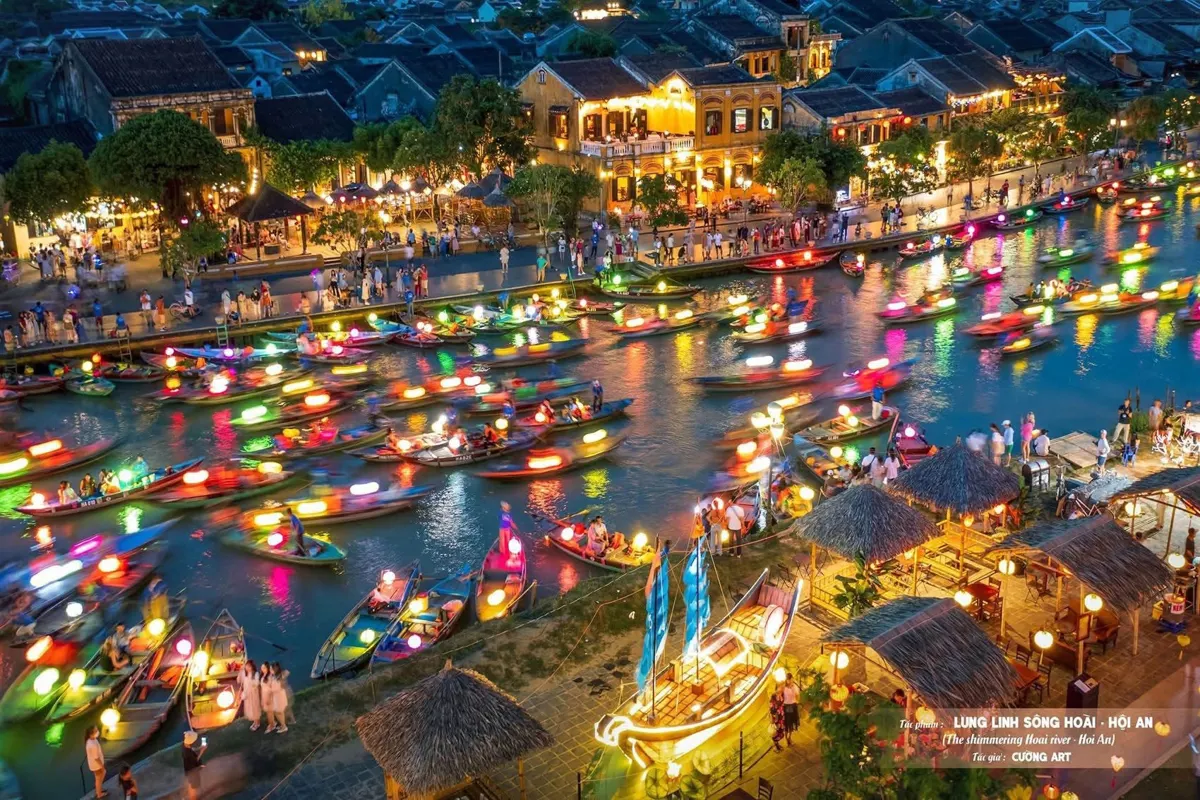
Visiting Vietnam during its monsoon period might not initially seem like the ideal time for a vacation. However, understanding the country's diverse climate and preparing appropriately can transform this perception. While heavy rainfall is a possibility, travelers can still engage in numerous interesting activities and enjoy a distinct perspective of Vietnam. With careful planning, smart location choices, and adequate preparation, a memorable journey is entirely achievable.
Understanding Vietnam's Rainy Season by Region
Vietnam's weather patterns vary significantly across its different geographical areas, meaning the timing and characteristics of the rainy season are not uniform nationwide. Below is an overview of the monsoon periods in the country's three main regions.
Northern Vietnam
In northern Vietnam, the period from May through October typically experiences its rainy season, coinciding with summer and early autumn. This time is characterized by hot, sunny conditions, with temperatures generally ranging from 28°C to 38°C, occasionally peaking at 40°C, making it the warmest rainy season across the country. The average monthly rainfall in this region during these months is approximately 300 mm. The northern monsoon usually lasts between two and three weeks, with the most intense rainfall occurring from July to October. However, lighter, unexpected showers can occur outside these peak times. In May, residual spring weather can bring gentle drizzles that help alleviate the heat. During summer, from July to September, downpours are often brief and intense, lasting about half an hour. By autumn, rainfall can extend for up to 30 days.
Central Vietnam
Central Vietnam experiences a more complex monsoon pattern due to differing climatic influences from the east and west. The coastal plains generally see their rainy season from September to December. In contrast, the mountainous areas of the central region encounter rain earlier, from May to August. This period often brings severe storms that can lead to flooding, which may disrupt outdoor sightseeing activities. In some instances during the rainy season, local transportation might involve small boats, offering a unique travel experience. Specifically, cities like Hue and Nha Trang receive significant rainfall between September and December, while Da Nang and Hoi An typically experience heavy precipitation from October to December. It is common to observe flooding scenes towards the end of the year, where residents navigate by boat to reach their destinations.
Southern Vietnam
Southern Vietnam's rainy season generally extends from April to September or October. The months of June, July, and August record the highest rainfall levels, with an average of about 11 inches per month, surpassing other regions during their respective wet periods. Despite the higher volume, rainfall in southern Vietnam is usually heavy but brief, seldom lasting longer than three hours, which minimizes its impact on travel plans. A practical suggestion for those visiting southern Vietnam during this season is to schedule excursions to sites like the Cu Chi Tunnels for the morning, as rain often begins in the afternoon.
Advantages of Visiting During the Monsoon
For travelers considering a trip to Vietnam during the rainy season, there are several distinct benefits that can enhance the experience.
Firstly, this period often presents opportunities for more economical travel. With fewer tourists, accommodation, tours, and other services are frequently available at more reasonable rates. This allows visitors to enjoy quality services without the peak season price tag, making a comfortable trip more accessible for families and individuals.
Secondly, the rainy season provides a unique window into local life and offers exceptional photographic opportunities. Observing how residents adapt to the weather can reveal authentic cultural insights not typically seen during drier months. The rain can also create a distinctive atmosphere, particularly around historical sites and old streets, offering a different aesthetic for photography enthusiasts. The capital's ancient quarter, along with areas in Hoi An and Da Nang, are often described as having a special charm under the rain.
Activities Suitable for Wet Weather
Even with rain, Vietnam offers a variety of engaging activities that can be enjoyed indoors or in ways that are less affected by precipitation.
Exploring the country's rich architectural heritage is an excellent option. Religious and cultural structures such as churches, pagodas, and mausoleums provide shelter while offering profound insights into Vietnamese history and artistry. Each region presents its own set of significant sites worth investigating. For instance, in northern areas like Sapa, visitors might consider taking the cable car up Mount Fansipan, which offers views regardless of light rain, or exploring local markets.
For those with an interest in culinary arts, participating in a Vietnamese cooking class is an ideal rainy-day activity. These classes provide a hands-on experience in preparing traditional dishes, often starting with a visit to a local market to gather fresh ingredients. This not only teaches cooking skills but also offers a chance to interact with local chefs and fellow participants, fostering cultural exchange. Learning to bargain at local markets can also be part of this authentic experience.
Essential Packing and Preparation Advice
Thorough preparation is key for a comfortable journey during Vietnam's rainy season. Here are some practical tips:
- Monitor Weather Forecasts: Always check the weather predictions carefully before and during your trip to anticipate rainfall.
- Rain Gear: Carry umbrellas or a lightweight raincoat at all times, as showers can begin unexpectedly. This helps prevent discomfort and potential illness.
- Appropriate Clothing and Footwear: Pack simple, quick-drying clothes. Slippers or waterproof sandals are often more practical than shoes, as they handle wet conditions better and are commonly worn by locals.
- Waterproof Bags: Use a waterproof backpack or cover for your luggage to protect belongings. A clear, sealable bag is essential for important documents like passports, identity cards, and visas to keep them dry.
- Personal Medications: It is advisable to carry basic medications for common ailments like colds or headaches, especially for those sensitive to weather changes.
- Insect Repellent: The humid conditions during the rainy season can lead to an increase in insects, so an effective repellent is highly recommended.
While the rainy season presents certain challenges, it also offers a unique and often more tranquil way to experience Vietnam. The reduced tourist crowds can lead to more intimate encounters with local culture and more favorable pricing, making it an appealing time for many travelers.
Frequently Asked Questions
Is it advisable to visit Vietnam during the rainy season?
Yes, visiting Vietnam during the rainy season can be a rewarding experience. While rain is expected, it often comes in short, heavy bursts, particularly in the south, allowing for plenty of clear time. This period also offers advantages like fewer crowds and potentially lower travel costs.
Which regions in Vietnam have the longest rainy periods?
Central Vietnam, particularly its coastal plains, can experience prolonged rainy periods from September to December, sometimes leading to significant flooding. Northern Vietnam's autumn rains can also last for extended durations.
What are the best activities for a rainy day in Vietnam?
Excellent rainy-day activities include exploring historical temples and pagodas, visiting museums, participating in Vietnamese cooking classes, enjoying local coffee shops, and shopping for unique local products in covered markets or boutiques.
How can I minimize the impact of rain on my travel plans?
To minimize impact, check daily weather forecasts, pack essential rain gear (raincoat, umbrella), wear quick-drying clothing and waterproof footwear, and keep important documents in waterproof pouches. Planning indoor activities or morning excursions for outdoor sites can also be beneficial.
Are floods common during Vietnam's rainy season?
Flooding can occur, especially in Central Vietnam during its peak rainy months (September-December), and occasionally in other regions after particularly heavy or prolonged rainfall. Travelers should monitor local news and advice, especially if planning to visit flood-prone areas.








