
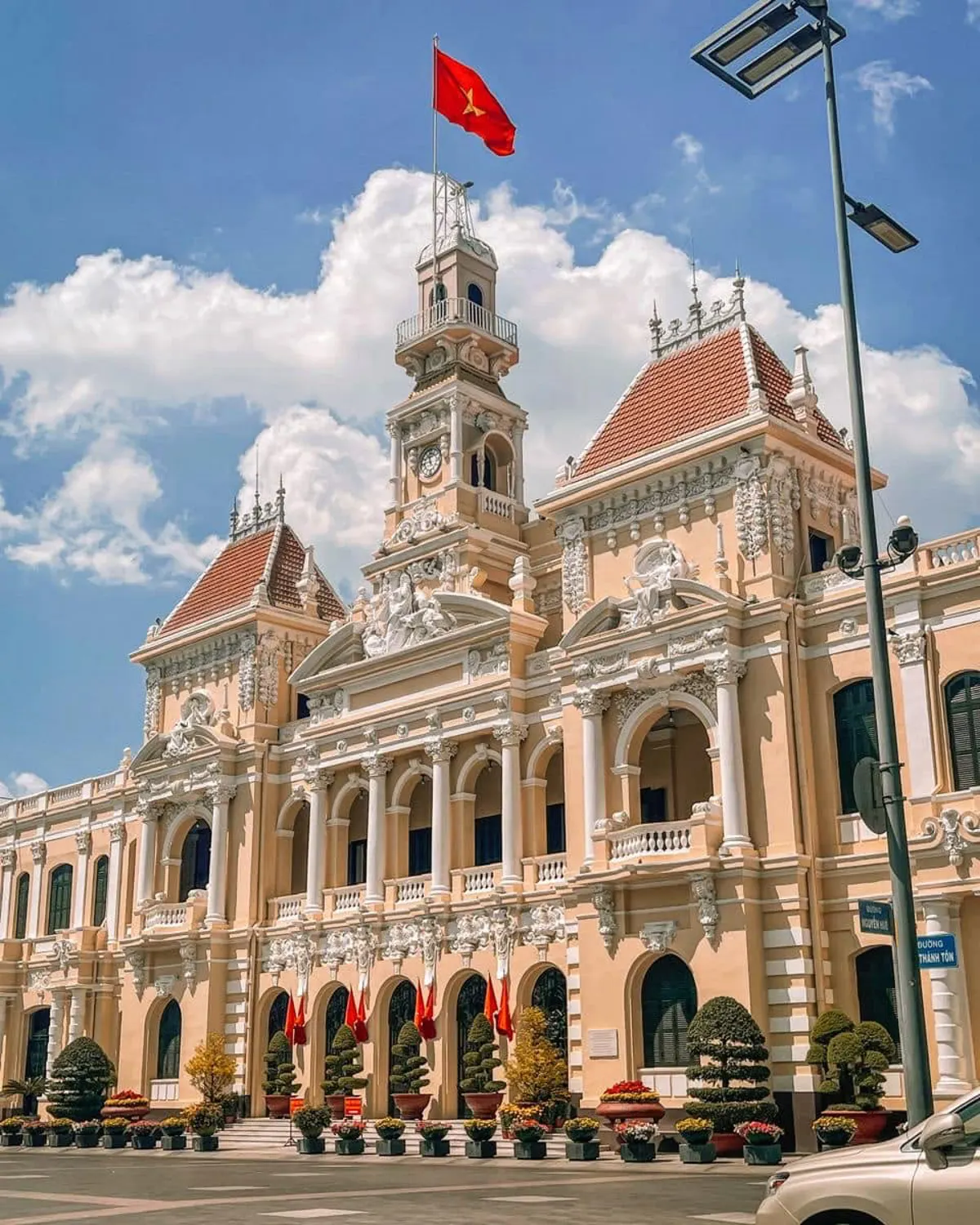
If you want quick guidance on places to eat in Ho Chi Minh City, this article lists five well-known options that cover Japanese, Korean, international fast food, a bar-restaurant, and a Southern Vietnamese specialty. Each entry includes practical details (address, opening hours, typical price range) so you can plan where to go.
What the selection covers and local food scene background
This set of five eateries highlights the range of dining choices available across Ho Chi Minh City: from sushi counters to Korean grills, multinational fast-food chains, a Western-style bar with large burgers, and a specialist shop for the southern pancake known as bánh xèo. The choices come from multiple districts, notably District 1, District 7 and Bình Thạnh, showing how varied options are across the urban area.
The city’s food scene mixes local specialties and international cuisines; visitors and residents alike report a high level of variety. If you are arranging a longer Vietnam trip that pairs city meals with coastal or rural stops, consider consulting a sample two-week Vietnam itinerary to balance urban dining and regional tastes.
Key highlights of each restaurant
Sushi 88 is positioned near Sunrise City and is frequently recommended by those who enjoy Japanese-style dishes. The menu includes maki, sashimi, nigiri and combo platters alongside cooked items such as fried steak. The original listing notes economy-minded pricing, with many items priced around $2, and that the restaurant is closed on the first Monday of every month. Address details: 43 - 45 Nguyen Thi Thap, KDC Himlam, Tan Hung Ward, District 7. Opening hours: 5:00 pm - 10:00 pm.
Kwan Korean Casual Dining operates in the Phu My Hung area and is described as popular with both Korean and Western diners. Typical offerings include tteokbokki, grilled meats, kimchi and mixed rice dishes. The source lists a menu range between $5 and $15 and notes that the restaurant emphasizes a pronounced Korean flavor profile and attentive service. Address: R1 - 73, Noi Khu Hung Gia 4 Street, Tan Phong Ward, District 7. Opening hours: 9:00 am - 01:30 pm.
- Typical Sushi 88 notes: closed first Monday of the month; affordable sushi options.
- Kwan Korean tips: popular grilled items and imported Korean beef cited; consider sharing dishes.
Burger King appears across major shopping centers and is familiar to many international travelers. The chain is noted for standard menu items such as the Whopper and variations with chicken or beef; the source mentions Australian beef as the supplier for patties. A representative branch address is 74 - 76 Pham Hong Thai, District 1, with opening hours of 10:00 am - 10:00 pm and a price band near $2 - $5 per item.
Black Cat Restaurant functions as both a bar and dining spot and has been singled out for its large-format hamburgers targeted at Western palates. Reported customer feedback highlights fresh vegetables and substantial sauces; sample fillings mentioned include meatballs, cheese, bacon and mackerel. Address: 13 Pham Van Dat, Ben Nghe Ward, District 1. Opening hours: 9:00 am - 10:00 pm. Reference price: $4 - $8.
Bánh Xèo A Phú is listed as a specialist for the southern Vietnamese pancake, bánh xèo, prepared in a Saigon-style regional recipe. It is described as a good place to try this southern dish in the city. Address: 463 Le Quang Dinh, Binh Thanh District. Opening hours: 8:00 am - 10:00 pm. Reference price: $1 - $2.
Practical tips for visiting these restaurants
Most travelers find it helpful to check opening hours before going, since local schedules can vary and some restaurants close on particular days of the month. Payment methods vary by venue; many casual restaurants accept cash and cards, but smaller stalls or specialist shops may prefer cash. Language at these venues is commonly Vietnamese, though staff in places serving international customers often understand basic English.
Consider timing your visit to avoid peak dining periods: weekday lunchtimes and weekend evenings are typically busier. For broader seasonal planning across Vietnam (which can affect travel between cities and the coast), consult guidance on when to visit Vietnam to match your itinerary to climate patterns.
- Bring local currency for small purchases and tips.
- Ask staff about spice levels and ingredient sourcing if food safety or allergies are a concern—visitors report that many restaurants will explain dishes on request.
- Share grilled or large-format dishes to sample more items without overspending.
Cultural context and dining norms in Ho Chi Minh City
Dining in Ho Chi Minh City combines communal eating styles with international influences. Traditional Vietnamese practices often involve shared plates, fresh herbs, and dipping sauces at the table. Bánh xèo is an example of a regional street-food dish adapted for sit-down service in urban restaurants—diners typically wrap pancake pieces in lettuce or herbs and dip them in fish sauce-based condiments.
The city also supports expatriate and tourist communities, which helps sustain Korean, Japanese and Western restaurants that cater to varied tastes. When ordering in a Korean or Japanese restaurant, menus may include imported ingredients (the source highlights imported Korean beef at one venue and Australian beef used by a fast-food chain), which some diners seek out for authenticity.
Who each spot suits
Sushi 88 appeals to people seeking affordable Japanese-style sushi without the premium price tag often found at specialist sushi bars. Kwan Korean Casual Dining is best for diners wanting pronounced Korean flavors and shared grilled dishes—visitors who enjoy social meals and stronger seasoning are likely to appreciate it.
Burger King is suitable for travelers who prefer familiar fast-food options or are traveling with children who want predictable menu items. Black Cat Restaurant attracts guests looking for large, hearty hamburgers in a bar-and-restaurant environment, and bánh xèo at A Phú is aimed at those who want to sample a southern Vietnamese specialty in a casual setting.
- Families: Burger King and Black Cat offer familiar, filling options.
- Korean cuisine fans: Kwan Korean Casual Dining prioritizes Korean-style dishes and ingredients.
- Budget-conscious diners: Sushi 88 and Bánh Xèo A Phú include many low-cost choices.
Comparisons and alternatives
Below is a quick table comparing the five locations by cuisine type, neighborhood, typical price bracket and opening hours so you can weigh which matches your plans and budget.
| Restaurant | Cuisine | Neighborhood / District | Typical price | Opening hours | Best for |
|---|---|---|---|---|---|
| Sushi 88 | Japanese / Sushi | District 7 (near Sunrise City) | Around $2 per item | 5:00 pm - 10:00 pm (closed first Monday of every month) | Budget sushi |
| Kwan Korean Casual Dining | Korean | Phu My Hung, District 7 | $5 - $15 | 9:00 am - 01:30 pm | Grilled dishes and Korean flavors |
| Burger King | International fast food | District 1 (multiple branches) | $2 - $5 | 10:00 am - 10:00 pm | Familiar fast food |
| Black Cat Restaurant | Bar & Western-style burgers | District 1 | $4 - $8 | 9:00 am - 10:00 pm | Large burgers, bar atmosphere |
| Bánh Xèo A Phú | Southern Vietnamese pancake | Bình Thạnh District | $1 - $2 | 8:00 am - 10:00 pm | Local specialty, budget |
Frequently Asked Questions
Are these restaurants suitable for first-time visitors to Saigon?
Yes. The selection covers a range of familiar international options and local specialties, making them useful starting points for travelers new to the city. Visitors report these spots are straightforward to access from central neighborhoods.
Do these venues accept credit cards?
Payment methods vary by establishment. Chain locations such as Burger King commonly accept cards, while smaller or specialist eateries may prefer cash. It’s advisable to carry some Vietnamese đồng when visiting casual or market-style places.
Is it customary to tip in Ho Chi Minh City?
Tipping is appreciated in many restaurants but not always expected. Small discretionary tips for good service are common in venues that cater to tourists, while more local-focused places may not expect a tip.
How spicy are the dishes at these restaurants?
Spice levels differ by cuisine. Korean dishes can be noticeably spicy, though many restaurants will adjust heat on request. Vietnamese dishes such as bánh xèo are typically mild; diners can add chili or sauces at the table to suit their taste.
Where can I find more recommendations for travel planning in Vietnam?
For seasonal planning and broader itinerary ideas that combine city dining with other regions, consider looking at guides on when and where to travel in Vietnam, which cover climate and recommended travel windows.








