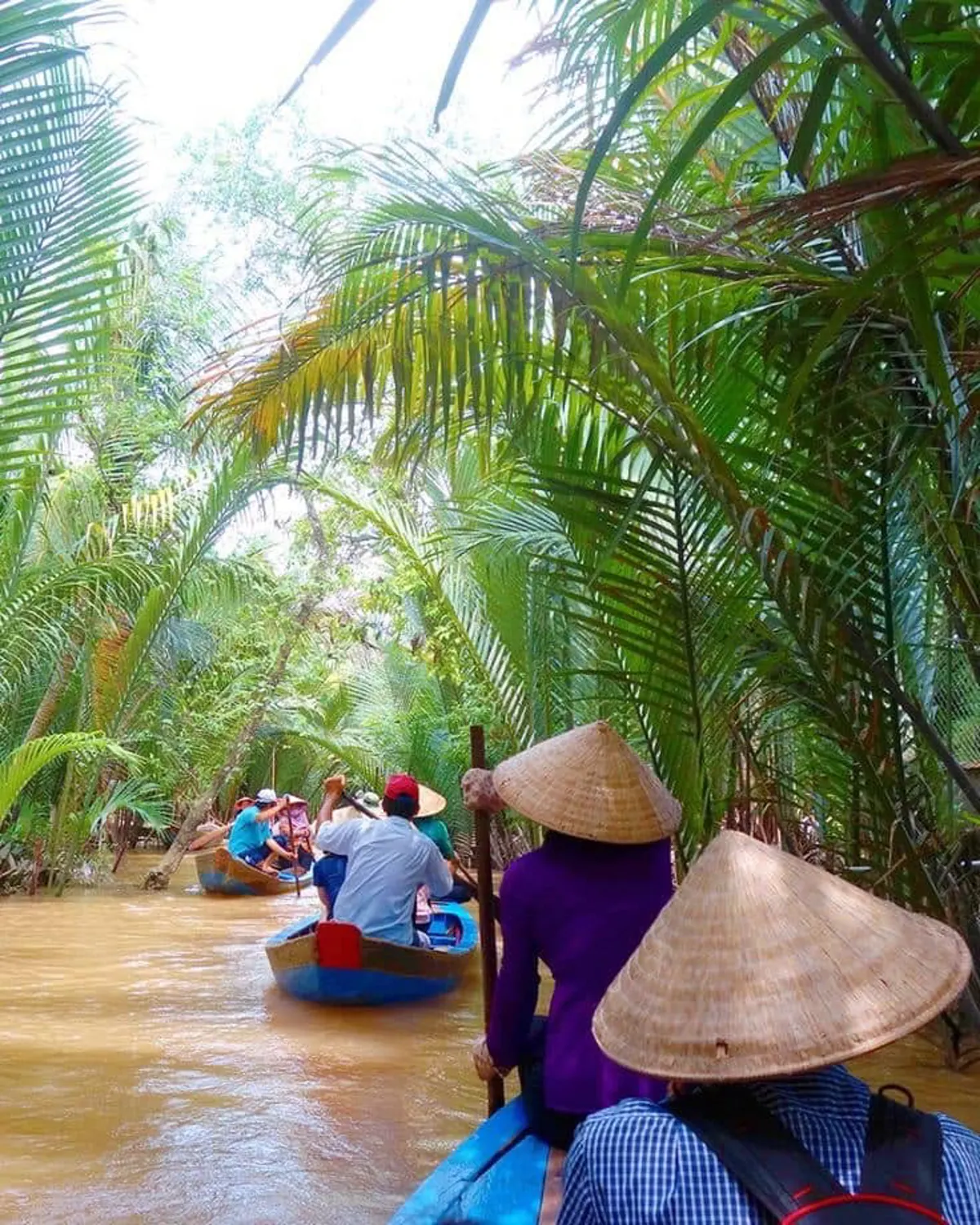
A comprehensive exploration of Cambodia can be achieved within a two-week timeframe, allowing visitors to experience its historical depth, cultural heritage, and natural beauty. This itinerary focuses on key destinations including Phnom Penh, the nation's capital; Siem Reap, home to the iconic Angkor temples; and the southern coastal city of Sihanoukville, offering a blend of city life, ancient wonders, and seaside relaxation.
Planning Your 14-Day Cambodian Adventure
A fourteen-day visit provides ample opportunity to delve into Cambodia's primary attractions. The journey typically begins in Phnom Penh, transitions to Siem Reap for its world-renowned archaeological sites, and concludes with several days of leisure along the southern coastline. This structure allows for a balanced experience, moving from urban exploration and historical reflection to ancient marvels and finally, coastal tranquility.
Travel between these major hubs involves a combination of bus services and private transfers, designed to optimize travel time while offering glimpses of the Cambodian landscape. Accommodation generally involves hotel stays in each city, with specific check-in and check-out times to consider during planning.
Exploring Phnom Penh: Capital City Highlights
The Cambodian capital, Phnom Penh, serves as the initial point of arrival for many travelers. Situated at the confluence of the Mekong, Bassac, and Tonle Sap rivers, the city presents a mix of historical sites and contemporary life.
Upon arrival at Phnom Penh airport, travelers are typically met and transferred to their city center hotel. Standard hotel check-in is generally available after 14:00. The second day in Phnom Penh is dedicated to exploring significant landmarks:
- Morning Cruise to Silk Island: Beginning at 08:00, a shared cruise departs for a 3.5-hour journey to Silk Island, a center for Cambodian silk production since the 13th century. This experience includes a visit to a silk farm and a pagoda at Prek BongKong, alongside a BBQ lunch, fresh fruits, and complimentary beer and soft drinks on board. The cruise concludes around 12:00.
- Afternoon City Tour: Commencing at 16:00 for approximately three hours, this tour covers several key locations. The Royal Palace, a complex of buildings serving as the royal family's residence and a venue for state ceremonies since 1866, is a central feature. Within its grounds lies the Silver Pagoda, known for its collection of monuments and ornamental gardens, together forming a symbolic architectural complex. The tour also includes the Tuol Sleng Genocide Museum, a former high school converted into Security Prison S21 during the Khmer Rouge rule (1975-1979), which held an estimated 17,000 to 20,000 individuals. The Russian Market, a large local marketplace, is another stop, offering a glimpse into daily commerce.
Phnom Penh also offers a diverse culinary scene, from traditional Khmer dishes to international options, providing ample choices for evening meals. For more detailed information on local cuisine, consider consulting a dining guide to Phnom Penh.
Siem Reap's Ancient Wonders and Cultural Experiences
Following the capital, the journey continues to Siem Reap, a city renowned for its proximity to the Angkor Archaeological Park. The transfer from Phnom Penh to Siem Reap is typically by Mekong Bus, covering approximately 314 kilometers over a 6-hour drive. Upon arrival, visitors check into their hotel and prepare for several days of exploring ancient temples and cultural sites.
Angkor Thom and Angkor Wat Exploration
The exploration of Siem Reap's ancient sites begins with a visit to the World Heritage Site of Angkor Thom. Key features include:
- South Gate of Angkor Thom: Famous for its massive stone faces.
- Bayon Temple: Situated at the center of Angkor Thom, this temple is distinguished by 54 towers, each adorned with sculptures of the Lokesvara deity, symbolizing divine observation.
- Royal Enclosure and Phimeanakas: Phimeanakas, a Khleang-style Hindu temple from the late 10th century, was later rebuilt as a three-tiered pyramid. Legend suggests the king spent his first watch each night with a Naga serpent deity here.
- Elephant Terrace and Terrace of the Leper King: These terraces feature intricate carvings and historical significance.
The itinerary then proceeds to Ta Prohm, a temple known for its integration with the surrounding jungle, where giant fig and kapok trees intertwine with ancient stonework, a setting popularized by films. The architectural masterpiece of Angkor Wat is the next major stop. This expansive monument features numerous galleries, columns, libraries, pavilions, courtyards, and reflective ponds. Depending on weather and season, a sunset viewing opportunity may be available. The day typically concludes around 17:30, with a return to the hotel in Siem Reap.
Remote Temples and Floating Villages
Day five involves an excursion to more remote temple sites. Starting at 08:30, the journey heads northeast of Siem Reap to Beng Mealea temple, approximately 65 kilometers away. Built by Jayavarman VII in a style similar to Angkor Wat, Beng Mealea is a large-scale complex, spanning over one square kilometer within its moat. Though appearing as a collection of ruins partially concealed by trees, its ancient Khmer architecture becomes apparent upon closer inspection.
The tour continues to Koh Ker, which briefly served as the capital of the Khmer Empire between 928 and 944 AD. This site is dominated by Prasat Thom, a 30-meter-tall temple mountain offering expansive views after an ascent. Carved Garuda figures still guard its summit. The return to the hotel in Siem Reap is usually around 16:00.
The sixth day offers a blend of cultural crafts and natural landscapes. Beginning at 08:00, visitors can explore Les Artisans D'Angkor - Chantiers Ecoles, a center supporting young artisans in creating and marketing traditional crafts such as ornamental sculpture, lacquerware, silk weaving, and silk painting, promoting fair and sustainable development for rural communities.
The afternoon is dedicated to Kampong Phluk Floating Village, located 16 kilometers south of Siem Reap. This primarily Khmer village, home to about 3000 residents, is surrounded by a flooded mangrove forest, which supports wildlife including crab-eating macaques. During the dry season (March–July), the village buildings stand on 6-meter stilts above low water levels, with some residents moving to temporary lake houses. In the wet season (August–February), water levels rise, concealing the stilts. The local economy is largely based on shrimp harvesting.
Coastal Relaxation in Sihanoukville
After experiencing Cambodia's historical and cultural heartland, the itinerary moves to the southern coast for relaxation. Day seven provides free time in Siem Reap until the 12:00 hotel check-out. In the evening, a representative transfers travelers to the bus station for a night bus to Sihanoukville. The bus typically departs at 20:00 and arrives in Sihanoukville between 06:00 and 07:00 the following morning.
Upon arrival in Sihanoukville, travelers are transferred to their hotel for check-in, followed by a free afternoon for rest. Sihanoukville is a port city named after former King Norodom Sihanouk, known for its deep-water port and a selection of beaches including Victory Beach, Lamherkay Beach, Koh Pos Beach, Independence Beach, Sokha Beach, Serendipity Beach, Ochheuteal Beach, and Otres Beach.
The subsequent five days (Day 9-13) are allocated for independent exploration and beach leisure. Sihanoukville offers various attractions:
- Serendipity Beach: A central beach near the pier, featuring beachfront restaurants, sun umbrellas, and a lively evening atmosphere with music and a mix of tourists and local residents.
- Independence Beach: A quieter option with clear waters and a distinct rocky shore, accessible via a dirt path. It includes a few restaurants, a small fishing pier, and opportunities for rock climbing.
- Otres Beach: Known for its natural beauty, this beach features 3 kilometers of fine white sand and clear blue waters. Services for sailing, kayaking, and windsurfing are available. Nearby fishing villages offer insight into local life.
- Port of Independence: Considered a prime location for sunset viewing in Sihanoukville.
- Kbal Chhay Waterfall: An inland option for refreshing waters, where visitors can relax under the falls, swim in the lake, and unwind in traditional Khmer bamboo huts. Street vendors offer snacks and drinks.
- Koh Rong Island and Koh Rong Samloem: These islands are noted for their untouched coastal scenery, clear blue waters, and soft white sand beaches. Resorts are available for overnight stays, offering opportunities for sunrise viewing and coral diving.
- The Led Zephyr: A venue known for live music and food, hosting musicians and comedians. It features a sound system, professional lighting, local draft beer, grilled pork chops, and a pool table, offering a social evening option.
- Phsar Leu Market: A large flea market in the town center with numerous vendors selling a variety of goods, including clothing, jewelry, and food items. The market provides a glimpse into local Cambodian daily life, with fresh produce and local delicacies like jackfruit and durian available.
On Day 14, a private car transfers travelers from Sihanoukville to Phnom Penh International Airport for departure. This journey covers approximately 230 kilometers and takes about 4 hours, with a recommendation to arrive at the airport 2-3 hours before the scheduled flight.
Key Destinations and Experiences
Below is a summary of the named locations and activities mentioned in the itinerary. Specific operational details such as exact addresses, phone numbers, precise opening hours, or prices for these venues were not provided in the source material.
- Kanika Cruise: A shared cruise experience to Silk Island, including lunch and drinks, departing at 08:00 and lasting 3.5 hours.
- Royal Palace: The official residence of the Cambodian monarch in Phnom Penh.
- Silver Pagoda: Located within the Royal Palace grounds, known for its monuments and gardens.
- Tuol Sleng Genocide Museum: A former prison (S21) during the Khmer Rouge regime, now a museum in Phnom Penh.
- Russian Market: A large local market in Phnom Penh.
- Angkor Thom: An ancient city complex in Siem Reap, featuring the South Gate, Bayon Temple, Royal Enclosure, Phimeanakas, Elephant Terrace, and Terrace of the Leper King.
- Bayon Temple: Central temple in Angkor Thom, famous for its Lokesvara faces.
- Phimeanakas: A Khleang-style Hindu temple within the Royal Enclosure of Angkor Thom.
- Ta Prohm: A temple near Siem Reap known for its integration with jungle trees.
- Angkor Wat: The expansive architectural masterpiece near Siem Reap.
- Beng Mealea Temple: A large, partially tree-covered temple complex located 65km northeast of Siem Reap.
- Koh Ker: A former Khmer Empire capital, featuring the 30-meter-tall Prasat Thom temple mountain, located nearly 100km northeast of Siem Reap.
- Prasat Thom: The dominant temple mountain at the Koh Ker site.
- Les Artisans D'Angkor - Chantiers Ecoles: A center in Siem Reap promoting traditional Cambodian crafts.
- Kampong Phluk Floating Village: A Khmer village on stilts, 16km south of Siem Reap, surrounded by a flooded mangrove forest.
- Serendipity Beach: A main beach in Sihanoukville, known for restaurants and nightlife.
- Independence Beach: A quieter beach in Sihanoukville with clear water and a rocky shore.
- Otres Beach: A naturally preserved beach in Sihanoukville, offering water sports.
- Port of Independence: A recommended location for sunset views in Sihanoukville.
- Kbal Chhay Waterfall: An inland waterfall near Sihanoukville, suitable for swimming and relaxation.
- Koh Rong Island: An island near Sihanoukville known for unspoiled seascapes and resorts.
- Koh Rong Samloem Island: Another island near Sihanoukville, offering pristine beaches and coral diving.
- The Led Zephyr: A venue in Sihanoukville offering live music, food, and drinks.
- Phsar Leu Market: A large local flea market in Sihanoukville.
Frequently Asked Questions
How long should I plan for a Cambodia trip?
A duration of 14 days is generally recommended for a comprehensive trip to Cambodia, allowing sufficient time to visit major cities like Phnom Penh and Siem Reap, explore ancient temple complexes, and enjoy the coastal areas.
What are the main cities to visit in Cambodia?
The primary cities typically included in a two-week Cambodian itinerary are Phnom Penh, the capital, known for its historical sites; Siem Reap, the gateway to the Angkor temples; and Sihanoukville, a coastal city offering beaches and island excursions.
What cultural sites are essential in Siem Reap?
In Siem Reap, essential cultural sites include the Angkor Archaeological Park, encompassing Angkor Wat, Angkor Thom (with Bayon Temple and Phimeanakas), and Ta Prohm. Further afield, Beng Mealea and Koh Ker also offer significant historical insights.
What can I do for relaxation in Sihanoukville?
Sihanoukville provides various options for relaxation, such as spending time on Serendipity, Independence, or Otres beaches. Visitors can also take boat trips to Koh Rong and Koh Rong Samloem islands, or visit the Kbal Chhay waterfall for a refreshing experience.
How do I travel between cities in Cambodia?
Travel between Cambodia's main cities, such as Phnom Penh, Siem Reap, and Sihanoukville, is commonly done via intercity bus services. Private car transfers are also available, and night buses are an option for longer distances like the journey from Siem Reap to Sihanoukville.