
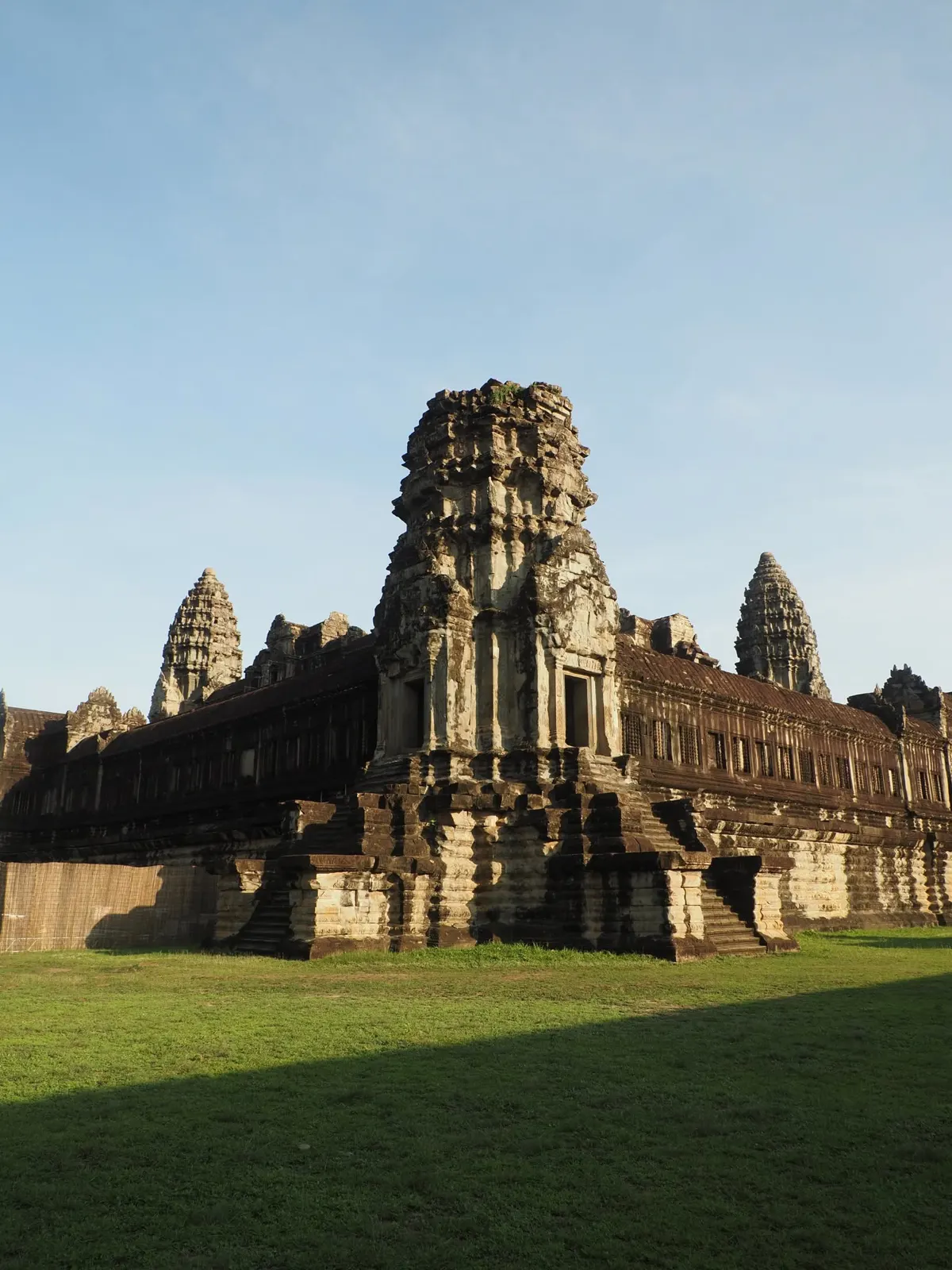
A 10-day journey through Cambodia offers an opportunity to experience its rich historical sites, cultural traditions, and natural beauty. This itinerary guides travelers from the ancient wonders of Siem Reap to the historical depth of Phnom Penh and the relaxing shores of Sihanoukville, providing a balanced exploration of the country's highlights.
Planning Your 10-Day Cambodian Adventure
Embarking on a 10-day trip across Cambodia allows for a comprehensive overview of its diverse regions. The suggested route typically begins in Siem Reap, home to the iconic Angkor complex, before moving through the countryside to cities like Battambang and Kampong Chhnang, then to the capital, Phnom Penh, and finally concluding with a coastal escape in Sihanoukville.
Effective planning for inter-city travel is essential. Options include domestic flights for longer distances, buses for economical travel, and private taxis for convenience. Travelers should consider booking accommodations and major tours in advance, especially during peak seasons, to ensure availability and a smoother experience.
Exploring Ancient Wonders in Siem Reap
Your Cambodian exploration begins in Siem Reap, the gateway to some of the world's most significant historical sites. Siem Reap International Airport is situated approximately 6 kilometers from the city center, with transportation readily available via tuk-tuks or taxis, typically costing between US$8 and US$10 (verify current rates upon arrival).
On your first day, after settling in, consider an excursion to Phnom Bakheng. This temple, constructed on a 70-meter-high hill in the late ninth century, is the tallest in the Angkor complex area and offers expansive views of the surrounding landscape, including Phnom Krom to the southwest, Phnom Bok to the northeast, and Phnom Kulen to the east. It is particularly renowned for its sunset vistas. In the evening, experiencing a traditional Apsara dance performance provides insight into Khmer cultural arts.
Day two is dedicated to the Angkor complex, a UNESCO World Heritage site. Begin with Angkor Wat, an architectural and archaeological marvel featuring 398 rooms connected by 1,500 meters of corridors, topped by five towers across three architectural levels. Following this, explore Angkor Thom, the last major capital of the Angkor empire. Within Angkor Thom, visit Bayon Temple, characterized by its numerous towers adorned with carved faces of the deity Lokesvara, symbolizing divine observation. Another notable site is Ta Prohm, where ancient tree roots intertwine with the temple stones, creating a distinctive atmosphere.
Cultural Immersion in Battambang and Kampong Chhnang
Days three and four introduce you to Battambang, a city that blends French colonial influences with contemporary Cambodian life. Despite its lively character, Battambang also offers peaceful moments and interesting scenery. A visit to the Provincial Museum, located in Kamkor village, Svay Por commune, Battambang province, is recommended. Founded in 1963 by Madeleine Giteau, the museum houses a collection of pottery, statues, and musical instruments that reflect the region's religious and artistic heritage.
Another significant site is Ek Phnom temple, situated behind a 28-meter-high Buddha statue. This temple features spires on a spacious courtyard and intricate stone carvings, providing a glimpse into Cambodia's historical periods. The surrounding old trees offer shade and enhance the temple's architecture. For those interested in local cuisine, Nary's Kitchen Cambodian cooking class is available from 9:00 to 12:00, covering ingredient selection, menu planning, and food preparation, often including a trip to a local market. Additionally, the unique bamboo train experience, where lighter vehicles yield to heavier ones by temporarily lifting off the track, offers a memorable local interaction.
Day five focuses on Kampong Chhnang, a tranquil rural area known for its towering sugar palm trees and traditional ceramic villages. Located on the Tonle Sap River, the town is also a hub for fish farming and features a large fishing port. Travelers can visit the Andong Russey pottery village, approximately 7 kilometers from Kampong Chhnang. This village specializes in red clay pottery, using traditional methods with locally sourced clay. Visitors can observe the craft, participate in pottery classes to learn basic techniques, and purchase ceramic products as souvenirs.
Discovering Phnom Penh's Heritage and Markets
Day six brings you to Phnom Penh, Cambodia's capital, a city rich in history and royal grandeur. A primary attraction is the Royal Palace, a majestic complex featuring intricate sculptures and carvings. The palace grounds serve as both a residence and a workplace for the Royal Family, encompassing several other notable buildings.
Within the Royal Palace complex is the Silver Pagoda, named for its floor composed of 500 silver tiles, each weighing approximately 1 kilogram. This pagoda is also a repository for valuable religious artifacts, including a jade Buddha statue. The National Museum, housing over 5,000 carefully preserved antiques, offers a chronological journey through the country's history. For shopping, Psar Thmei, also known as the Central New Market, provides a wide array of traditional and contemporary goods. The final stop for the day could be Wat Phnom, a historically significant temple established in 1373, which stands as a testament to Phnom Penh's formation and development. For those keen to explore the local culinary scene, Phnom Penh offers a diverse array of dining options, from traditional Khmer dishes to various international cuisines. To learn more about the city's food offerings, consider reading a dining guide to Phnom Penh.
Coastal Relaxation in Sihanoukville
Days seven, eight, and nine are dedicated to the coastal city of Sihanoukville. The journey from Phnom Penh to Sihanoukville offers scenic views of mountains and lakes, with travel typically maintained at a moderate speed of around 50 km/h. Upon arrival, after a period of rest, consider visiting Kbal Chhay waterfall, located approximately 20 kilometers from Occheutuel Sea. This waterfall is particularly impressive during the rainy season. A tuk-tuk ride for a group of 4-5 people to the waterfall typically costs around US$15 (verify current rates).
Sihanoukville, a peninsula extending into the Gulf of Thailand, is known for its beautiful beaches, including Victory Beach, Serendipity Beach, and Ochherteal Beach. These arc-shaped shores feature calm waters, making them suitable for swimming. Ochherteal Beach, in particular, maintains much of its original character, boasting fine white sand along its 3-kilometer length and clear blue waters. Rental services for activities such as sailing, kayaking, and windsurfing are often available. Nearby fishing villages offer insights into local life. The west-facing coast provides excellent opportunities for sunset viewing, with The Port of Independence often cited as a prime location due to its extended position into the sea.
Further coastal exploration should include the islands of Koh Rong and Koh Rong Samloem, known for their unspoiled seascapes, clear waters, and soft white-sand shores. Many resorts are available for overnight stays, allowing visitors to witness sunrises and engage in activities like coral diving. Evenings in Sihanoukville offer fresh seafood, with numerous street vendors and small restaurants along the coast providing affordable options for a seafood barbecue on the beach.
The final day in Sihanoukville can be spent exploring its natural reserves. Preah Sihanouk National Park, locally known as Ream, features tropical forests, mangroves, estuaries, and rivers. Tour programs often include boat trips along the river, visits to fishing villages, and treks through the forest or up mountains. Other viewpoints include Victory Hill, standing at 60 meters, and Sihanouk Mountain, at 132 meters, both offering panoramic views of the coastal city.
Departure from Phnom Penh
On day ten, you will return to Phnom Penh for your departure flight. Before heading to the airport, there may be an opportunity for some last-minute souvenir shopping or a final coffee at a local beverage establishment, reflecting on the experiences of your Cambodian journey.
Key Attractions and Practical Information
| Location/Venue | Address/Area | Key Feature | Specific Details (Verify Current Information) |
|---|---|---|---|
| Siem Reap International Airport | ~6 km from city center | Arrival point for Siem Reap | Tuk-tuk/taxi US$8-10 |
| Phnom Bakheng | Angkor complex area, Siem Reap | Sunset views, ancient temple | Built late 9th century, 70-meter high hill |
| Angkor Wat | Siem Reap | UNESCO World Heritage temple | 398 rooms, 1500m corridor, 5 towers |
| Angkor Thom | Siem Reap | Ancient capital complex | Includes Bayon Temple (Lokesvara faces), Ta Prohm (tree roots) |
| Battambang Provincial Museum | Kamkor village, Svay Por commune, Battambang province | Cultural artifacts | Founded 1963 by Madeleine Giteau; pottery, statues, instruments |
| Ek Phnom Temple | Battambang | Historical temple | Behind 28-meter high Buddha statue |
| Nary's Kitchen Cooking Class | Battambang | Cambodian cooking instruction | Daily 9:00-12:00 (verify booking), includes market trip |
| Andong Russey Pottery Village | ~7 km from Kampong Chhnang | Traditional pottery production | Red clay, local quarry, traditional methods |
| Royal Palace & Silver Pagoda | Phnom Penh | Royal residence & temple | Silver Pagoda: 500 silver floor tiles (approx. 1kg each), jade Buddha |
| National Museum | Phnom Penh | Historical artifacts collection | Over 5,000 antiques |
| Psar Thmei (Central New Market) | Phnom Penh | Shopping destination | Traditional and modern goods |
| Wat Phnom | Phnom Penh | Historic temple | Built 1373 |
| Kbal Chhay Waterfall | ~20 km from Occheutuel Sea, Sihanoukville | Natural attraction | Best in rainy season, tuk-tuk US$15 for 4-5 people |
| Ochherteal Beach | Sihanoukville | Coastal relaxation | 3km long, white sand, clear water, rentals available |
| The Port of Independence | Sihanoukville | Sunset viewing spot | Extends into the sea |
| Koh Rong & Koh Rong Samloem | Sihanoukville coast | Islands for relaxation | Resorts, clear water, coral diving |
| Preah Sihanouk National Park (Ream) | Sihanoukville | Nature reserve | Tropical forests, mangroves, boat tours, wildlife |
Frequently Asked Questions
How much does a 10-day trip to Cambodia typically cost?
The cost of a 10-day trip to Cambodia can vary significantly based on travel style, accommodation choices, dining preferences, and activities. Budget travelers might spend less, while those seeking more comfort and guided tours should anticipate higher expenses. It is advisable to research current prices for flights, hotels, and activities, and to budget for daily expenses, including food, local transport, and entrance fees.
What is the best time of year to visit Cambodia?
The most favorable time to visit Cambodia is generally during the dry season, from November to April. During these months, the weather is typically sunny with lower humidity, making it ideal for exploring ancient temples and enjoying outdoor activities. The wet season, from May to October, brings higher humidity and occasional rainfall, which can make some areas more lush but also more challenging to navigate.
How do I travel between cities in Cambodia?
Inter-city travel in Cambodia offers several options. Buses are a popular and economical choice, connecting major cities and towns. Private taxis or shared vans provide more flexibility and comfort. For longer distances, such as between Siem Reap and Sihanoukville, domestic flights can save considerable travel time. Travelers should research routes and book tickets in advance, especially for popular destinations.
What local dishes should I try in Cambodia?
Cambodian cuisine features a blend of sweet, sour, salty, and bitter flavors. Popular dishes include Fish Amok, a creamy coconut fish curry; Lok Lak, stir-fried beef with a peppery dipping sauce; and various noodle soups. Fresh seafood is a highlight in coastal areas. Exploring local markets and street food stalls offers an authentic culinary experience.
Is it safe to travel in Cambodia?
Cambodia is generally considered safe for tourists. However, as with any travel destination, it is important to exercise caution and be aware of your surroundings. Petty crime, such as pickpocketing, can occur in crowded areas. Travelers should safeguard their valuables, avoid walking alone at night in poorly lit areas, and stay informed about local customs and regulations. Always verify transportation costs before starting a journey.








