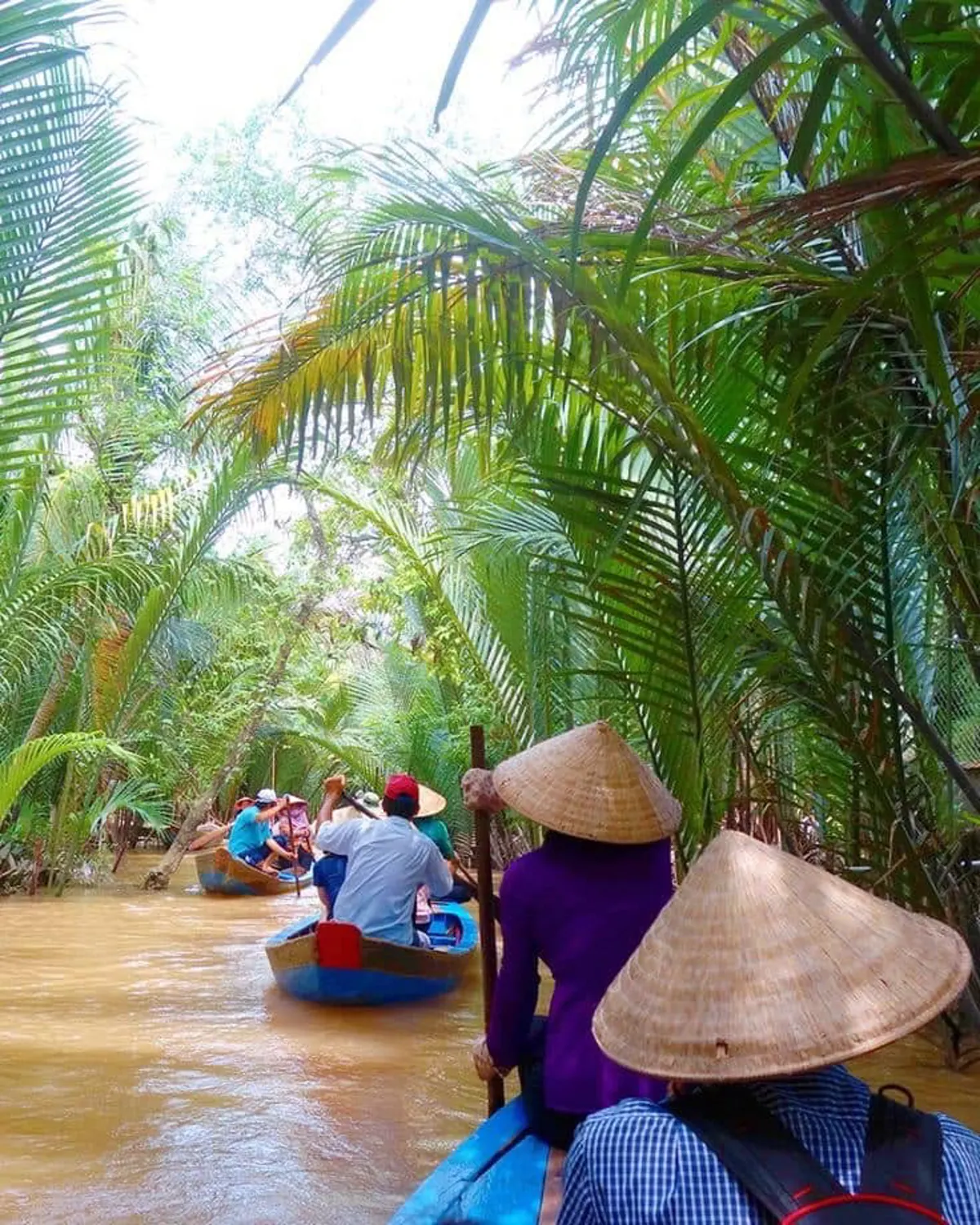
A 10-day itinerary spanning Vietnam, Cambodia, and Laos offers a focused opportunity to experience significant cultural landmarks and natural landscapes across these three Southeast Asian nations. This guide outlines a possible route, detailing key attractions, transportation methods, and estimated costs, providing a framework for travelers seeking to make the most of a limited timeframe in the region.
Exploring Southeast Asia: Why Choose Vietnam, Cambodia, and Laos?
These three countries present a compelling combination of historical depth, cultural richness, and diverse natural settings. Visitors can encounter distinct cultural traditions in each nation, from the ancient spiritual sites of Laos to the historical narratives of Vietnam and the architectural wonders of Cambodia. The region provides a varied experience, appealing to those interested in history, local customs, and natural scenery.
The geographical diversity is notable, ranging from the calm waters of Halong Bay in Vietnam to the cascades of Kuang Si in Laos. Historical sites are abundant, including the extensive temple complexes of Angkor Wat in Cambodia and the wartime tunnels of Cu Chi in Vietnam. These locations offer perspectives into the past of each country. Furthermore, the people in Vietnam, Cambodia, and Laos are generally known for their welcoming demeanor, contributing to a pleasant travel experience.
A Comprehensive 10-Day Itinerary for Laos, Vietnam, and Cambodia
This suggested 10-day route is structured to guide travelers through essential experiences in Luang Prabang, Vientiane, Hanoi, Halong Bay, Ho Chi Minh City, and Siem Reap. While the schedule is active, it aims to provide a broad introduction to the cultural, historical, and natural highlights of each destination.
| Country | City | Itinerary Highlights |
|---|---|---|
| Laos | Luang Prabang | Wat Xieng Thong, Royal Palace Museum, Mount Phousi, Kuang Si Waterfall |
| Laos | Vientiane | Wat Si Muang, Patuxay Monument, Buddha Park |
| Vietnam | Hanoi | Ho Chi Minh Mausoleum, Temple of Literature, Hoan Kiem Lake, Old Quarter |
| Vietnam | Halong Bay | Overnight cruise, kayaking, cave exploration (Dark & Bright Cave, Sung Sot Cave) |
| Vietnam | Ho Chi Minh City | Cu Chi Tunnels, Independence Palace, Notre Dame Cathedral, Ben Thanh Market |
| Cambodia | Siem Reap | Angkor Wat, Angkor Thom, Ta Prohm, Banteay Srei, Apsara Dance Show |
Days 1-3: Laos – Luang Prabang and Vientiane
The journey commences in Luang Prabang, Laos. On Day 1, begin with a visit to Wat Xieng Thong, a 16th-century temple recognized for its detailed mosaics and traditional Lao architecture. The entrance fee is approximately LAK 20,000 (about US $2). Afterward, proceed to the Royal Palace Museum, which was once a royal residence and now displays the revered Prabang Buddha statue and various royal artifacts. Admission is around LAK 60,000 (about US $4). In the afternoon, ascend Mount Phousi for expansive views of Luang Prabang and the Mekong River, particularly rewarding during sunset. The entrance fee is approximately LAK 20,000 (about US $2.5). In the evening, the Night Market on Sisavangvong Road offers local crafts and street food. All these sites are within walking distance.
Day 2 in Luang Prabang starts with an excursion to Kuang Si Waterfall, known for its multi-tiered cascades and clear turquoise pools suitable for swimming. The waterfall is situated 29 km south of Luang Prabang, and a round-trip tuk-tuk ride typically costs between US $10 and US $15. Nearby, the Bear Rescue Center focuses on Asiatic black bear conservation, with an entrance fee of LAK 25,000 (around US $2.3). The Kuang Si Falls Butterfly Park is also in the vicinity. In the early afternoon, return to Luang Prabang to visit the Ock Pop Tok Living Craft Center, which showcases Lao textile traditions. Entry is free, and weaving workshops are available starting at LAK 200,000 (around US $12). Later, take a train to Vientiane, with tickets costing approximately US $15-$20, offering views of the Lao countryside. Upon arrival in Vientiane by early evening, accommodation options include budget stays around US $12 or mid-range hotels at about US $50.
Day 3 in Vientiane includes a morning visit to Wat Si Muang, a temple that blends Buddhist and animist traditions and houses the city's main pillar. A short walk leads to the Patuxay Monument, where climbing to the top provides city views for a fee of LAK 5,000 (about US $0.2). In the afternoon, prepare for a flight to Hanoi, Vietnam. Direct flights from Vientiane to Hanoi typically last around 2 hours and cost approximately $227. A night flight is often suggested to maximize time. Upon arrival in Hanoi, a taxi to a hotel in the Old Quarter takes about 45 minutes and costs around US $15. The evening can be spent on Ta Hien Street, known for its lively atmosphere.
Days 4-7: Vietnam – Hanoi, Halong Bay, and Ho Chi Minh City
Day 4 begins with a visit to the Ho Chi Minh Mausoleum, a solemn site dedicated to Vietnam's former leader, with free entry. Continue to the One Pillar Pagoda, a small Buddhist temple. The Temple of Literature, an ancient university, offers insight into historical scholarly traditions; admission is VND 70,000 (around US $3). In the afternoon, explore St. Joseph's Cathedral, an example of French colonial architecture, and then proceed to Hoan Kiem Lake for a tranquil break. As evening approaches, the Old Quarter provides opportunities for shopping for unique souvenirs, with a budget of US $15-$30 suggested. Conclude the day with a culinary tour, sampling dishes like pho, bun cha, banh mi, and egg coffee, typically costing around US $10 for a variety of local delights.
On Day 5, travel from Hanoi to Halong Bay by shuttle bus, which costs approximately US $20. Upon arrival, embark on an overnight cruise. Activities often include kayaking through areas like Dark & Bright Cave and the Ao Ech Area, allowing exploration of lagoons. The cruise may also include visits to caves such as Trung Trang Cave on Cat Ba Island, known for its formations, or Sung Sot Cave, one of the bay's largest. Ascending Titop Island offers panoramic views of the bay. Evenings on the cruise typically feature sunset viewing, cooking classes, or squid fishing.
Day 6 transitions from Halong Bay back to Hanoi, then onward to Ho Chi Minh City. After disembarking from the cruise, a 3-hour drive takes you to Noi Bai Airport in Hanoi. Flights to Ho Chi Minh City are generally scheduled for the late afternoon, with booking departures after 4:00 PM advised. A shuttle bus from Halong Bay to the airport costs approximately US $15. Flight prices range from US $50 to US $100, depending on booking time. This travel plan allows ample time for airport procedures before continuing to Vietnam's southern metropolis.
Day 7 in Ho Chi Minh City starts with an exploration of the Cu Chi Tunnels, offering insights into Vietnam's wartime history. Navigating these underground passages provides a deeper understanding of past challenges. In the afternoon, return to Ho Chi Minh City to visit landmarks such as the Independence Palace, Notre Dame Cathedral, and the Saigon Central Post Office. As evening nears, a walk along Nguyen Hue Walking Street and a visit to Ben Thanh Market capture the city's energy. Dinner at the night market features local dishes like Banh Xeo and Goi Cuon, typically priced around US $2.
Days 8-10: Cambodia – Siem Reap and Departure
Day 8 involves a direct flight from Ho Chi Minh City to Siem Reap, Cambodia, typically costing around $300 and lasting about an hour. An early morning flight is recommended for a relaxed arrival. The focus shifts to the Angkor temple complex, including Angkor Wat, which spans 162.6 hectares and is a significant religious monument, along with Angkor Thom. The evening in Siem Reap offers lively night markets and Pub Street, with local cuisine such as amok, lok lak, and nom banh chok available for roughly US $2-$4.
Day 9 provides further exploration of the Angkor complex, beginning with Ta Prohm and the detailed carvings of Banteay Srei. These sites require respectful attire, covering shoulders and knees. In the afternoon, visits continue to Preah Khan, a 12th-century temple constructed by King Jayavarman VII, and Phnom Bakheng, where a climb offers expansive views. The evening concludes with an Apsara Dance Show, showcasing traditional Khmer dance, followed by dining and shopping options on Pub Street and at the night market.
Day 10, the final day in Siem Reap, allows for a relaxed morning to explore or purchase last-minute items. The Old Market is suitable for local crafts, while the Angkor Night Market, established in 2007 to preserve Khmer culture, offers unique products. The Made in Cambodia Market is also an option for authentic local goods. In the afternoon, prepare for departure. A tuk-tuk ride to Siem Reap International Airport costs approximately US $5-$10, and allowing 2 to 3 hours before your flight is advised for a smooth check-in.
Dining and Shopping Highlights Across the Region
Throughout this 10-day itinerary, travelers will encounter diverse culinary traditions and opportunities to acquire local crafts and goods. Here are some key recommendations:
| City/Region | Recommended Experience | Typical Price Range (USD) | Notes |
|---|---|---|---|
| Luang Prabang, Laos | Night Market on Sisavangvong Road | Varies (Street food: low) | Local crafts, authentic Lao street food. |
| Hanoi, Vietnam | Old Quarter Shopping | $15 - $30 (for souvenirs) | Handcrafted goods, modern mementos. |
| Hanoi, Vietnam | Culinary Tour (Pho, Bun Cha, Banh Mi, Egg Coffee) | $10 (for a variety of dishes) | Essential Hanoi dishes. |
| Ho Chi Minh City, Vietnam | Night Market Dinner (Banh Xeo, Goi Cuon) | $2 (per dish) | Vibrant street food scene near Ben Thanh Market. |
| Siem Reap, Cambodia | Local Cuisine (Amok, Lok Lak, Nom Banh Chok) | $2 - $4 (per dish) | Available at night markets and Pub Street. |
| Siem Reap, Cambodia | Old Market, Angkor Night Market, Made in Cambodia Market | Varies | Local crafts, unique items, traditional Khmer culture. |
Please note that specific addresses, phone numbers, and detailed opening hours for individual market stalls or small eateries were not provided in the source material. Prices are approximate and subject to change.
Practical Travel Considerations and Tips
Navigating three countries in ten days requires efficient planning. For transportation between countries, flights are the most time-effective option, as seen with routes like Vientiane to Hanoi, and Ho Chi Minh City to Siem Reap. Within cities, options like tuk-tuks in Laos and Cambodia, and taxis in Vietnam, are readily available. For longer domestic journeys, such as the train from Luang Prabang to Vientiane or shuttle buses to Halong Bay, booking in advance is advisable.
Accommodation costs can vary significantly. The source suggests budget options around US $12 and mid-range around US $50 in Vientiane, indicating a range of choices across the region. It is always recommended to check current prices and availability. Regarding currency, Laos uses the Lao Kip (LAK), Vietnam uses the Vietnamese Dong (VND), and Cambodia uses the Cambodian Riel (KHR), though US dollars are widely accepted in Cambodia. Having some local currency for smaller purchases and street food is practical. For managing finances in larger cities like Hanoi, travelers can find various banking services.
Maximizing Your Short Trip to Indochina
With only ten days to explore three countries, careful planning is essential to make the most of your journey. Prioritize key attractions that align with your interests. The itinerary presented focuses on major cultural and historical sites, along with significant natural landmarks like Halong Bay and Kuang Si Waterfall.
Booking flights and major tours, such as the Halong Bay cruise, in advance can save time and potentially reduce costs. Flexibility with daily activities is also beneficial, as travel plans can sometimes change. Packing light will facilitate easier movement between destinations. While this itinerary is comprehensive, some travelers may find it fast-paced. For those desiring a more relaxed or in-depth experience, extending the trip duration would allow for deeper exploration of each country.
Frequently Asked Questions
Is ten days sufficient for a trip covering Vietnam, Cambodia, and Laos?
A 10-day itinerary for Vietnam, Cambodia, and Laos allows travelers to experience the primary highlights of all three countries. However, the pace can be quite rapid, with limited time for extensive exploration in each location. While it is possible to visit key attractions, a longer trip, perhaps 15 to 26 days, would offer a more immersive experience, allowing for deeper engagement with local cultures and the discovery of less-visited sites.
What are the typical costs for a 10-day journey across these countries?
Costs can vary widely based on accommodation choices, dining preferences, and activities. Based on the provided itinerary, individual entrance fees for attractions are generally modest (e.g., US $2-$4). Transportation costs include internal flights (e.g., Vientiane to Hanoi ~$227, Ho Chi Minh to Siem Reap ~$300, domestic Vietnam flight ~$50-$100) and ground transport (e.g., tuk-tuks $10-$15, airport taxis $15, shuttle buses $15-$20). Daily food budgets can be low for street food (e.g., $2-$10). A mid-range traveler might expect to spend approximately $800-$1500 on flights and accommodation alone, excluding daily expenses and major tours, but this is a broad estimate. It is important to verify all prices as they are subject to change.
What local dishes should I try in each country?
In Laos, particularly in Luang Prabang, exploring street food at the Night Market is recommended. In Vietnam, Hanoi offers iconic dishes such as pho, bun cha, banh mi, and egg coffee. Ho Chi Minh City's night markets are known for Banh Xeo and Goi Cuon. For Cambodia, especially in Siem Reap, popular dishes include amok, lok lak, and nom banh chok. These dishes represent a core part of the culinary heritage in each country.
What cultural etiquette should I be aware of?
When visiting religious sites, such as temples in Laos, Vietnam, and Cambodia, it is generally expected to dress modestly, covering shoulders and knees. Removing shoes before entering temples or private homes is also a common practice. Public displays of affection are typically understated. Always ask for permission before photographing individuals. Learning a few basic phrases in the local language can also enhance interactions and show respect for the local culture.