A two-week journey through Thailand, Cambodia, and Vietnam offers an efficient way to experience the diverse cultures and landscapes of Southeast Asia. This suggested 15-day itinerary provides a framework for exploring prominent cities, historical sites, and natural attractions across these three nations, from the energetic streets of Bangkok to the ancient temples of Angkor and the waterways of the Mekong Delta.
Why Explore Thailand, Cambodia, and Vietnam Together?
Combining Thailand, Cambodia, and Vietnam into one trip allows travelers to encounter a wide spectrum of Southeast Asian experiences within a focused timeframe. Thailand introduces visitors to lively urban centers, markets, and spiritual sites. Cambodia contributes a profound historical and spiritual dimension through the monumental Angkor Wat complex near Siem Reap, showcasing Khmer architectural prowess. Vietnam rounds out the adventure with its varied geography, dynamic cities, and deep historical narrative, from Ho Chi Minh City to Hanoi and Halong Bay. This multi-country route enables a comprehensive encounter with temples, forests, coastal areas, urban environments, and UNESCO World Heritage sites.
A Detailed 15-Day Itinerary Across Three Countries
This plan outlines a possible sequence for a two-week exploration of Thailand, Cambodia, and Vietnam, highlighting key attractions and activities in each location.
Days 1-2: Bangkok, Thailand
Your journey begins in Bangkok. Upon arrival, transfer to your hotel. The first day is for independent exploration and street food. An evening street food tour is suggested, typically including eight dishes and two beverages. Day two involves an early guided tour, visiting the Damnoen Saduak Floating Market. Afterward, proceed to the River Kwai for lunch near the famous bridge. The itinerary then includes an elephant camp visit for a jungle ride and an opportunity to assist with bathing elephants. A traditional bamboo raft ride is also part of the experience, concluding with a return to the Khaosan Road area in the evening.
Days 3-4: Chiang Mai, Thailand
On day three, fly from Bangkok to Chiang Mai. Upon arrival, transfer to your hotel. After breakfast, prepare for a trekking excursion. The tour departs for a scenic drive to Mork Fa waterfall for swimming. Lunch is provided at a local restaurant. Trekking offers two options: an easier 2.5-hour hike to a Lahu hill tribe village or a more challenging 3.5-hour trek to a Karen hill tribe village. The night is spent in a homestay within the chosen village, including dinner. Day four begins with the village's natural environment. After breakfast, engage in a river rafting activity on the Mae Tang river, lasting approximately two hours. The rafting concludes at a Shan village for refreshment and lunch. A short drive leads to an elephant camp for interaction, including feeding. Afterward, return to Chiang Mai for hotel check-in and leisure time.
Days 5-6: Siem Reap, Cambodia
Day five involves leisure time before flying from Chiang Mai to Siem Reap. Upon arrival, a guide will transfer you to your hotel. Begin exploring Siem Reap with a city tour, including the Angkor National Museum to view Cambodian artifacts. Continue to the Preah Ang Check - Preah Ang Chom shrines. Return to the hotel afterward. Day six is dedicated to a temple exploration tour. The morning starts with Ta Prohm Temple, known for its fig tree roots. Next, visit the ancient capital of Angkor Thom, entering through the South Gate. Explore the Bayon Temple, recognized for its 54 towers with smiling faces, along with Phimeanakas, the Royal Enclosure, the Elephants Terrace, and the Terrace of the Leper King. In the afternoon, explore Angkor Wat, the most renowned temple on the Angkor plain. Conclude the day with a sunset view from Angkor Wat or a nearby suitable location.
Days 7-9: Ho Chi Minh City and Mekong Delta, Vietnam
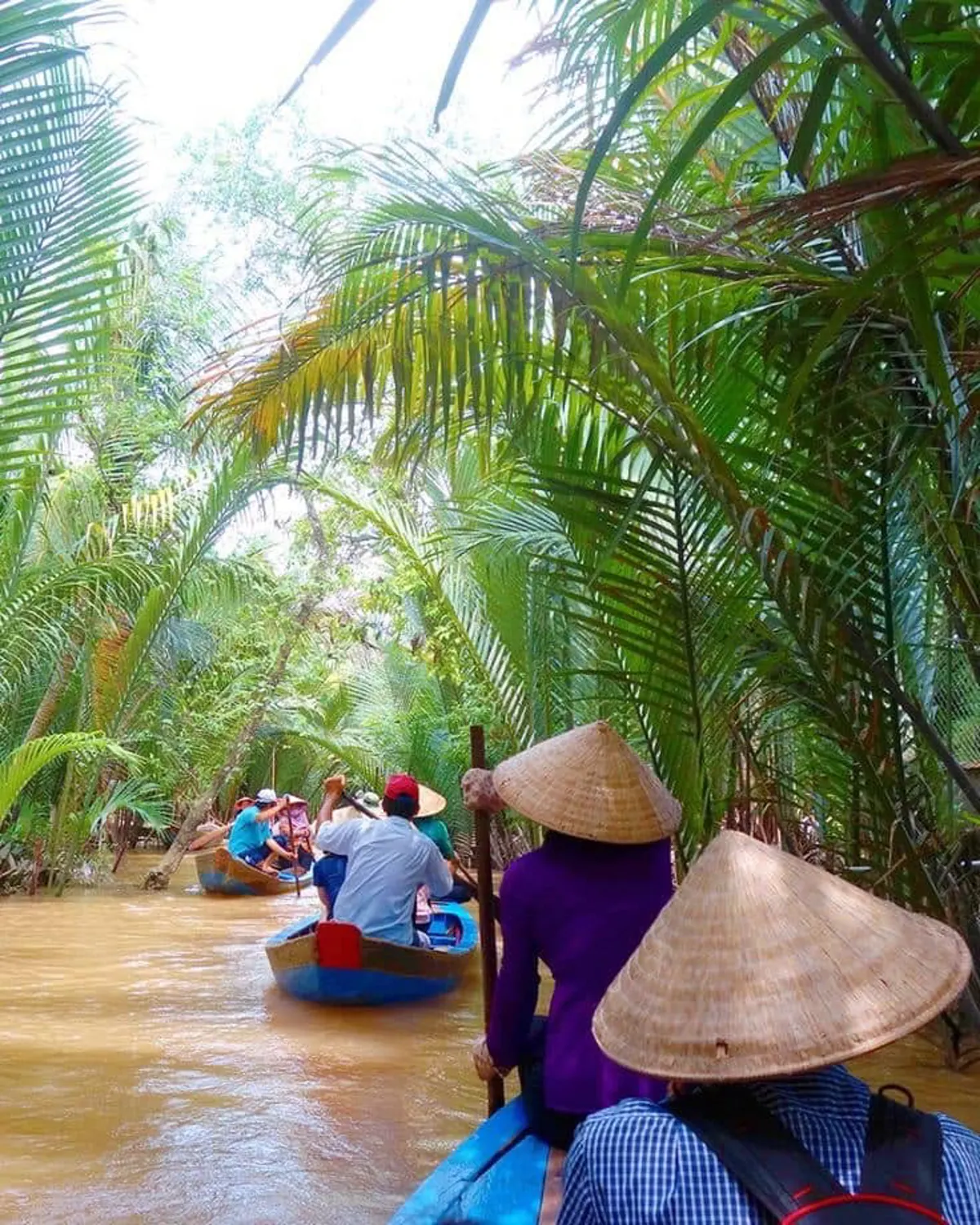
On day seven, transfer to the airport for a flight to Ho Chi Minh City. A Vietnamese driver will meet you upon arrival and transfer you to your hotel. The rest of the day is free for personal city exploration. Day eight features a tour to the Cu Chi Tunnels, approximately 70 km from Ho Chi Minh City. This site comprises an extensive network of underground tunnels used by the North Vietnamese army. Visitors can crawl through sections and learn about the Vietnam War; a firing-gun service is available for an additional charge. Lunch is served at a local restaurant on the return journey. The afternoon includes sightseeing of French colonial architecture and a visit to the War Remnants Museum. The tour also covers the Reunification Palace, Saigon Notre Dame Cathedral (built 1880), and the Old Post Office (constructed 1886-1891). The final stop is a local market for souvenir shopping. Understanding banking services in Ho Chi Minh City can be beneficial for managing finances during your visit. Day nine is dedicated to an excursion to the Mekong Delta. The tour typically begins with hotel pickup. Arrive in My Tho to visit Vinh Trang Pagoda. A boat ride along the river follows, allowing observation of rural life and visits to fruit plantations. The journey includes a stop at Tortoise Island, where lunch is provided in an orchard garden. Post-lunch, transfer to a local boat for a trip to An Khanh in Ben Tre. Here, enjoy a sampan cruise beneath coconut trees along natural canals, with opportunities to sample seasonal fruit and honey tea while listening to Southern Vietnamese folk music. The day concludes with a return drive to Ho Chi Minh City.
Days 10-11: Hoi An and My Son Sanctuary, Vietnam
On day ten, transfer from Ho Chi Minh City to Da Nang International Airport for a flight, followed by a private car transfer to Hoi An Ancient Town. After checking into your hotel, the rest of the day is free for exploring the town. Day eleven begins with a guided trip to My Son Sanctuary after breakfast. This UNESCO World Heritage Site, located in a green valley, was once a religious center of the Champa Kingdom, featuring dozens of red brick towers and structures dating from the 4th to the 13th centuries. A guide will provide historical context. Following the visit, return to Hoi An for lunch. Continue with a walking tour of Hoi An, visiting its Ancient Houses and the local market. The market provides opportunities to find fruits, vegetables, handicrafts, and street food. Finding unique purchases and souvenirs in Vietnam is often a highlight for visitors. Return to your hotel, with the evening free to explore further or relax by the Thu Bon River.
Days 12-14: Hanoi and Halong Bay, Vietnam
Day twelve involves a morning transfer from Hoi An to Da Nang International Airport for a flight to Hanoi. Upon arrival at Noi Bai International Airport, a guide and driver will transfer you to your hotel in Hanoi Old Quarter. The rest of the day is at leisure. Optional activities in Hanoi include a Walking Street Food Tour, a Hanoi cooking class, or a Water Puppet Show. Day thirteen starts with breakfast before a guide picks you up for the journey to Halong Bay. This UNESCO World Heritage site is famous for its limestone islands. An overnight cruise on Halong Bay is included. Activities on the cruise include photography, kayaking, and swimming. Visitors can also learn about local life by visiting a floating village and participate in a cooking demonstration. Evening entertainment often includes karaoke or squid fishing. For those interested in coastal relaxation, exploring Halong Bay's best beaches can enhance the experience. On day fourteen, a Taichi lesson is offered early, with sunrise viewing possible. After breakfast, a guided visit to the Military Hospital Cave on Cat Ba Island provides historical context. Brunch is served on board the cruise before the bus transfer back to Hanoi, arriving in the afternoon. Check into your hotel, with the remainder of the day free.
Day 15: Departure from Hanoi
On your final day, a driver will pick you up from your hotel in Hanoi Old Quarter. Transfers are arranged approximately two hours before an international flight or one hour before a domestic flight to Noi Bai International Airport for your departure.
Essential Advice for Your Journey
Planning for a multi-country trip across Southeast Asia requires attention to practical details to ensure a smooth experience.
Optimal Time to Visit
The most favorable period for travel through Thailand, Cambodia, and Vietnam generally extends from November to April. During these months, the weather across most of Southeast Asia is typically cooler and drier. Temperatures are more comfortable for outdoor activities, sightseeing, and trekking in locations such as Bangkok, Siem Reap, and Hanoi. This season also provides clearer skies, ideal for activities like cruising in Halong Bay or exploring the temples of Angkor Wat.
From May to October, the region experiences its rainy season. Travel is still feasible during this time, often with the benefit of fewer crowds and greener landscapes. Tropical showers usually occur in the afternoons and are typically brief, not lasting for the entire day. If occasional rain is not a concern, this period can offer more favorable hotel rates and a more relaxed travel atmosphere.
Currency Information
Each country on this itinerary uses its own currency. Thailand uses the Thai Baht (THB), Cambodia uses the Cambodian Riel (KHR) although US Dollars are widely accepted, and Vietnam uses the Vietnamese Dong (VND).
Automated Teller Machines (ATMs) are readily available in major urban centers. While credit cards are accepted in many hotels and restaurants, cash remains the preferred payment method in local markets, smaller shops, and street food establishments. It is advisable to carry smaller denominations for taxis, street vendors, and minor purchases. Currency exchange services are available at airports, banks, and tourist areas, with city exchange shops often offering more competitive rates. Navigating banking services in Hanoi can help travelers manage their finances effectively.
General Travel Suggestions
- Local Cash: Always carry small amounts of local currency for markets, tuk-tuks, street food vendors, and rural areas where card payments are less common. This is particularly useful in places like the markets in Hoi An or villages in the Mekong Delta.
- Clothing and Footwear: Given the tropical climate, pack light, breathable clothing. Comfortable walking shoes are essential for exploring extensive temple complexes like Angkor Archaeological Park or navigating historic districts such as the Hanoi Old Quarter.
- Documents: Keep your passport, travel insurance details, and other important documents secure yet accessible, especially when crossing international borders or taking domestic flights between destinations.
Frequently Asked Questions
Is two weeks sufficient for a trip covering Thailand, Cambodia, and Vietnam?
A two-week (15-day) itinerary provides a focused overview of the main highlights across these three countries. It allows for visits to key cities, historical sites, and natural attractions without feeling overly rushed, though it offers an introduction rather than an in-depth exploration of each region.
What are the primary cultural differences to be aware of?
While all three countries are in Southeast Asia, they each possess distinct cultural identities. Thailand is known for its Buddhist traditions, Cambodia for its Khmer heritage, and Vietnam for its rich history and unique culinary traditions. Observing local customs, such as respectful dress at religious sites and polite interactions, is always appreciated.
What type of food can I expect on this journey?
Each country offers a distinct culinary experience. Thai cuisine is famous for its balance of sweet, sour, salty, and spicy flavors. Cambodian food tends to be milder, incorporating fresh herbs and fish. Vietnamese cuisine is celebrated for its fresh ingredients, delicate flavors, and dishes like pho, spring rolls, and banh mi. Street food is a prominent part of the dining experience in all three nations.