
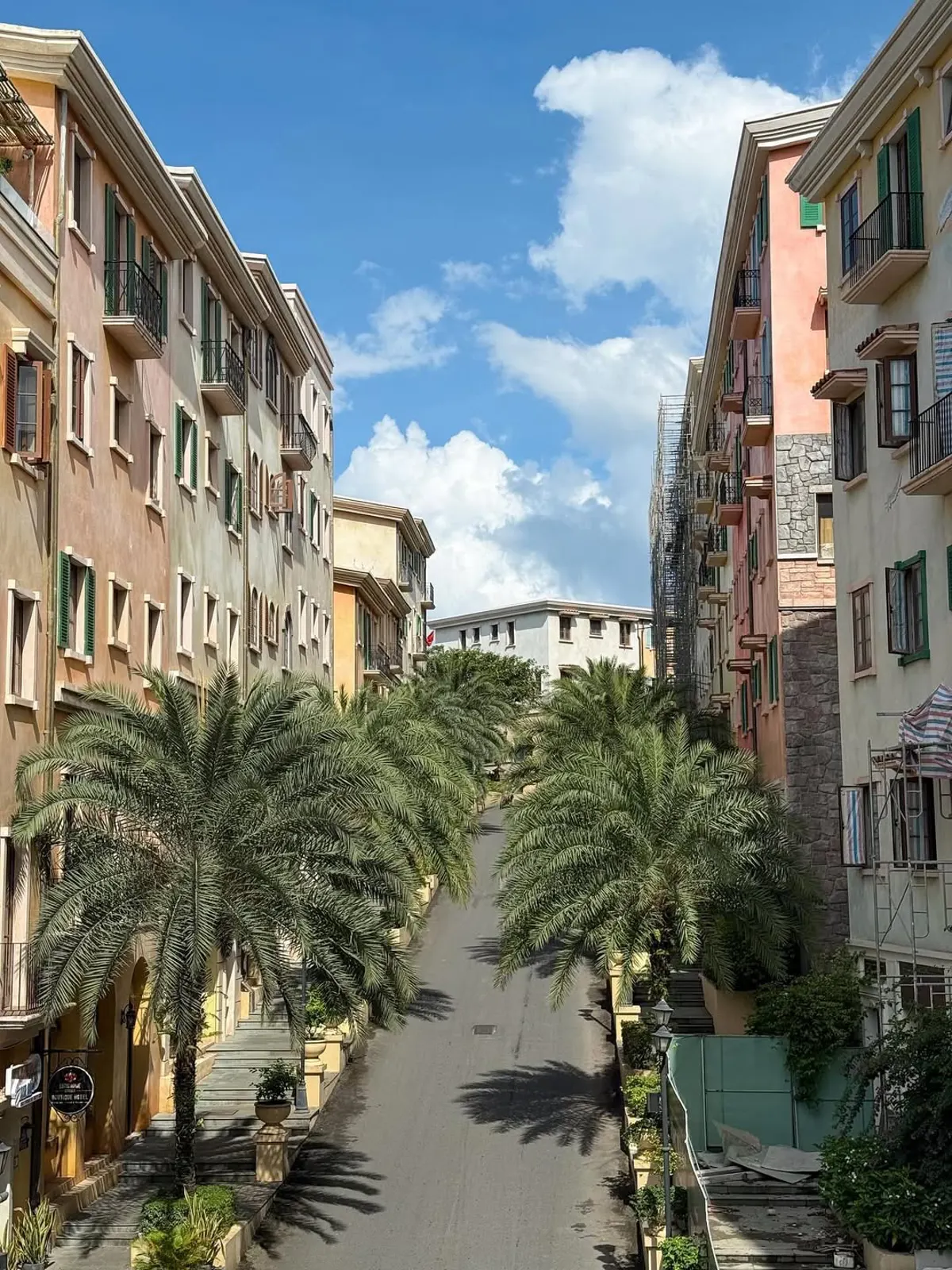
Phu Quoc Island, a notable destination in Vietnam, presents numerous opportunities for visitors to acquire unique local products and souvenirs. Beyond its natural beauty, the island is recognized for specific items that reflect its heritage and resources. Understanding what to look for can enhance the shopping experience, ensuring guests find authentic and memorable mementos from their trip.
The range of goods available includes items derived from the island's natural environment, such as cultivated pearls, and products crafted from local ingredients like the distinctive Sim Wine. Additionally, various artisanal creations offer a glimpse into regional craftsmanship. This guide provides an overview of the most prominent items to consider purchasing while exploring Phu Quoc.
Unique Souvenirs from Phu Quoc Island
Phu Quoc's appeal extends beyond its coastal scenery to its array of local products, making it a destination for those seeking distinctive keepsakes. The island's environment supports the production of several items that are not only characteristic of the region but also hold cultural significance. Visitors often seek out these specialties to remember their time on the island or to share with others.
The selection ranges from precious jewelry to culinary items and decorative arts, each telling a part of Phu Quoc's story. Knowing the origins and characteristics of these products can help shoppers make informed choices, ensuring they acquire items that are both authentic and representative of the island's unique offerings.
Cultured Pearls and Jewelry
Pearls are frequently cited as a premier purchase on Phu Quoc Island. The island's coastal conditions are conducive to pearl farming, an industry that has adopted modern cultivation methods from countries like Japan and Australia. This approach involves nucleating oysters, typically between six and twenty-four months old, and then placing them in sea-bed cages for approximately two years. Throughout this growth period, the oysters and their surrounding water are regularly cleaned to promote the development of shiny, high-quality pearls.
Throughout Phu Quoc, from arrival points like the harbor and airport to shops within Duong Dong town and along various streets and markets, cultured pearls are widely available. These pearls are fashioned into diverse jewelry pieces, including rings, necklaces, earrings, bracelets, and other accessories. Both saltwater and freshwater pearls are offered. It is important to note that prices for pearl jewelry at dedicated farms tend to be higher than those found in local markets. Shoppers are advised to exercise caution with unusually low prices in markets, as these items are frequently reported to be imitations.
Sim Wine (Rose Myrtle Wine)
Sim Wine, also known as Rose Myrtle Wine, is an alcoholic beverage crafted from the local Sim fruit, or Rose Myrtle. The traditional recipe for this wine originates from ethnic communities residing in Vietnam's central highlands, areas known for their distinct culinary practices and ways of life. On Phu Quoc, it is common to observe locals enjoying this wine alongside fresh seafood dishes, highlighting its integration into the island's dining culture.
The flavor profile of Rose Myrtle wine is often described as having a subtle sweetness, comparable to alcoholic blackcurrant juice. Historically, the Rose Myrtle tree grew wild across Phu Quoc Island, with its economic potential largely unrecognized. However, the discovery that its fruit serves as a key ingredient for this tangy wine has led to increased cultivation by local farmers to support production. Visitors can purchase Sim wine at various shops in Duong Dong town and along Long Beach. For those interested in the production process, factories such as Son Phat Company in Duong To Commune are noted destinations. A small bottle of Sim wine typically costs between USD 5-10 (price from 2016, subject to change), with variations based on brand and quality.
Local Handicrafts and Artworks
Duong Dong town serves as a central hub for finding a wide array of handicrafts and artistic items on Phu Quoc. The shops in this area present diverse selections and pricing structures. Establishments featuring products primarily sourced from the mainland often provide discounts, while those offering unique, locally produced crafts may command higher prices. For example, several shops situated along Long Beach are known for selling visually appealing artworks that make for interesting souvenirs.
Beyond general retail, a museum is located behind Cuoinguon Shop on Long Beach. This venue showcases an extensive collection of pottery, historical currency, various seashells, and animal skeletons, offering a deeper look into the island's natural and cultural history. Exploring these locations provides opportunities to find distinctive items that capture the essence of Phu Quoc's artistic and natural heritage.
Where to Find Phu Quoc's Distinctive Products
When seeking out the island's specialty items, several locations across Phu Quoc offer different shopping experiences. From dedicated production facilities to local markets and artisan shops, visitors have various options to explore. It is always advisable to verify current operating hours and contact information, as these details can change.
| Place | Address | Phone | Notes |
|---|---|---|---|
| Son Phat Company (Sim Wine) | Duong To Commune | Not supplied | Known production factory for Rose Myrtle Wine. |
| Cuoinguon Shop (Handicrafts & Museum) | Long Beach | Not supplied | Offers handicrafts; a museum at the back displays pottery, old money, seashells, and animal skeletons. |
| Duong Dong Town | Various locations | Not supplied | Central area for diverse shops selling handicrafts, Sim Wine, and pearls. |
| Long Beach | Various locations | Not supplied | Features shops selling artworks and other souvenirs. |
| Local Markets | Island-wide | Not supplied | Widely available for pearls (caution advised for authenticity) and other local goods. |
For those interested in a more comprehensive exploration of the island's offerings, consider a Phu Quoc Island exploration tour that can guide you to various points of interest, including shopping areas and natural sites.
Understanding Pearl Authenticity
The prevalence of pearls on Phu Quoc means that shoppers should be aware of authenticity concerns, particularly when encountering items with significantly reduced prices. Genuine pearls, whether saltwater or freshwater, possess certain characteristics that distinguish them from imitations. Understanding these differences can help consumers make confident purchases.
Authentic pearls typically have a subtle iridescence and a slightly irregular surface, even in high-quality specimens. When gently rubbed against each other, real pearls often produce a slightly gritty sensation due to their nacre layers, whereas fakes tend to feel smooth. Examining the luster and overtone, which is the subtle color that appears on the surface, can also provide clues. Farm-direct purchases, while potentially more expensive, generally offer greater assurance of authenticity compared to less regulated market stalls.
ajtable>Culinary Delights to Take Home
Beyond the unique Sim Wine, Phu Quoc offers other edible souvenirs that capture the island's flavors. While the source material specifically highlights Sim Wine, the island is broadly known for its agricultural products. Visitors often seek out local spices, particularly Phu Quoc pepper, which is renowned for its strong aroma and flavor. This spice is cultivated on local farms and is available in various forms, including black, white, and red pepper.
Another culinary staple, though not explicitly mentioned for purchase as a souvenir in the source, is Nước Mắm, or Vietnamese fish sauce. Phu Quoc is celebrated for producing some of the highest quality fish sauce in Vietnam, a fundamental ingredient in Vietnamese cuisine. While not typically a 'souvenir' in the traditional sense, a bottle of authentic Phu Quoc fish sauce can be a valuable culinary take-home for cooking enthusiasts. These items allow visitors to bring a taste of Phu Quoc back to their own kitchens.
Planning Your Shopping Trip
To make the most of shopping on Phu Quoc Island, a little planning can be beneficial. Consider visiting markets and shops during cooler parts of the day, especially if you plan to spend extended time browsing. Bargaining is a common practice in many local markets, particularly for handicrafts and non-fixed price items. Starting with an offer significantly lower than the asking price and negotiating respectfully is often expected.
When purchasing items like pearls or other valuable goods, it is prudent to research reputable sellers beforehand. Always verify the quality and authenticity of products, especially for higher-value purchases. Keeping an eye on your budget and being prepared with local currency can also streamline the shopping experience. Exploring the diverse experiences Phu Quoc Island offers can also help you identify other unique items you might wish to acquire.
Frequently Asked Questions
What are the signature items to purchase in Phu Quoc?
The most recognized signature items to purchase on Phu Quoc Island include cultivated pearls, local Sim Wine (Rose Myrtle Wine), and various handcrafted goods and artworks. These products reflect the island's natural resources and cultural traditions.
Where is the best place to buy authentic pearls on Phu Quoc?
For authentic pearls, it is generally recommended to purchase directly from established pearl farms or reputable jewelry stores on the island. While local markets offer pearls at lower prices, there is a higher risk of encountering imitations.
How much does Sim Wine typically cost?
As of 2016, a small bottle of Sim Wine typically cost between USD 5-10, with prices varying based on the brand and specific quality. Visitors should expect current prices to differ and verify them upon purchase.
Are there any unique art or craft items to look for?
Yes, Duong Dong town and shops along Long Beach offer a range of unique handicrafts and artworks. The museum behind Cuoinguon Shop on Long Beach also displays pottery, old money, seashells, and animal skeletons, providing a sense of the types of items that might be available.
What precautions should I take when shopping for souvenirs?
When shopping for souvenirs, especially high-value items like pearls, it is advisable to research reputable sellers, be cautious of unusually low prices, and understand the characteristics of authentic products. Bargaining is common in markets, so be prepared to negotiate respectfully.
| Feature | Farm-Sourced Pearls | Market-Sourced Pearls (Lower Price) |
|---|---|---|
| Price | Generally higher | Often significantly lower |
| Authenticity | Higher likelihood of being genuine | Higher risk of being imitation or lower quality |
| Variety | May offer a curated selection of sizes and types | Wide variety, but quality can be inconsistent |
| Information | Producers may provide details on cultivation and origin | Limited information on origin or quality |








