
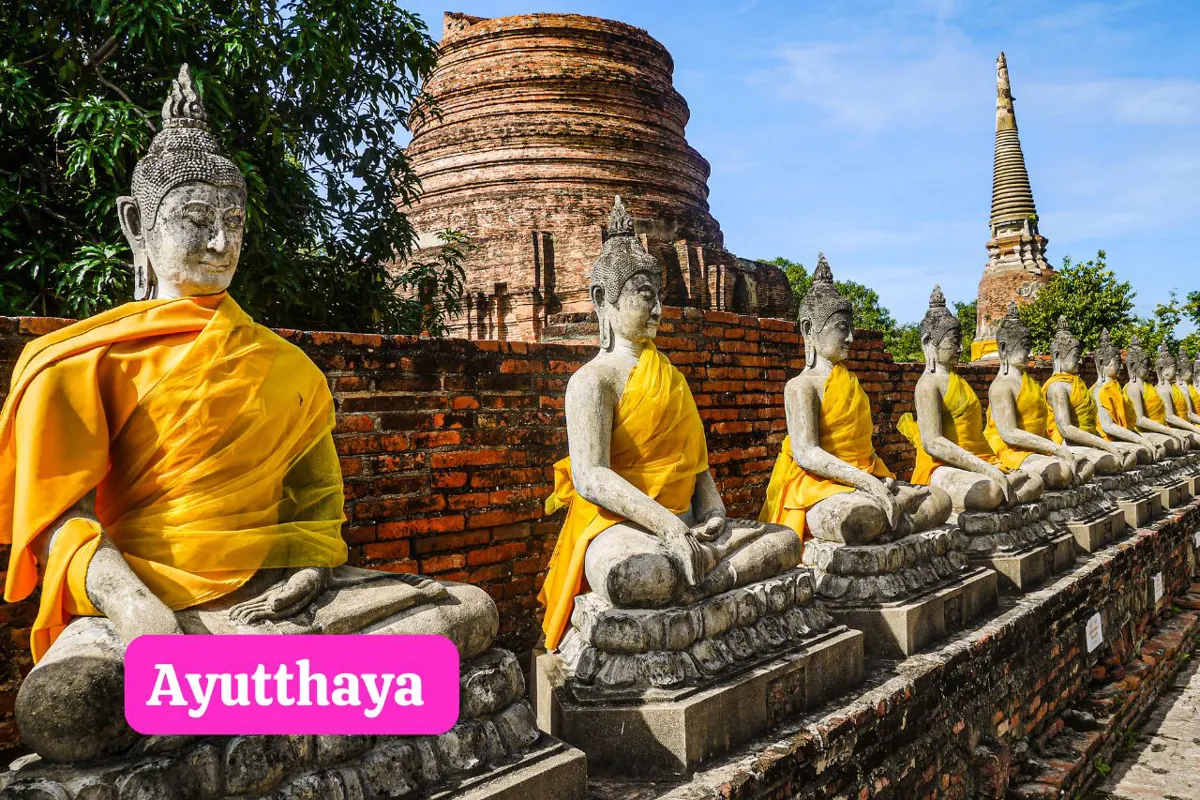
Ayutthaya, once the capital of the Kingdom of Siam, stands as a testament to Thailand's rich past. Located a short distance from central Thailand, this ancient city is a favored destination for many travelers seeking to explore historical architecture and cultural heritage. Its numerous temple complexes and archaeological remains draw visitors keen to understand the region's former grandeur.
For those planning a trip to this significant historical area, focusing on its most prominent sites can help structure an enriching itinerary. The following guide details five notable attractions that showcase Ayutthaya's unique architectural styles and historical narratives, making them essential stops for anyone touring the former capital.
The Historical Significance of Ayutthaya
Founded in 1350, Ayutthaya served as the second capital of the Siamese Kingdom, flourishing for over 400 years until its destruction in 1767. During its zenith, it was a global center for trade and diplomacy, boasting impressive architecture and a diverse population. The city's strategic location and fertile lands contributed to its prosperity, allowing for the construction of grand palaces, monasteries, and fortifications.
Today, the remains of Ayutthaya are recognized as a UNESCO World Heritage Site, preserving the remnants of its past for future generations. The historical park encompasses numerous temples, statues, and structures, offering a glimpse into a powerful and sophisticated civilization. Walking through these ancient grounds provides a profound connection to Thailand's enduring cultural legacy.
Prominent Historical Sites in Ayutthaya
The historical park of Ayutthaya is home to many significant religious and royal structures. Among them, several stand out for their historical importance, architectural distinctiveness, and visitor appeal. These sites collectively tell the story of the city's rise and fall.
Wat Mahathat
Situated at the heart of Ayutthaya, Wat Mahathat held a central role as a royal monastery and the residence for Thailand's supreme Buddhist leaders. Its classical and intricate architectural elements contribute to its popularity among those exploring the ancient city. The site is particularly renowned for a specific image: an ancient tree that has grown to encircle a Buddha head, which many visitors consider to possess spiritual significance.
This iconic imagery draws considerable curiosity, making Wat Mahathat a frequently visited location. The detailed craftsmanship of its remaining structures, even in their ruined state, provides insight into the artistic achievements of the Ayutthaya period.
Wat Yai Chai Mang Khon
Located towards the southern part of Ayutthaya, Wat Yai Chai Mang Khon is a temple with a rich history, established by King U Thong, the first monarch of Ayutthaya, in 1357. Despite its ancient origins, the temple features several distinctive characteristics that attract a steady stream of visitors.
A notable feature of Wat Yai Chai Mang Khon is its imposing chedi, accessible via a very steep staircase, presenting a challenging ascent for those wishing to reach its upper levels. Additionally, the temple grounds are unique for housing a large reclining Buddha statue situated in the open courtyard, a configuration not commonly found at other temples in the area.
Wat Chaiwatthanaram
Constructed in 1630 by King Prasat Thong as a tribute to his mother, Wat Chaiwatthanaram exhibits architectural influences reminiscent of the Khmer style, drawing parallels to structures like Angkor Wat in Cambodia. Positioned on the western bank of the Chao Phraya River, just outside the ancient city limits, its distinctive main tower, standing at 35 meters, is visible from a distance, surrounded by eight smaller chapels.
This temple is widely regarded as an excellent location for photography, with many visitors capturing memorable images against its historical backdrop. Furthermore, ascending to the higher points of the temple offers expansive views of the surrounding area, particularly appealing during sunset hours. The Buddha statues within the complex are notably adorned with yellow and black pigments, adding to the site's visual appeal.
Wat Ratchaburana
Among Ayutthaya's ancient structures, Wat Ratchaburana is recognized for being one of the best-preserved ruins following the conflicts that impacted the city. King Borommarachathirat II commissioned its construction in 1424, dedicating it as a memorial on the cremation site of his two elder brothers. While not among the largest temples, it holds a significant place in Ayutthaya's history.
The temple is celebrated for its decorative elements, which incorporate motifs and styles akin to Hindu traditions, distinguishing it from other Buddhist sites. Its unique aesthetic continues to attract a substantial number of visitors annually, drawn to its distinct beauty and historical narrative.
Wat Phra Si Sanphet
Once part of the royal palace grounds, Wat Phra Si Sanphet was the largest temple in Ayutthaya, built by King Boromatrailokanat in 1448. It remains an essential destination for anyone exploring the historical park. The site is characterized by three prominent chedis standing side-by-side, which are among its most recognizable features.
Before its destruction during historical invasions, Wat Phra Si Sanphet housed a colossal Buddha image, famously adorned with 0.3 tons of pure gold. Although the statue is no longer present, the architectural layout of the temple continues to offer excellent opportunities for artistic photography, contributing to its ongoing popularity among visitors.
Comparing Ayutthaya's Major Temples
| Temple Name | Founding Year | Key Architectural Style / Influence | Notable Features |
|---|---|---|---|
| Wat Mahathat | Unknown (central role from early Ayutthaya) | Classic Ayutthayan | Buddha head entwined in tree roots, royal monastery |
| Wat Yai Chai Mang Khon | 1357 | Early Ayutthayan | Steep chedi staircase, large reclining Buddha in courtyard |
| Wat Chaiwatthanaram | 1630 | Khmer (Angkor Wat style) | 35-meter central prang, riverbank location, sunset views |
| Wat Ratchaburana | 1424 | Ayutthayan with Hindu motifs | Well-preserved ruins, crypts with murals (often closed to public) |
| Wat Phra Si Sanphet | 1448 | Late Ayutthayan | Three large chedis, royal temple, once housed gold Buddha |
Planning Your Visit to Ayutthaya's Ancient City
Ayutthaya's historical park is conveniently located, making it a popular choice for a day trip from Bangkok. Travelers can reach the city by train, bus, or private car. Once in Ayutthaya, various transport options are available for navigating between the sites, including tuk-tuks, bicycles, or even boat tours along the river.
Given the proximity of the major temples within the historical park, it is feasible to visit all five highlighted attractions in a single day. Digital maps and internet-connected devices can assist with navigation, ensuring a smooth experience. When preparing for international travel, it's always wise to consider financial arrangements. Understanding local banking services can be helpful, much like how visitors might research banking services in Hanoi or financial transactions in Ho Chi Minh City. For those exploring Southeast Asia, knowing about dining options in Phnom Penh can also enhance the overall experience.
Visitors should wear comfortable shoes suitable for walking and attire appropriate for visiting religious sites, typically covering shoulders and knees. Bringing water, especially during warmer months, is also advisable. While the sites are generally open during daylight hours, checking current operating times before your visit is recommended.
Frequently Asked Questions
What is the best way to travel to Ayutthaya from Bangkok?
Travelers can reach Ayutthaya from Bangkok using several methods. Options include taking a train from Hua Lamphong station, a minivan from Mochit Bus Terminal, or hiring a private taxi or tour. Each method offers different levels of comfort and travel time, with trains providing a scenic and economical option.
Can all major Ayutthaya temples be seen in one day?
Yes, it is generally possible to visit the main historical temples of Ayutthaya, including Wat Mahathat, Wat Yai Chai Mang Khon, Wat Chaiwatthanaram, Wat Ratchaburana, and Wat Phra Si Sanphet, within a single day. Their relative proximity within the historical park allows for efficient touring, especially with planned transportation.
What should visitors wear when exploring Ayutthaya's temples?
When visiting religious sites in Ayutthaya, it is advisable for visitors to dress respectfully. This typically means wearing clothing that covers the shoulders and knees. Light, breathable fabrics are recommended, especially during warm weather, along with comfortable footwear for walking.
Is there an entrance fee for the temples in Ayutthaya?
Most of the major historical temples and sites within the Ayutthaya Historical Park have individual entrance fees. A combined pass might also be available for multiple sites, offering convenience and potential savings. It is recommended to check the latest fee structures upon arrival or through official tourism resources.
Is it necessary to hire a guide for Ayutthaya?
While not strictly necessary, hiring a local guide can significantly enhance the experience of visiting Ayutthaya. Guides can provide deeper historical context, cultural insights, and explanations of the architectural details that might be missed when exploring independently. Audio guides or detailed guidebooks are also alternatives for self-guided tours.








