
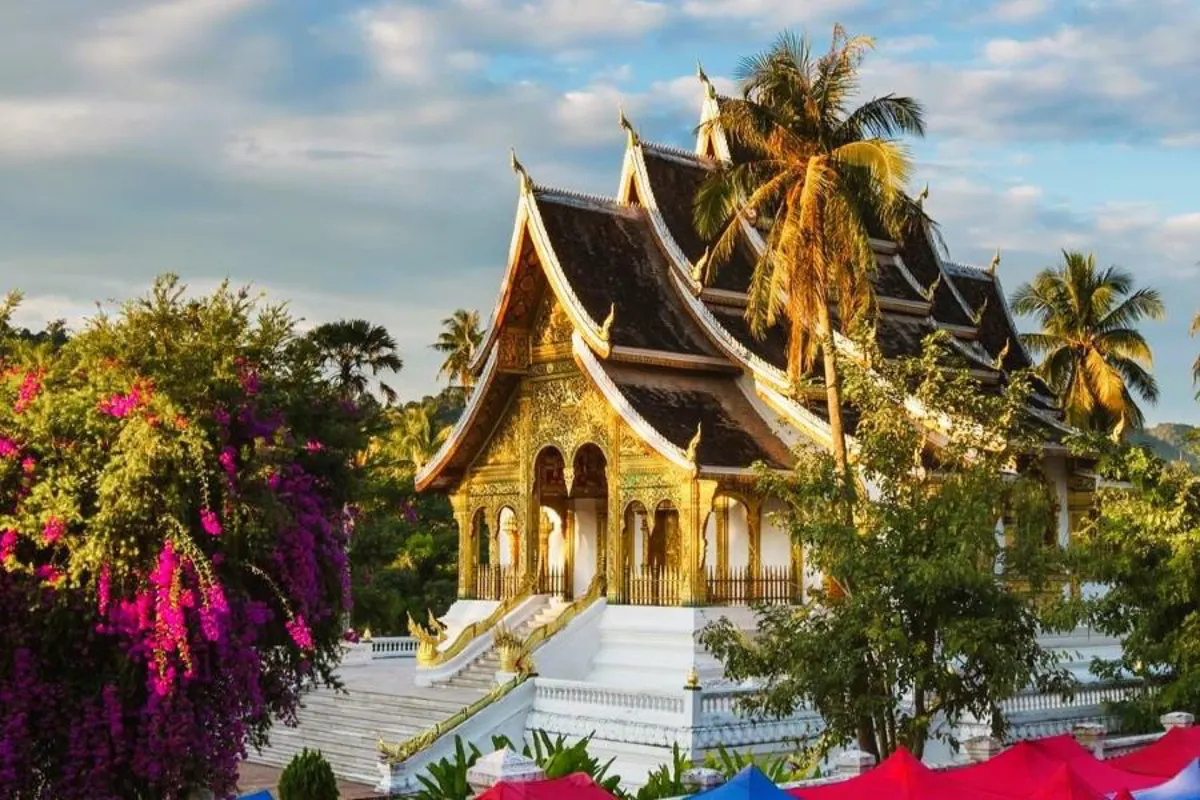
The nation of Laos is profoundly shaped by its spiritual heritage, where the principles of Theravada Buddhism form the bedrock of cultural identity and daily existence. This spiritual framework, deeply integrated with traditional animistic beliefs, provides a unique lens through which to understand the country's societal values and the calm disposition often observed among its inhabitants.
The Spiritual Foundations of Laotian Society
Buddhism has historically held a central position in Laos, serving as the official state religion for extended periods. The specific tradition followed is Theravada Buddhism, which shares many characteristics with practices in neighboring countries. A defining feature of Laotian Buddhism is its close relationship with indigenous animistic and shamanistic traditions. This intermingling means that Buddhist monasteries frequently house shrines dedicated to local 'Phi' spirits, and it is not uncommon for Buddhist monks to engage in practices associated with these spirit cults.
This spiritual blend contributes significantly to the national character, fostering a sense of tranquility and contentment even amidst economic challenges. The widespread presence of Buddhist iconography, including statues found in temples, pagodas, mountains, caves, and even forest clearings, underscores the religion's pervasive influence across the country.
Buddhism in Daily Life and Community Engagement
The presence of Buddhist monks is a common sight in Laotian towns and cities, particularly notable in places like Luang Prabang, where their saffron robes add a distinctive visual element to the streetscapes. Visitors often find opportunities to observe and respectfully photograph these daily processions, which are an integral part of the local rhythm.
Central to Buddhist teachings embraced by Laotians is the concept of reincarnation and the accumulation of merit through good deeds. This belief system is often cited as a reason for the widely recognized friendliness and peaceful nature of the Laotian people. A significant cultural practice involves most males spending a period of their youth as a monk. This temporary ordination can last from a week to several years, though a typical duration is two to four months. This experience is considered to bring substantial merit not only to the individual but also to their parents. During their time as novices, boys receive education in reading, writing, and fundamental Buddhist precepts.
For those who choose to remain monks, their lives are dedicated to spiritual development, focusing on detachment from worldly concerns to achieve enlightenment. Laypeople, in contrast, concentrate on accumulating merit for a more favorable rebirth. Monks do not engage in manual labor; instead, their days are filled with study, preaching, meditation, monastery administration, and community service. They rely entirely on the generosity of the community for their sustenance, clothing, and shelter. Local residents, especially women, regularly prepare and offer food and robes, and perform services such as cleaning monasteries and washing clothes, viewing these acts as expressions of piety and merit.
The Enduring Influence of Animism: Phi Spirits
Despite the widespread acceptance of Buddhism, traditional spiritual beliefs remain deeply ingrained in the lives of most Laotians. The belief in 'phi' (spirits) plays a crucial role, influencing people's relationship with the natural world, offering explanations for illness and misfortune, and shaping interpersonal dynamics. Many temple grounds include small huts dedicated to these spirits, reflecting the integration of these ancient beliefs.
Village monks are often respected for their perceived ability to interact with spirits, whether to exorcise malevolent ones or contact benevolent forces. Phi spirits share commonalities with land spirits worshipped in other Southeast Asian nations. They encompass various categories: some are linked to natural elements like earth, heaven, fire, and water; others are considered malevolent spirits of individuals who died violently, accidentally, or during childbirth. There are also spirits associated with animals and specific locations, particularly dangerous ones. Offerings, which typically include chickens, rice wine, and agricultural products, are made to placate these spirits, often overseen by a ritual specialist.
Each village maintains a specific village spirit that requires regular offerings and ceremonies. The veneration of ancestors is also a significant practice, with various ceremonies conducted to honor them and seek their assistance for descendants. These traditional spirit beliefs coexist harmoniously with mainstream Buddhism, forming a complex and rich spiritual landscape.
Key Religious Sites and Cultural Observations
Among Laos's many revered sites, Pha That Luang stands as a prominent national symbol, representing both the country's Buddhist faith and its sovereignty. This golden stupa in Vientiane is a focal point for national celebrations and religious observances.
For visitors interested in experiencing Laotian spiritual life, cities like Luang Prabang and Vientiane offer numerous opportunities to observe daily Buddhist practices. Witnessing the morning alms giving in Luang Prabang, where monks collect food from residents, provides direct insight into the symbiotic relationship between the monastic community and laypeople. When observing such events or visiting religious sites, it is important for travelers to maintain a respectful demeanor and dress modestly, covering shoulders and knees, to honor local customs and traditions.
Frequently Asked Questions
What type of Buddhism is practiced in Laos?
Laos primarily practices Theravada Buddhism, which is also prevalent in countries like Thailand, Cambodia, Myanmar, and Sri Lanka. This tradition emphasizes individual enlightenment through personal effort and adherence to the teachings of the historical Buddha.
How do animist beliefs interact with Buddhism in Laos?
Animist beliefs, particularly the veneration of 'phi' spirits, are deeply intertwined with Theravada Buddhism in Laos. It is common to find spirit shrines within Buddhist temple compounds, and some monks may engage in rituals related to spirit appeasement or communication. This syncretism allows both belief systems to coexist and influence daily life.
What is the significance of monks in Laotian society?
Monks hold a highly respected position in Laotian society. They serve as spiritual guides, educators, and moral exemplars. The tradition of temporary ordination for young men is a rite of passage that brings merit to both the individual and their family, contributing to their education and spiritual development.
What is Pha That Luang?
Pha That Luang is a large, golden stupa located in Vientiane, Laos. It is considered the most important national monument and a symbol of both Laotian Buddhism and national sovereignty. It is a significant site for religious festivals and national events.
How should visitors show respect at religious sites in Laos?
Visitors to religious sites in Laos should dress modestly, ensuring shoulders and knees are covered. It is customary to remove shoes before entering temple buildings. When observing monks, particularly during alms giving, maintaining a respectful distance and avoiding disruptive behavior is important. Always ask permission before taking photographs of individuals.








