
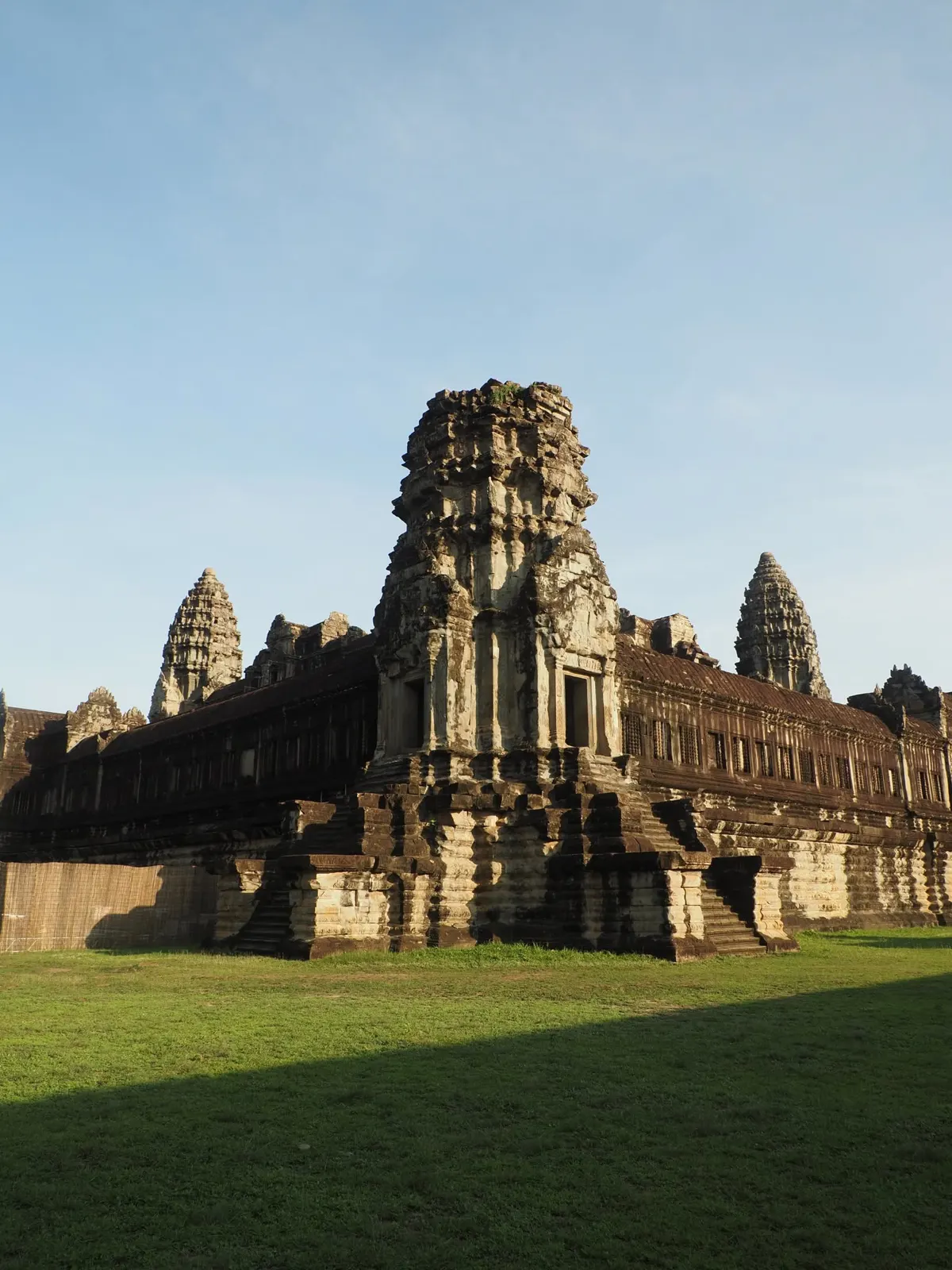
Cambodia offers a variety of opportunities for those seeking to explore its natural landscapes on foot. From ancient cultural sites to dense, untamed forests, the country provides diverse terrain for both casual hikers and more dedicated trekkers. This guide outlines popular destinations, optimal times for visiting, and essential advice to help plan an outdoor adventure across Cambodia's unique environment.
Why Explore Cambodia on Foot?
Cambodia presents compelling reasons for individuals to engage in hiking and trekking activities. While hiking typically involves established pathways, trekking often covers more varied surfaces, including dense jungles or open fields. The country's topography, characterized by rugged beauty, elevated peaks, and natural rock formations, makes it accessible for those new to these outdoor pursuits.
Local guides are often available and can provide significant assistance. Although Cambodian trekking paths are generally not overly complex, they can feature dense vegetation and thorny bushes, which might make movement challenging. Furthermore, areas with grassy hills and lower forests can experience strong winds at higher elevations, potentially depleting energy. Many turns on trails can lead to disorientation, making the guidance of local porters, who possess intimate knowledge of the land, invaluable for navigation and support.
Optimal Seasons for Cambodian Trails
Selecting the appropriate time of year is crucial for a comfortable and safe hiking or trekking experience in Cambodia. While the warm, sunny, and breezy months are often considered ideal, specific conditions can vary based on the chosen route. It is advisable to consider the distinct weather patterns before finalizing travel plans.
Cambodia's climate shares similarities with southern Vietnam, featuring a warm-dry period from November to April and a humid-dry period from May to October. The southwest monsoon typically brings heavy but brief rainfall between May and October. For those planning a trip between December and March, the landscape is often characterized by lush green foliage and clear blue skies, presenting a vibrant natural tableau. Conversely, during the burning season, the scenery transforms into a wild display of colors, with scattered yellow hues of dried tree trunks against the sky, creating a dramatic visual effect.
Notable Trekking and Hiking Destinations
Cambodia hosts several regions that are particularly well-suited for hiking and trekking, each offering distinct natural features and experiences.
Mondulkiri Province
Located in eastern Cambodia, Mondulkiri Province is recognized for its impressive waterfalls, including Bousra, Dakdam, and Pu Long. This area is a prime destination for nature enthusiasts and explorers. Journeys to these waterfalls often involve traversing forests, wading through streams, and navigating challenging mountainous terrain. The waterfalls are situated within untouched old-growth forests, requiring passage through steep slopes and marshy ground, reminiscent of a jungle expedition. Reaching these cascades offers a refreshing reward, with the opportunity to experience the cool mist and relax by the water. Visitors can also consider camping near the falls, fishing, and engaging with fellow travelers. Reports suggest that a rainbow can sometimes be observed at the base of the waterfalls, adding to the scenic beauty.
Kulen Mountain, Siem Reap Province
Phnom Kulen, situated in Siem Reap province, is characterized by its rolling hills rather than towering peaks. This site holds significant religious importance, representing both Hindu and longstanding Buddhist influences. The summit, at an elevation of 1,039 meters, offers expansive views, including distant glimpses of the Angkor landscape and surrounding natural areas. This elevated point provides opportunities for photography amidst the scenic mountains. Along the route to the mountain, various eateries and small stalls sell local forest fruits, such as lychee. Entry to the mountain for foreign tourists costs $20 (current as of source publication). Guides are available, and local children are sometimes observed assisting visitors.
Outskirts of Phnom Penh
For those seeking hiking challenges close to the capital, the areas surrounding Phnom Penh offer several options without requiring extensive travel time. These locations include hills, lakes, and zones near a hydroelectric dam. Ascending these hills provides views of green bamboo forests, with opportunities to rest under the canopy of ancient trees. From higher vantage points, visitors can observe a hydroelectric dam and enjoy the calm breeze. A 7-kilometer trek through the forest allows for immersion in the tropical, shaded environment, fostering a sense of excitement and relaxation. Occasionally, travelers may encounter rare wildlife or unusual plant species. For a weekend outing, preparing essentials like tents and food in advance is advisable. Exploring Cambodian and international cuisine is also a popular activity in the capital.
The Cardamom Mountains
The Cardamom Mountains are home to Phnom Aural, Cambodia's highest peak, reaching an altitude of 1,813 meters. This ascent is considered challenging but rewarding. Beyond the inherent beauty of the mountains, visitors might encounter exceptional natural moments, where weather conditions and terrain combine to create memorable scenes. The steep inclines can be physically demanding, yet deeper into the forest, the landscape reveals charming vistas. Two streams flow from the mountain's upper reaches, their gentle sounds blending with the verdant surroundings and cool air, inviting visitors to pause and appreciate the natural setting.
Ratanakiri Province
Located in Cambodia's remote northeastern highlands, Ratanakiri Province is an excellent choice for trekking enthusiasts. The province features a varied topography, encompassing rolling hills, mountains, plateaus, lowland basins, and crater lakes. The land is characterized by extensive old-growth forests with broad-leaved trees and abundant wildlife. Visitors can anticipate experiencing sunrises over green hills, with the first light filtering through cloudy skies. Activities like group rowing on lakes and enjoying evening BBQ parties are also popular, often accompanied by local beverages and companionship. Trekking in Ratanakiri is considered a key activity for those interested in ecosystem-focused travel.
| Destination | Key Features | Entry/Activity Cost (Verify Locally) |
|---|---|---|
| Mondulkiri Province | Waterfalls (Bousra, Dakdam, Pu Long), old-growth forests, streams, camping | Not supplied |
| Kulen Mountain (Siem Reap) | Religious complex, 1,039m peak, Angkor views, forest fruits | $20 (foreign tourists) |
| Outskirts of Phnom Penh | Hills, lakes, hydroelectric dam, bamboo forests, ancient trees, 7km forest trek | Not supplied |
| Cardamom Mountains | Phnom Aural (1,813m, highest peak), steep inclines, streams, dense forests | Not supplied |
| Ratanakiri Province | Diverse topography, old-growth forests, wildlife, crater lakes, sunrises | Not supplied |
Preparing for Your Cambodian Outdoor Excursion
Careful preparation is essential for a successful and enjoyable trekking or hiking trip in Cambodia. Understanding local conditions and packing appropriately can significantly enhance the experience.
Weather Considerations
Knowledge of weather patterns is vital for outdoor activities. It is recommended to consistently check the weather forecast for your chosen trekking location two to three days before departure to allow for timely adjustments to your plans. Several online weather forecasting services can provide a preview of conditions. Mountainous and forested areas become particularly hazardous during the rainy season. A typically calm stream can quickly transform into a rapidly flowing flood during heavy rainfall, posing significant risks.
Local Conditions and Safety
Travelers should consider current local conditions, including any specific entry policies or operational changes that may have occurred, for example, due to global health events. While Cambodia is generally considered a secure tourist destination, particularly in major cities like Siem Reap and Phnom Penh, enhanced security measures are often in place to safeguard visitors.
Essential Packing List
Given Cambodia's consistently warm climate, selecting light and breathable clothing is advisable. Other crucial items to include are hats, umbrellas, sunscreen, insect repellent, and a comprehensive first-aid kit. For continuous movement across various attractions, comfortable flat shoes are recommended to prevent foot discomfort. Additionally, a list of specialized trekking gear such as weather-appropriate attire, sturdy hiking boots or shoes, a hiking backpack, navigation tools, and a lightweight jacket are important for comfort during the journey. Ensuring an ample supply of food and water is also critical to maintain energy levels for physical activities.
Planning Your Trekking or Hiking Trip
When organizing a trekking or hiking trip in Cambodia, leveraging the experiences of others and thoroughly reviewing tour details can be highly beneficial.
Seeking advice from experienced travelers about reputable, high-quality, and dependable tour agencies is a valuable step. Those who have previously booked tours can offer insights into the professionalism and organization of different companies. When booking a trekking or hiking tour, it is important to carefully examine the itinerary, schedule, and all related content. Do not hesitate to ask the consultant any questions or seek clarification on unclear points. With clear and transparent information, managing unexpected situations becomes much easier.
Frequently Asked Questions
What is the difference between hiking and trekking in Cambodia?
Hiking in Cambodia typically refers to walking on established routes and trails, often for shorter durations. Trekking, on the other hand, usually involves more challenging and varied terrain, such as dense jungles, remote areas, or mountainous paths, often over multiple days.
Are local guides necessary for trekking in Cambodia?
While not always strictly mandatory, local guides are highly recommended, especially for more challenging or less-trafficked routes. They possess invaluable knowledge of the terrain, local flora and fauna, and can assist with navigation, enhancing both safety and the overall experience.
What are the best months for outdoor activities in Cambodia?
The dry season, from November to April, is generally considered the most favorable period for hiking and trekking in Cambodia. Specifically, December to March offers pleasant weather with green landscapes and clear skies, making it ideal for outdoor excursions.
Is Cambodia safe for solo trekkers?
Cambodia is generally regarded as a safe destination for tourists. However, as with any travel, solo trekkers should exercise caution, inform others of their itinerary, and consider joining organized tours, especially for remote or challenging trails, to enhance safety.
What kind of wildlife might I encounter while trekking?
Cambodia's diverse ecosystems are home to various wildlife. Depending on the region, trekkers might encounter monkeys, various bird species, and a range of insects. In more remote areas like the Cardamom Mountains or Ratanakiri, there's a possibility of spotting rarer species, though direct encounters are not guaranteed.








