
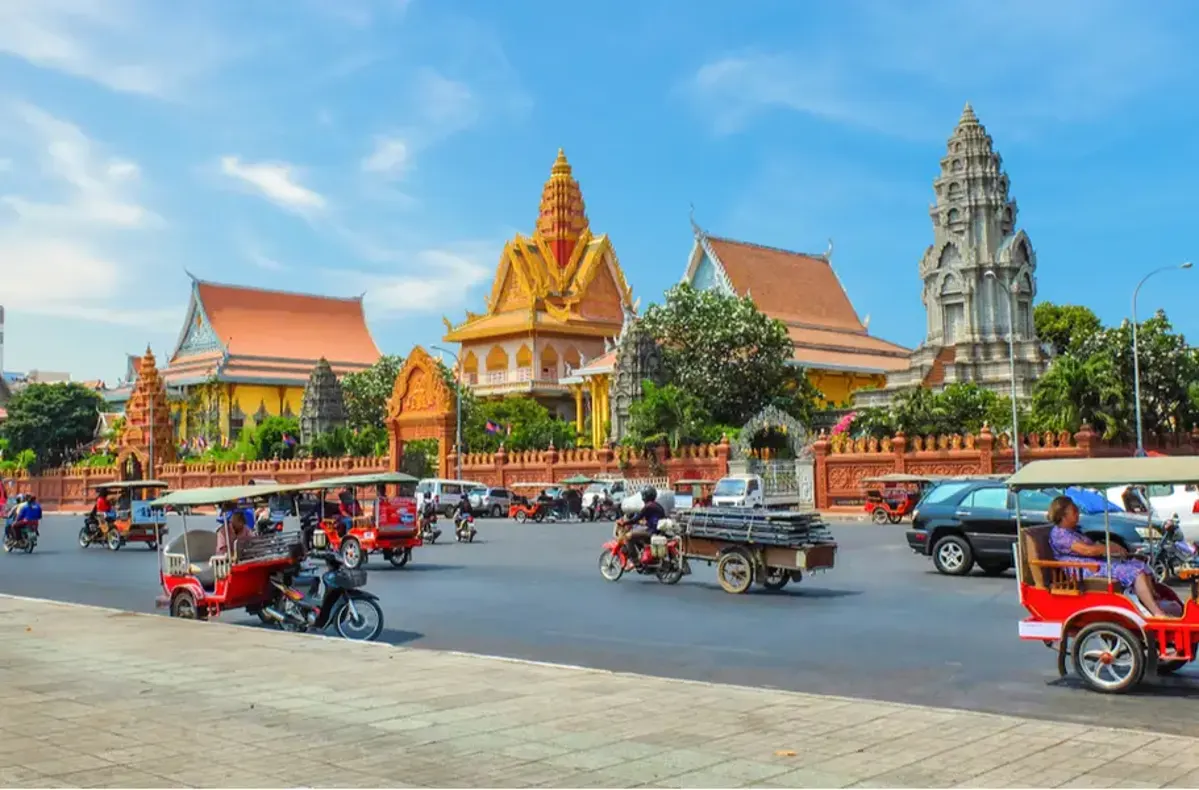
August in Cambodia falls within the country's wet season, characterized by regular rainfall. Despite the perception that this period is less ideal for travel, many visitors find the cooler temperatures and lush landscapes appealing. With proper preparation, a trip during August can offer unique experiences and potentially lower costs.
Cambodia's August Climate Overview
During August, Cambodia experiences its monsoon season, which brings consistent precipitation across the country. While rain is a frequent occurrence, it typically manifests as short, intense showers rather than prolonged, all-day downpours, allowing for periods of clear weather. These tropical showers often clear quickly, leaving behind fresh, clean air and a verdant environment. This rainfall contributes to a reduction in overall temperatures, making the climate more comfortable than the hotter dry months, though humidity remains high.
Specifically in Phnom Penh, the capital city, August skies are often overcast or partly cloudy, with approximately 91% of the month experiencing such conditions. Daily low temperatures generally hover around 26°C, rarely dropping below 25°C or climbing above 32°C. The total rainfall for the 31 days of August averages about 259.4 millimeters. Travelers should anticipate frequent rain and thunderstorms, meaning most days will involve some precipitation. Despite the rain, the region still receives around six hours of sunshine daily, offering opportunities for outdoor activities between showers. For those planning to spend time in the capital, Phnom Penh, understanding the local food scene is also part of the experience. The city offers a diverse array of dining options, from traditional Khmer dishes to various international cuisines, catering to many tastes. Exploring Cambodian and international cuisine can be a highlight of any visit.
| Metric | August Conditions |
|---|---|
| Average Temperature | 25°C - 32°C |
| Sunny Hours per Day | 6 hours |
| Humidity | 79% |
| Total Precipitation | 259.4 mm |
| Rainy Days | 14 days |
| Chance of Rain | 91% |
Discovering Cambodia's Waterways and Rural Charm
The wet season significantly transforms Cambodia's natural environment, particularly around its major lakes and rivers. August is an excellent time to visit Tonle Sap Lake, as the increased water levels lead to a flourishing of plant life, creating a verdant setting. For individuals interested in natural exploration, the expanded waterways offer opportunities to observe the local ecosystem, including the unique floating villages where communities live directly on the water. Instead of coastal trips, lake excursions become a prominent activity, providing a different perspective on Cambodian life.
Boat tours on Tonle Sap provide an intimate insight into daily life on the water. Passengers often observe unique sights, such as large pythons cohabiting with local residents on various vessels, a testament to the close relationship between people and nature in this region. These tours also allow for enjoying refreshing coconuts sold directly from boats and passing by vendors selling fruit from their floating shops. Along with the scenic views, visitors can sample local culinary specialties, including famous dried snakehead fish and other unique fish-based dishes, which are popular in the lake communities and reflect the abundance of the lake's resources.
Cultural Exploration in the Monsoon Season
Beyond the natural attractions, Cambodia's rich cultural heritage remains accessible during August. Battambang, for instance, features numerous temples showcasing both Angkorian and Buddhist architectural styles, providing a glimpse into the country's spiritual and historical past. To thoroughly experience this city's charm and its many cultural sites, exploring on foot or by bicycle is recommended, allowing for a slower pace and closer observation of local life. Visitors will frequently encounter statues depicting animals and deities, reflecting the depth and beauty of Khmer cultural artistry embedded within the urban landscape.
Another destination worth considering for an August trip is Kratie, a smaller town situated along the banks of the Mekong River. This location is known for its preserved, historic, and somewhat enigmatic buildings, many displaying distinct French colonial influences, which lend the town a unique atmosphere. While not as widely recognized as some other Cambodian tourist centers, Kratie appeals to travelers seeking a tranquil stopover. Here, one can appreciate the older architecture and potentially observe the rare Irrawaddy dolphins, which inhabit this segment of the Mekong River, making it a significant spot for wildlife enthusiasts and conservation efforts.
Advantages and Practical Considerations for August Travel
Traveling to Cambodia in August presents several benefits that might appeal to certain visitors. The reduced temperatures, a direct result of the rainy season, create a more comfortable climate for sightseeing compared to the intense heat of the dry months. The rain also helps to clear the air of dust, making for clearer views and a fresher atmosphere. For younger travelers or those seeking more adventurous experiences, the wet season can offer unique opportunities for exploring forests, mountains, and lakes, which are often at their most verdant and alive with activity.
Furthermore, August typically falls within Cambodia's off-peak travel period. This often translates to more budget-friendly options for accommodation, transportation, and activities, as prices tend to be lower than during the high season. However, visitors should also be mindful of potential health concerns. Prolonged exposure to rain and humidity can lead to colds or other minor ailments, so packing warm clothing and basic cold remedies is advisable. Additionally, cotton bandages can be useful for minor cuts or abrasions, especially if exploring natural areas where paths might be damp or uneven.
Essential Tips for Navigating August in Cambodia
When participating in boat tours, especially on larger bodies of water like Tonle Sap, safety precautions are important. Individuals who are not confident swimmers should avoid solo boating. It is always recommended to have someone who can swim within your group for added safety. Wearing a life jacket is a mandatory safety measure before boarding any vessel; for example, certain floating markets, such as those near Siem Reap, require all passengers to wear one as a standard procedure.
To manage the frequent rainfall, travelers should carry raincoats and umbrellas, which are easily packable and provide immediate protection. Regarding luggage, opting for lighter bags facilitates easier movement, particularly when navigating wet surfaces or transferring between locations. Protecting electronic devices from water damage is also crucial when near or on rivers and lakes; waterproof bags or cases are highly recommended. Given the prevalence of mosquitoes and other insects in riverine and garden areas, wearing long-sleeved attire and using insect repellent is highly recommended to ensure comfort and prevent bites, especially during dawn and dusk.
Frequently Asked Questions
Is August a good month to visit Cambodia?
August can be a good time to visit Cambodia for travelers who appreciate lush landscapes, cooler temperatures, and potentially lower travel costs during the wet season. While rain is common, it often occurs in shorter bursts, leaving ample time for activities and exploration.
What kind of clothing should I pack for Cambodia in August?
Pack lightweight, quick-drying clothing suitable for warm and humid conditions. Include a waterproof jacket or raincoat, an umbrella, and long-sleeved shirts and trousers for protection against insects, especially in rural areas. Comfortable walking shoes that can handle wet conditions are also recommended.
Are boat tours safe during the rainy season in Cambodia?
Boat tours can be safe during the rainy season, but it's essential to prioritize safety. Always wear a life jacket, especially if you are not a strong swimmer. Ensure that the tour operator follows safety guidelines and consider traveling with a group that includes someone proficient in swimming.
Can I still visit temples like Angkor Wat in August?
Yes, major temple complexes, including those in the Angkor region, are fully accessible in August. The wet season often means fewer crowds and the surrounding foliage is at its greenest, creating a unique atmosphere. Be prepared for rain and wear appropriate footwear for potentially slippery surfaces.
What are the main benefits of traveling to Cambodia in August?
Key benefits include more comfortable temperatures due to rain, a verdant natural environment, fewer tourists, and generally more affordable prices for accommodation and tours. It also offers unique perspectives on local life, particularly around the waterways, and a chance to see the country in its most lush state.








