
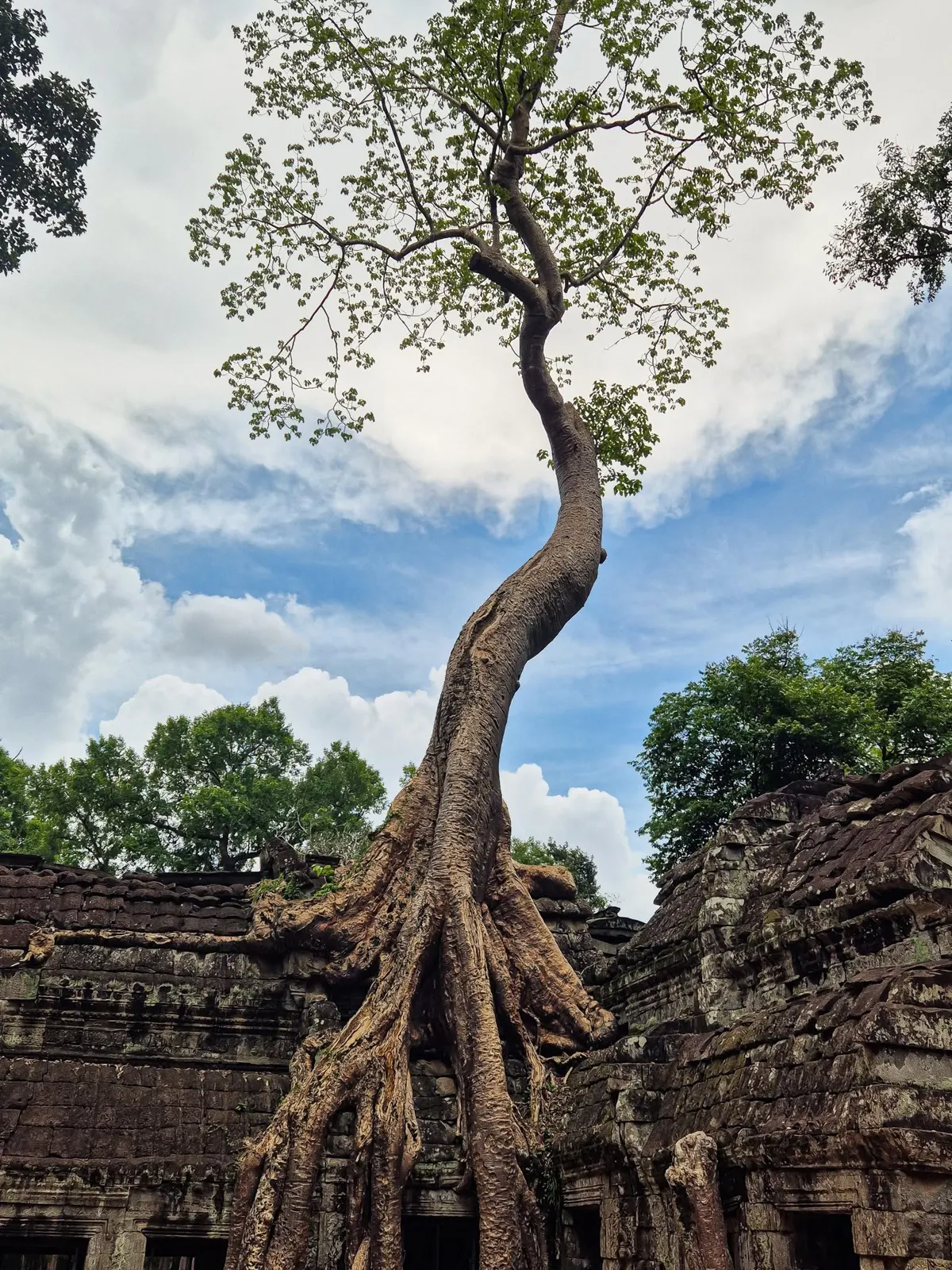
Planning a trip to Cambodia during July means preparing for the country's wet season, a period characterized by regular rainfall and moderate temperatures. While many travelers prefer the drier months, July presents unique advantages, including reduced tourist numbers and a refreshed landscape. Understanding the typical weather patterns and adopting specific travel strategies can ensure a rewarding experience.
Understanding Cambodia's July Weather Patterns
July falls within the peak of Cambodia's rainy season, which typically extends from July through September. During this month, visitors should anticipate approximately 15 to 18 days with rainfall. The rain showers are generally short-lived but intense, often lasting only a few hours before clearing. Skies are frequently overcast, though periods of sunshine do occur. Temperatures remain consistently below 30°C, with average lows around 25°C and highs around 29°C. The humidity averages approximately 81%, contributing to a warm, moist atmosphere. Daily precipitation can reach up to 35mm, with heavier rainfall often observed towards the end of the month.
Despite the frequent rain, the climate often becomes cooler and more comfortable after a downpour. It is advisable to carry appropriate rain gear, such as an umbrella or a raincoat, to stay dry. Sudden shifts in wind and temperature can signal an impending heavy shower, giving travelers a short window of about five minutes to find shelter. Following a rain shower, many visitors find a walk outside to be particularly pleasant, as the air feels noticeably fresher.
| Weather Metric | Details for July |
|---|---|
| High Temperature | 29°C |
| Low Temperature | 25°C |
| Sunny Hours per Day | Up to 3 hours |
| Average Humidity | 81% |
| Precipitation per Day | Up to 35mm |
| Rainy Days | 15 - 18 days |
| Chance of Rain | 91% |
Advantages of Visiting Cambodia in July
Traveling to Cambodia during July, which is considered the low season, offers several distinct benefits. One significant advantage is the reduced number of tourists at popular sites. This allows for easier access to attractions that might otherwise be crowded, providing a more personal and peaceful experience. Beaches, for instance, are often less populated, offering more space and tranquility. Additionally, staff at hotels and attractions may have more time to interact with guests, potentially leading to more personalized service and deeper insights into local culture.
Another notable benefit is the potential for more affordable travel expenses. Accommodation prices are typically lower during the off-peak season, and travelers might find it easier to secure discounts, especially later in the month. Opportunities for room upgrades are also more common, often simply by requesting them. Beyond financial savings, the environment itself benefits from the rain, as the air becomes cleaner, free from the dust and seasonal fires that can occur in drier periods.
Potential Challenges and Health Considerations
While July offers many advantages, travelers should also be aware of certain challenges. Road conditions can deteriorate significantly during the rainy season. Many roads, particularly those outside major urban areas, are unpaved and can become uneven, developing potholes and muddy stretches. Even on better-maintained roads, puddles can form and persist for several hours after rain. For those planning to use motorcycles or bicycles, caution is advised, as the wet and uneven surfaces increase the risk of falls. Preparing with necessary supplies and a resilient attitude is recommended for navigating these conditions.
Furthermore, the rainy season can lead to increased health risks. The overflow of water can spread microorganisms, potentially contaminating the environment. Flooding creates favorable conditions for the proliferation of bacteria, viruses, and disease-carrying vectors, which can contribute to various illnesses in humans. Travelers should take precautions such as practicing good hygiene, consuming bottled water, and being mindful of mosquito-borne diseases. For general health precautions, understanding local medical services can be beneficial.
Essential Tips for a July Trip to Cambodia
To ensure a comfortable and enjoyable trip to Cambodia in July, thoughtful preparation is key. Always carry a raincoat or umbrella in your daypack. When planning transportation, consider how weather conditions might affect travel times and road accessibility. It is wise to have contingency plans for outdoor activities, especially if heavy rain is forecast.
Instead of focusing solely on outdoor excursions, explore Cambodia's indoor attractions. Museums dedicated to sculpture, historical sites, and pagodas offer rich cultural experiences and shelter from the rain. These locations often showcase the unique architectural heritage and extensive history of the Khmer people. A leisurely tuk-tuk tour around a city, pausing to sample local culinary offerings, can be a delightful way to spend a wet afternoon. For those seeking a quiet moment, finding a cafe with a city view, sipping a warm beverage, and watching the rain can be a peaceful experience. Consider exploring a dining guide to Phnom Penh for culinary ideas.
Frequently Asked Questions
Is July a good time to visit Cambodia?
July can be a good time to visit Cambodia, especially for travelers who prefer fewer crowds and don't mind occasional rain. While it is the peak of the rainy season, showers are typically brief, and the landscape is lush and green. Prices for accommodation and tours are also often lower.
What are the typical temperatures in Cambodia during July?
In July, Cambodia experiences moderate temperatures, with average highs around 29°C and lows around 25°C. The humidity is generally high, averaging 81%.
What kind of clothing should I pack for Cambodia in July?
Lightweight, breathable clothing is recommended due to the warm and humid conditions. Essentials include a waterproof jacket or umbrella, comfortable walking shoes that can handle wet conditions, and insect repellent. Long sleeves and pants can offer protection from mosquitoes in the evenings.
Are outdoor activities possible in July?
Many outdoor activities are still possible in July, but flexibility is important. Short, heavy rains mean that activities might need to be paused or rescheduled. Consider visiting temples and other sites in the mornings or late afternoons, and plan indoor alternatives for rainy periods.
How do road conditions affect travel in July?
Road conditions can be challenging in July, particularly on unpaved routes, which may become muddy and difficult to navigate. Major roads are generally better, but puddles and occasional flooding can occur. Allow extra travel time and consider more robust transportation options if venturing into rural areas.








