
November is generally considered an excellent period to visit Cambodia, as it signals the start of the dry season. Travelers can anticipate agreeable weather conditions, characterized by clear skies and abundant sunshine, making it an opportune time for various activities across the country. This month offers a comfortable climate for exploring both historical sites and coastal regions.
November Weather Conditions in Cambodia
November ushers in Cambodia's dry season, bringing a noticeable shift in atmospheric conditions. Across the country, the average daily temperature typically ranges from 23°C to 30°C. This period sees a reduction in cloud cover, with the sky visibility improving from approximately 76% to 63% throughout the month, leading to more consistent sunny periods.
Rainfall during November is significantly lower compared to the preceding wet season. The average precipitation over a 31-day sliding window is around 102.2 mm, with an estimated five rainy days and a 20% chance of rain on any given day. Despite the reduced rainfall, humidity levels remain relatively high at about 75%, which some visitors might find muggy. The UV index often reaches 9, indicating strong sun exposure, particularly during the second week of the month, which tends to be the warmest.
| Metric | Value |
|---|---|
| Average Temperature | 23°C - 30°C |
| Average Daily Sunny Hours | 6 hours |
| Average Humidity | 75% |
| Average Monthly Precipitation | 102.2 mm |
| Average Rainy Days | 5 days |
| Chance of Rain | 20% |
| UV Index | 9 (High) |
Major Events and Activities During November
November in Cambodia is not only favorable for its climate but also for its cultural calendar, featuring significant traditional celebrations. The most prominent of these is the Bon Om Touk, or Water Festival, a grand boat racing festival observed on the 15th day of the lunar calendar's full moon, typically falling between November 11th and 13th in the solar calendar. This event commemorates the historical naval strength of the ancient Khmer Empire and highlights the importance of waterway transport.
The festival is celebrated in various locations, with the largest public gathering occurring in front of the Royal Palace in Phnom Penh. It coincides with the Mekong River's transition into its dry cycle and the unique reversal of the Tonle Sap River's flow. Attendees can experience a lively atmosphere filled with concerts, local fairs, and impressive fireworks displays. Stalls offering Cambodian culinary specialties are common, alongside free musical performances. Evenings often conclude with a boat show on the river, followed by a spectacular fireworks presentation.
Beyond cultural festivals, November's pleasant conditions are ideal for exploring Cambodia's diverse geography. Coastal areas, such as Sihanoukville, become particularly appealing. This southern seaside town is known for its relatively untouched natural scenery and agreeable climate, making it a popular destination for resort-style vacations. Visitors can engage in various water sports or enjoy fresh seafood along the coast. Additionally, smaller islands like Outer Koh Kong attract numerous resort guests who come to enjoy the warm temperatures and clear waters, making beach holidays a popular choice during this time.
Essential Planning Advice for November Travel
Given that November marks the onset of Cambodia's peak tourist season, advanced planning is crucial to ensure a smooth and enjoyable trip. Accommodation, especially in popular areas like Phnom Penh and Siem Reap, tends to be booked rapidly, and prices may be higher. It is highly advisable to secure hotel reservations at least one to two months before your intended travel dates to avoid disappointment and potentially higher costs.
For those planning to witness the Bon Om Touk festival, particularly the main events in Phnom Penh, consider booking a table at a rooftop bar with a view of the river. Establishments such as FCC, The Quay Boutique, and Le Moon are known for offering excellent vantage points, but these spots fill up quickly and require early reservations. When considering where to dine, Phnom Penh offers a diverse culinary landscape, from traditional Khmer dishes to international options.
- Book Accommodations Early: Especially in major cities and coastal resorts.
- Reserve Festival Viewing Spots: If attending Bon Om Touk, book rooftop bar tables in advance.
- Pack Light, Breathable Clothing: Cotton and linen are suitable for the warm, humid conditions.
- Sun Protection is Key: Bring sunscreen with high SPF, sunglasses, and a wide-brimmed hat due to the high UV index.
- Stay Hydrated: Carry a reusable water bottle and drink plenty of fluids.
- Be Prepared for Humidity: While rainfall is low, the air can still feel quite moist.
- Consider Travel Insurance: As with any international travel, comprehensive insurance is recommended.
Exploring Cambodia's Diverse Regions
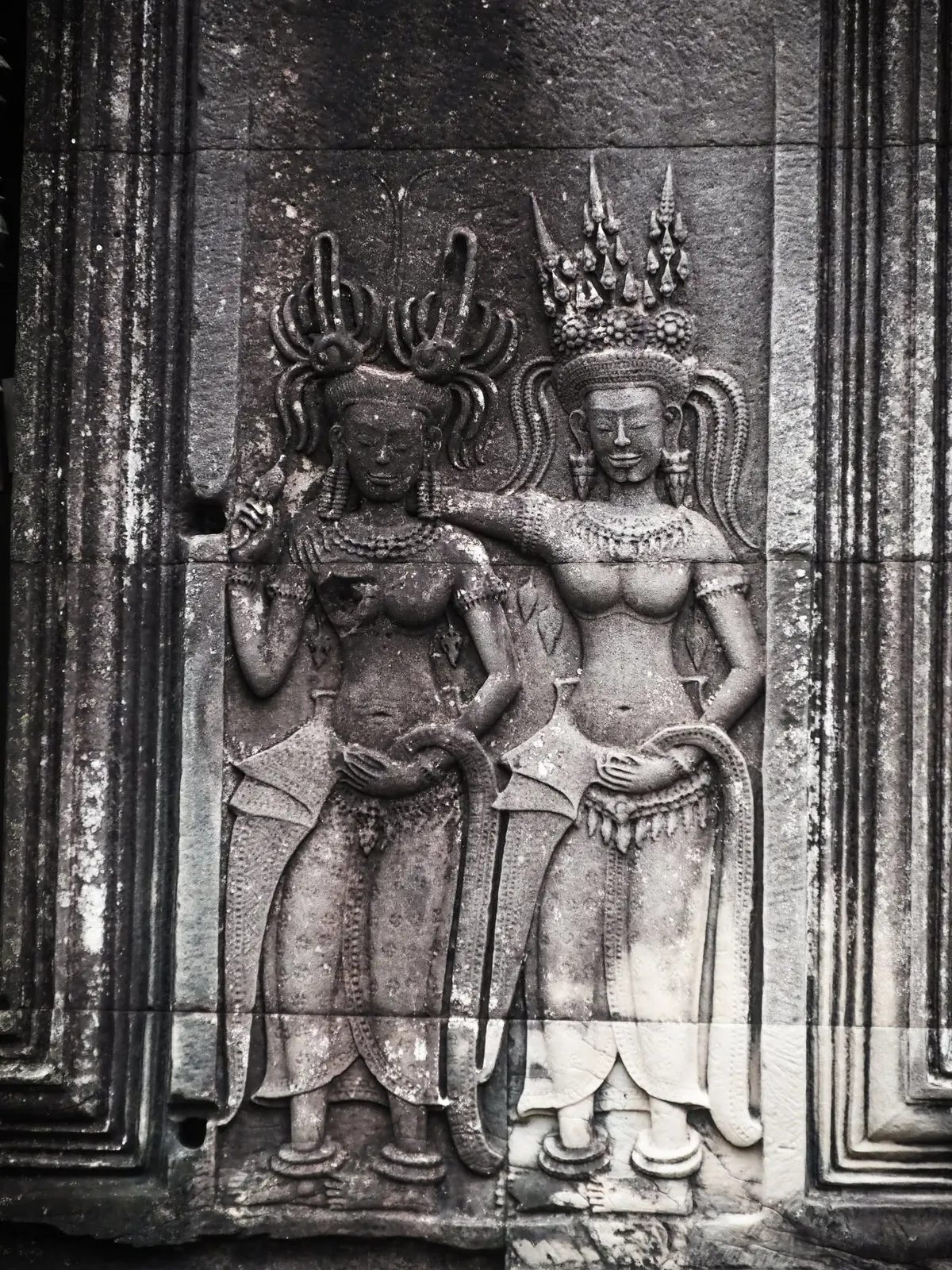
Cambodia's geographical diversity offers varied experiences, each enhanced by November's favorable weather. Beyond the capital, the ancient temples of Angkor Wat near Siem Reap are particularly pleasant to explore under clear skies, though crowds will be present. The reduced rainfall makes trekking and outdoor exploration more comfortable.
For those seeking relaxation by the sea, the southern coastline and its islands provide an appealing escape. Sihanoukville, with its developing infrastructure and natural beaches, serves as a gateway to islands like Koh Rong and Koh Lanta, where the waters are calm and inviting for swimming and snorkeling. These areas offer a different pace from the historical sites, focusing on leisure and marine activities. Visitors might also consider exploring unique purchases and souvenirs in local markets across various regions.
The country's spiritual and historical sites, often guided by local residents, offer deep insights into Cambodian culture and mythology. The agreeable weather allows for extended visits to these locations, where the stories and legends associated with each place can be fully appreciated without the discomfort of heavy rain or excessive heat.
Advantages and Considerations for November Visits
Traveling to Cambodia in November presents several distinct advantages. The primary benefit is the transition to the dry season, which brings generally pleasant temperatures and significantly less rainfall, creating ideal conditions for sightseeing, outdoor activities, and beach relaxation. The clear skies are perfect for photography and enjoying the natural beauty of the country. Furthermore, November is a time of cultural richness, highlighted by the nationally significant Bon Om Touk festival, offering a unique opportunity to witness traditional Cambodian celebrations.
However, there are also important considerations for visitors planning a trip during this popular month. As the dry season begins, so does the peak tourist season. This increased popularity means that travel expenses, particularly for accommodation and flights, tend to be higher. Availability for hotels, especially those with desirable locations or views, can become limited very quickly. Therefore, early booking is not just recommended but often essential to secure preferred options and manage costs. Travelers should also be prepared for larger crowds at major attractions, particularly during the festival period. For managing finances, understanding banking options in major cities can also be helpful during your trip.
Frequently Asked Questions
Is November a good time for beach holidays in Cambodia?
Yes, November is considered an excellent time for beach holidays in Cambodia. The dry season brings calm seas, clear waters, and pleasant temperatures to coastal areas like Sihanoukville and nearby islands such as Outer Koh Kong, making them ideal for swimming, sunbathing, and water sports.
What kind of clothing should I pack for Cambodia in November?
For a November trip to Cambodia, pack light, breathable clothing made from natural fibers like cotton or linen. While rainfall is low, humidity remains high. Include sun protection essentials such as a wide-brimmed hat, sunglasses, and high-SPF sunscreen due to the strong UV index.
Are there any major festivals in Cambodia during November?
Yes, November is notable for the Bon Om Touk, or Water Festival, a significant boat racing festival held on the 15th day of the lunar calendar's full moon, typically in mid-November. The largest celebrations occur in Phnom Penh, featuring boat races, fairs, concerts, and fireworks.
Will tourist attractions be crowded in November?
As November marks the beginning of Cambodia's peak tourist season, major attractions like Angkor Wat, as well as popular coastal areas and festival sites, are likely to experience higher visitor numbers. Early morning visits to popular sites can help mitigate crowds.
Is it necessary to book accommodation in advance for November travel?
Absolutely. Due to the popularity of November as a travel month, hotels and guesthouses, especially in key tourist destinations and during the Bon Om Touk festival, tend to fill up quickly and may increase prices. Booking your accommodation one to two months in advance is strongly recommended.








