
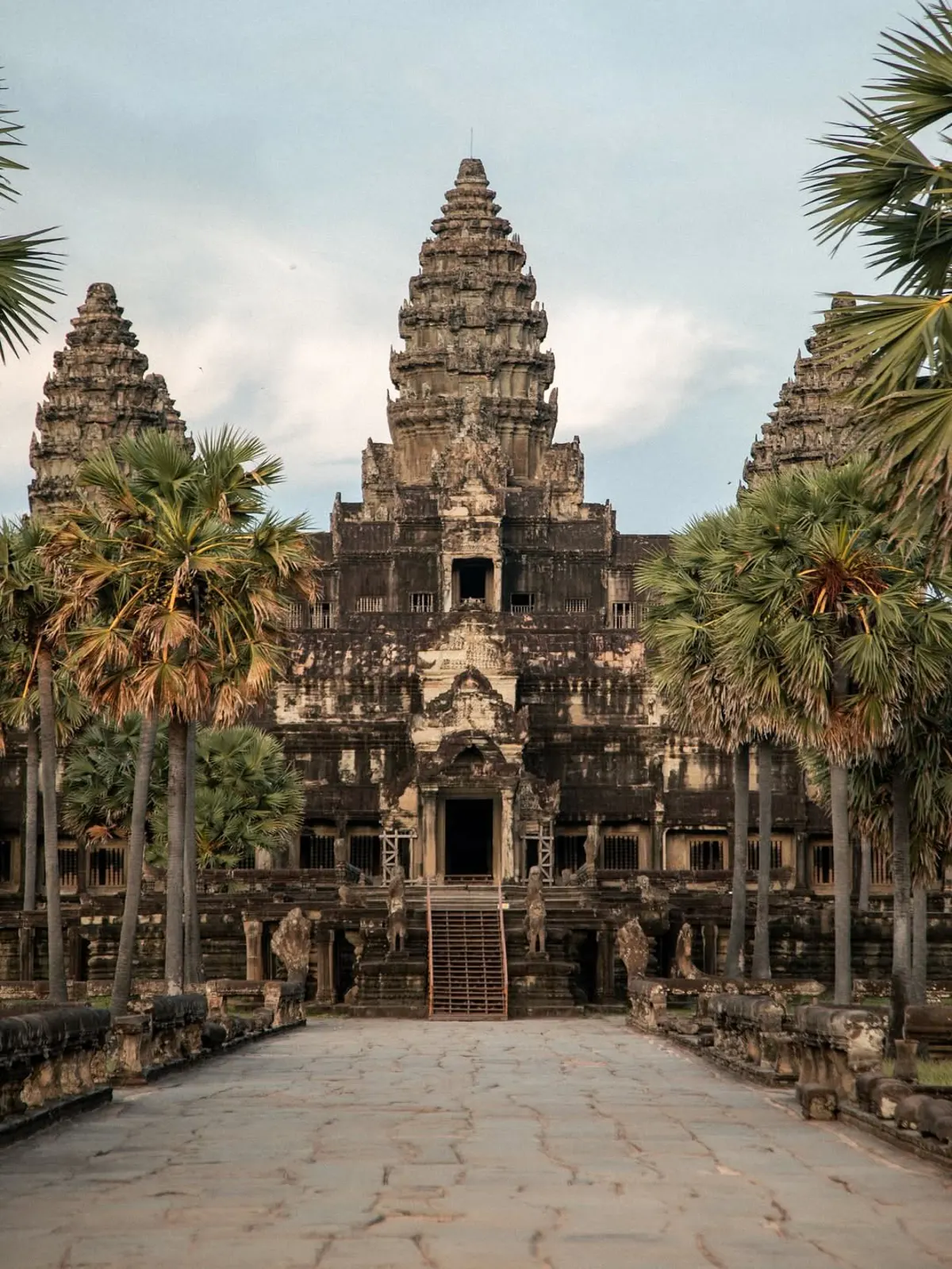
September marks the heart of Cambodia's wet season, characterized by regular rainfall and warm temperatures. While some travelers might prefer drier months, this period presents distinct benefits, including verdant scenery, reduced tourist numbers, and often more favorable pricing for accommodations and tours. Understanding the typical weather patterns and preparing appropriately can ensure a pleasant and memorable visit to this Southeast Asian nation.
Understanding September Weather in Cambodia
Cambodia's climate in September is generally warm and humid, typical of its tropical monsoon environment. The month experiences relatively high temperatures and significant moisture in the air. Daily average temperatures hover around 28.3°C (74.9°F). During this time, temperatures can drop to a low of 23°C, offering cooler evenings, and climb to a high of 33°C during sunnier periods. The relative humidity typically reaches about 85%, contributing to the tropical feel.
Rainfall is a prominent feature of September, with approximately 225mm of precipitation spread across 12 to 15 rainy days throughout the month. While rain is frequent, downpours often occur as sudden, intense bursts that usually last for a shorter duration, rather than continuous all-day rain. These showers can bring a refreshing change to the atmosphere. Despite the rainy periods, the month also sees ample sunshine, allowing for outdoor activities between the showers. The chance of rain on any given day is approximately 60%.
Advantages and Considerations for September Travel
Traveling to Cambodia during September offers several distinct advantages. As it falls outside the peak tourist season, visitors can often benefit from significant cost savings. Travel agencies, hotels, and transportation providers frequently offer promotions and more reasonable rates to attract visitors. This off-peak timing also translates to easier booking for services and accommodations, reducing the need for extensive advance planning.
One of the most appealing aspects of a September visit is the opportunity for a more tranquil and authentic experience. With fewer crowds at major attractions, travelers can explore sites at a relaxed pace, appreciating the natural beauty and cultural heritage without the usual throng of people. This allows for better photo opportunities and a deeper connection with the destination. However, there are also considerations: strong winds can sometimes lead to rough water conditions, making certain coastal or lake activities less advisable. Slippery paths are common in natural areas, and there is an increased risk of localized flooding in low-lying regions.
Recommended Activities for the Wet Season
Despite the rain, September provides unique opportunities to experience Cambodia's natural environment. The countryside transforms into a lush, green expanse, with rice fields and tropical forests appearing particularly vibrant. The presence of flooded fields creates ideal conditions for exploring rural areas, especially around Tonle Sap Lake.
A visit to Tonle Sap Lake during this season is highly recommended. The lake's water levels are higher, making boat trips to floating villages and mangrove forests particularly accessible. Visitors can observe local life, enjoy the fresh air, and even spot various bird species like white storks. Other activities in the area might include fishing excursions or visiting local crocodile farms. For those seeking urban recreation on warmer days, water parks offer a refreshing alternative. Evenings can be spent enjoying cooler temperatures by riverbanks, perhaps while enjoying a meal in the capital, Phnom Penh.
enjoy a meal in the capitalEssential Packing and Safety Advice
Preparation is key for a comfortable September trip to Cambodia. It is crucial to monitor local weather forecasts before and during your journey to adjust plans as needed. Packing items to protect against rain is essential. A waterproof backpack or a durable nylon cover for your luggage will help keep belongings dry. Additionally, wrapping clothes and other sensitive items in thick plastic bags inside your backpack provides an extra layer of protection.
A lightweight raincoat is generally more practical than an umbrella for ease of movement, especially when navigating crowded areas or engaging in activities. It ensures your body and feet remain dry. Beyond rain gear, carrying a personal medicine kit with basic remedies for colds or minor injuries is always a sensible precaution. Regarding safety, it is advisable to avoid beach activities or swimming in the ocean on rainy or stormy days due to potential strong currents and waves. Similarly, mountain climbing can be hazardous during the wet season because of slippery trails and the risk of landslides. If traveling by motorbike and rain occurs, it is safer to postpone travel until daylight or consider renting a bus for urgent journeys to mitigate risks from lightning, fallen trees, or flash floods. When preparing for any international trip, travelers often consider what unique items they might bring back, and exploring consider what unique items to purchase can be part of the planning process.
Navigating Logistics: Accommodation and Transport
One of the practical benefits of visiting Cambodia in September is the increased availability and often lower cost of accommodation and transportation. Since it is not the peak tourist period, hotels, guesthouses, and tour operators are typically less busy. This means travelers are less likely to encounter fully booked situations and can often secure rooms or services without extensive advance reservations. Many establishments also offer promotional rates during this time, allowing for more budget-friendly travel.
While spontaneity is more feasible, it is still prudent to have a few potential addresses or service providers in mind, especially for key stops. This minimizes any potential inconvenience upon arrival. The reduced demand also means that local transport, such as taxis or tuk-tuks, might be more readily available, and negotiating fares could be simpler. However, always confirm pricing before starting a journey. Despite the weather, the infrastructure generally remains functional, and local communities are well-accustomed to managing the rainy season.
| Metric | September in Cambodia |
|---|---|
| Average Temperature | 28.3°C (74.9°F) |
| Lowest Temperature | 23°C |
| Highest Temperature | 33°C |
| Relative Humidity | 85% |
| Average Rainfall | 225mm |
| Average Rainy Days | 12-15 days |
| Chance of Rain | 60% |
Frequently Asked Questions
Is September a good time to visit Cambodia?
September can be a good time to visit Cambodia, especially for travelers who prefer fewer crowds and lush green landscapes. While it is the wet season with frequent rainfall, the showers are often brief, and there are significant periods of sunshine. The lower tourist numbers also mean better deals on accommodation and tours.
What kind of weather can I expect in Cambodia during September?
Expect warm and humid conditions, with an average temperature of around 28.3°C (74.9°F). Daily highs can reach 33°C, and lows are typically around 23°C. There will be frequent rainfall, averaging 225mm over 12 to 15 days, but these are often short, intense downpours rather than continuous rain.
What activities are suitable for a September trip to Cambodia?
Activities that embrace the wet season are ideal. Exploring the countryside, particularly around Tonle Sap Lake, is popular for boat tours to floating villages and mangrove areas. City-based attractions and water parks are also good options. Evenings are pleasant for dining by riverbanks.
What should I pack for a September trip to Cambodia?
Pack lightweight, quick-drying clothing. Essential items include a waterproof backpack cover, plastic bags for organizing clothes, and a lightweight raincoat. A personal medicine kit is also advisable. Consider waterproof footwear for comfort.
Are there any specific safety concerns for travelers in September?
During September, be aware of slippery roads and trails, and the potential for localized flooding. Avoid swimming in the sea or climbing mountains on rainy or stormy days due to strong currents, high winds, and increased risk of landslides. Always check local forecasts and exercise caution, especially if traveling by motorbike in the rain.








