
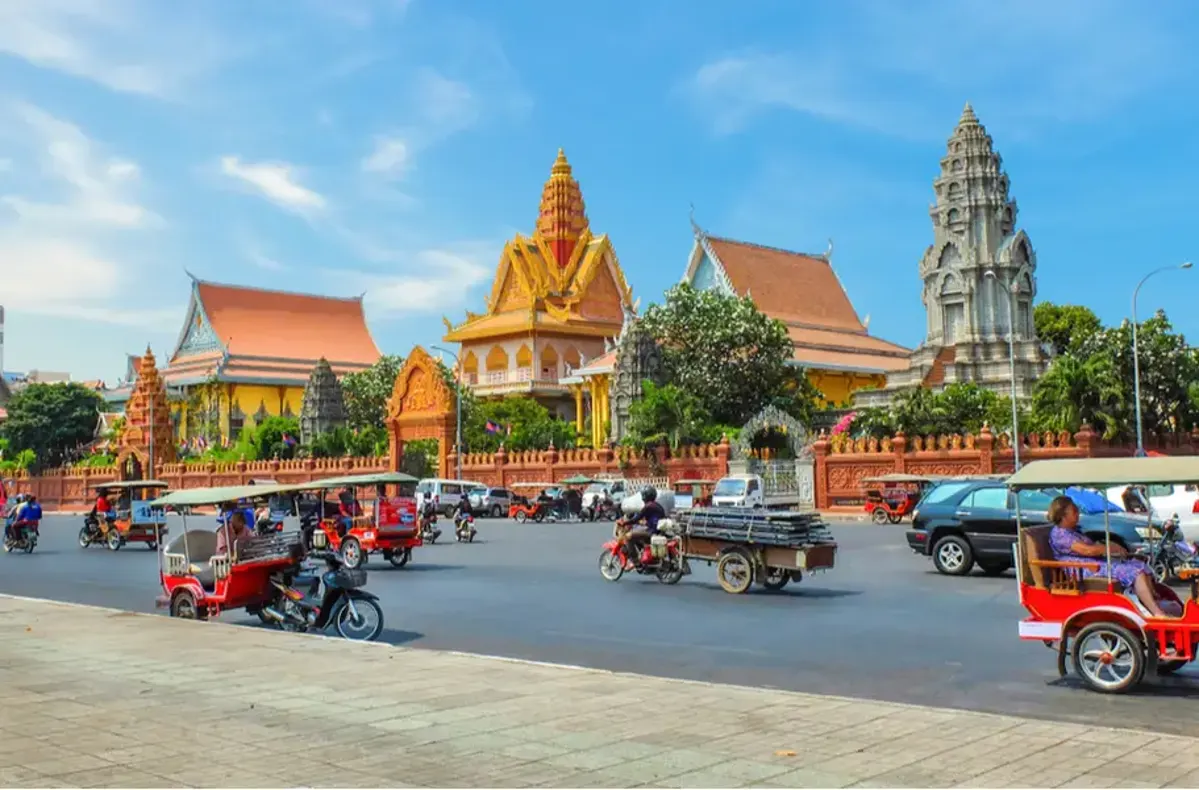
Cambodia's artistic and craft traditions represent a profound aspect of its cultural identity, shaped over centuries by religious principles and indigenous beliefs. This heritage showcases a distinctive Khmer aesthetic, influenced by animistic practices alongside Hinduism and Buddhism. The country's artistic expressions encompass a wide range, including music, dance, theater, and various forms of visual art and craft.
The Historical Foundations of Cambodian Artistry
Cambodian art has a deep historical lineage, with significant roots in the Angkor period. The monumental temples constructed during this era, such as Angkor Wat and the Bayon at Angkor Thom, stand as testaments to the Angkorian civilization's architectural prowess and decorative artistry. The artistic, architectural, musical, and craft achievements of this time established benchmarks for subsequent cultural development across Cambodia. The current state of Cambodian arts and crafts is a direct continuation of this extensive past.
The Khmer Empire, which spanned from 802 to 1431, was a pivotal time for traditional Cambodian art. Artistic endeavors during this period were concentrated primarily around the Angkor region, particularly within the Angkor Wat temple complex. Following the empire's decline, many of these sites were left to nature, allowing substantial architectural elements and stone carvings to endure to the present day.
In the period preceding colonial influence, Cambodian arts and crafts were typically created by skilled artisans who served the Royal Palace, as well as by non-specialist craftspeople in rural areas. Traditional crafts included textiles, non-textile weaving, silversmithing, stone carving, lacquerware, ceramics, temple murals, and kite production. Many of these artistic practices faced a period of decline or even ceased during the 20th century, notably impacted by events like the Khmer Rouge regime. However, Cambodia has recently experienced a resurgence in its artistic traditions, fueled by an expanding tourism market and concerted efforts from governmental and non-governmental organizations dedicated to cultural preservation.
Diverse Forms of Cambodian Artistic Expression
Cambodia's artistic and craft landscape is remarkably rich and varied. From the intricate stone carvings of the Angkor era to delicate silk weaving, Khmer art stands out globally for its depth and diversity. Today, Cambodian art is observable not only in historical monuments, temples, and museums but also in contemporary workshops. These workshops frequently offer interactive experiences for visitors interested in learning more about the processes behind Cambodian arts and crafts. Among the many forms, several categories are particularly prominent.
Khmer art, as its designation implies, originated within the Khmer Empire, which historically extended across territories now encompassing parts of Cambodia, Thailand, Laos, Vietnam, Burma, and Malaysia. This empire bequeathed an enduring legacy of aesthetic beauty and artistic influence. Khmer art is closely tied to Hindu and Buddhist spiritual beliefs, and it also exhibits influences from Javanese and Chinese cultures. Its forms generally include architecture, sculpture, carving, and written language.
Traditional Cambodian Dance and Music
Classical dance has been an integral part of Cambodian culture since the royal courts of Angkor, representing a unique contribution to global culture. Historically, these dances served as sacred rituals, intended to invoke deities and spirits or to bestow blessings of prosperity upon the monarch. Depictions of Cambodian classical dancers are visible in numerous bas-reliefs at Angkor Wat and other ancient temple sites.
The Apsara dance, formally known as Khmer Robam Apsara, is perhaps the most celebrated traditional Cambodian artistic expression. This dance was historically performed exclusively within the Royal Palace of Cambodia. Its introduction to international audiences in the 1960s significantly increased its recognition. Princess Norodom Bopha Devi, daughter of King Norodom Sihanouk, was the first Apsara dancer to achieve widespread acclaim.
Beyond the royal Apsara tradition, Cambodia also maintains a variety of folk dances. These are often characterized by faster tempos and are commonly performed during festivals. The Robam Trot is a popular Cambodian folk dance, depicting a hunter pursuing a deer. It is traditionally performed during the New Year celebrations, symbolizing the warding off of misfortune. Another folk dance, Sneak Toseay, portrays the graceful movements and imagery of animals such as peacocks or tigers. Currently, classical dance performances are presented at public events, during holidays, and as a means to educate visitors about Cambodian culture. Many travel experiences in Cambodia include opportunities to witness these traditional classical dance performances.
Enduring Crafts: Sculpture and Textiles
The art of stone carving has thrived in Cambodia for millennia. From smaller statues crafted by local artisans to the renowned carvings found at Angkor Wat and Angkor Thom, stone carving has become one of the nation's most treasured art forms. For Cambodian sculptors, it has historically been both a passion and a means of livelihood. However, in contemporary times, the practice of traditional stone carving has become less common. This decline is partly due to the longevity of older sculptures, which have have survived for centuries without needing replacement, and also because modern temple construction often utilizes cement molds. By the 1970s and 1980s, the skill of stone carving was nearly lost.
In contrast to stone carving, wood painting and sculpture continue to be practiced today. These traditional Cambodian arts and crafts often reflect the strong spiritual beliefs of the local population. Visitors might observe house pillars adorned with intricate carvings of celestial bodies like the moon and stars, alongside flowers and plants. Roof structures also frequently feature similar detailed engravings. The Khmer people traditionally revere a wooden statue known as the "God of the house." Additionally, Buddha statues and carved wooden boxes are used for interior decoration. Many local establishments now offer finely carved wooden items as souvenirs for travelers.
Silk weaving was introduced to Cambodia during the 13th century and subsequently developed along the Mekong River. This Cambodian craft experienced its peak in the 1960s but then saw a rapid decline due to conflict. Following the end of the Pol Pot era in 1979, silk weaving in Cambodia was revitalized in the 1990s and has continued to flourish. To support and meet the increasing demands of the tourism sector, the Cambodian government has initiated programs to preserve and expand silk weaving communities for visitors.
Today, silk products extend beyond traditional uses like scarves, sarongs, or ceremonial attire. They are also incorporated into modern clothing designs, contributing to the country's unique and diverse fashion identity. Cambodian silk fabric is known for its softness and can be laundered like other textiles without color fading. Patterns integrate both traditional motifs and contemporary styles, making them suitable for everyday garments.
Acquiring Cambodian Arts and Crafts
Cambodian arts and crafts are widely accessible throughout the country, particularly in major urban centers, reflecting the growth of the tourism sector. For those seeking authentic items, several establishments are frequently mentioned. While specific addresses, phone numbers, and operating hours for these venues were not provided in the source material, they are generally recognized as places to explore.
When considering purchases, visitors might also reflect on the broader context of regional craftsmanship. For those interested in unique purchases and souvenirs from Southeast Asia, the variety of traditional goods available can be quite extensive.
For visitors exploring the capital, Phnom Penh, in addition to seeking out local crafts, there are many opportunities to experience the local culinary scene. A comprehensive dining guide to Phnom Penh can help travelers navigate the city's diverse food offerings.
| Venue Name | Address | Phone Number | Operating Hours |
|---|---|---|---|
| Rehab Craft Cambodia | Not supplied in source | Not supplied in source | Not supplied in source |
| Peace Handicraft Shop | Not supplied in source | Not supplied in source | Not supplied in source |
| Villageworks – Phnom Penh Handicraft Shop | Not supplied in source | Not supplied in source | Not supplied in source |
| Watthan Artisans – Handicraft Shop in Phnom Penh | Not supplied in source | Not supplied in source | Not supplied in source |
| Jasmine Boutique | Not supplied in source | Not supplied in source | Not supplied in source |
| KNN Cambodia Arts & Crafts | Not supplied in source | Not supplied in source | Not supplied in source |
Frequently Asked Questions
What are the primary influences on Cambodian art?
Cambodian art is primarily shaped by a blend of indigenous animistic beliefs and the Indian-originated religions of Hinduism and Buddhism. Over time, Javanese and Chinese cultural elements have also contributed to its unique aesthetic.
Which historical period is most significant for Cambodian art?
The Khmer Empire, particularly the Angkor period (802-1431), is considered the most significant. This era produced the grand temples and intricate carvings that define much of Cambodia's artistic heritage, setting precedents for future cultural development.
Is the Apsara dance still performed today?
Yes, the Apsara dance, a classical Cambodian royal court dance, is still performed. While historically reserved for the Royal Palace, it is now presented at public events, during holidays, and as a cultural experience for tourists.
Have Cambodian traditional crafts experienced a decline?
Many traditional Cambodian arts and crafts did face a period of decline in the 20th century, notably during the Khmer Rouge era. However, there has been a significant revival in recent decades, supported by increased tourism and efforts from various organizations dedicated to cultural preservation.
Where can visitors typically find Cambodian arts and crafts for purchase?
Arts and crafts are widely available across Cambodia, especially in larger cities and tourist areas. Numerous shops and workshops specialize in traditional items, though specific venue details like addresses and operating hours may vary and should be verified locally.








