
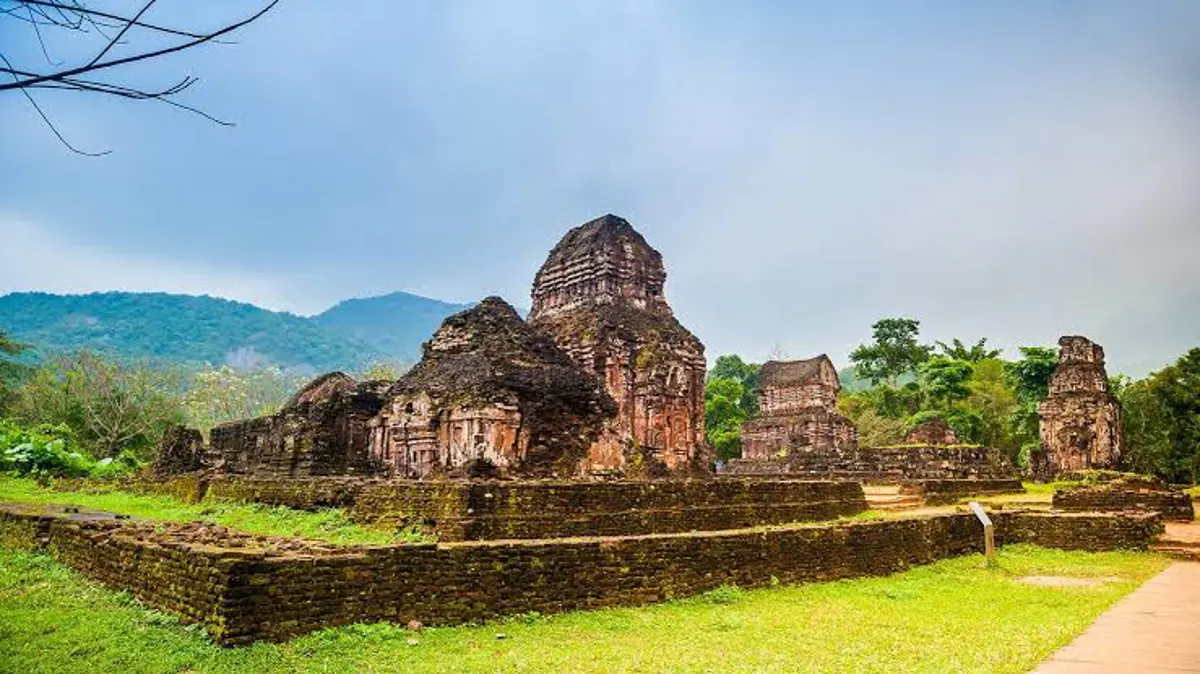
The central regions of Vietnam hold significant historical sites reflecting the influence of the Champa Kingdom, an Indianized culture that thrived from the 4th to the 13th centuries. This ancient civilization left behind a remarkable collection of temples, towers, and sculptures, offering insights into its spiritual practices and artistic achievements. Visiting these locations provides a direct connection to a sophisticated past, revealing the enduring legacy of the Cham people.
From coastal trading hubs to inland religious sanctuaries, the Cham Kingdom played a crucial role in Southeast Asian history. Its architectural and artistic expressions continue to draw visitors interested in the region's diverse cultural heritage.
The Historical Context of the Champa Kingdom
The Champa Kingdom, a seafaring civilization, established its presence along the coast of South-Central Vietnam. At its zenith, this culture exerted control over vital spice and silk trade routes connecting China, India, Indonesia, and Persia. This extensive network fostered a cosmopolitan society, heavily influenced by Hindu beliefs adopted from India. Many Cham shrines honor Shiva, frequently represented by a linga, and their carvings depict various Hindu deities.
Hindu doctrines were often blended with indigenous spiritual convictions, such as the belief in a goddess named Po Nagar. Regarded as the Mother of the World, she was thought to have originated from heavenly clouds and sea foam, creating the earth, trees, and rice, and instructing people on how to sustain themselves from the land.
Po Klong Garai Towers: A Deserted Sanctuary
Approximately six kilometers west of Phan Rang town in Central Vietnam, a gentle rise is crowned by a trio of ancient brick temple structures known as Po Klong Garai. Ascending the rocky terrain, dotted with cacti, visitors reach these 13th-century shrines, which stand as a testament to the Champa Kingdom's architectural prowess. The arid surroundings and the striking red brick towers overhead evoke a sense of historical depth at this sacred location.
These towers are dedicated to King Po Klong Garai, who ruled from 1151 to 1205. The main tower, or Kalan, houses a linga representing Shiva, while the smaller structures served other religious functions. The intricate details of the brickwork and the surviving sculptures provide a window into the spiritual and artistic traditions of the Cham people.
Po Nagar Towers in Nha Trang: A Coastal Shrine
On Mount Cù Lao in the coastal city of Nha Trang, the Po Nagar Towers complex overlooks the urban landscape and the expansive blue bay. Surrounded by flame trees with red blossoms, the four remaining towers date from the 7th to the 12th centuries, though the site has been considered sacred for a much longer period. The central tower is dedicated to the Goddess Po Nagar, depicted as a cross-legged statue with ten arms.
Despite the contemporary city environment, these Cham towers offer a compelling look into the region's past and the spiritual practices of local communities, as pilgrims continue to visit for prayer and offerings. Each year, from the 21st to the 23rd days of the Third Lunar Month (for example, April 17th to 19th in 2017), a colorful festival takes place here to honor Po Nagar. During this event, ethnic Cham people gather to ritually bathe and dress the Goddess's statue, performing prayers and sacred dances. For those interested in coastal Vietnam activities, Nha Trang offers a blend of historical exploration and modern leisure.
Mỹ Sơn Sanctuary: A UNESCO World Heritage Site
The undisputed highlight for individuals interested in Cham architecture is the Mỹ Sơn sanctuary, a UNESCO World Heritage site situated in present-day Quảng Nam province. In 1889, while supervising the construction of a telegraph line, a Frenchman named Camille Paris discovered the dilapidated remains of Mỹ Sơn, which was once the religious capital of the Champa Kingdom and had largely been forgotten by the wider world.
Decades of subsequent research uncovered evidence of approximately 70 temples. Regrettably, this site suffered extensive damage from B52 bombing during 1969 and 1972. Today, numerous structures have undergone meticulous restoration, allowing visitors a glimpse into the spiritual lives of the ancient Chams. Their political capital, Simphaparu (now Trà Kiệu), was located ten kilometers from Mỹ Sơn. This site is considered one of Vietnam's most visually striking destinations.
Museum of Cham Sculpture in Đà Nẵng: A Collection of Art
Perhaps the most accessible way to appreciate the Cham people's artistic contributions is through a visit to the Museum of Cham Sculpture in Đà Nẵng. Established in 1919, this museum features expansive grounds, a charming French-colonial structure, and a newer wing that houses the world's most extensive collection of Cham art. Gathered from sites in Quảng Nam and other regions, the museum exhibits around 300 invaluable sandstone and terra-cotta sculptures.
The collection provides a comprehensive overview of Cham artistic styles across different periods, showcasing deities, mythical creatures, and dancers. For those exploring the city, a visit to the museum can be combined with sampling local cuisine, as Da Nang offers diverse culinary experiences.
Other Notable Cham Architectural Sites
Around 50 Cham towers remain scattered throughout Central Vietnam, each offering a unique perspective on the kingdom's widespread influence. Bình Định province alone contains 14 such sites, including the Po Shanu Towers located near Phan Thiết. Other significant towers include Nhan Tower in Phú Yên province, Po Dam in Bình Thuận province, and Yang Prong Cham Tower in the Central Highland province of Đắk Lắk.
These dispersed sites underscore the geographical reach and enduring presence of Cham culture across various regions of Vietnam. While some are more extensively restored and easily accessible, others offer a more secluded experience for those willing to explore further.
Planning Your Visit to Cham Heritage Sites
When planning to visit these historical locations, consider their geographical distribution across Central Vietnam. Sites like Po Klong Garai and Po Nagar are relatively easy to access from major towns, while Mỹ Sơn might require a dedicated day trip. The Museum of Cham Sculpture in Đà Nẵng serves as an excellent starting point for understanding the art before seeing the structures in person.
Visitors should wear comfortable shoes suitable for walking over uneven terrain, especially at sites like Po Klong Garai and Mỹ Sơn. Respectful attire is also advisable when visiting religious sites. While the Champa Kingdom is ancient history, its intricately carved stone deities, sacred animals, and dancing figures continue to inspire wonder and appreciation, just as they did centuries ago.
| Site Name | Location | Key Features | Approximate Era |
|---|---|---|---|
| Po Klong Garai Towers | Phan Rang, Ninh Thuận Province | Three brick temple-towers, dedicated to King Po Klong Garai | 13th Century |
| Po Nagar Towers | Nha Trang, Khánh Hòa Province | Four remaining temple-towers, dedicated to Goddess Po Nagar, annual festival | 7th-12th Centuries |
| Mỹ Sơn Sanctuary | Quảng Nam Province | UNESCO World Heritage site, former religious capital, numerous temple ruins | 4th-13th Centuries |
| Museum of Cham Sculpture | Đà Nẵng | World's largest collection of Cham art, ~300 sculptures | Exhibits art from 4th-13th Centuries |
| Po Shanu Towers | Near Phan Thiết, Bình Thuận Province | Three towers, less frequented than other major sites | Likely 8th-15th Centuries |
Frequently Asked Questions
What was the Champa Kingdom?
The Champa Kingdom was an Indianized civilization that flourished in South-Central Vietnam from the 4th to the 13th centuries. It was a seafaring culture with strong Hindu influences, known for its distinctive architecture and art, particularly its brick temple-towers and sandstone sculptures.
Where are the main Cham sites located in Vietnam?
Key Cham sites are primarily located in Central Vietnam. Notable locations include the Po Klong Garai Towers near Phan Rang, the Po Nagar Towers in Nha Trang, the Mỹ Sơn Sanctuary in Quảng Nam province, and the Museum of Cham Sculpture in Đà Nẵng. Numerous other towers are scattered across provinces like Bình Định, Phú Yên, and Bình Thuận.
Is Mỹ Sơn Sanctuary worth visiting?
Yes, Mỹ Sơn Sanctuary is widely considered a significant destination for those interested in history and architecture. As a UNESCO World Heritage site, it offers a profound look into the religious capital of the Champa Kingdom, despite past damage. The restored structures and jungle setting create a powerful historical atmosphere.
What is the significance of the Goddess Po Nagar?
Po Nagar is a revered goddess in Cham beliefs, often referred to as the Mother of the World. She is believed to have created the earth, vegetation, and taught people essential life skills. Her worship is central to Cham spirituality, and she is honored at major sites like the Po Nagar Towers in Nha Trang, where an annual festival takes place.
Can I see Cham art without visiting the temple ruins?
Yes, the Museum of Cham Sculpture in Đà Nẵng provides an excellent opportunity to view a vast collection of Cham art, including sandstone and terra-cotta sculptures, without needing to travel to the more remote temple ruins. It offers a comprehensive overview of Cham artistic styles and religious iconography.








