
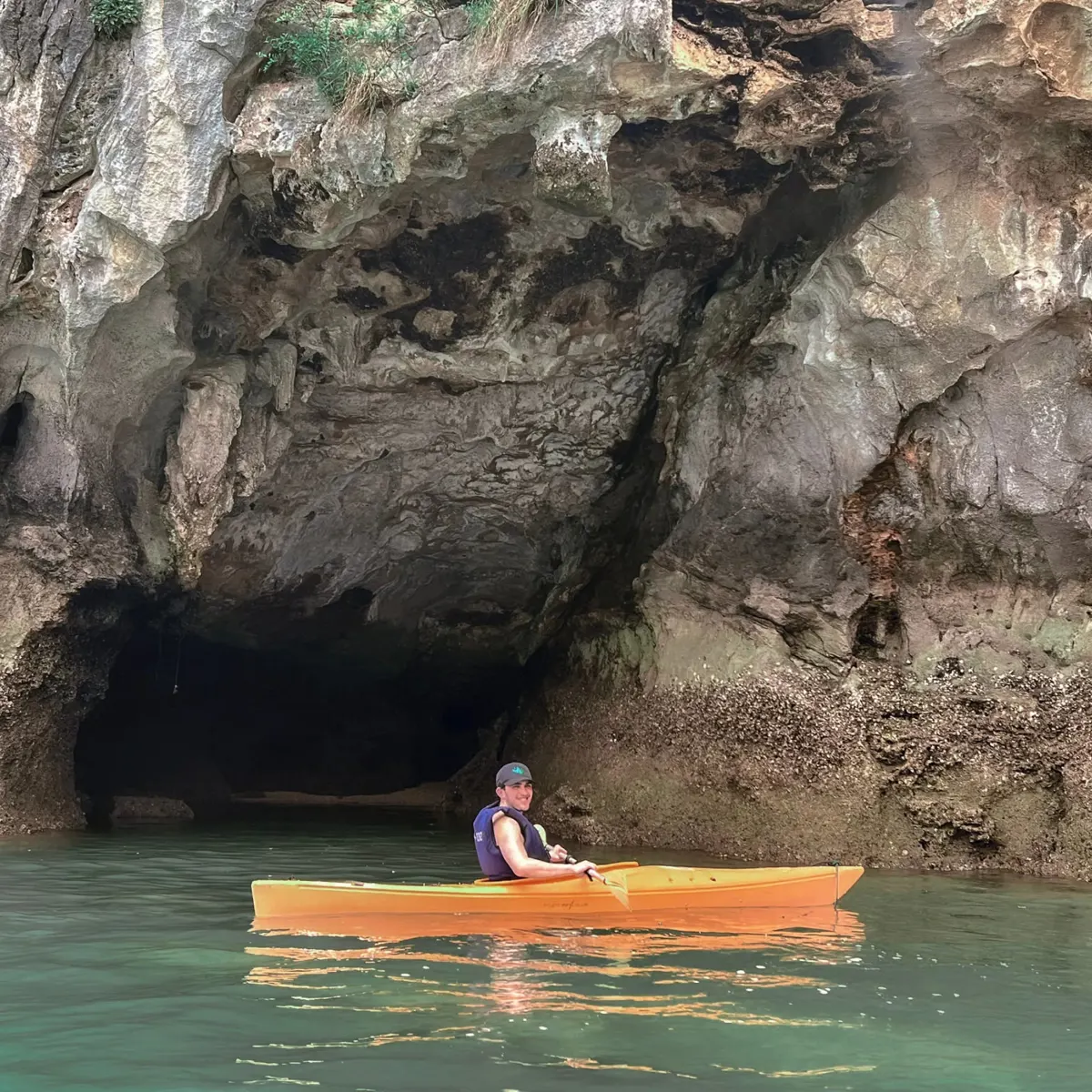
Halong Bay, renowned for its dramatic limestone formations and serene waters, is a premier destination for cruises in Vietnam. For travelers arriving by international vessel or domestic flight, understanding the specific cruise ports and how to reach them is crucial for a smooth journey. This guide details the main terminals in the region, offering insights into their locations, facilities, and the types of cruises they serve, ensuring you can plan your transfers effectively.
Overview of Halong Bay's Cruise Terminals
The Halong Bay area is geographically diverse, encompassing Halong Bay central, Bai Tu Long Bay to the northeast, Lan Ha Bay to the south, and Cat Ba Island to the southwest. To accommodate visitors exploring these distinct zones, five primary cruise ports facilitate passenger boarding. These include two international ports, Cai Lan and Halong International Cruise Port, which handle both larger international ships and domestic vessels, and three domestic ports: Tuan Chau Harbor, Hon Gai Pier, and Got Pier, primarily serving local cruises. Identifying your cruise's specific departure point is the first step in organizing appropriate transportation.
Each port offers unique characteristics and serves different parts of the bay, influencing the type of experience visitors can expect. From deep-water terminals capable of receiving large container ships to modern facilities designed by renowned architects, the infrastructure supporting Halong Bay tourism is varied and extensive. Knowing these distinctions helps travelers select the most convenient transfer options and understand what amenities are available upon arrival.
International Cruise Ports Serving Halong Bay
Two major international cruise ports in the Halong Bay vicinity are equipped to handle large vessels, including container ships exceeding 5,000 TEUs and substantial international passenger liners. These are Cai Lan Port and Halong International Cruise Port, also known as Sun Group Port.
Cai Lan Port: A Deep-Water Terminal
Located at No 1, Cai Lan Street, Bai Chay Ward, Halong City, Quang Ninh Province, Cai Lan Port is approximately 155 kilometers from Hanoi. Established in 1999 with investment from the Japanese Government's Official Development Assistance, it has become a significant international container terminal in northern Vietnam. Its 13-meter depth and contemporary equipment enable it to accommodate container ships carrying over 5,000 TEUs. Currently, the port features three piers, with one capable of receiving 40,000 DWT ships. Plans are in place to expand to five piers by 2030, further enhancing its capacity.
Beyond its cargo operations, Cai Lan also attracts international cruise ships, partly due to the natural beauty of the surrounding landscapes and ongoing investments in marine transport and other infrastructure. Travelers seeking more private cruise experiences may find departures from this port suitable. From Cai Lan, visitors interested in geological formations can arrange guided tours to sites like Thien Cung Cave or Sung Sot Cave. Those keen to observe local maritime life can visit the Cua Van Floating Village to see daily activities of the regional inhabitants. For those interested in local commerce, the area around the port might offer opportunities to explore unique purchases from a trip to Vietnam.
Halong International Cruise Port: Modern Design and Facilities
Situated at No.9 Halong Road, Bai Chay Ward, Halong City, Halong International Cruise Port is a newer facility positioned centrally within the Bai Chay tourist area, adjacent to the Sun World Halong Complex. This port is suitable for both domestic and international cruisers and has previously hosted approximately 56,000 visitors from around 40 international vessels, including prominent ships like Celebrity Millennium, World Dream, Mein Schiff, Westerdam, and Voyager of the Seas. The port features four contemporary docks, with a combined capacity to handle up to 300 boats destined for Halong Bay, Bai Tu Long Bay, and Cat Ba Island.
Designed by Bill Bensley, a globally recognized architect, the terminal showcases a blend of Vietnamese and European cultural and architectural elements. Its design incorporates a yellow color palette inspired by Hoi An's ancient town, an ocean cruiser shape, and refined interior decorations featuring wooden poles, steel, and wooden ceilings. The waiting area spans 13,500 square meters and can accommodate 2,000 people. Within the terminal, visitors can find tax-free shops, restaurants, fast-food outlets, and souvenir stores, providing conveniences before departure. Travelers managing their finances in the area might find information on banking services in Halong City useful.
Domestic Cruise Ports for Halong Bay Explorations
In addition to the international ports, three domestic terminals serve cruises within Halong Bay, primarily facilitating local tours and access to specific parts of the bay: Tuan Chau Harbor, Hon Gai Pier, and Got Pier.
Tuan Chau Harbor: The Region's Largest Pier
Located in Ngoc Chau, Tuan Chau, Halong, Quang Ninh, Tuan Chau Pier is positioned in the northwest of Halong Bay, approximately 8 kilometers southwest of Halong City. It is connected to the mainland by a long bridge. This is the largest pier in Halong Bay, extending 8 kilometers into the bay and capable of mooring up to 2,000 sea vessels simultaneously. Travel time to Tuan Chau from Van Don airport by car is about 1.5 hours, while a drive from Hanoi typically takes 3 to 3.5 hours.
Tuan Chau is an artificial harbor constructed with a Western architectural influence. It provides a comprehensive range of services, including a full-service lounge, an operating room, ticket and information counters for visitors, and offices for police and customs. The modern, air-conditioned indoor waiting area offers lounge chairs, a bar, and internet access, catering to both business travelers and VIPs. Numerous tax-free shops and restaurants are also available. Outside, long rows of benches allow visitors to observe the port activities while awaiting their departure.
Hon Gai Pier: Gateway to Bai Tu Long Bay
Situated at Group 1, Zone 2, Bai Chay Ward, Halong City, Quang Ninh Province, Hon Gai Pier (also known as Vinashin Pier) is located in East Halong, near the Bai Chay Bridge. This pier is a popular departure point for cruises exploring Bai Tu Long Bay. Although it is generally smaller and less busy than some other ports, Hon Gai Pier is a vital piece of transportation infrastructure for Quang Ninh province, supporting the region's marine economic development. The facility is a three-story building, with each floor covering 4,500 square meters.
Hon Gai Pier can accommodate both domestic cruises and larger international passenger ships, as well as luxury yachts. It has become a notable departure point for excursions into Bai Tu Long Bay. Cruises departing from Hon Gai often visit less frequented areas such as Thien Canh Son Cave, Vung Vieng (Vong Vieng) fishing village, and various beaches. To reach Hon Gai Pier, travelers typically cross the Bai Chay Bridge, recognized as one of Vietnam's and South Asia's most impressive cable-stayed bridges. Visitors should always verify Halong Bay storm cancellation policies, especially during adverse weather conditions, to ensure travel plans proceed smoothly.
Got Pier: Access Point for Lan Ha Bay and Cat Ba Island
Found at 356 Road, Cat Hai, Hai Phong, Got Pier serves as a crucial connection between mainland Hai Phong and Cat Ba Island. While smaller than Tuan Chau Harbor and Hon Gai Pier, it is the primary access point for travel to Cat Ba Island, the largest island in Halong Bay, and a preferred terminal for cruises heading to Lan Ha Bay. To reach Got Pier from Hai Phong City, travelers typically transfer to Dinh Vu port by car or bus. From Dinh Vu, a ferry ride to Ninh Tiep takes approximately 45 minutes, followed by a short transfer to Got Pier. For those traveling through Hai Phong, information on financial services for travelers in Hai Phong City could be beneficial.
Selecting Your Cruise and Departure Port
When booking a Halong Bay cruise, identifying the specific departure port is essential for planning your transfers. International cruises typically depart from Cai Lan or Halong International Cruise Port, while domestic cruises often use Got Pier, Tuan Chau Harbor, or Hon Gai Pier. The choice of port will influence your travel arrangements from your arrival point in Vietnam. Below is a table detailing some popular cruises and their respective departure ports, along with approximate starting prices. These ports are not merely functional embarkation points but also offer opportunities for sightseeing and appreciating the architectural design of their terminals.
Popular Halong Bay Cruises and Their Departure Ports
| Cruise Name | Star Rating | Departure Port | Price From (USD, subject to change) |
|---|---|---|---|
| Mon Cheri Cruise | 5* | Tuan Chau Port | 168 |
| Peony Cruise | 4* | Tuan Chau Port | 148 |
| Indochine Cruise | 5* | Tuan Chau Port | 168 |
| Era Cruise | 5* | Tuan Chau Port | 169 |
| Heritage Binh Chuan Cruise | 5* | Tuan Chau Port | 185 |
| Orchid Cruise | 5* | Tuan Chau Port | 180 |
| Swan Cruise | 3* | Halong International Cruise Port | 127 |
| Scarlet Pearl Cruise | 5* | Halong International Cruise Port | 180 |
| Dragon Pearl Junk | 4* | Halong International Cruise Port | 147 |
| Dragon Legend Cruise | 5* | Halong International Cruise Port | 120 |
Prices listed are approximate and subject to change based on booking conditions, season, and availability. It is always recommended to verify current pricing directly with cruise operators or booking agents. Many cruises also offer packages that include transfers from Hanoi or other major cities, simplifying the journey to the departure port.
Frequently Asked Questions
How many main cruise ports are in Halong Bay?
There are five primary cruise ports serving Halong Bay: Cai Lan Port, Halong International Cruise Port, Tuan Chau Harbor, Hon Gai Pier, and Got Pier. Two of these are international ports, while the other three primarily handle domestic cruises.
Which port is best for cruises to Lan Ha Bay?
Got Pier, located in Hai Phong City, is generally considered the most convenient terminal for cruises heading to Lan Ha Bay and for accessing Cat Ba Island.
Are there facilities like shops and restaurants at the cruise ports?
Yes, major ports like Halong International Cruise Port and Tuan Chau Harbor offer a range of facilities, including tax-free shops, various restaurants, fast-food outlets, and souvenir stores, along with comfortable waiting areas.
How far is Cai Lan Port from Hanoi?
Cai Lan Port is approximately 155 kilometers from Hanoi. Transfer times can vary depending on traffic and the mode of transport chosen.
Can large international cruise ships dock at Halong Bay ports?
Yes, both Cai Lan Port and Halong International Cruise Port are equipped to receive large international cruise ships, with Cai Lan being a deep-water port capable of handling significant vessel sizes.








