
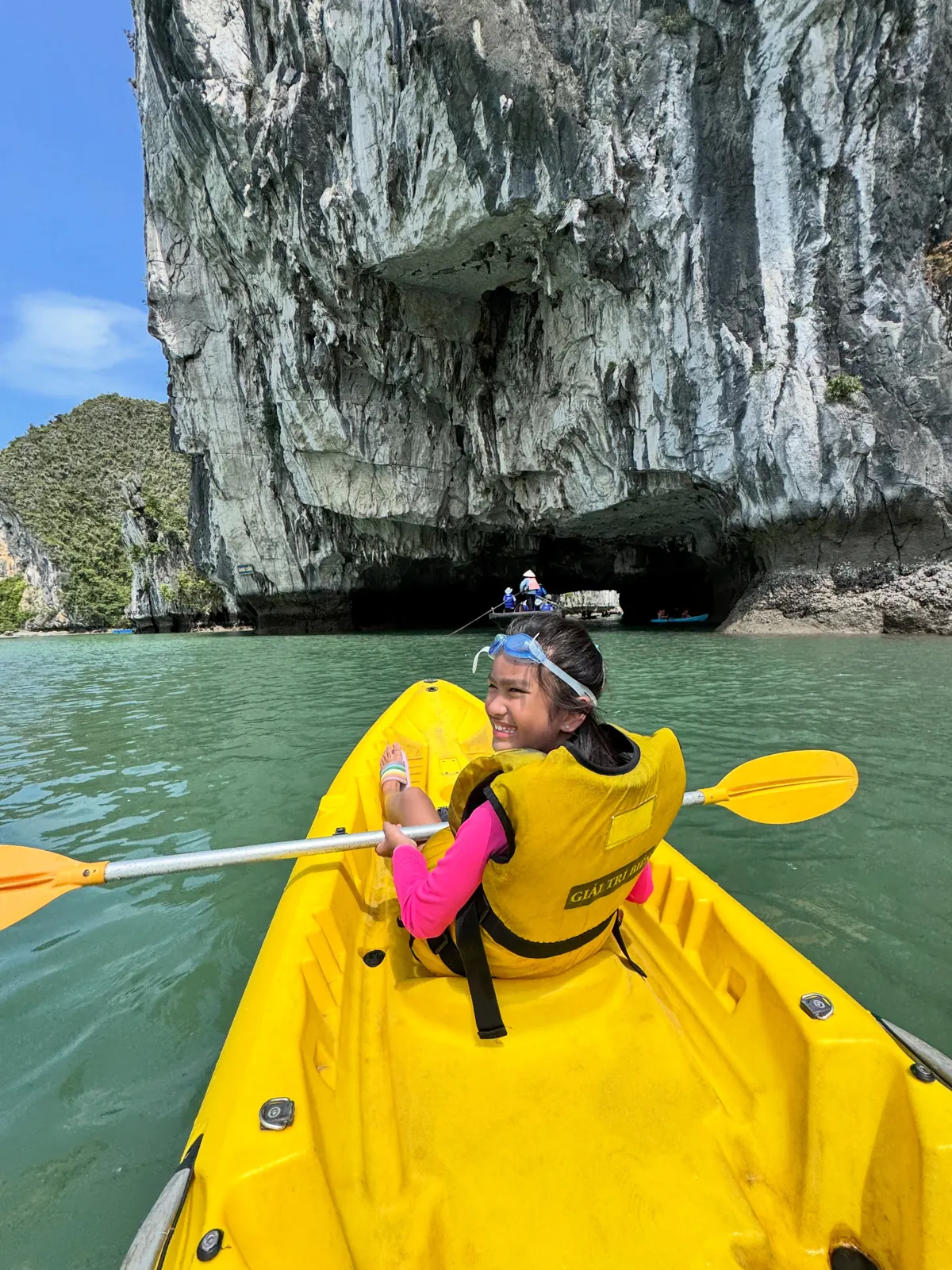
For travelers considering underwater exploration in Halong Bay, it is crucial to understand that scuba diving and snorkeling activities are presently suspended. This measure has been implemented to protect the bay's diverse marine biodiversity and delicate ecosystem. While these activities are on hold, Halong Bay remains a significant natural wonder, and this guide provides insights into its underwater environment and the historical context of diving and snorkeling opportunities.
Current Status of Underwater Activities in Halong Bay
As of recent directives, all scuba diving and snorkeling operations within Halong Bay are temporarily halted. This decision reflects a commitment to environmental preservation, aiming to allow the marine ecosystem, including its extensive coral reefs and various species, to recover and thrive without human disturbance. Visitors planning a trip should verify the most current regulations regarding water activities before their arrival.
This suspension is a proactive step towards safeguarding the bay's natural heritage, ensuring its long-term health. While direct underwater exploration is not currently an option, the bay continues to offer numerous surface-level activities and opportunities to appreciate its geological formations and scenic beauty.
Halong Bay's Rich Marine Environment
Halong Bay is recognized globally for its exceptional natural beauty and ecological significance, featuring a unique blend of tropical evergreen and oceanic seashore biosystems. Beneath the surface, the bay supports a complex and diverse marine ecosystem, which historically made it an appealing location for underwater enthusiasts.
The region is home to an impressive coral system, encompassing 110 distinct species of hard coral and 37 species of soft coral. These corals are primarily concentrated within 18 identified reefs, spanning an approximate area of 5,108 hectares, particularly in zones like Cong Do - Tra San and Hang Trai-Dau Be. This intricate coral network provides a habitat for a multitude of marine creatures, including various fish, crabs, and shrimp, contributing to a rich underwater spectacle.
Historical Optimal Periods for Underwater Exploration
Prior to the current suspension of activities, selecting the right time of year was essential for a rewarding diving or snorkeling experience in Halong Bay, as conditions are heavily influenced by local weather patterns. Based on past observations and local travel expertise, summer and autumn were generally considered the most favorable seasons for these water sports.
During the summer months, from May to July, the warmer weather created pleasant conditions for water activities. The sunlight during this period was also thought to enhance the visibility and visual appeal of the coral reefs underwater. As autumn arrived, typically from August to October, the weather remained agreeable for scuba diving and snorkeling. However, the natural light tended to be less intense, which could slightly reduce the clarity of marine life viewing. It was also noted that the end of summer, particularly August into early September, carried a higher risk of storms. To mitigate this, travelers were often advised to consider trips in May or September, which marked the beginning and end of the season, respectively, and generally presented fewer storm possibilities. For those visiting in other months, frequent weather forecast checks and consultation with travel agencies were recommended.
Notable Locations for Past Diving and Snorkeling Experiences
Before the temporary halt, several areas within and around Halong Bay were popular for scuba diving and snorkeling due to their diverse marine life and coral formations. These locations provided opportunities for visitors to observe the underwater world.
Lan Ha Bay
Lan Ha Bay, often considered an extension of the Halong Bay World Heritage site, is distinguished by its more untouched and pristine character. Unlike the more frequented areas of Halong Bay, Lan Ha Bay has experienced less extensive tourism development. It features approximately 400 limestone islets spread across 76 square kilometers and boasts a high diversity of marine flora and fauna, including about 98 species of plankton, 196 species of marine fish, and 177 species of coral. Adjacent to the Cat Ba Archipelago, which includes Cat Ba Island and its National Park, Lan Ha Bay also hosts a rich array of marine life, notably precious red coral. Its smaller size and numerous islands historically offered a more secluded setting for water activities. Visitors could stay on Cat Ba Island or in Halong hotels and arrange services, or opt for an overnight cruise in Lan Ha Bay to experience more activities. Highly regarded cruises that previously offered such itineraries included Mon Cheri, Heritage, Peony, Sena, Scarlet Pearl, and Orchid.
Cong Do Island
Situated within Bai Tu Long Bay, Cong Do Island, also known as 'Red Drainage,' is a smaller island spanning about 24 square kilometers. It is recognized for its natural allure and varied ecosystems, both above and below the water. The underwater environment here is rich with sea life such as shrimp, crab, squid, seaweed, and various fish species. A significant feature of Cong Do Island is its coral reef, extending approximately 7 kilometers in length and 300 meters in width, making it a notable spot for observing marine biodiversity. To reach the island, a cruise typically took about 2 hours and 45 minutes. Alternatively, visitors staying in Halong Bay hotels could arrange speedboat trips for diving and snorkeling. Opting for a Bai Tu Long overnight cruise that included diving or snorkeling in its itinerary was also a popular choice, sometimes offering views of the bay's evening atmosphere.
Vung Ha Island
Vung Ha is a sizable island centrally located within Halong Bay, known for its diverse marine inhabitants, including various fish, crabs, squid, seaweed, and shrimp. The coral reef system around Vung Ha is vibrant, creating an environment that was historically suitable for scuba diving and snorkeling. Given its location within the main Halong Bay area, services for these activities were readily available. Cruises also provided options for visiting Vung Ha Island. The island's proximity to Vung Vieng Fishing Village meant that visitors could combine underwater activities with an opportunity to observe local life. Halong Bay also offers other water-based activities, and visitors might consider exploring Halong Bay's beaches for relaxation.
Considerations for Booking Snorkeling Tours
For those interested in organized underwater excursions, booking a guided snorkeling tour historically offered several advantages over independent freediving. These tours typically provided a structured and safer experience, handling many logistical details for participants.
A primary benefit of guided tours was the inclusion of various services, often encompassing equipment, transportation, and sometimes meals. Safety was enhanced by the presence of experienced guides who provided instructions and supervision. For visitors unfamiliar with the area, a tour eliminated concerns about navigation or finding suitable spots in a popular destination like Halong Bay. Furthermore, tours often streamlined the entire experience, reducing the need for participants to arrange lodging or other services independently, and potentially mitigating risks of misrepresentation. When planning a trip to Vietnam that includes a visit to Halong Bay, travelers often consider various aspects of their journey, including overnight rail journeys in Vietnam for longer distances.
Comparison: Halong Snorkeling Tour vs. Freediving (Historical Context)
| Feature | Halong Snorkeling Tour | Freediving |
|---|---|---|
| Diving Safety | Guaranteed diving safety | Poor safety level |
| Services | All services prepared | Have to find a place to eat and rest by yourself |
| Time & Guidance | Save time, safety guidelines & introduction | Take a lot of time to review and learn |
For those seeking to book such tours in the past, the following contacts were recommended:
- Azgo.vn Travel
- Phone: (+84) 915 955 939
- Email: azgo.info@gmail.com
- Website for booking: https://azgo.vn/st_tour/tour-lan-ngam-san-ho-vinh-ha-long/
- Phuc Thinh Travel
- Phone: (+84) 907 560 007, 0979 089 012, 02033 823 456
- Email: phucthinhtravel.vn@gmail.com (Note: Source email was phucthinhtravel.vn@gmail.com, but the source text had phucthinhtravel.vn@gmail.com in one place and phucthinhtravel.vn@gmail.com in another. Using the more common format.)
- Website for booking: https://phucthinhtravel.vn/tour-vinh-vinh-sanho-ha-long.htm
A typical snorkeling tour itinerary, as previously offered, might have included:
- Morning:
- 07:30 - 08:00: Meeting at the port with a tour guide, followed by a briefing on the day's activities and safety instructions.
- 08:00: Transfer via speedboat to the designated diving or snorkeling area within Halong Bay.
- 09:00 - 09:25: Arrival at the coral bay, with preparations for underwater exploration, including an introduction to coral diving regulations and techniques.
- 09:30 - 11:30: Free time for participants to explore the marine environment and its colorful corals.
- 11:30: Return to the vessel for lunch and a period of rest, with options for light activities like fishing or photography.
- Afternoon:
- 14:00: Continuation with various beach activities such as kayaking, swimming, or water motor sports.
- 16:00: Return to the main vessel in preparation for departure.
- 17:30 - 18:00: Farewell to the tour guide and crew, marking the conclusion of the Halong diving and snorkeling tour.
Beyond its natural beauty, Vietnam offers a rich cultural experience, and many visitors seek out unique purchases and souvenirs to remember their travels.
Essential Safety Advice for Underwater Activities
For any future resumption of scuba diving and snorkeling in Halong Bay, or for general guidance on such activities, careful preparation and adherence to safety protocols are paramount. These sports can be physically demanding, offering both health benefits and opportunities to observe natural beauty.
Key safety recommendations include ensuring adequate physical fitness, particularly without pre-existing heart or lung conditions. It is advisable to consume a moderate meal before engaging in water sports, avoiding both overeating and hunger. Performing some physical exercises to warm up the body before entering the water is also beneficial. During the activity, it is crucial to listen attentively and follow all instructions provided by the tour guide or instructor. Awareness of potential marine hazards, such as jellyfish, and knowing basic first aid steps for stings is important. Furthermore, individuals should never snorkel or dive alone, especially near boat propellers. Ensuring that all equipment, including masks, fins, snorkels, cylinders, wet suits, and life vests, is regularly inspected and meets safety standards is a fundamental requirement for a secure experience.
Frequently Asked Questions
What is the current status of scuba diving and snorkeling in Halong Bay?
Scuba diving and snorkeling activities in Halong Bay are currently suspended. This measure has been put in place to protect and conserve the bay's marine biodiversity and ecosystem.
What kind of marine life can be observed in Halong Bay?
Halong Bay is known for its diverse marine environment, featuring an extensive coral system with 110 species of hard coral and 37 species of soft coral. These reefs provide habitats for numerous marine animals, including various species of fish, crabs, and shrimp.
When was historically the best time to visit Halong Bay for water activities?
Prior to the suspension, the summer months (May to July) and autumn (August to October) were generally considered the optimal periods for water activities like diving and snorkeling, due to favorable weather conditions and good visibility.
Are there alternatives to diving and snorkeling in Halong Bay currently?
While direct underwater exploration is paused, visitors can still enjoy other surface-level water activities such as kayaking, swimming, and boat cruises, which allow for appreciation of Halong Bay's iconic limestone karsts and scenic beauty.
What were the benefits of booking a guided snorkeling tour in Halong Bay?
Historically, guided snorkeling tours offered advantages such as guaranteed safety measures, comprehensive service inclusions (like equipment and sometimes meals), expert guidance, and logistical support, which simplified the experience for travelers and helped navigate popular tourist areas.








