
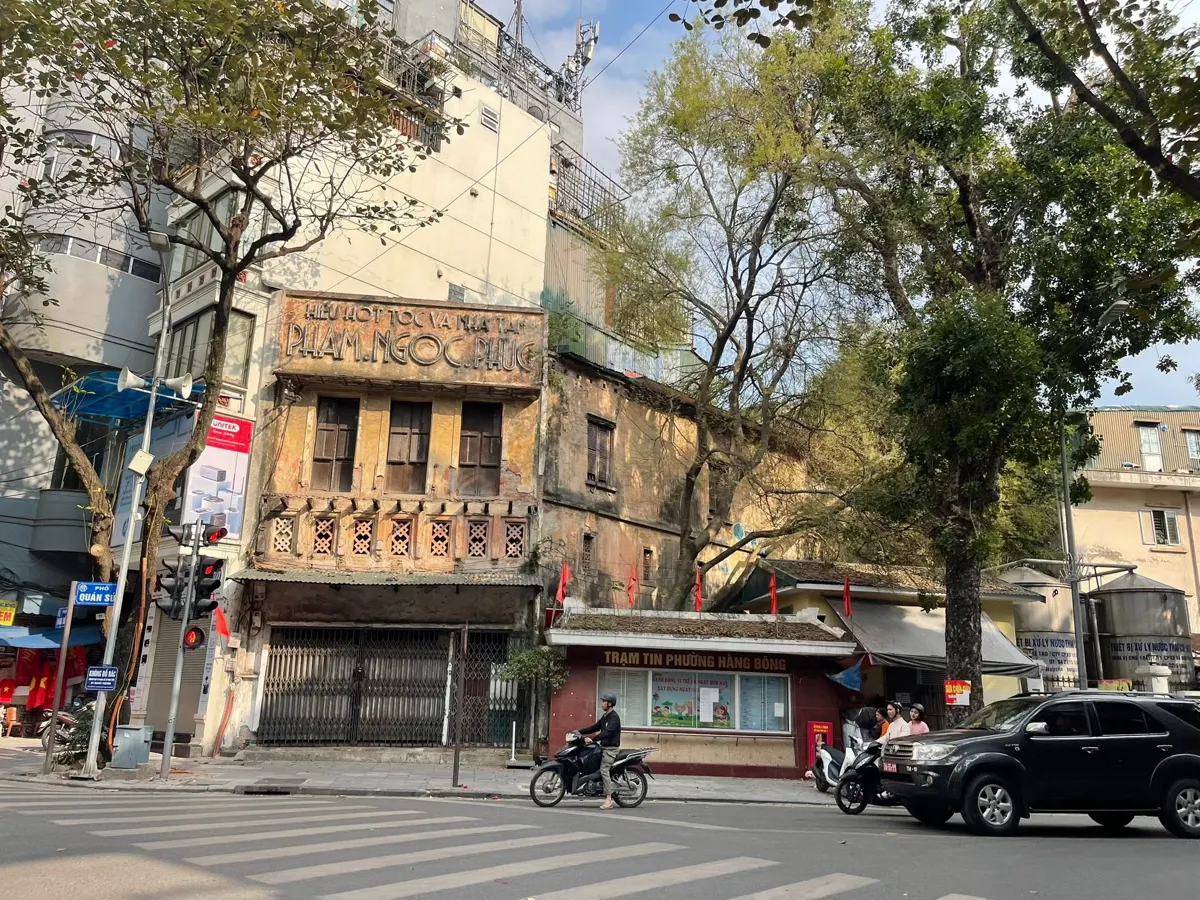
Hanoi, the capital of Vietnam, presents a distinctive culinary identity, setting it apart from other regions of the country. The city's cuisine is generally characterized by a balanced profile, favoring subtlety over intense spice or strong flavors. Black pepper often provides warmth to dishes, rather than the chili heat common in other areas. While Southern Vietnamese cooking frequently features sweet and spicy notes and fusion creations, Northern Vietnamese food, particularly in Hanoi, emphasizes elegance and long-standing traditions. Dishes are typically light and reflect centuries of refinement.
The Distinctive Flavors of Northern Vietnamese Cuisine
Northern Vietnamese cuisine, with Hanoi at its heart, represents a unique branch of the nation's gastronomic heritage. Unlike the often sweeter and spicier profiles found further south, Hanoi's food tends to be more understated, focusing on the natural flavors of its components. Ingredients are carefully selected and prepared to achieve a harmonious taste, where no single element overpowers another. This approach results in dishes that are both comforting and complex, without being heavy.
The culinary traditions here are deeply rooted, with many recipes passed down through generations. This commitment to authenticity ensures that visitors can experience flavors that have defined the region for centuries. The emphasis on fresh, local produce and precise cooking techniques contributes to the light yet satisfying nature of Hanoi's most celebrated dishes.
Essential Traditional Hanoi Dishes
Hanoi offers numerous traditional dishes that are integral to its cultural fabric. Exploring these specialties provides a genuine taste of the city's heritage.
Pho Hanoi
Often recognized as Vietnam's national dish, pho finds its most renowned expression in Hanoi. This rice noodle soup is consumed throughout the day, from early morning meals to late-night suppers, making it a versatile and hearty option, particularly comforting during cooler weather. The preparation involves simmering beef bones for many hours, sometimes even days, alongside aromatic spices like star anise, cinnamon, ginger, and black cardamom. This process yields a rich, clear broth that forms the foundation of the dish. It is then served with rice noodles, fresh green onions, and slices of meat, with beef steak, flank, or brisket being common choices, though chicken is also a popular alternative.
Banh Tom (West Lake Shrimp Cakes)
Known locally as "banh tom Ho Tay," these crispy fritters originated from the freshwater shrimp caught at night from Hanoi's West Lake using torchlight. While shrimp are now sourced from various waterways, the preparation method remains largely unchanged. Shredded sweet potatoes are mixed into a batter and shaped into cakes. A whole shrimp, complete with head, legs, and tail, is then pressed into the top of each cake before being deep-fried in hot oil. The shrimp shell softens slightly during cooking but retains a pleasant crunch, complementing the crisp exterior of the fritter. These are typically enjoyed wrapped in lettuce, dipped in fish sauce, and often paired with a cold beverage, making them a popular snack.
Banh Cuon (Steamed Rice Rolls)
Banh cuon consists of delicate rice flour rolls filled with a savory mixture, resembling a soft spring roll. It is a favored breakfast choice across Hanoi due to its affordability, quick preparation, and light yet flavorful profile. The process involves steaming a fermented rice batter on a taut cloth suspended over boiling water, which creates a thin, translucent, and pliable pancake. This rice pancake is then filled with minced pork, mushrooms, and shallots, neatly rolled, and served with a side of pork sausage, fresh herbs, and a homemade sweet and sour fish sauce (nuoc mam). Despite the rice component, the dish feels remarkably light, often compared to a salad.
Cha Ca La Vong (Turmeric Fish with Dill)
Hanoi's Old Quarter is historically recognized for its specialized streets, many named after the crafts or goods once sold there. Cha Ca street, for instance, is named for the distinctive fish cakes that have been prepared and sold by the Doan family since 1871. Over more than a century, Cha Ca La Vong has become a significant symbol of the city's culinary identity. This dish features snakehead fish filleted and cut into bite-sized pieces, marinated with turmeric, shallots, garlic, sugar, and fish sauce. Turmeric and dill are somewhat unusual spices in traditional Vietnamese cooking, making this dish particularly unique. The fish is first grilled or baked until cooked through, then pan-seared with fresh dill to achieve a crispy exterior. It is served with rice vermicelli noodles, roasted peanuts, and a side of "mam tom," a fermented shrimp paste that is considered an essential accompaniment to the dish.
Bun Cha (Grilled Pork with Noodles)
If pho is the country's quintessential breakfast, then bun cha holds a similar status as Hanoi's signature lunch. This dish features succulent fatty pork, grilled over charcoal, served in a warm, sweet broth. Accompanying components include thin rice vermicelli noodles, small pork meatballs, and a selection of pickled and fresh vegetables. Diners typically add the vermicelli and salad directly into the soup with chopsticks, mixing them to create a balanced mouthful. This dish gained international recognition when former US President Barack Obama and the late chef Anthony Bourdain enjoyed it together in 2015. For those interested in exploring the city's diverse offerings, a culinary stop for bun cha is highly recommended.
Notable Venues for Traditional Hanoi Specialties
While authentic Hanoi food is often found at modest street stalls and family-run eateries, some establishments have gained particular renown.
Bun Cha Huong Lien
This humble establishment, serving bun cha to local patrons since the 1990s, achieved global fame after President Obama and Anthony Bourdain dined there in 2015. The restaurant now draws international visitors who often queue to order the "Combo Obama." The specific table and chairs used by the two men are reportedly preserved under glass, offering a unique historical touch. Despite its international recognition, the bun cha here is said to maintain its traditional, home-cooked flavor.
- Address: Not supplied in source material
- Phone: Not supplied in source material
- Opening Hours: Not supplied in source material
- Price Range: Not supplied in source material; typically affordable
- Booking: Not supplied in source material
Cha Ca La Vong
Located on Cha Ca street in Hanoi's Old Quarter is also renowned for its specialized craft streets, this restaurant is synonymous with the dish it serves. The Doan family has been preparing and selling Cha Ca here since 1871, making it a historical culinary landmark. The restaurant is dedicated solely to its namesake dish, offering a focused and authentic experience.
- Address: Not supplied in source material
- Phone: Not supplied in source material
- Opening Hours: Not supplied in source material
- Price Range: Not supplied in source material
- Booking: Not supplied in source material
Hanoi's International and Fine Dining Scene
Hanoi's appeal to international residents and travelers has fostered a diverse food landscape that extends beyond traditional Vietnamese fare. The city now hosts a selection of fine dining establishments that showcase international cuisines, often prepared by professionally trained chefs.
Crystal Jade Palace Restaurant
Specializing in authentic Cantonese cuisine, Crystal Jade Palace Restaurant emphasizes the use of high-quality imported ingredients. This Singapore-based restaurant group has been a presence in Vietnam for a quarter-century, earning accolades and a Michelin star for its culinary excellence in Chinese food.
- Cuisine: Cantonese
- Notable Features: Michelin star, high-quality imported ingredients
- Address: Not supplied in source material
- Phone: Not supplied in source material
- Opening Hours: Not supplied in source material
- Price Range: Not supplied in source material; typically fine dining
- Booking: Not supplied in source material
Kappou Ishia Sushi
For a distinctive Japanese dining experience, Kappou Ishia Sushi offers an "omakase" style menu, where the chef curates each course for the guest. The typical ten-course meal includes a progression of appetizers, sashimi, a main dish, a rice dish, and dessert, all personally selected by the chef. Kappou Ishia is recognized as one of Hanoi's premier Japanese restaurants, providing a comprehensive culinary journey.
- Cuisine: Japanese (Omakase style)
- Notable Features: Chef-selected 10-course menu
- Address: Not supplied in source material
- Phone: Not supplied in source material
- Opening Hours: Not supplied in source material
- Price Range: Not supplied in source material; typically fine dining
- Booking: Not supplied in source material
Spices Garden - Sofitel Legend Metropole Hanoi
Situated within the luxurious Sofitel Legend Metropole Hanoi hotel, Spices Garden restaurant blends traditional Vietnamese flavors with French gastronomic techniques. The menu features many classic Vietnamese dishes, including pho, bun cha, and cha ca, prepared and presented with European culinary artistry. These dishes are served in an elegant setting, often on white tablecloths, offering a refined interpretation of local favorites. It provides an opportunity to experience many of these classic Vietnamese dishes in an upscale environment.
- Cuisine: Vietnamese with French influence
- Notable Features: Located in a luxury hotel, European plating techniques
- Address: Not supplied in source material
- Phone: Not supplied in source material
- Opening Hours: Not supplied in source material
- Price Range: Not supplied in source material; typically fine dining
- Booking: Not supplied in source material
Comparing Hanoi's Fine Dining Options
| Restaurant | Cuisine Type | Key Features | Atmosphere |
|---|---|---|---|
| Crystal Jade Palace Restaurant | Cantonese | Michelin star, imported ingredients | Elegant, established |
| Kappou Ishia Sushi | Japanese (Omakase) | Chef's tasting menu, curated experience | Refined, intimate |
| Spices Garden - Sofitel Legend Metropole Hanoi | Vietnamese/French Fusion | Luxury hotel setting, elevated traditional dishes | Sophisticated, classic |
Frequently Asked Questions
What are the primary characteristics of Hanoi's local cuisine?
Hanoi's local cuisine is generally known for its balanced and subtle flavors, often favoring black pepper for warmth instead of chili. Dishes are typically light, refined, and deeply rooted in centuries-old traditions, emphasizing fresh ingredients and harmonious taste profiles.
Is it possible to find international food in Hanoi?
Yes, Hanoi offers a growing selection of international dining options. The city's appeal to a global community has led to the establishment of various fine dining restaurants specializing in cuisines such as Cantonese, Japanese, and French, often prepared by internationally trained chefs.
Where can one experience authentic traditional Hanoi street food?
Authentic traditional Hanoi street food is commonly found at local street stalls and family-run eateries throughout the city. These establishments often serve recipes passed down through generations, providing a genuine taste of local culinary heritage. Specific venues like Bun Cha Huong Lien are renowned for particular dishes.
How does Hanoi's food differ from Southern Vietnamese cuisine?
Hanoi's food, representing Northern Vietnamese cuisine, is typically more subtle, traditional, and elegant, with a focus on balanced flavors. In contrast, Southern Vietnamese cuisine often features sweeter and spicier profiles, along with more fusion influences. This regional difference provides a diverse culinary landscape across the country, similar to exploring other culinary destinations in Vietnam.
Are there any famous dishes unique to Hanoi?
Several dishes are particularly famous in Hanoi. Pho Hanoi is widely considered the national dish, while Bun Cha is a signature lunch specialty. Cha Ca La Vong, a turmeric and dill fish dish, and Banh Tom, crispy shrimp cakes, are also iconic Hanoi creations with distinct local origins and preparation methods.








