
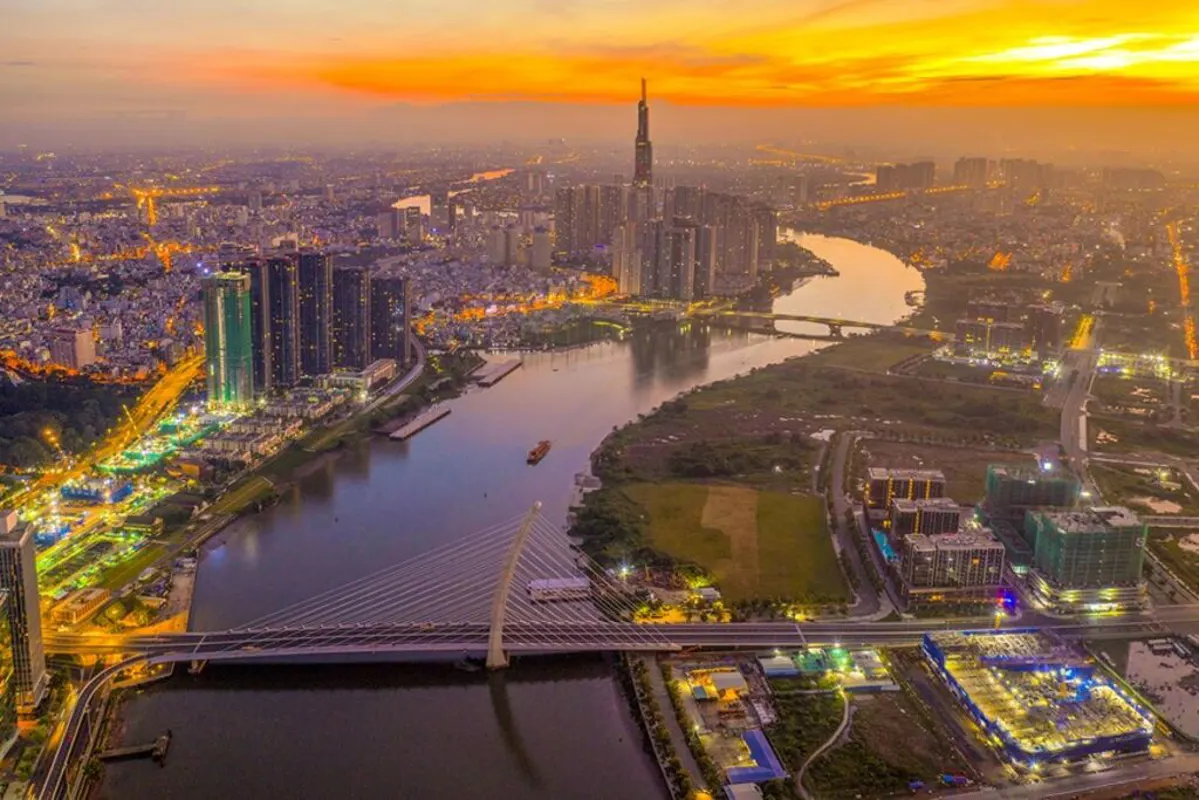
Ho Chi Minh City, a major urban center in southern Vietnam, features several mosques that serve its local Muslim population and welcome visitors interested in Islamic culture and history. These religious sites offer a glimpse into the city's multicultural fabric, showcasing distinct architectural styles and reflecting the heritage of various Muslim communities who have settled in the region over centuries.
For travelers seeking to understand the religious diversity of the city or those looking for places of worship, these mosques represent important cultural landmarks. Each location holds unique significance, from historical foundations to serving as contemporary community hubs.
Islamic Presence in Ho Chi Minh City
The presence of Islam in Vietnam, particularly in the southern regions, dates back many centuries, primarily influenced by Cham, Malaysian, and Indonesian communities. Ho Chi Minh City, historically known as Saigon, became a focal point for these groups, leading to the establishment of several mosques that have stood the test of time.
These places of worship are not merely structures but serve as vital centers for religious observance, community gatherings, and cultural preservation. They reflect the enduring faith and traditions of Muslims in a predominantly non-Muslim country, contributing significantly to the city's rich cultural tapestry. Exploring these sites offers a deeper understanding of Vietnam's diverse population and historical connections.
Notable Mosques for Visitors in Ho Chi Minh City
Ho Chi Minh City hosts several mosques, each with its own story and architectural character. Four prominent mosques are particularly noteworthy for their historical significance and role within the local Muslim community. These sites provide opportunities for worship and cultural appreciation.
When planning a visit to these religious locations, it is advisable to confirm current operating hours and any specific visitor guidelines, as these details can change. Respectful attire is generally expected at all religious sites.
| Mosque Name | Address | Established | Key Features/Notes |
|---|---|---|---|
| Jamia Al-Musulman Mosque | 66 Dong Du Street | 1935 | Sophisticated architecture, unique roof symbols, originally for South Indian faithful, now also Pakistani and Indonesian. Features a Hala restaurant. |
| Jamiyah Islamic Mosque | 52 Nguyen Van Troi Street, Phu Nhuan District, Ho Chi Minh City | Date not supplied | Prayer center for Cham people, representative office for HCMC Muslim community. Divided into prayer (upstairs) and teaching (downstairs) areas. |
| Jamul An Ar Mosque | 157/9B Duong Ba Trac, District 8 | Date not supplied | Located in an alley, identifiable by Muslim symbols on walls. Surrounded by Cham community. Worshipped by Cham, Malaysians, and Indonesians. |
| Al Rahman Mosque | District 1 | 1885 | Widely recognized as Vietnam's first mosque. Features prominent Muslim symbols, granite and marble decorations in white and black. Primarily for Indonesian and Malaysian worship on weekends. |
Jamia Al-Musulman Mosque
Situated at 66 Dong Du Street, the Jamia Al-Musulman Mosque is recognized for its distinctive architecture within Ho Chi Minh City. Constructed in 1935 by the overseas Indian community, the building displays a refined, traditional Muslim architectural style that sets it apart from other structures in the area. Its roof is adorned with specific Muslim symbols, adding to its unique visual identity.
Initially, this mosque served the South Indian faithful residing in Saigon. Over time, its congregation expanded to include Pakistani and Indonesian Muslims who also gather here for worship. Visitors are advised to wear modest clothing when entering the mosque. Additionally, a Hala restaurant operates on the premises, offering Vietnamese, Indian, and Malaysian cuisine, providing a convenient dining option for Muslim travelers.
Jamiyah Islamic Mosque
The Jamiyah Islamic Mosque is conveniently located on a well-known thoroughfare in the city, at 52 Nguyen Van Troi Street in Phu Nhuan District. This site functions as a central prayer location for the Cham people and also serves as a representative office for the broader Muslim community in Ho Chi Minh City. Consequently, the majority of individuals who pray here are members of the Cham community.
The interior of the mosque is structured into two distinct levels. The upper floor is specifically designated for prayers, creating a dedicated space for worship. The lower floor, in contrast, is utilized for educational purposes, particularly for teaching children, highlighting the mosque's role beyond just religious services.
Jamul An Ar Mosque
Despite its location within an alley at 157/9B Duong Ba Trac in District 8, the Jamul An Ar Mosque is identifiable by the numerous Muslim symbols displayed on its exterior walls. The area surrounding this mosque is home to many Cham people, reflecting its deep connection to this community. Travelers exploring the city's cultural sites may find that reaching this mosque involves a short walk through narrow passages, potentially with guidance from a local expert, especially if they are unfamiliar with the area.
Cham people, along with Malaysian and Indonesian communities who have a long history of migration to Vietnam, consider Jamul An Ar a sacred place for their religious observances, particularly during holidays. Its presence underscores the enduring cultural and religious ties of these groups within Ho Chi Minh City.
Al Rahman Mosque
The Al Rahman Mosque holds a significant place in Vietnam's Islamic history, widely acknowledged as the country's first mosque. Established in 1885, this mosque, located in District 1, was originally built to accommodate the worship needs of Muslim Indonesians and Malaysians, especially during weekend gatherings. Its historical roots make it a key landmark for understanding the early development of Islam in the region.
Like other mosques in the city, Al Rahman features prominent Muslim symbols, including crescent moons and stars, which are integral to its design. The building presents a striking appearance, with its walls adorned with decorative patterns crafted from white and black granite and marble stones, contributing to its distinct visual appeal. For those interested in exploring customized small group tours for exploring Vietnam, including cultural and historical sites, this mosque offers a compelling stop.
Architectural Features and Community Life
The mosques of Ho Chi Minh City showcase a blend of architectural influences, reflecting the diverse origins of their founding communities. The Jamia Al-Musulman Mosque, for instance, exhibits a refined, traditional Muslim architectural style, a testament to its Indian origins. Its roof decorations with specific symbols are characteristic of Islamic design principles, intended to inspire reverence and provide visual identity.
Similarly, the Al Rahman Mosque, dating back to 1885, prominently features traditional Muslim symbols such as crescent moons and stars. Its use of white and black granite and marble for wall decorations creates a visually appealing and dignified atmosphere. These architectural details not only serve aesthetic purposes but also convey deep religious and cultural meanings, connecting the faithful to a broader Islamic heritage. The distinct layouts, like Jamiyah Islamic Mosque's separate prayer and educational spaces, highlight the multifaceted role these institutions play in community development and spiritual guidance.
Visiting Guidelines and Cultural Respect
When visiting any religious site in Ho Chi Minh City, including its mosques, adherence to local customs and etiquette is important. Modest dress is generally required; visitors should ensure shoulders and knees are covered. For women, a head covering may also be appropriate, though it is best to observe local practices upon arrival. Removing shoes before entering the prayer hall is a common practice.
The Jamia Al-Musulman Mosque offers an added convenience with its on-site Hala restaurant, providing suitable dining options for Muslim travelers. While some mosques, like Jamul An Ar, are situated in less accessible alleys, they remain significant community centers. For those planning their journey, understanding local public transport options can assist in reaching these destinations. Engaging with a knowledgeable local guide can also enhance the experience, particularly for sites that are less straightforward to locate independently. These considerations contribute to a respectful and enriching visit.
Frequently Asked Questions
What is the history of Islam in Ho Chi Minh City?
Islam has been present in Ho Chi Minh City, formerly Saigon, for many centuries, primarily through the migration and settlement of Cham, Malaysian, and Indonesian communities. These groups established mosques that became centers for religious practice and cultural preservation, reflecting a long-standing Islamic heritage in the southern region of Vietnam.
Are there specific dress codes for visiting mosques?
Yes, when visiting mosques in Ho Chi Minh City, it is customary to dress modestly. This typically means ensuring that shoulders and knees are covered. For women, it may also be appropriate to wear a head covering, though observing the practices of other visitors upon arrival can provide guidance. Removing shoes before entering prayer areas is also a common practice.
Can non-Muslims visit these mosques?
Generally, non-Muslims are welcome to visit these mosques, especially outside of prayer times. These visits offer an opportunity to appreciate the architecture, learn about Islamic culture, and understand the local Muslim community. However, visitors should always be respectful of the sacred space and adhere to any posted rules or guidance from mosque officials.
How can I find halal food in Ho Chi Minh City?
Ho Chi Minh City offers several options for halal food, particularly in areas with a significant Muslim population or near mosques. The Jamia Al-Musulman Mosque, for example, has a Hala restaurant on its premises. Many restaurants catering to Malaysian, Indian, or Middle Eastern cuisine may also offer halal options. Online resources and local recommendations can help identify suitable dining establishments.
What is the best way to explore Ho Chi Minh City's cultural sites?
Exploring Ho Chi Minh City's cultural sites can be done independently using local transport or by joining organized tours. For a comprehensive experience that includes historical and cultural landmarks, consider a structured itinerary. A Southern to Northern Vietnam journey often includes significant time in Ho Chi Minh City, allowing for exploration of its diverse heritage, including religious sites and local communities.








