
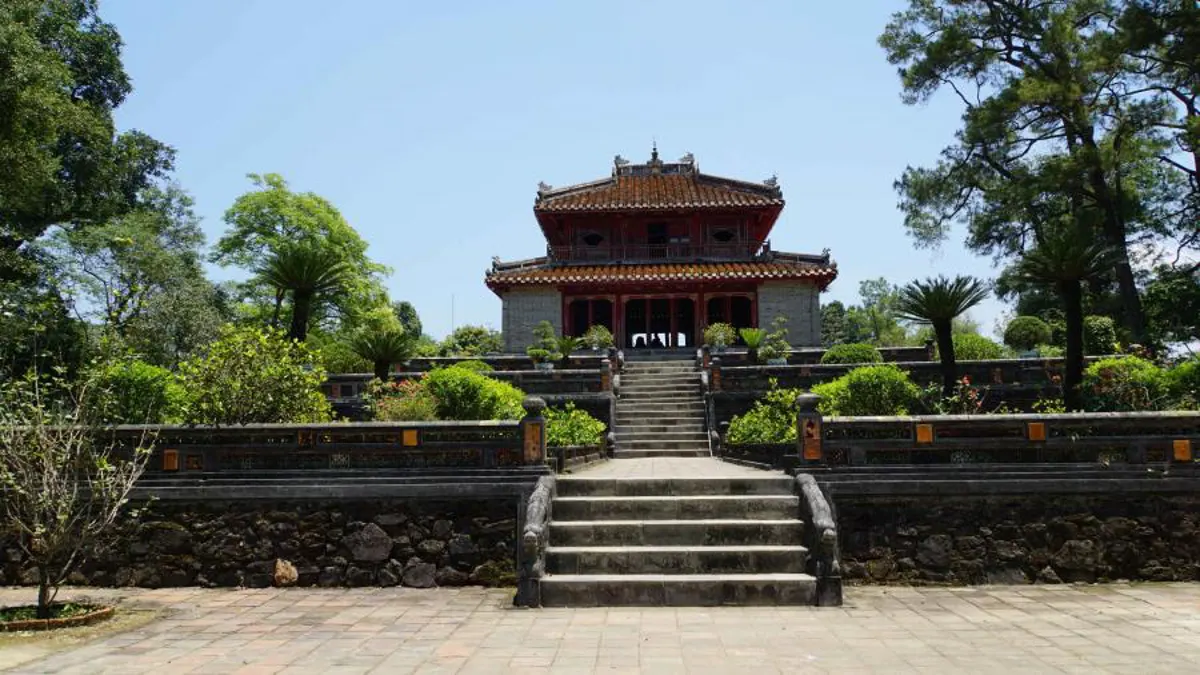
Hue, a city in central Vietnam, possesses a character unlike its more energetic counterparts such as Ho Chi Minh City or Hanoi. It maintains a noticeably calmer atmosphere, profoundly shaped by centuries as an imperial capital, enduring cultural customs, and a strong sense of local identity. For visitors, a trip to Hue extends beyond merely seeing historical sites; it involves engaging with a way of life that consistently reflects its past as Vietnam's former royal seat. To genuinely appreciate Hue, understanding its defining cultural attributes is key.
The Imperial Legacy of Hue
Hue served as Vietnam's capital during the Nguyen dynasty, and this significant historical period continues to influence the city today. The presence of the Imperial City of Hue exemplifies the organizational structure and traditions of a royal court that profoundly impacted local architecture, governance, and overall culture. Unlike many places where history feels distant, Hue's past remains evident in its urban design, monuments, and daily routines. This enduring imperial heritage contributes to a sense of order and tranquility that visitors often perceive immediately upon arrival.
The city's historical depth encourages a different kind of exploration. Rather than a quick overview, a deeper engagement with its past reveals layers of meaning in its structures and customs. This focus on historical preservation is a cornerstone of Hue's identity, distinguishing it from regions that have undergone more rapid modernization.
A Slower Rhythm of Life
One of the most striking aspects visitors observe in Hue is its relaxed pace. Daily existence here unfolds more slowly compared to Vietnam's larger urban centers. Streets are typically less congested, and routines appear more unhurried. Locals in Hue are frequently characterized as gentle and soft-spoken. Conversations tend to be quieter, and interactions often feel more reserved. This does not imply a lack of activity; instead, it reflects a cultural preference for calmness and equilibrium. For travelers, this slower rhythm provides opportunities to observe and appreciate everyday life, fostering a deeper cultural experience.
This deliberate slowness extends to various aspects of public life, from how people conduct business in markets to the quiet contemplation found in public spaces. It creates an environment where one can pause and absorb the surroundings, a stark contrast to the rapid movement often associated with other major Vietnamese cities.
Distinctive Hue Cuisine
Food in Hue represents another defining aspect of the city's character. Hue's culinary traditions are renowned for their sophistication and meticulous preparation, a direct result of its history as an imperial capital. Dishes were originally crafted to satisfy the royal court, where presentation, flavor balance, and nutritional value were highly prized. Local specialties such as bun bo Hue (spicy beef noodle soup), banh beo (steamed rice cakes), and banh khoai (crispy savory pancakes) showcase both complexity and understated elegance. Unlike the often spontaneous nature of street food in larger cities, Hue's gastronomy emphasizes harmonious flavors and careful execution. Dining in Hue transcends mere taste; it involves experiencing a culinary heritage shaped by centuries of history.
Many local eateries and family kitchens still adhere to these traditional methods, ensuring that the authentic flavors and presentation styles are maintained. This commitment to culinary heritage makes exploring Hue's food scene a journey into its past.
Spirituality and the Perfume River
Hue is also recognized for its profound spiritual presence. The city hosts numerous temples and pagodas, including Thien Mu Pagoda, which stands as one of central Vietnam's most iconic religious landmarks. Spiritual practices are an integral part of daily life, and visitors may notice residents regularly visiting these sites for prayer or quiet contemplation. The serene ambiance of these religious locations contributes significantly to the city's overall sense of tranquility.
Flowing through the city, the Perfume River further enhances Hue's distinctive identity. This waterway has long been associated with poetry, music, and artistic expression. Its calm current mirrors the city's gentle pace and offers a natural gathering point for both locals and visitors. Strolling along the river during the early morning or evening provides a peaceful moment that captures the essence of Hue. The river's influence is so pervasive that it often features in local folklore and artistic works, tying the natural landscape directly to the city's cultural soul.
Artistic Heritage and Social Etiquette
Hue is also dedicated to preserving traditional forms of art and music. A notable example is nha nhac, the royal court music recognized by UNESCO as an intangible cultural heritage. This musical form, once performed for the imperial court, remains a vital component of Hue's cultural identity. Crafts such as calligraphy, traditional embroidery, and handcrafted souvenirs also reflect the city's artistic legacy. These cultural expressions help maintain Hue's traditions in contemporary times.
The communication style of Hue's residents is another distinctive cultural trait. The Hue accent is known for its soft, melodic quality, often described as more poetic than other regional Vietnamese dialects. Even for Vietnamese speakers from different areas, the Hue accent can be unique and sometimes challenging to fully comprehend. Beyond language, the general tone of communication tends to be gentle. People typically speak calmly and avoid raising their voices in public. Conversations feel more deliberate and thoughtful, reflecting a cultural preference for modesty and emotional restraint, values influenced by centuries of royal etiquette. This creates an atmosphere that feels more intimate and less overwhelming than in larger cities like Hanoi.
For those interested in exploring Vietnam's cultural and natural wonders, a structured itinerary can enhance the experience. Consider options such as the Northern & Central Vietnam Discovery: Hanoi, Halong Bay & Hue – 8 Days tour, which includes the imperial city, or the Vietnam's Cultural Highlights & Mekong Delta – 10 Days journey for a broader cultural overview.
Daily Life and the Rhythm of Hue
Hue’s local markets offer a window into daily routines and community interactions. Unlike the often chaotic markets in larger cities, those in Hue typically operate at a more relaxed pace. Vendors meticulously arrange their goods, and interactions feel less rushed. Exploring a market in Hue allows visitors to observe not only what is bought and sold, but also how people engage with one another. These everyday scenes reflect the city’s broader cultural values of calmness and equilibrium.
The city also demonstrates a balance between its past and present. Modern cafes, hotels, and businesses have developed throughout Hue, yet they do not entirely overshadow traditional structures or cultural practices. Instead, a harmonious coexistence prevails. One might find a contemporary coffee shop situated near an ancient temple, or a new building standing alongside a historical monument. This blend creates a distinctive urban environment where history remains visible in daily life. Furthermore, Hue is known for its extended rainy seasons, particularly during the later months of the year. While rain can sometimes be seen as an inconvenience, in Hue, it contributes to the city's reflective mood. The combination of rain, historical architecture, and quiet streets fosters an almost nostalgic feeling. For some travelers, experiencing Hue in light rain enhances its charm, making the city feel softer and more introspective. This connection between weather and atmosphere is part of what sets Hue apart, especially when considering travel planning during specific months.
Experiencing Hue: A Reflective Journey
Visiting Hue provides a different kind of travel experience compared to more energetic destinations. It is not a place that overwhelms with constant activity or rapid movement. Instead, it encourages visitors to slow down and observe. The combination of its history, culture, and atmosphere creates an experience that is more contemplative than dynamic. For those interested in understanding Vietnam beyond its primary tourist attractions, Hue offers a deeper and more meaningful perspective.
Hue may not appeal to every traveler, and this contributes to its special character. Visitors seeking lively nightlife or continuous excitement might find other cities more suitable. However, those who appreciate history, cultural depth, and a slower pace of life often find Hue profoundly rewarding. It particularly appeals to individuals who wish to explore Vietnam beyond its well-trodden paths. Hue provides depth rather than intensity, revealing its unique qualities gradually to those who approach it with patience and curiosity.
Frequently Asked Questions
What is Hue most known for?
Hue is primarily known for its extensive imperial history as the former capital of Vietnam under the Nguyen dynasty. It is recognized for its Imperial City, numerous royal tombs, ancient pagodas like Thien Mu, and a distinctive culture marked by a slower pace of life, refined cuisine, and traditional arts.
How does Hue's pace of life compare to other Vietnamese cities?
Hue maintains a significantly slower and more reserved pace of life compared to major Vietnamese cities like Ho Chi Minh City or Hanoi. Its streets are less crowded, daily routines appear more relaxed, and interactions tend to be quieter and more thoughtful, reflecting a cultural preference for calmness.
What are some unique culinary aspects of Hue?
Hue cuisine is celebrated for its refinement and meticulous preparation, influenced by its royal past. Dishes like bun bo Hue, banh beo, and banh khoai are characteristic, emphasizing balanced flavors, careful presentation, and a culinary tradition distinct from the street food culture of other regions.
Is Hue a spiritual destination?
Yes, Hue has a strong spiritual presence, home to many temples and pagodas, including the iconic Thien Mu Pagoda. Spiritual practices play an important role in daily life, and the peaceful atmosphere of these religious sites contributes to the city's overall serene character.
What kind of traveler would enjoy Hue?
Hue is ideal for travelers who appreciate history, cultural immersion, and a slower, more reflective travel experience. It appeals to those seeking to understand Vietnam beyond its major tourist hubs, offering depth rather than constant excitement or nightlife.








