
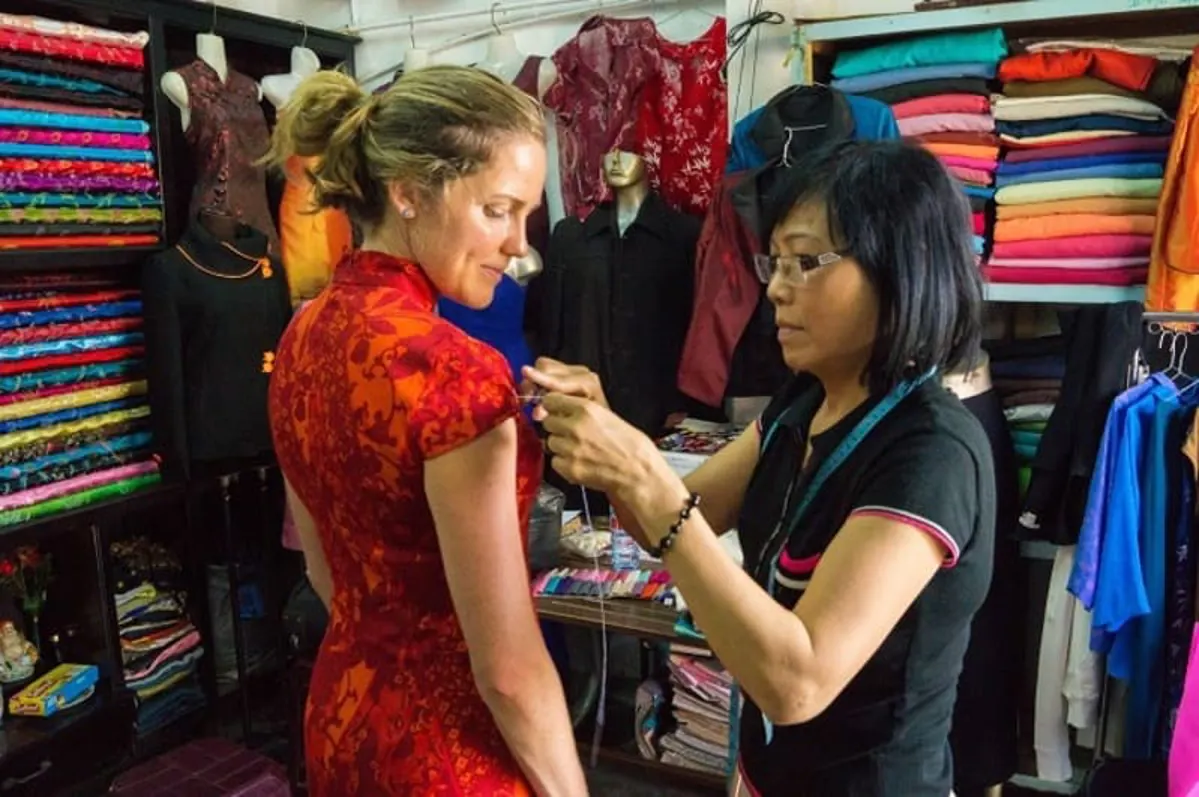
Hoi An offers visitors more than just historical sites and culinary experiences; it presents a rich retail environment for acquiring local goods. Understanding where to go and what items are available can enhance your visit, allowing you to find authentic souvenirs and custom-made products. This guide provides practical suggestions for navigating the city's shopping opportunities.
Key Shopping Destinations in Hoi An
The Hoi An Central Market, situated at the intersection of Nguyen Hue and Tran Phu streets along the Thu Bon River, serves as a primary hub for local commerce. Upon entering, visitors often notice a distinctive blend of aromas from various fresh produce, herbs, spices, and seafood, reflecting its riverside location. This market is an excellent place to observe daily local life and engage in price negotiation for goods.
For those interested in culinary items, a wide selection of fresh fish, live poultry, and vegetables is consistently available, known for its quality. Spices such as cinnamon and saffron are particularly sought after. On the eastern side, a colorful section houses numerous tailors and various silk fabric vendors. The silk tailoring services here are generally more affordable compared to other locations within Hoi An, making it a popular choice for custom garments. It is advisable to explore deeper into the market, as stalls positioned closer to the main entrances typically feature higher prices.
As evening descends, the Hoi An Night Market comes alive along Nguyen Hoang Street, presenting a lively retail experience. This pedestrian-friendly stretch, approximately 300 meters long, features more than 50 independent vendors. Shoppers can browse a wide array of goods, including finely crafted silk items, radiant paper lanterns, traditional Vietnamese apparel, and various keepsakes such as T-shirts and keychains.
Beyond its retail offerings, the Night Market creates a captivating setting for photography, with the glow of lanterns providing a unique backdrop. It is also a favored location for sampling local street food. A courteous practice when taking pictures is to always ask stall owners for their consent.
Within the heart of Hoi An's Ancient Town, several prominent streets serve as focal points for shopping, including Tran Phu, Bach Dang, Nguyen Thai Hoc, and Le Loi. These thoroughfares are lined with a diverse selection of retail establishments. Visitors will find numerous silk retailers, such as Quoc Huy Silk and B’ Lan Silk, alongside custom tailor shops like Yaly and AoBaBa Hoi An.
Specialized lantern stores, including Tuoi Ngoc and Ngoc Thu, offer a range of decorative lighting options. Additionally, footwear shops like Ocean shoe shop and Friendly shop shoe 3 are present. The concentrated nature of these businesses within walking distance provides a convenient shopping experience, minimizing travel time and effort.
Art connoisseurs will find Nguyen Thai Hoc Street particularly appealing, as it is home to roughly 100 art galleries. Among these, about 20 galleries showcase original paintings and photographs by established artists, while the majority (about 80) typically feature reproductions or works produced in larger quantities. This concentration of artistic venues provides an opportunity to admire various styles and potentially acquire a unique piece. The cost of an artwork can differ considerably, influenced by the artist's recognition, the originality of the piece, and its overall artistic merit.
Exploring local workshops and artisan villages provides access to distinctive handmade goods. The Lifestart Foundation Workshop stands out for its social mission, offering a selection of contemporary handbags, handcrafted T-shirts, and unique souvenirs. These items are produced by local residents with disabilities, and all profits are directed back to support these individuals.
Another significant destination is the Hoi An Silk Village, situated at 28 Nguyen Tat Thanh, Hoi An. This village is known for its premium silk products, including custom suits and dresses, often available at more competitive prices than other retail outlets. Beyond shopping, visitors to the Hoi An Silk Village can also learn about the traditional methods of silk production.
Distinctive Items to Acquire in Hoi An
Custom-made clothing is a highlight of shopping in Hoi An, a city celebrated for its fine materials, precise stitching, and the expertise of its tailors. Customers can specify their desired designs, and garments such as suits and dresses can often be completed and delivered within 24 hours.
The cost for a tailored suit typically falls between $80 and $300 at mid-range tailors like Bao An Tailor and Sewing Bee. For more luxurious options, such as those from Yaly Couture, prices can range from $115 to $700. Dresses, depending on fabric, length, and style, generally begin at $25 to $80 in mid-range stores and can go up to $250 for premium designs.
Leather products, encompassing bags, footwear, and sandals, are highly sought after in Hoi An. These items are available in numerous styles, exhibit good quality, and feature appealing designs. For a truly unique item, customers can request custom-made pieces. Shop owners will take measurements and allow clients to specify the desired style, color, shape, and additional details, with delivery usually completed within one to two days. These custom leather goods also make thoughtful presents.
A reasonable price for a well-made leather handbag in Hoi An is around $80, while luggage might cost approximately $120. Shoes typically start at $35. Friendly bags, operated by the same owners as Friendly shop, is a local establishment known for custom leather bags. They state they utilize only genuine leather and the finest materials available, offering a policy of "No Like = No Pay" and a 100% reimbursement if customers are not satisfied.
In addition to custom suits and dresses, silk accessories like ties and scarves are considered elegant purchases. They come in a wide array of colors and patterns, offering many attractive options. Despite their luxurious feel and design, silk products are surprisingly affordable, with a scarf or tie costing around $5.5. These items make for practical, fashionable, and cherished gifts for friends and family.
Hoi An is frequently referred to as the "City of Lanterns," and acquiring one of these beautiful decorative pieces is a common activity for visitors. A vast selection of colors, forms, and dimensions is available at reasonable prices. For those seeking a more personal touch, participating in a lantern-making workshop allows individuals to craft their own unique keepsake. Small lanterns are typically priced around $3.5, while larger versions cost approximately $5.5; shoppers should aim to pay within this range.
Pottery represents another excellent shopping choice in Hoi An. The available items showcase diverse patterns and designs, from ornate and historical to simple and modern. These pieces can be quite delicate, so careful packaging is essential for safe transport. The cost of pottery varies depending on its size, design complexity, and other factors. For a more interactive experience, Thanh Ha Pottery Village offers opportunities to learn the craft and create your own ceramic items. Any products made during these classes can typically be taken home without additional charge.
As previously mentioned, various galleries and handicraft workshops offer a selection of art, including photographs and paintings. The pricing of these art pieces is influenced by elements such as the artist's reputation, the work's originality, and its cultural significance, making it difficult to assign a fixed value. Beyond formal galleries, many local souvenir shops also feature paintings and photographs depicting daily life in Hoi An. Embroidery, with its intricate and often personalized designs, provides a distinctive artistic item. It is rare to find two identical embroidered pieces, making them particularly special. These unique items are generally available at fair prices in Hoi An.
Reflecting its blend of historical charm and contemporary fashion, Hoi An offers a delightful experience for those seeking jewelry and accessories. Shoppers will encounter a broad spectrum of choices in materials, designs, shapes, colors, and styles. Naturally, prices fluctuate considerably based on these characteristics; for example, gold jewelry commands a significantly higher price than silver. Fortunately, many appealing designs, including rings, bracelets, necklaces, and anklets, are sold at reasonable costs.
Vietnam holds a prominent position globally as both a producer and consumer of tea and coffee. Each city and region cultivates its own distinctive varieties, resulting in unique flavor profiles across the country. Acquiring tea and coffee in Hoi An is an excellent choice for a souvenir, given its local character, light weight for travel, and affordable pricing. These items are among the many unique purchases from Vietnam that travelers often seek.
For individuals interested in numismatics, ancient coins are available for collection. Specifically, at Duc An Old House, visitors can find coins featuring the Chinese Zodiac signs, often depicted as animals corresponding to each sign.
Essential Advice for a Successful Shopping Trip in Hoi An
General Shopping Practices
- It is advisable to spread your shopping activities across several days rather than attempting to complete all purchases on your final day.
- Price negotiation is a fundamental aspect of shopping here; do not accept an initial price that seems disproportionately high for the item's perceived value.
- When ordering custom-made items, be very precise with your requirements and pay close attention to details to prevent potential errors.
- Prioritize the quality of the product. If an item is of superior quality, a slight increase in price may be justified.
- Visit various establishments to compare both the quality and pricing of similar goods.
- Avoid aggressive bargaining without a genuine intention to buy, especially during the early morning hours.
- Wear comfortable footwear, as exploring the markets and shops often involves extensive walking.
- During periods of rain, inquire if shops offer complimentary delivery services to your accommodation.
- Create a list of desired purchases in advance to help manage your budget.
- Conduct some preliminary research on items you plan to buy.
- Seek recommendations from local residents for reliable vendors.
- Consider the practical use of an item before making a purchase.
- Focus your shopping on the main commercial streets to access a wide selection of stores efficiently.
- Ensure you have adequate space in your luggage for all acquired items.
- If paying by credit card, the vendor should typically absorb the 3% bank charge; stand firm on this point. For more information on managing finances in Hoi An, resources are available.
- For items that can be either glued or stitched, always request stitching, which should be provided without extra cost.
- Familiarize yourself with the characteristics that differentiate genuine leather from synthetic alternatives.
Custom Clothing Considerations
- Allocate sufficient time for fittings to ensure the garment achieves a perfect fit, rather than rushing the process on your departure day.
- Provide tailors with clear, detailed instructions, perhaps with sketches or written specifications, as vague descriptions are unlikely to result in a perfectly tailored item. The most satisfied customers are often the most prepared.
- Consult with other travelers who have had positive experiences to identify reputable tailors and those to avoid.
- Be discerning about fabric quality, which can vary significantly between shops. Do not be swayed solely by a lower price; prioritize superior material.
- Carefully inspect each finished piece for any overlooked seams, incorrect hem lengths, or missing buttons, as tailors often work quickly.
- Engage in bargaining for the price and ensure you receive a receipt to prevent future disputes. Confirm the exchange rate used by the tailor against official bank rates.
- While negotiating prices, prioritize the quality of the craftsmanship and materials over extreme cost-cutting.
Selecting Footwear
- Hoi An boasts a wide selection of shoe stores offering designs from athletic sneakers to formal brogues, heels, and sandals, often influenced by European styles. For truly original and high-fashion designs, explore the shops on Phan Boi Chau street.
- When choosing a shoemaker, similar to finding a tailor, careful inspection is key. Take your time to compare prices and quality across different establishments. It is often reported that a small number of individuals own many of the shoe shops in town; asking staff about other branches can indicate a larger operation, which might suggest more experienced shoemakers and potentially better quality or value.
- For leather footwear, always ask to examine the raw leather first—feel its texture and note its scent. A simple test involves briefly burning a small, inconspicuous part; if it contains plastic, it will emit an unpleasant odor. Additionally, compare the shop's leather samples with the actual products to confirm quality before purchasing.
- Once the design is complete, meticulously check both the stitching and gluing. Shoemakers typically use both nails and adhesive to secure soles. Do not hesitate to ask the salesperson to demonstrate the construction methods used.
Purchasing Leather Bags
- Zippers: This component is crucial, especially for travel bags that might be overfilled. Insist on high-quality metal zippers. Ask the shop to show you samples; investing a few extra dollars for a better zipper can prevent costly replacements later.
- Buckles: Similar to zippers, buckles should be made of heavy metal. Inferior, lighter metals tend to break quickly. Discuss all these minor components and agree on their quality before negotiating the overall price, as they significantly affect the bag's durability and cost.
- Lining: The interior lining is another area where quality can be compromised. Request a strong suede lining instead of cheaper, tissue-like materials to avoid premature wear and dissatisfaction.
- Stitching: Reiterate your preference for proper stitching throughout the bag's construction, rather than relying solely on adhesive.
Recommended Shopping Venues in Hoi An
| Venue Name | Type of Goods | Location/Address | Notes |
|---|---|---|---|
| Hoi An Central Market | Fresh produce, spices, silk fabrics, tailoring services | Nguyen Hue and Tran Phu on the Thu Bon River | Good for bargaining; explore inner stalls for better prices. |
| Hoi An Night Market | Silk items, paper lanterns, traditional apparel, souvenirs | Nguyen Hoang Street | Over 50 vendors; popular for photos (ask permission). |
| Quoc Huy Silk | Silk garments | Located on Ancient Town shopping streets (specific address not supplied) | One of the popular silk shops. |
| B’ Lan Silk | Silk garments | Located on Ancient Town shopping streets (specific address not supplied) | Another popular silk shop. |
| Yaly | Custom tailoring (suits, dresses) | Located on Ancient Town shopping streets (specific address not supplied) | High-end tailoring option, prices $115-$700 for suits. |
| AoBaBa Hoi An | Custom tailoring (suits, dresses) | Located on Ancient Town shopping streets (specific address not supplied) | Popular tailor shop. |
| Tuoi Ngoc | Lanterns | Located on Ancient Town shopping streets (specific address not supplied) | One of the popular lantern shops. |
| Ngoc Thu | Lanterns | Located on Ancient Town shopping streets (specific address not supplied) | Another popular lantern shop. |
| Ocean shoe shop | Shoes | Located on Ancient Town shopping streets (specific address not supplied) | Popular shoe shop. |
| Friendly shop shoe 3 | Shoes, custom leather bags (Friendly bags) | Located on Ancient Town shopping streets (specific address not supplied) | Known for genuine leather and custom designs; "No Like = No Pay" policy. |
| Lifestart Foundation Workshop | Handbags, handmade T-shirts, unique souvenirs | Specific address not supplied | Products made by disabled locals; profits support them. |
| Hoi An Silk Village | High-quality silk items (suits, dresses) | 28 Nguyen Tat Thanh, Hoi An | Offers insights into silk production; competitive prices. |
| Bao An Tailor | Custom tailoring (suits, dresses) | Specific address not supplied | Mid-range tailoring option, prices $80-$300 for suits. |
| Sewing Bee | Custom tailoring (suits, dresses) | Specific address not supplied | Mid-range tailoring option, prices $80-$300 for suits. |
| Duc An Old House | Ancient coins (Chinese Zodiac signs) | Specific address not supplied | A place for collectors of unique coins. |
| Thanh Ha Pottery Village | Pottery, pottery-making classes | Specific address not supplied (a village outside town center) | Opportunity to create your own pottery; products made in class are free. |
Frequently Asked Questions
What are the best places to find unique souvenirs in Hoi An?
For unique souvenirs, consider the Hoi An Night Market on Nguyen Hoang Street for lanterns and traditional crafts, or explore the various workshops and galleries along Nguyen Thai Hoc Street. The Lifestart Foundation Workshop offers items with a social impact.
Is bargaining expected when shopping in Hoi An?
Yes, bargaining is a common practice in many Hoi An markets and smaller shops, particularly for items like clothing, souvenirs, and handicrafts. It is less common in fixed-price boutiques or larger stores.
How long does it take to get a custom-tailored outfit in Hoi An?
Many tailors in Hoi An can complete custom-made suits or dresses within 24 hours, with some even offering expedited services. However, allowing 1-2 days for fittings and adjustments is recommended for the best results.
What should I look for to ensure quality in leather products?
When purchasing leather goods, inspect the material's texture and scent. Genuine leather typically has a distinct smell and feel. For bags, check the quality of zippers and buckles, opting for heavy metal components. For shoes, examine the stitching and ensure both glue and nails are used for durability.
Are credit cards widely accepted, and are there extra fees?
Credit cards are generally accepted in larger shops and tailor establishments, but smaller market stalls may prefer cash. Some shops might apply a 3% surcharge for credit card payments; it is advisable to confirm if the shop will cover this fee, as it is often expected for them to do so.








