
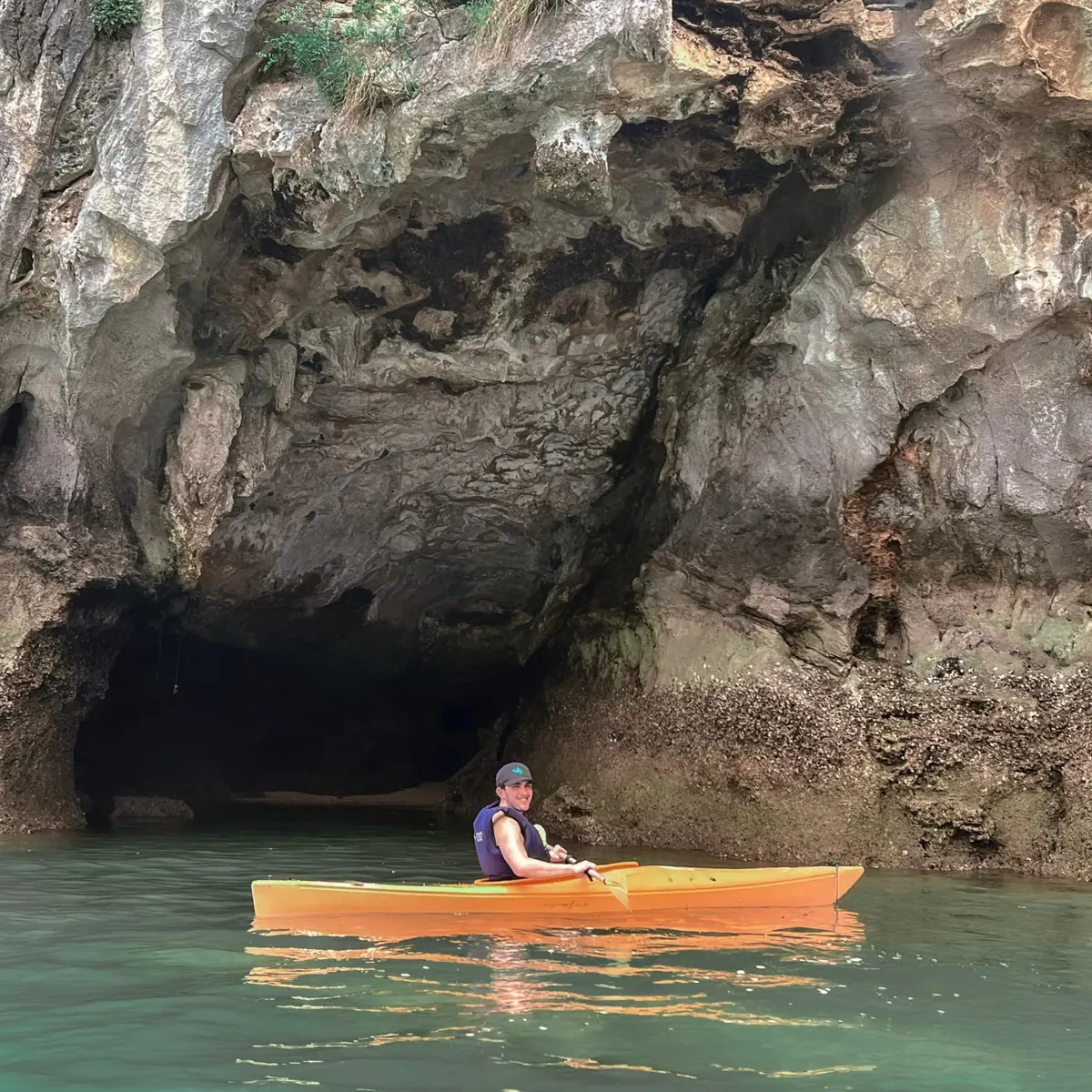
Halong Bay, a UNESCO World Heritage site, is a premier destination in Vietnam, renowned for its thousands of limestone karsts and islets. A cruise through its waters is a popular way to experience this natural wonder. However, like many popular tourist areas, visitors should be aware of potential scams and misrepresentations when booking a cruise. Understanding these risks and implementing preventative measures can significantly enhance the travel experience, ensuring a focus on the bay's natural splendor rather than unexpected issues.
This guide aims to equip travelers with the knowledge needed to identify and circumvent common problems, whether arranging their trip online or upon arrival. By following practical advice on verifying booking agents, scrutinizing itineraries, and understanding financial commitments, visitors can secure a reputable cruise that aligns with their expectations and budget.
Understanding Common Halong Bay Cruise Deceptions
Travelers seeking to explore Halong Bay often encounter various deceptive practices, both when planning their trip remotely and once they arrive in Vietnam. These schemes typically aim to exploit a visitor's unfamiliarity with local operations or their desire for a low-cost option. Recognizing the nature of these deceptions is the first step toward avoiding them and securing a legitimate cruise experience.
The prevalence of these issues underscores the importance of diligent research and cautious decision-making. From misleading advertisements to on-the-spot price alterations, these scenarios can transform an anticipated scenic voyage into a source of frustration. Being informed about how these scams operate allows travelers to approach their booking with greater confidence and discernment.
Online Booking Risks and Safeguards
Booking a Halong Bay cruise online offers convenience and a wide array of choices, from budget-friendly options to luxury excursions, with diverse itineraries and amenities readily available. However, this digital landscape also presents opportunities for fraudulent entities. A significant concern is the proliferation of unscrupulous companies that mimic legitimate travel agencies or cruise operators, often using similar branding or website designs to deceive travelers.
When considering online bookings, travelers must exercise caution regarding exceptionally low prices. Many Halong Bay cruise scams originate from offers that appear too good to be true, often advertised through pop-ups or unsolicited emails promoting steep discounts. These promotions might pressure individuals into making a deposit for a tour that ultimately delivers substandard services, unsafe facilities, or includes numerous hidden charges not disclosed upfront. A seemingly cheap initial price can quickly escalate with unexpected fees for food, activities, or transfers, making the final cost considerably higher than anticipated. Therefore, selecting a well-established and reputable agency, and opting for reasonably priced tours over suspiciously cheap ones, is a crucial safeguard. Even locals often prefer higher-quality, luxury cruises for a superior experience.
Challenges of Booking Upon Arrival
While some travelers prefer the perceived reliability of booking services in person, direct booking upon arrival in Halong Bay also carries specific risks. A common scenario involves aggressive touts who approach tourists at ticket counters or public areas, offering seemingly attractive cruise deals at surprisingly low prices, such as $40 for a day trip. These individuals often present themselves as friendly and enthusiastic, making it easy for visitors to be persuaded without adequate research.
The deception typically unfolds during the trip itself. Initially, the cruise might appear satisfactory, with meals and activities like cave exploration, visits to floating villages, or kayaking. However, at the end of the journey, passengers are often confronted with substantial additional charges for every service used, transforming the initial $40 trip into a $340 expense. At this point, disputing the charges can be difficult, as the original tout may have disappeared, leaving no clear recourse. To mitigate this, travelers should ensure they book through an operator or agency with a verifiable physical presence and a clear complaint resolution process, ensuring accountability if issues arise.
Navigating Weather-Related Cancellations
Weather conditions in Halong Bay can be unpredictable, and for the safety of all passengers, cruises are occasionally canceled by the Halong Bay Administration during adverse weather. It is essential for travelers to thoroughly understand the cancellation policy of their chosen cruise operator or travel agency. Reputable companies will clearly publish their policies on their websites, providing a transparent framework for such situations.
A legitimate cancellation policy typically dictates that travelers will be charged only for services already rendered, with the unused portion of the trip being refunded. For instance, if a trip is cut short due to a storm after transportation has been used, one meal consumed, and a cave visited, only those specific services would be billed, and the remainder refunded. Conversely, if an operator insists on charging the full amount despite a partial trip or no services being used, this is a strong indication of a potential scam. Always verify the terms and conditions before confirming a booking to avoid misunderstandings and financial loss.
Key Strategies for a Secure Halong Bay Cruise Booking
Ensuring a positive Halong Bay cruise experience hinges on proactive measures before and during the booking process. Diligence in selecting a reputable provider and clarity on all contractual terms are paramount to avoiding common deceptions.
Verifying Cruise Operator Credibility
To assess the reliability of a travel company or cruise operator, several steps can be taken. Begin by consulting independent review platforms such as TripAdvisor and other travel forums to gauge the experiences of previous travelers. Look for consistent positive feedback and any recurring complaints that might signal issues. A company with excellent certificates or high ratings on these sites generally indicates a commitment to quality service.
Furthermore, examine the cruise's pricing and the level of detail provided in its operating schedules and itineraries. A professional tour operator will offer comprehensive and explicit information about the journey, including specific visiting points and daily activities. Crucially, verify the company's contact information, including the address of their headquarters, email, and hotline numbers. The presence of clear and consistent contact details suggests a higher degree of transparency and trustworthiness. For financial services in the area, travelers can refer to resources like banking services in Halong City to plan their monetary needs.
Ensuring Detailed Booking Commitments
Before finalizing any cruise booking, it is vital to establish explicit agreements regarding all costs and services to prevent unexpected charges. Engage in clear discussions with the travel consultant about what is included and excluded from the tour price. This should cover transfers (e.g., airport to hotel, Hanoi to Halong Bay), airfares, visa arrangements, beverages, gratuities, and any onboard beauty or spa services. Comprehensive clarification on these points will help avoid miscellaneous additional fees.
Another critical aspect is understanding the children's policy, particularly regarding surcharges for children sharing rooms, as policies can vary significantly based on age. Additionally, thoroughly review the refund policy, especially concerning cancellations due to adverse weather or by the customer. While a full refund is not always guaranteed, reputable agencies will have a structured policy. For instance, a 100% refund typically applies if cancellation occurs before departure and no services have been used. If services like transfers, lunch, or a day trip have been utilized, only the cost of those services will be charged, with the remainder refunded. Should a multi-night trip be shortened, the cost will be adjusted to reflect the actual duration plus any used services. Always confirm the final cost via email and maintain direct communication with your consultant for any urgent assistance.
Comparing Booking Methods for Halong Bay Cruises
Choosing between booking a Halong Bay cruise online or upon arrival involves weighing distinct advantages and disadvantages. The table below outlines key considerations for each method.
| Booking Method | Advantages | Disadvantages |
|---|---|---|
| Online Booking | Easy price comparison; wider selection of cruises; flexible payment options; access to traveler reviews and forums; better control over potential extra charges; avoids being fully booked. | Risk of fraudulent agents impersonating legitimate companies; requires careful verification of agency credibility; potential for misleading low prices with hidden fees. |
| Booking Upon Arrival | Ability to see and hear about options directly; immediate booking for spontaneous trips. | Vulnerable to aggressive touts offering deceptively low prices; high risk of hidden charges added during the trip; limited recourse if issues arise or tout disappears; fewer choices compared to online. |
Given these factors, online booking through established and well-reviewed travel agencies generally offers a more secure and transparent process. This approach allows travelers ample time to research, compare, and confirm all details, minimizing the likelihood of encountering scams or unexpected disappointments. For those interested in local purchases, understanding essential souvenirs and unique purchases from a trip to Vietnam can be a useful guide.
Frequently Asked Questions
How can I verify if an online travel agency for Halong Bay cruises is legitimate?
To verify an online agency, check for extensive positive reviews on independent platforms like TripAdvisor and other travel forums. Look for a detailed website with clear contact information, including a physical address, email, and phone number. Be wary of offers that seem significantly cheaper than others, as these often indicate hidden costs or fraudulent operations. A reputable agency will also provide a comprehensive itinerary and transparent terms and conditions.
What should I do if my Halong Bay cruise is canceled due to bad weather?
If your cruise is canceled due to adverse weather, first consult the cancellation policy provided by your booking agent or cruise operator. Legitimate policies typically stipulate that you will be refunded for any unused services. If you have already used transfers or consumed meals, those costs may be deducted from your refund. If the operator attempts to charge you the full amount despite the cancellation, this is a red flag, and you should dispute the charge, referring back to their published policy.
Are there specific hidden charges I should look out for when booking a cruise?
Yes, common hidden charges can include fees for transfers to and from Halong Bay, beverages consumed onboard, gratuities for staff, personal services like massages, and sometimes even entrance fees to specific attractions not explicitly mentioned as included. Always ask for a detailed breakdown of what the total price covers and what expenses are extra. Clarify policies regarding children's fares and any potential surcharges for them.
Is it safer to book a Halong Bay cruise directly with the cruise line or through a travel agent?
Both methods have merits, but booking through a reputable travel agent often provides an additional layer of consumer protection and competitive pricing due to their bulk booking arrangements. Direct booking with a cruise line can also be reliable if it is a well-known operator. The key is to ensure that whichever entity you book with—be it a cruise line or an agent—is well-established, has transparent policies, and receives positive feedback from previous travelers. Avoid unknown or newly established entities offering unusually low prices.
What recourse do I have if I believe I've been scammed during my Halong Bay cruise booking?
If you suspect you've been scammed, immediately gather all documentation related to your booking, including emails, payment receipts, and any written agreements. Contact your booking agent or cruise operator to formally dispute the charges or services. If no resolution is reached, you may consider reporting the incident to local tourism authorities in Vietnam or your credit card company if payment was made by card. Having clear evidence of the agreed-upon terms versus what was delivered is crucial for any dispute.








