
Sapa in December offers a distinct winter experience in Vietnam's northern highlands, characterized by cool temperatures, misty mornings, and unique cultural events. This period provides a quieter atmosphere for visitors to explore its landscapes and traditions, away from the peak season crowds.
December Climate in Sapa
December brings the true essence of winter to Sapa, with chilly air and often misty landscapes. It is a time for those who appreciate cooler weather and serene, atmospheric scenery. The month typically marks the coldest period of the year in Sapa.
Daytime temperatures in Sapa during December generally range between 10°C and 19°C. However, nighttime temperatures can drop significantly, sometimes falling below 5°C, and in certain elevated areas, they may even approach freezing. Visitors should prepare for these considerable temperature fluctuations between day and night.
Regarding precipitation, December is one of Sapa’s driest months, alongside January, with an average rainfall of approximately 28mm. While occasional light drizzle may occur, heavy rain is uncommon. Despite the dry conditions, humidity levels remain relatively high, typically around 80%, contributing to a refreshing yet slightly damp environment. Air quality in Sapa during December is generally moderate, with an average AQI of about 53. The UV index can reach up to 7 on average, indicating a high risk category, so sun protection is still recommended.
Typical weather patterns in December include frequent morning fog, which often creates a mystical atmosphere that tends to dissipate as the day progresses, revealing clearer skies. While snowfall is not a regular occurrence, it is possible in higher elevations when temperatures drop significantly, adding a rare winter charm to the mountain scenery. Travelers should be aware that changeable weather, including fog or potential snow, might cause transportation delays, so planning extra time for journeys is a good idea.
Reasons to Visit Sapa During Winter
Visiting Sapa in December provides a peaceful and distinct travel experience, particularly suitable for those seeking natural beauty and tranquility. As it falls within the low season, visitors often encounter fewer tourists, making accommodation easier to secure and allowing for more intimate interactions with local communities.
A rare and captivating aspect of Sapa in December is the potential for snowfall, especially towards the end of the month or in early January. Due to its high altitude, Sapa is one of the few locations in Vietnam where snow might appear, transforming the region into a winter wonderland. This sight is particularly appealing to visitors from tropical climates.
December also offers a festive atmosphere with events such as the Sapa Winter Festival. This celebration often coincides with Christmas and New Year, featuring colorful parades, displays of traditional costumes, lion and dragon dances, and various snow-themed activities. With daytime temperatures typically between 5°C and 15°C, and nights nearing freezing, Sapa in December presents a cozy and celebratory escape for groups and individuals.
Activities and Experiences in Sapa's Winter
Despite the cool December weather, Sapa offers a range of specific winter activities that provide unique perspectives on the region.
Trekking to ethnic minority villages remains a popular activity, allowing visitors to observe local life, admire the terraced fields, and learn about the customs and attire of the ethnic communities. Trekking in December avoids the intense heat of summer, making daytime excursions more comfortable. Interacting with local children along the trails, who sometimes sell small items, offers a glimpse into their daily lives.
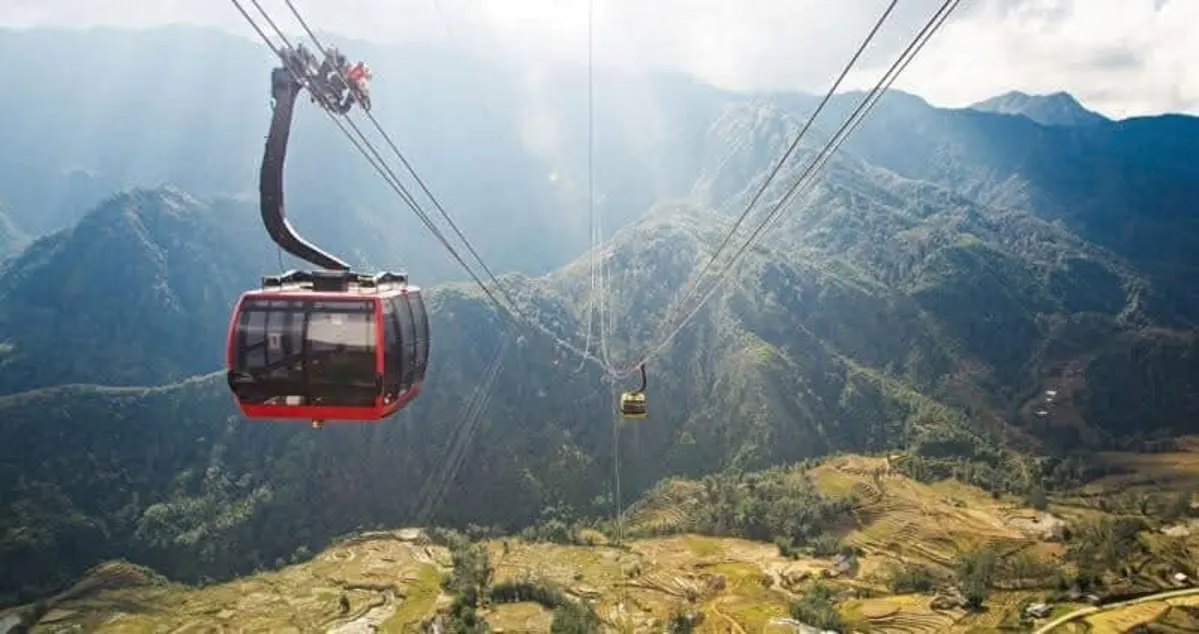
Exploring the majestic Fansipan Range is another highlight. While snow is uncommon in most of Vietnam, Mount Fansipan can experience ice and snow during December's cold conditions. Adventurous travelers can challenge themselves by ascending the mountain to experience Vietnam's highest peak. Alternatively, a cable car journey offers panoramic views of the terraced rice fields and mountain scenery without the rigors of hiking.
The Sapa Winter Festival, typically held in December and January, celebrates New Year and Christmas. The festival features parades and performances showcasing the unique cultural costumes of ethnic groups, alongside lion and dragon dances. Visitors may also participate in snow-related games and capture photographs amidst snow-themed displays.
Sapa is known for its atmospheric qualities, particularly in December when fog often blankets the town, creating an ethereal and mysterious landscape. Walking through the streets during this time can evoke a sense of a European winter, especially when combined with the occasional presence of ice and snow. Stopping for a warm beverage enhances this experience.
The Fire Dance Festival of the Red Dao ethnic people is a significant cultural event held towards the end of the year and early spring. This ritual involves inviting family and friends to the nave of houses, with the fire dance itself performed in the side yard. The dance is traditionally performed by strong, agile men for a few minutes each, before they return to hopscotch around the altar. This festival represents a unique cultural identity that is both wild and mysterious.
December also marks the beginning of the cherry blossom season in Sapa. Delicate pink petals emerge amidst the mist, creating a rare and charming spectacle. The O Quy Ho tea hill is a notable location to observe these blossoms, where they stand out against the green tea fields and morning fog. As temperatures drop later in December, the blossoms reach their full bloom, enhancing the natural landscape. Early morning or late afternoon visits are recommended for the best viewing experience, as the soft light and lingering mist amplify the magical atmosphere.
Beyond popular tourist spots, cloud hunting offers a distinct experience in Sapa's December weather, appealing to backpackers and photographers alike. Locations such as Fansipan Mountain, Ham Rong Mountain, and O Quy Ho Pass provide excellent viewpoints to observe the mystical cloudscapes prevalent during this season.
Sapa's December nights are cool and inviting, ideal for a tranquil walk along Cau May Street or through the Love Market. For a relaxed evening, local establishments like Ninety Pub, Color Bar, or The H'mong Sisters offer drinks and games. The Sapa night market also provides a lively atmosphere.
After a day of exploration, visitors can unwind in the natural hot springs of Ban Ho, located approximately 25km from Sapa town. With water temperatures ranging from 30°C to 40°C, these mineral waters are beneficial for easing muscle tension. Co Chieu Hot Spring is particularly recognized for its therapeutic properties and its connection to local Tay and Dao traditions.
Culinary Delights for Cold Weather
Sapa's cool December climate makes hearty, warming dishes particularly appealing. Here are some local specialties, along with estimated costs and recommended dining establishments:
| Dish | Estimated Cost | Recommended Places |
|---|---|---|
| Grilled Dishes (pork, chicken, fresh stream fish) | 1.92 - 3.85 $US/per person | A Quynh Restaurant (15 Thach Son, Sa Pa), Moment Romantic Restaurant (26 Muong Hoa, Sa Pa), Red Dao House (4B Thac Bac, Sa Pa) |
| Salmon Hotpot | 11.54 - 19.24 $US for 2-3 people | Cho Tinh Quan (63D Fansipan, Sa Pa), Hoa Dao Restaurant (48 Le Van Tam, Sa Pa), Hotpot Center (552 Dien Bien Phu, Sa Pa) |
| Lam Rice (bamboo tube rice) | 0.77 - 1.54 $US/per portion | Dung Trau Quan (85 Xuan Vien, Sa Pa), A Phu Restaurant (15 Fansipan, Sa Pa), Quan Ca Hoi Vua (15 Thach Son, Sa Pa) |
Essential Preparation for a December Visit
To ensure a comfortable and enjoyable trip to Sapa in December, given the potentially very cold conditions, careful preparation is key. Consider the following:
- What to Wear:
Pack multiple layers of warm clothing. Essential items include heavy jackets, overcoats, or windbreakers, with waterproof options being highly recommended due to potential drizzles. For footwear, warm and waterproof shoes or boots are crucial for navigating potentially slippery or snowy surfaces; popular choices include sports shoes, hiking boots, or felt boots. Scarves, hats, and gloves are also necessary accessories to protect against the cold, with leather gloves offering both warmth and style. - Heating Aids:
Thermal patches, also known as heating bags, provide an effective way to stay warm. These can be placed on the innermost layer of clothing to provide additional warmth, especially if your outerwear is insufficient. They are readily available in local shops. - What to Bring:
The dry December air can affect skin, so bringing moisturizer and lip balm is advisable. A basic personal medical kit with remedies for coughs, colds, or minor ailments, along with ginger tea, can be helpful for maintaining health in the cool climate. For managing finances, understanding banking facilities in Sapa is important. Additionally, a camera and phone are essential for capturing the scenic winter landscapes, but be aware that cold temperatures can cause batteries to drain more quickly.
Frequently Asked Questions
Is snowfall common in Sapa during December?
Snowfall is a possibility in Sapa in December, particularly in higher altitude areas such as Fansipan and the surrounding mountains. However, it is not a guaranteed event and typically occurs only when temperatures drop below freezing.
What are the typical fog and rain conditions in December?
Sapa in December often features thick morning fog and occasional light drizzle on some days. Overall, precipitation levels are low, contributing to a misty and atmospheric environment rather than heavy rain.
Do the rice terraces retain their appeal in winter?
While the rice terraces lose their golden hue after the harvest season, they remain visually striking. They are especially captivating when enveloped in morning mist and set against the cool December climate, offering a different kind of beauty.
Is trekking still feasible in Sapa in December?
Yes, trekking remains a popular activity despite the chilly December weather in Sapa. Trails such as those in the Muong Hoa Valley and on Fansipan offer unique winter landscapes. Hikers should dress warmly and be prepared for variable weather conditions.
Is motorbike travel advisable in Sapa during December?
Given the cool temperatures and the potential for fog or light rain, motorbike riding can present challenges in Sapa during December. Riders should wear appropriate cold-weather gear and stay informed about current weather conditions to ensure a safe journey.








