
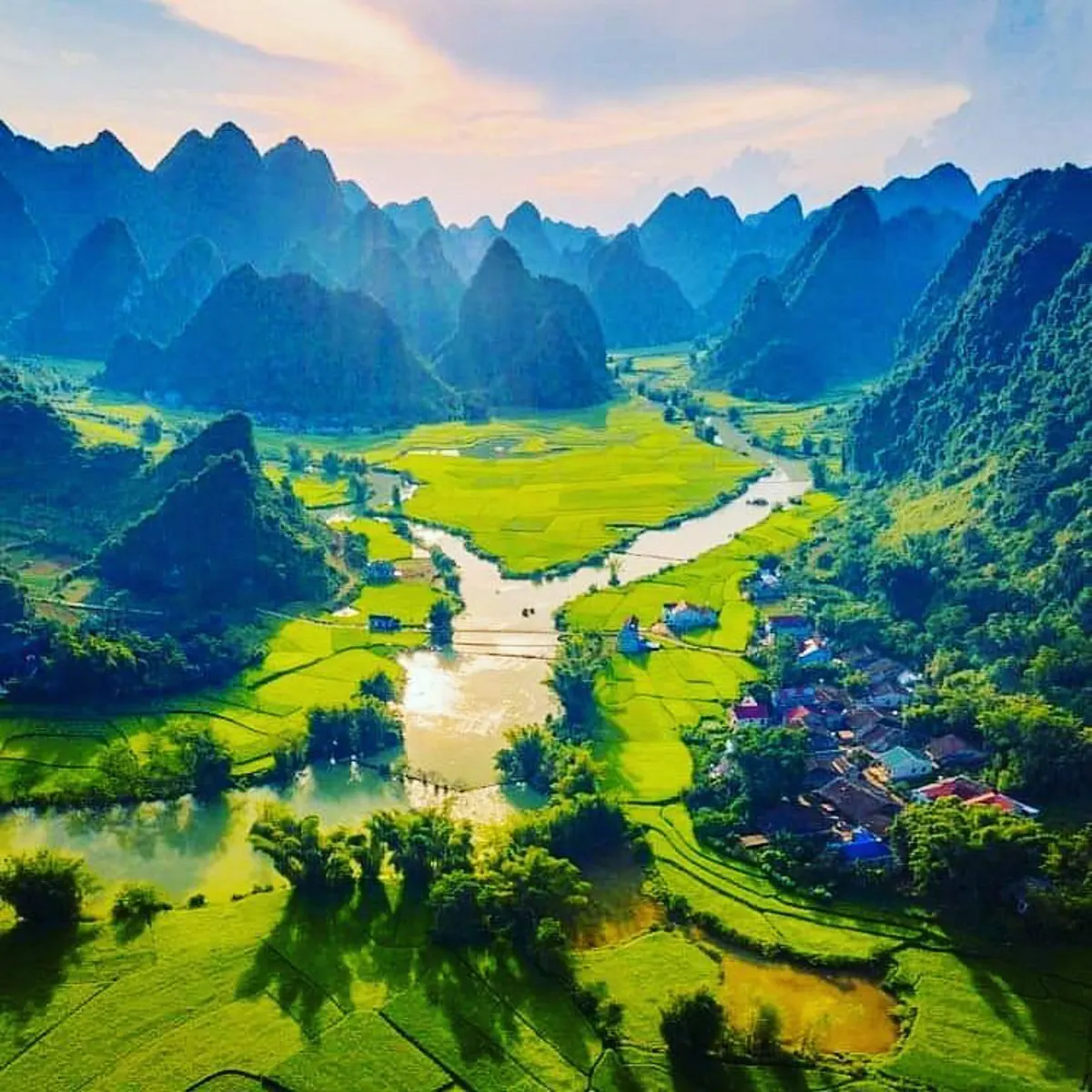
Huu Lien, situated within Huu Lung district in Lang Son province, presents an accessible option for those seeking a short break from Hanoi. Approximately 130 kilometers from the capital, this area can be reached in about two and a half hours by car, primarily via National Highway 1A. It is recognized for its natural beauty and distinct cultural heritage, making it suitable for weekend excursions.
The region is characterized by its significant biodiversity and the presence of several ethnic minority communities, offering visitors a blend of outdoor activities and cultural insights. From expansive grasslands to ancient forests and traditional stilt houses, Huu Lien provides a different pace of life compared to urban centers.
Reaching Huu Lien from Hanoi
Traveling to Huu Lien from Hanoi is a straightforward journey, making it a convenient destination for a brief getaway. The distance of approximately 130 kilometers typically requires around two and a half hours of driving time. The most common route involves utilizing National Highway 1A, a major thoroughfare that connects various parts of northern Vietnam.
This route offers a direct path, allowing travelers to reach the Huu Lung district efficiently. While public transportation options may exist, private vehicle or hired car services are generally preferred for their flexibility, especially when planning to explore the more remote areas of the nature reserve and surrounding villages.
Exploring Huu Lien's Natural Environment
Huu Lien is designated as a national nature reserve, encompassing over 10,000 hectares of protected land. This area is home to a variety of rare and valuable plant species, including Hoang Dan, Thien Tue, and the One-leaf Tree. The special-use forests within the reserve also provide habitat for numerous animal species listed in conservation efforts, such as deer, pythons, and langurs. The reserve plays a crucial role as a significant ecological zone in Vietnam's Northeast, attracting both scientific researchers and ecotourists interested in its rich biodiversity.
One of the most notable natural attractions near Huu Lien is Dong Lam grassland, located about 3 kilometers from the main settlement. During the dry season, Dong Lam features wide green fields, rolling mountains, wildflowers, and horse farms, creating a serene landscape popular with local visitors. However, in the rainy season, the entire area transforms as it becomes submerged under water, allowing visitors to navigate the expansive lake by boat and observe the surrounding limestone mountains reflected in the clear water. This seasonal change offers two distinct experiences of the same natural setting. The combination of water, stone formations, and open pastures contributes to a sense of returning to nature's origins, establishing Dong Lam as a key highlight for anyone visiting Huu Lien.
Cultural Experiences and Local Life
Huu Lien is home to approximately 3,000 residents, with a majority belonging to various ethnic minority groups, including the Tay, Nung, Dao, and H'Mong peoples. This demographic composition offers visitors a unique opportunity to engage with and experience diverse local cultures. The region is particularly known for its traditional stilt houses, which are characteristic of the northern mountainous areas. These homes, often featuring four roofs with yin and yang tiles, are frequently nestled among green mountainsides and fruit trees, forming a distinctive architectural landscape.
Many stilt houses are positioned with their backs against a mountain and their fronts facing open fields, a design choice that contributes to a sense of tranquility and openness. Despite its location somewhat removed from major highways and with less developed transportation infrastructure, Huu Lien's communities are known for their warm hospitality. Visitors are often welcomed with various local specialties. Homestay accommodations in the area are typically clean and well-equipped, providing an authentic experience. Culinary offerings include corn wine, traditionally crafted by the Dao people using red yeast, sticky rice prepared with natural leaf colorings, roasted pork, roasted duck, and baked spring rolls. Additionally, many dishes feature ingredients sourced directly from Huu Lien's streams, such as stream snails and grilled fish, complemented by wild vegetables. A unique local practice involves bathing in fragrant leaf water, a traditional Dao medicinal remedy believed to alleviate daily fatigue.
Suggested Itineraries for Huu Lien
Planning a trip to Huu Lien can involve various durations, from a quick weekend getaway to a more extended exploration of the surrounding Lang Son province. Below are two suggested itineraries to help organize your visit, showcasing different aspects of the region's natural beauty and cultural offerings.
Hanoi – Huu Lien (2 Days/1 Night)
This itinerary focuses on the core attractions of Huu Lien, providing a concentrated experience of its nature and local culture.
- Day 1: Hanoi – Huu Lien
- Morning: Depart from Hanoi. The drive to Huu Lien typically takes about 2.5 hours via National Highway 1A. Upon arrival, check into your homestay accommodation and take some time to rest.
- Lunch Break: Enjoy local cuisine.
- Afternoon: Engage in a light trek around the area. Spend free time relaxing or interacting with local residents.
- Meals: Lunch, Dinner.
- Accommodation: Nung Long House (or similar local homestay).
- Day 2: Huu Lien – Hanoi
- Morning: Dedicate time to explore Dong Lam Grassland or the broader National Natural Reserve.
- Return: Begin the journey back to Hanoi.
- Meals: Breakfast.
- Accommodation: Not applicable (return home).
Hanoi – Huu Lien – Binh Gia – Bac Son – Hanoi (3 Days/2 Nights)
For those with more time, this itinerary expands to include additional destinations in Lang Son, offering a broader perspective of the province.
- Day 1: Hanoi – Huu Lien
- Morning: Depart from Hanoi, arriving at Huu Lien after approximately 2.5 hours of driving. Check into your homestay and relax.
- Lunch Break: Enjoy a local meal.
- Afternoon: Undertake a soft trek at Dong Lam Grassland or within the National Natural Reserve. Free time for relaxation or cultural exchange.
- Meals: Lunch, Dinner.
- Accommodation: Nung Long House (or similar local homestay).
- Day 2: Huu Lien – Binh Gia – Dang Mo Waterfalls – Bac Son
- Morning: After breakfast and checking out, travel to Binh Gia. Visit the Dang Mo waterfalls.
- Lunch Break: Enjoy a meal.
- Afternoon: Enjoy a leisurely bicycle ride to Quynh Son village, a community of the Tay people. Free time for relaxation.
- Evening: On weekends, a traditional music show by the Tay people may be available.
- Meals: Home-hosted Dinner.
- Accommodation: Long House of Tay tribe in Quynh Son village, Bac Son Valley.
- Day 3: Bac Son – Na Lay Peak – Mo Mam Cave – Hanoi
- Morning: Have a local breakfast. Embark on a gentle trek from the village to Na Lay Mountain.
- Lunch Break: Enjoy a meal.
- Afternoon: Drive to Mo Mam spring and explore Keeng Tao Cave.
- Return: Travel back to Hanoi.
- Meals: Breakfast and Lunch.
- Accommodation: Not applicable (return home).
These itineraries provide a framework for experiencing Huu Lien and its surroundings, balancing natural exploration with cultural engagement. Visitors can tailor these suggestions to their interests and available time.
Comparing Huu Lien Itinerary Options
To help you decide which trip duration suits your travel style, here is a comparison of the two suggested itineraries for visiting Huu Lien and the broader Lang Son region:
| Itinerary | Duration | Primary Focus | Key Locations & Activities |
|---|---|---|---|
| Hanoi – Huu Lien | 2 Days/1 Night | Nature & Local Homestay | Huu Lien, Dong Lam Grassland (trekking/boating), local cultural interaction, Nung Long House stay. |
| Hanoi – Huu Lien – Binh Gia – Bac Son – Hanoi | 3 Days/2 Nights | Extended Regional Exploration | Huu Lien, Dong Lam Grassland, Binh Gia, Dang Mo Waterfalls, Quynh Son Village (Tay culture, cycling), Bac Son Valley, Na Lay Peak (trekking), Mo Mam Spring, Keeng Tao Cave. |
Practical Advice for Visiting Huu Lien
When planning a trip to Huu Lien, considering a few practical aspects can enhance your experience. As the area is a natural reserve and home to ethnic communities, preparation is key for a comfortable and respectful visit. For managing finances during your trip, it's useful to be aware of banking services in the wider Lang Son province, though cash is often preferred in smaller, rural settings.
Accommodation primarily consists of homestays, offering an authentic way to experience local life. These typically provide basic but clean facilities and the chance to try traditional meals. It is advisable to verify current availability and book in advance, especially during peak travel seasons. When departing from Hanoi, ensure your vehicle is suitable for potential rural roads, though the main access via National Highway 1A is generally well-maintained.
Respecting local customs and traditions is important when interacting with the ethnic minority communities. Learning a few basic phrases in Vietnamese can be helpful, and always ask for permission before taking photographs of people. The local cuisine is a highlight, featuring fresh ingredients and unique preparations; trying local specialties is highly recommended. For those interested in bringing home a piece of their journey, exploring local products and traditional crafts can be a rewarding experience.
Frequently Asked Questions
What is Huu Lien known for?
Huu Lien is recognized for its national nature reserve, featuring diverse ecosystems, rare plant and animal species, and the picturesque Dong Lam grassland. It is also known for its rich ethnic minority cultures, offering visitors insight into the traditions of groups like the Tay, Nung, Dao, and H'Mong peoples.
How far is Huu Lien from Hanoi and how long does it take to get there?
Huu Lien is approximately 130 kilometers from Hanoi. The journey typically takes about two and a half hours by car, primarily using National Highway 1A.
What activities can I do at Dong Lam Grassland?
In the dry season, visitors can enjoy trekking across the green fields, observing the mountains, and seeing wild horses. During the rainy season, the grassland becomes submerged, allowing for boat trips to admire the flooded landscape and limestone karsts.
Are there cultural experiences available in Huu Lien?
Yes, Huu Lien offers significant cultural experiences. Visitors can stay in traditional stilt houses, interact with local ethnic communities, and sample unique regional dishes and beverages, such as corn wine and colorful sticky rice. Traditional herbal baths are also a reported local offering.
What kind of accommodation is available in Huu Lien?
Accommodation in Huu Lien primarily consists of homestays operated by local families. These provide an opportunity to experience the traditional lifestyle and hospitality of the ethnic communities in the area.








