
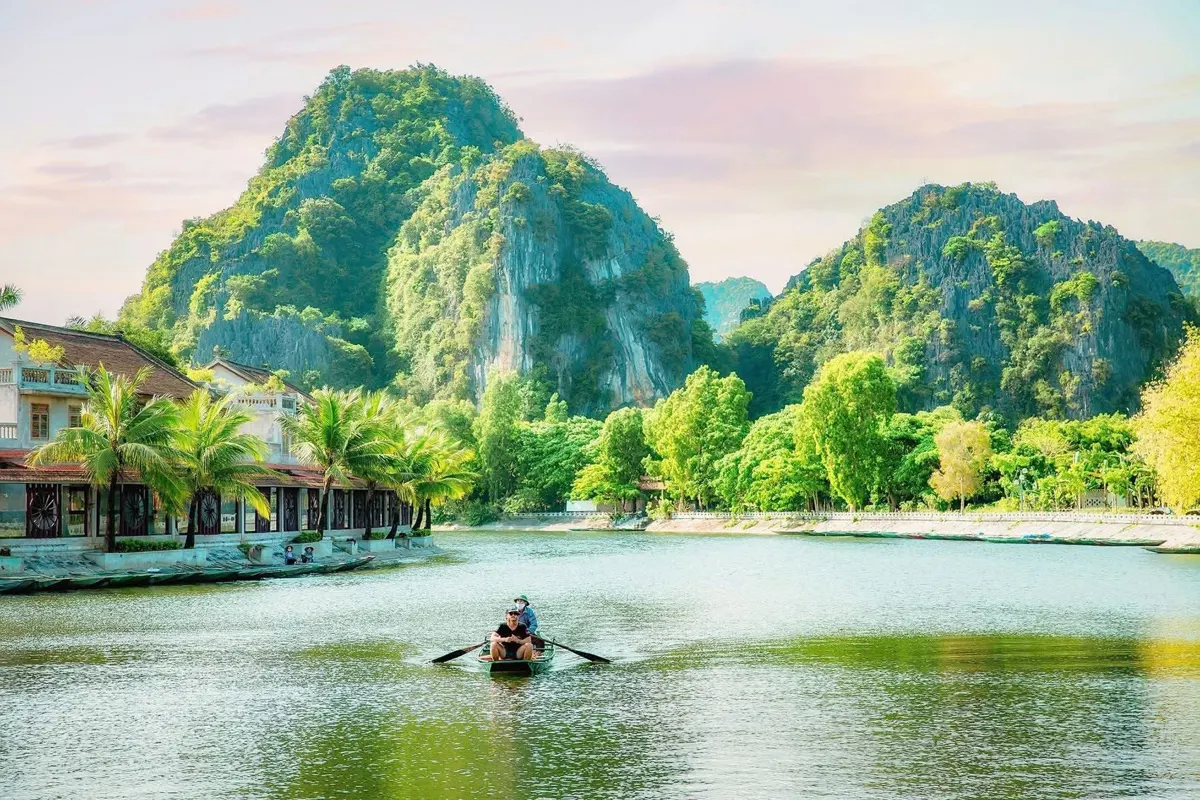
January is a month of diverse climatic conditions across Vietnam, offering distinct experiences depending on the region. While the northern provinces typically experience cool, dry weather, the central areas transition out of their rainy season to milder temperatures, and the southern parts enjoy warm, sunny days. This makes January a popular time for international visitors seeking a range of activities, from cultural exploration to beach relaxation, often coinciding with the festive atmosphere of the Lunar New Year.
Understanding Vietnam's January Climate by Region
Vietnam's elongated geography results in significant weather differences from north to south during January. Travelers should prepare for varying conditions, which can influence activity choices and packing decisions across the country.
Northern Vietnam (Hanoi, Halong Bay, Sapa)
The northern part of Vietnam, encompassing areas like Hanoi, Halong Bay, Ninh Binh, Sapa, Mai Chau, and Ha Giang, experiences its winter peak in January. The weather is generally cool and dry. Hanoi typically sees average daytime temperatures ranging from 15 to 20°C, with very low rainfall, usually around 40mm for the month. Higher elevations, such as Sapa and Ha Giang, can be considerably colder, with temperatures sometimes approaching freezing, and a rare possibility of snow or frost. Mornings and evenings in these mountainous areas are particularly chilly and can be foggy, which might affect visibility for photography. Due to the cool water temperatures, activities like swimming or snorkeling in Halong Bay or other northern beaches are generally not recommended.
Central Vietnam (Da Nang, Hoi An, Hue, Nha Trang)
Central Vietnam, including destinations like Quang Binh, Hue, Da Nang, Hoi An, Quy Nhon, and Nha Trang, is in a transitional phase during January. The wet season is concluding, leading to progressively warmer temperatures and reduced rainfall, especially in the latter half of the month. Coastal areas typically experience temperatures around 20–24°C, making them increasingly suitable for beach activities as the month progresses. However, the Central Highlands remain cooler, with chilly mornings and nights. Visitors to this region should pack a mix of light clothing for daytime and warmer layers for evenings.
Southern Vietnam (Ho Chi Minh City, Phu Quoc, Mekong Delta)
Southern Vietnam, covering major hubs like Ho Chi Minh City, the Mekong Delta, Phan Thiet, Mui Ne, Vung Tau, Con Dao, and Phu Quoc, enjoys some of its finest weather conditions in January. Expect consistently warm and sunny days with minimal rainfall. Average daytime temperatures hover around 25–28°C, creating ideal conditions for beach holidays and exploring urban centers. Ho Chi Minh City, for instance, maintains warm daytime temperatures with cooler evenings and low humidity, averaging around 26°C. The southern islands, such as Phu Quoc and Con Dao, are particularly inviting with clear skies and calm waters, perfect for swimming and other water-based recreation.
Top Destinations for January Travel
January provides an excellent opportunity to explore Vietnam's diverse landscapes and cultural sites, with favorable weather in many key regions. From the festive energy of the south to the cooler, atmospheric north, there are numerous options for travelers.
Southern Highlights
- Ho Chi Minh City: The city is alive with preparations for Tet, offering a chance to experience local customs, explore French colonial architecture, and enjoy a dynamic urban environment.
- Mekong Delta: Discover the tranquil waterways, observe traditional floating markets, and engage with authentic rural life through boat excursions.
- Phu Quoc Island: Known for its tropical beaches and clear waters, Phu Quoc is ideal for relaxation and swimming under warm, sunny skies.
Central Coast Attractions
- Hoi An: This UNESCO-listed ancient town is particularly charming in January, with pleasant weather for walking through lantern-lit streets and appreciating its historical architecture.
- Da Nang: Offers a combination of extensive sandy beaches, the Marble Mountains, and a modern city atmosphere, all benefiting from improving weather conditions.
Northern Experiences
- Hanoi: Explore the historic Old Quarter, sample renowned street food, and delve into the capital's rich cultural heritage in cool, dry comfort. For managing finances in major cities like Hanoi, understanding local banking options is beneficial.
- Ha Long Bay: The dramatic limestone formations are often shrouded in a light mist or fog during January, creating a unique and atmospheric cruising experience, though swimming might be too cold.
- Sapa: Ideal for mountain trekking and visiting ethnic minority villages. While cold, there's a rare possibility of encountering snow in early January. Ascending Vietnam's highest peak, Mount Fansipan, is a popular activity in Sapa, accessible via a modern cable car system.
January Festivals and Cultural Celebrations
January is a culturally significant month in Vietnam, primarily due to the observance of Tet Nguyen Dan, the Lunar New Year. This period transforms the country with festive decorations and family gatherings, offering visitors a unique insight into Vietnamese traditions.
Tet – Vietnamese Lunar New Year
Tet typically occurs between late January and mid-February, with exact dates changing annually. It is the most important national holiday, prompting many Vietnamese to travel to their ancestral homes. The festive spirit is palpable nationwide, with vibrant street decorations and special preparations. Travelers should be aware that during the main Tet holiday (usually the first three days), many businesses, markets, and services, especially in Northern Vietnam, may close or operate with reduced hours. This can lead to limitations on tourist activities and often results in price surcharges of 20-30% on accommodation and transport. It is highly advisable to book hotels and internal flights 6-8 weeks in advance if your trip falls during this period. Despite the logistical considerations, experiencing Tet offers a profound cultural immersion. If you are invited to a local family's home during Tet, it is customary to offer 'lì xì' (lucky money in a red envelope) to your guides and drivers as a gesture of good fortune, particularly on the first few days of the new year.
Dalat Flower Festival
Held biennially in early January, the Dalat Flower Festival showcases extensive floral displays, alongside live music and fashion events. This international event draws many visitors to admire the elaborate arrangements.
Sa Dec Flower Festival
Sa Dec in Dong Thap Province is renowned for its flower cultivation. The Sa Dec Flower Festival typically runs from December through February, allowing visitors an extended period to view a vast array of flowers and participate in local activities. It also provides an opportunity to purchase flowers directly from growers.
Essential Packing and Travel Advice
Preparing for a January trip to Vietnam requires careful consideration of the regional weather differences and cultural events. Appropriate packing and planning can greatly enhance your travel experience.
Packing List for Vietnam in January
- Clothing: For the south, lightweight layers are sufficient. For the north, particularly Sapa and Hanoi, include a warm jacket, sweaters, and long pants.
- Footwear: Comfortable walking shoes are essential for sightseeing. Sandals or open-toed shoes are suitable for the warmer southern regions.
- Rain Gear: A light rain jacket or a compact umbrella is advisable for unexpected, brief showers, especially in central areas.
- Accessories: Sunscreen, a hat, and sunglasses are important for sun protection in the south. A scarf and gloves can be beneficial for colder northern mornings and evenings.
- Health & Safety: Carry basic personal medications, insect repellent, and ensure you have comprehensive travel insurance documents.
- Electronics: A universal power adapter, a portable power bank, and a waterproof pouch for your phone are practical, especially if participating in boat tours.
Practical Considerations
- Temperature Fluctuations: Be prepared for significant temperature variations. Northern regions can experience lows around 10°C or even colder, while the south remains consistently warm, typically 27–30°C.
- Tet Holiday Planning: If your travel dates coincide with Tet (late January to mid-February, varying annually), book all accommodations and transport well in advance, ideally several weeks ahead, to avoid limited availability and surcharges. Some routes may have reduced service. For longer distances, considering overnight rail journeys can be an efficient way to travel.
- Currency and Payments: Always carry Vietnamese Dong, as ATMs can be particularly busy or run out of cash during the Tet holiday.
- Cultural Respect: When visiting religious sites or attending holiday gatherings, it is appropriate to dress modestly, ensuring shoulders and knees are covered. Visitors might also consider exploring unique purchases and souvenirs to remember their trip.
Frequently Asked Questions
Is January a good time to visit Vietnam?
Yes, January is generally considered an excellent time to visit Vietnam. It offers a combination of cool, dry weather in the north, pleasant conditions along the central coast, and warm sunshine in the south, making it suitable for a wide array of travel activities.
Is Vietnam rainy in January?
Most regions of Vietnam are in their dry season during January, so significant rainfall is uncommon. While occasional light showers might occur, particularly in the far south, prolonged periods of rain are rare.
Is Vietnam expensive in January?
Prices for travel and accommodation in Vietnam typically increase during December and January due to the holiday season and peak tourist demand. However, booking well in advance (6-12 months) can sometimes help secure more favorable rates.
What is the weather like in Hanoi in January?
Hanoi in January is cool and dry, with average temperatures ranging from 15–20°C (59–68°F). There might be occasional light mist or drizzle, but heavy rain is infrequent.
Is Phu Quoc suitable for swimming in January?
Absolutely. Phu Quoc in January experiences warm temperatures, typically around 27–30°C (81–86°F), and calm seas, creating ideal conditions for swimming and other beach activities.
Can it snow in Sapa in January?
Snow in Sapa is a rare occurrence but is possible. Cold fronts can bring temperatures near or below 0°C (32°F), leading to occasional snowfall or frost in the mountainous areas.
Will Tet affect my trip?
Yes, Tet (Lunar New Year) can significantly impact travel plans. Expect business closures, higher prices for services, and potentially limited transport options. However, it also provides a unique opportunity to experience Vietnam's most important cultural celebration.
Is Halong Bay worth visiting in January?
Halong Bay is certainly worth visiting in January. The cool, dry weather, often accompanied by a light fog, creates a dramatic and mystical landscape. While the water may be too chilly for swimming, cruising and exploring the karsts remain popular activities.
Is Ho Chi Minh City cold in January?
No, Ho Chi Minh City is not cold in January. Unlike northern Vietnam, which experiences cooler temperatures, Ho Chi Minh City maintains a tropical climate. January is one of the most comfortable months there, with warm but not excessively hot temperatures (typically 20-30°C), low humidity, and minimal rain. Lightweight, breathable clothing is recommended.








