
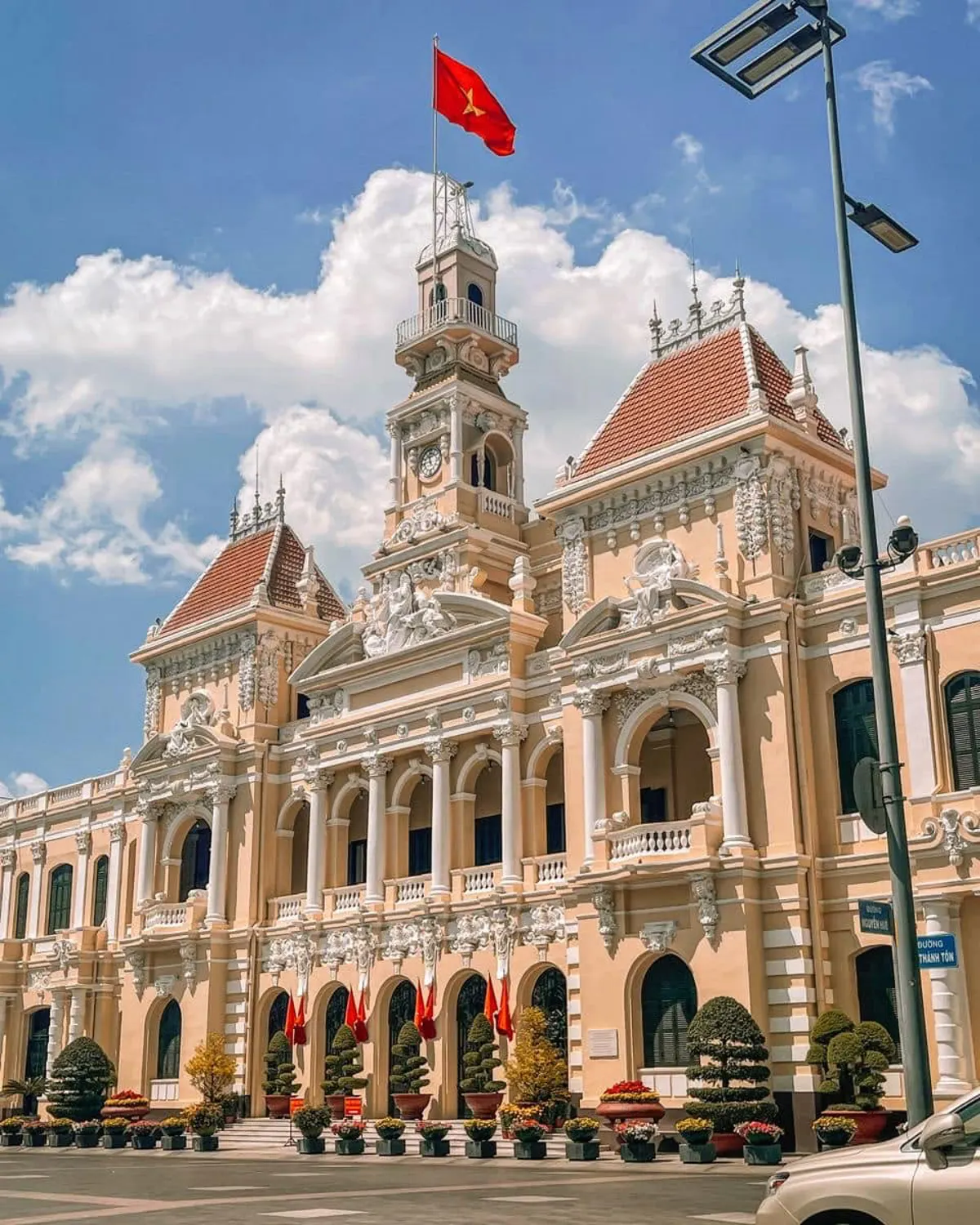
Ho Chi Minh City, a major urban center in Vietnam, presents a wide array of international dining choices alongside its renowned local fare. Among these, Korean cuisine has gained considerable popularity, with numerous establishments catering to both residents and visitors. Whether seeking authentic flavors or a modern interpretation, the city provides many opportunities to experience Korean dishes.
This guide details a selection of Korean restaurants across Ho Chi Minh City, offering insights into their specialties, ambiance, and pricing. From upscale barbecue venues to cozy eateries serving comfort food, these locations provide a taste of Korea within the bustling Vietnamese metropolis.
Understanding Korean Food in Ho Chi Minh City
The Korean culinary scene in Ho Chi Minh City reflects a blend of traditional recipes and adaptations to local tastes. Many restaurants import ingredients directly from Korea, ensuring a degree of authenticity, while others may adjust seasoning to appeal to a broader palate. This dynamic creates a diverse dining environment where patrons can explore various facets of Korean cooking.
Common dishes found include Korean barbecue (samgyeopsal, bulgogi), hotpots (tteokbokki, budae jjigae), a variety of soups, mixed rice (bibimbap), and noodles (japchae, naengmyeon). Side dishes, known as banchan, are typically served with meals and often include different types of kimchi, pickled vegetables, and other small plates that complement the main course.
Featured Korean Dining Establishments
Ho Chi Minh City hosts a range of Korean restaurants, each offering a unique experience. Below is a detailed look at some notable options, providing information on their addresses, operating hours, and approximate price ranges. Please note that prices are subject to change and should be verified directly with the restaurant.
Kyung Bok Gung Korean Restaurant
Situated centrally in District 1, Kyung Bok Gung is a casual dining venue known for its extensive menu and attentive service. The restaurant provides a broad selection of Korean dishes, including 13 types of barbecue meats and 8 hotpot choices, alongside various seafood, noodle, and rice options. The food is prepared with fresh ingredients, with flavors often adjusted to suit local preferences, making it approachable for many diners. Portions are generally modest, encouraging guests to sample multiple dishes.
The establishment features a spacious interior with large tables, making it suitable for family gatherings or groups of friends. Its location on Hai Ba Trung Street ensures easy access for those exploring the city center.
Kitchen Seoul
Kitchen Seoul, located in District 2, is recognized for its high-quality food and refined dining environment. This restaurant offers a comprehensive menu of traditional Korean dishes, including various soups, mixed rice, noodles, barbecue, and seafood. Customer feedback often highlights the good taste and moderate portion sizes, which are suitable for group dining. An abundant selection of banchan is provided and replenished as needed. The barbecue meats are particularly noted for their freshness, seasoning, and juiciness. Given the higher price point, dining with companions to share costs is a common recommendation. The interior is tastefully decorated, enhancing the overall dining experience, though delivery services are also available for those preferring to eat at home.
Choi Go Jip Korean Restaurant
Choi Go Jip, also in District 1, offers a more premium and expensive Korean barbecue experience. The restaurant focuses on serving clean, fresh, and high-quality meats, such as marinated or unmarinated pork neck, fresh pork belly, sliced beef belly, beef sirloin, and sweet soy-marinated scotch fillet. While the selection of main barbecue items is curated, each is reported to have excellent flavor. In addition to barbecue, other Korean staples like soups, noodles, and rice are available to complement the meal. The dining area is clean, bright, and airy, featuring numerous large windows and private sections with sizable tables, accommodating families and small parties for both lunch and dinner.
Won Cuisines
Won Cuisines, found in District 1, is frequently recommended for its authentic home-style Korean cooking. The menu includes popular dishes such as kimchi noodles, squash pancake, kalguksu, bulgogi, mixed rice, and various Korean soups. Ingredients are reportedly imported directly from Korea, and the dishes are formulated by a Korean chef-owner, aiming to deliver original flavors. The homemade kimchi, served as a side dish, is particularly praised. The restaurant offers a cozy dining atmosphere, complemented by friendly staff, contributing to a comfortable experience.
Jeon Sool Bab Restaurant
Also in District 1, Jeon Sool Bab specializes in home-cooked Korean dishes, with barbecue as an additional option. The menu is diverse, featuring pleasant and accessible flavors. Highlights include spicy seafood soup, hot bibimbap, cold soba noodles, and seafood pancake. A notable offer includes five free pancakes with the purchase of a meal. The interior design reflects Korean aesthetics, with sliding doors and wooden furniture, creating a cozy and private setting suitable for small groups of one or two. Service is professional and efficient, with a friendly staff contributing to a welcoming atmosphere.
Marduk Korean Restaurant
Located in District 7, Marduk is a Korean barbecue and hotpot restaurant offering various fresh meats and seafood, including beef, ribs, pork, and octopus. A distinctive feature of Marduk is the inclusion of organ meats like beef guts and hearts, which, despite potentially being unfamiliar to some international diners, are well-marinated and prepared. For groups of one to three, Set B is available, providing a selection of meats and seafood at approximately $8.82 (200,000 VND) per person. The restaurant's dining space is noted for its quiet atmosphere and elegant decor, alongside professional and high-standard service.
Boom Dak Korean Chicken Restaurant
Boom Dak, situated in District 1, focuses on various chicken dishes prepared in different styles and with diverse sauces. Popular choices include fried chicken with sweet and sour sauce, fried chicken with cheese, and fried chicken with spicy sauce. The chicken is described as fresh, tender, and juicy. Each chicken dish typically serves two to three people and costs between $4.41 to $8.82 (100,000 - 200,000 VND). Diners can pair these with rice, tteokbokki, or noodles. The banchan selection is varied and well-regarded. The dining area is bright, airy, and inviting, with an option for outdoor seating.
Kimbap City
Kimbap City, located in District 3, is a casual Korean eatery with kimbap as its signature dish. It offers many types of kimbap, such as traditional, beef, egg wrap, and deep-fried versions. The kimbap is prepared with soft, sweet rice and well-cooked fillings, making it a convenient and satisfying option. Other Korean dishes like tteokbokki, mixed rice, noodles, and kimchi soup are also available, including vegetarian kimbap and tteokbokki. As a casual spot, the dining space is compact, making it ideal for one or two companions. Its affordable pricing makes it suitable for travelers on a budget. For those managing their travel funds, understanding banking services in Ho Chi Minh City can be helpful.
Hancook Restaurant
Hancook Restaurant, in District 10, is another fast-casual option, similar to Kimbap City, serving popular Korean dishes like kimbap, mixed rice, noodles, and soup. The food is generally considered satisfactory and suitable for budget-conscious travelers and small groups. The restaurant primarily caters to local clientele, offering a more localized dining experience. The dining area is cozy and airy, featuring floor cushions for seating instead of traditional chairs, which some guests might find a unique aspect.
Young Dabang Tokbokki Restaurant
Young Dabang Tokbokki, located in District 7, specializes in Korean hotpots, particularly various tteokbokki hotpot preparations. It is a popular choice for those seeking this specific dish. Highlights include tteokbokki with beef, tteokbokki with squid, and Jajang tteokbokki. Additional Korean dishes like kimbap, kimchi, and noodles are available as side orders. Portions are typically generous, designed to feed three to four people, making it suitable for groups of friends.
Busan Korean Food Restaurant
For those seeking a local Korean dining experience in Binh Thanh District, Busan Korean Food offers a wide selection of Korean dishes at reasonable prices, appealing to budget travelers. Recommended items include fried rice with beef and tuna, spicy tteokbokki, and bulgogi soup. The restaurant also provides numerous side dishes, with generous portions ideal for group dining. As an affordably priced establishment, Busan Korean Food has a clean and bright average dining space, open for both lunch and dinner. Food delivery services are also an option.
Cocodak Korean Restaurant
Cocodak, a Korean chicken restaurant in District 1, is favored by locals for its fresh ingredients, flavorful sauces, and accessible prices. The menu features fried chicken with spicy sauce, fried chicken with honey, and steamed chicken, all described as fresh, tender, sweet, and juicy. A variety of other dishes are also available, and dining in a group is suggested to sample more options. The restaurant provides a comfortable and cozy dining environment, and like many establishments, offers food delivery services.
Restaurant Details Overview
| Restaurant Name | Address | Open Hours | Price Range (USD) | Price Range (VND) |
|---|---|---|---|---|
| Kyung Bok Gung Korean Restaurant | 50 - 52 Hai Ba Trung, Ben Nghe Ward, District 1 | 10 am - 10 pm | $2.20 - $13.23 | 50,000 - 300,000 |
| Kitchen Seoul | 10 Vo Truong Toan, An Phu Ward, District 2 | 11 am - 10.50 pm | $6.61 - $30.87 | 150,000 - 700,000 |
| Choi Go Jip Korean Restaurant | 161 Ham Nghi, District 1 | 11 am - 9.30 pm | $5.29 - $88.20 | 120,000 - 2,000,000 |
| Won Cuisines | 49 Mac Thi Buoi, Ben Nghe Ward, District 1 | 10 am - 9 pm | Not supplied | Not supplied |
| Jeon Sool Bab Restaurant | Mplaza Saigon, 39 Le Duan, Ben Nghe Ward, District 1 | 9 am - 10 pm | $2.20 - $13.23 | 50,000 - 300,000 |
| Marduk Korean Restaurant | 09 Bui Bang Doan, Hung Vuong town, Tan Phong Ward, District 7 | 11 am - 10 pm | $1.32 - $38.81 | Not supplied |
| Boom Dak Korean Chicken Restaurant | 192 Ly Tu Trong, Ben Thanh Ward, District 1 | 10.30 am - 10 pm | $1.32 - $8.82 | 30,000 - 200,000 |
| Kimbap City | 107 Nguyen Phuc Nguyen, Ward 7, District 3 | 9 am - 10 pm | $0.66 - $2.87 | 15,000 - 65,000 |
| Hancook Restaurant | 263 Nguyen Tri Phuong, ward 5, Dist.10 | 9 am - 10 pm | $2.65 - $7.28 | 60,000 - 165,000 |
| Young Dabang Tokbokki Restaurant | 143 Nguyen Duc Canh, Tan Phong Ward, District 7 | 10 am - 10 pm | $1.32 - $26.90 | 30,000 - 610,000 |
| Busan Korean Food Restaurant | 5 Dinh Tien Hoang, Binh Thanh District | 10 am - 10.30 pm | $1.77 - $6.65 | 40,000 - 150,000 |
| Cocodak Korean Restaurant | 192 Ly Tu Trong, Ben Thanh Ward, District 1 | 10.30 am - 10 pm | $1.33 - $8.87 | 30,000 - 200,000 |
Tips for Dining at Korean Restaurants
When dining at Korean restaurants in Ho Chi Minh City, especially those specializing in barbecue, it is common for staff to assist with grilling the meat at your table. This service ensures proper cooking and enhances the dining experience. Most establishments accept cash and major credit cards, though it is always prudent to carry some local currency (VND) for smaller purchases or at more casual eateries. Tipping practices vary, but a small gratuity for good service is generally appreciated.
Consider visiting during off-peak hours if you prefer a quieter meal, as popular spots can become quite busy, particularly during lunch and dinner rushes. Many restaurants also offer delivery services, providing a convenient option for enjoying Korean food from your accommodation. Exploring the diverse culinary offerings is part of the experience of a trip to Vietnam.
Frequently Asked Questions
What types of Korean food are most common in Ho Chi Minh City?
Korean barbecue, including various cuts of pork and beef, is widely available. Other common dishes include tteokbokki (spicy rice cakes), bibimbap (mixed rice with vegetables and meat), various Korean soups and stews, and fried chicken.
Are vegetarian options available at Korean restaurants in Ho Chi Minh City?
Many Korean restaurants offer some vegetarian-friendly dishes, such as vegetable kimbap, certain types of tteokbokki without meat, and side dishes (banchan) that are plant-based. It is advisable to inquire with the staff about specific vegetarian preparations.
What is the typical price range for a meal at a Korean restaurant in Ho Chi Minh City?
Prices vary significantly depending on the restaurant's style and location. Casual eateries might offer meals for as little as $2-5 USD (50,000-120,000 VND), while upscale barbecue restaurants can range from $15-50 USD (350,000-1,200,000 VND) or more per person, especially for premium cuts of meat or group sets.
Do Korean restaurants in Ho Chi Minh City offer food delivery?
Yes, many Korean restaurants in Ho Chi Minh City provide food delivery services through various local platforms or directly. This option allows diners to enjoy their meals at home or at their hotel.
Is it necessary to make reservations for Korean restaurants in Ho Chi Minh City?
For popular or high-end Korean barbecue restaurants, especially on weekends or during peak dining hours, making a reservation is recommended to ensure seating. For more casual establishments, reservations are generally not required.








