
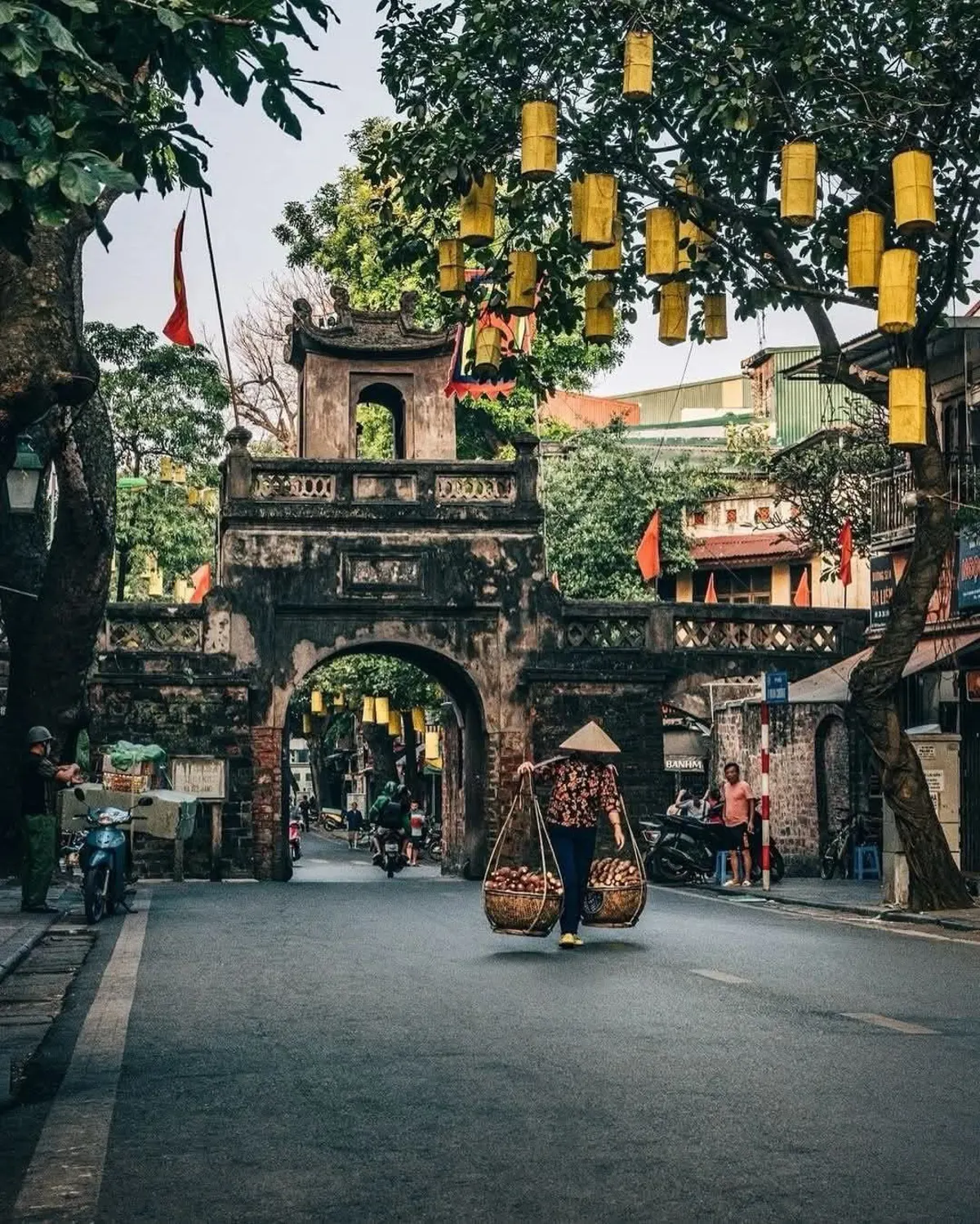
Hanoi, the capital city of Vietnam, is widely recognized for its historical sites and cultural landmarks, including the Temple of Literature and Hoan Kiem Lake. However, beyond these prominent attractions, the city offers a wealth of experiences that reveal its authentic local character. Visitors looking to engage with Hanoi's less-traveled paths can discover unique activities that provide a more intimate understanding of daily life.
Culinary Adventures Beyond the Mainstream
Hanoi's food scene extends far beyond its most famous dishes, offering a variety of local favorites that are central to daily life. Two particular streets are renowned for specific culinary experiences that attract residents.
Phung Hung Street, situated in the Hoan Kiem district, is widely regarded as one of Hanoi's oldest areas specializing in hot pot. This street is known for its establishments offering a diverse selection of hot pot styles, from mixed and spicy-sour variations to seafood options. Diners can expect to find generous portions at a reported cost of approximately 200,000 VND, making it a popular choice for group meals.
Similarly, Gam Cau Street, also within Hoan Kiem, is a favored spot for barbecue. While not always the first dish associated with Vietnamese cuisine by international visitors, grilled meats are a staple for locals. Evenings on Gam Cau Street are characterized by the enticing aromas of various grilled items, including beef, internal organs, and other cuts. The area remains busy year-round, with patrons enjoying the option to grill their own selections or order pre-prepared plates at reasonable prices.
Lakeside Leisure and Morning Rituals
Hanoi's lakes offer more than just scenic views; they are integral to the city's social fabric and daily routines. Exploring these areas at specific times can reveal a different side of Hanoi.
West Lake, or Ho Tay, is a substantial freshwater body centrally located in Hanoi. While often admired for its beauty during sunrise or sunset, a popular local activity involves renting swan-shaped paddle boats. These boats, available in two or four-seater configurations, allow individuals to leisurely explore the water and enjoy the surrounding environment. The reported cost for an hour-long ride is around 50,000 VND, offering a relaxed way to experience the lake's expanse.
Hoan Kiem Lake, a central and frequently visited landmark, transforms in the early morning hours. Typically crowded throughout the day, it becomes a peaceful space before the city fully awakens. Many residents gather here to observe the sunrise or engage in exercise routines. Autumn mornings are particularly recommended for experiencing the lake's serene atmosphere, with comfortable weather enhancing the views of the sun illuminating ancient trees and providing fresh air for those walking or cycling.
Historical Echoes and Public Gatherings
Beyond well-trodden historical sites, Hanoi features locations that hold significant cultural and historical weight, often experienced by locals in unique ways.
Ba Dinh Square is the site of a daily national ceremony: the flag raising and lowering in front of the Ho Chi Minh Mausoleum. This formal event occurs every morning at 6:00 AM for the raising and every evening at 9:00 PM for the lowering, regardless of weather conditions. Witnessing this solemn display provides insight into Vietnam's national pride and traditions, offering a different kind of historical engagement than museum visits.
The Long Bien Bridge, an enduring structure in Hanoi, is often referred to as a “witness of history.” Constructed by French architects during the French colonial period and surviving the Vietnam War, it stands as a symbol of Hanoi's past and the resilience of its people. Visiting the bridge during sunrise or sunset offers a moment of tranquility, allowing observers to watch pedestrians and cyclists cross while the Red River reflects the changing light. This perspective contrasts with the city's usual pace.
Art, Architecture, and Local Commerce
Hanoi's creative spirit and daily life are also expressed through its public art and traditional markets.
The Hanoi Ceramic Mosaic Mural, also known as the Hanoi Ceramic Road, is a remarkable public art installation. This extensive ceramic mosaic stretches along the walls of the Red River dike system. Initiated in March 2007 by Vietnamese journalist Nguyen Thu Thuy, the project was completed in 2010 to commemorate Hanoi's thousand-year anniversary. The mural depicts historical events and rich traditional cultures, earning recognition from the Guinness World Records as the longest ceramic mosaic globally. It has become a popular spot for both residents and visitors to admire the artwork and take photographs. Cycling along this road offers a unique perspective on the city's artistic expression.
For those interested in local shopping and evening entertainment, the Night Weekend Market provides a lively experience. Operating from Hang Dao Street to Hang Giay Street, this market opens on Friday, Saturday, and Sunday evenings, from 6:00 PM to 11:00 PM. The area becomes illuminated with decorative lights, creating a festive atmosphere. Beyond selling a wide array of goods, the market serves as a platform to showcase Hanoi's local culture, with numerous roadside stalls and food vendors offering both traditional Vietnamese dishes and other Asian and Western options. Visitors can also find unique purchases and souvenirs here.
Local Eateries and Beverage Spots
Hanoi's culinary landscape is best experienced through its local stalls and traditional beverage spots.
Bun Cha, a traditional Vietnamese dish featuring vermicelli, charcoal-grilled pork patties, and a sweet and sour fish sauce, is a northern Vietnamese specialty highly favored by both locals and international visitors. Several establishments are particularly noted for this dish:
- Dac Kim Noodle Soup: Located on Hang Manh Street.
- Bun Cha 34 Hang Than: Situated in the Ba Dinh district.
- Bun Cha Huong Lien: Found on Le Van Huu Street, this stall gained international recognition after a visit from a former US President in 2016.
For a classic Hanoi beverage experience, enjoying "Tra Chanh" (lemon tea) near St. Joseph's Cathedral in Hoan Kiem district is a local custom. While numerous upscale cafes exist, the sidewalk lemon tea stalls, characterized by small tables and plastic chairs, remain consistently popular, especially in the evenings. For approximately 25,000 VND, patrons can enjoy a cup of lemon tea while observing the cathedral and the flow of people passing by. For those planning their finances, understanding banking services in Hanoi can be helpful.
| Venue Name | Location | Specialty | Noteworthy Detail |
|---|---|---|---|
| Dac Kim Noodle Soup | Hang Manh Street | Bun Cha | Known for traditional preparation |
| Bun Cha 34 Hang Than | Ba Dinh | Bun Cha | Popular local spot |
| Bun Cha Huong Lien | Le Van Huu Street | Bun Cha | Visited by a US President in 2016 |
Frequently Asked Questions
What are some less crowded activities in Hanoi?
Less crowded activities in Hanoi often include early morning walks around Hoan Kiem Lake, taking a swan boat ride on West Lake, or visiting the Long Bien Bridge during sunrise or sunset. Exploring local food streets like Phung Hung for hot pot or Gam Cau for BBQ also offers a more local experience away from major tourist hubs.
Where can I experience local food in Hanoi?
To experience local food, consider visiting Phung Hung Street for hot pot or Gam Cau Street for barbecue in the Hoan Kiem district. For Bun Cha, renowned local stalls include Dac Kim Noodle Soup on Hang Manh Street, Bun Cha 34 Hang Than in Ba Dinh, and Bun Cha Huong Lien on Le Van Huu Street. Sidewalk lemon tea stalls near St. Joseph's Cathedral also offer an authentic beverage experience.
Are there any cultural ceremonies to observe in Hanoi?
Yes, the flag raising and lowering ceremony at Ba Dinh Square, in front of the Ho Chi Minh Mausoleum, is a daily national event. The flag is raised at 6:00 AM and lowered at 9:00 PM. Witnessing this solemn ceremony provides insight into Vietnamese national traditions.
What is the Hanoi Ceramic Mosaic Mural?
The Hanoi Ceramic Mosaic Mural is a record-holding public art installation along the Red River dike system. It features an extensive ceramic mosaic depicting historical events and traditional Vietnamese culture. Completed in 2010 to celebrate Hanoi's thousand-year anniversary, it is recognized by Guinness World Records as the longest ceramic mosaic globally and is a popular spot for art appreciation and photography.
When is the best time to visit the Night Weekend Market?
The Night Weekend Market operates on Friday, Saturday, and Sunday evenings, typically from 6:00 PM to 11:00 PM. It stretches from Hang Dao Street to Hang Giay Street. This is the ideal time to visit for shopping, tasting local street food, and experiencing the lively evening atmosphere.
Hanoi offers a compelling blend of historical grandeur and contemporary local life. By venturing beyond the most frequently visited sites, travelers can uncover a city rich in authentic experiences, from its distinctive culinary traditions to its public ceremonies and artistic expressions. These less-explored facets provide a deeper connection to Hanoi's enduring character and daily rhythms.








