
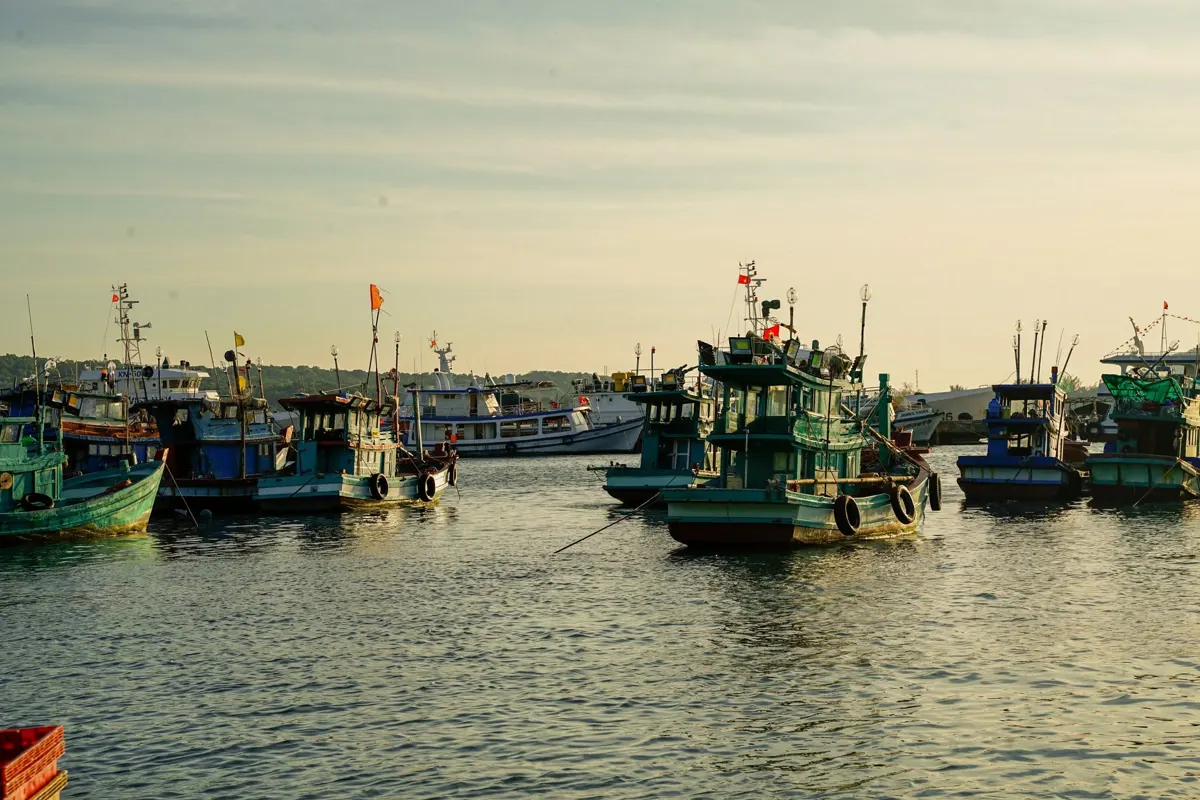
Phu Quoc, Vietnam's largest island, presents a unique opportunity for visitors to engage with its rich culinary heritage through hands-on cooking experiences. Participating in a local cooking class allows individuals to learn traditional Vietnamese recipes and cooking methods, often with a focus on ingredients sourced directly from the island. These classes typically offer a deeper understanding of local food culture, from selecting fresh produce to mastering the balance of flavors characteristic of Vietnamese cuisine.
For those interested in more than just tasting the local fare, these educational sessions provide practical skills and insights into daily life on the island. Whether you are a seasoned cook or a novice in the kitchen, a cooking class in Phu Quoc can enhance your travel experience by connecting you directly with the island's gastronomic identity.
Exploring Culinary Class Options in Phu Quoc
Phu Quoc hosts several establishments offering cooking classes, each with distinct features and approaches. These venues provide diverse experiences, from market excursions and farm tours to specialized menus and flexible schedules, catering to various preferences and interests.
Troc’s Kitchen & Cooking Class
Situated on a main thoroughfare in Duong Dong Town, Troc’s Kitchen & Cooking Class operates from a well-regarded local restaurant. The chef, known as Troc, leads engaging lessons for visitors. Guests are welcomed into an inviting setting for their culinary instruction. While the cost may be higher compared to some other options on the island, participants generally find the comprehensive experience and instruction to be worthwhile.
- Address: No.122 Tran Hung Dao St., Duong Dong Town, Phu Quoc
- Opening Hours (Verify): 10 am - 8 pm (Monday - Friday)
- Price (Verify): $46
Pepper Farm Phu Quoc
The cooking classes at Pepper Farm Phu Quoc offer a distinctive approach by integrating a farm tour into the experience. Instead of a traditional market visit, participants explore the farm's fruit and pepper gardens, along with its brewery. Ingredients for the cooking session are sourced directly from the farm, and a complimentary homemade beer is often provided with the meal. This option appeals to those interested in the farm-to-table concept and agricultural aspects of local food production.
- Address: Group 3, Xom Moi Hamlet, Bai Thom, Phu Quoc
- Opening Hours (Verify): 10 am - 6 pm
- Price (Verify): $35 - $100
Midori House
Midori House offers a cooking class that begins with a classic Vietnamese breakfast, featuring Beef Pho and traditional Vietnamese Milk Coffee (Ca Phe Sua Da). Following breakfast, participants proceed to a local market to select fresh ingredients for their class. A typical session at Midori House spans approximately five hours, including the ingredient shopping and lunchtime, focusing on the preparation of four distinct dishes. This class provides an opportunity to learn about Vietnamese recipes and the art of blending spices for balanced flavors.
- Address: Group 4, Ong Lang Hamlet, Cua Duong, Phu Quoc
- Opening Hours (Verify): 11 am - 11 pm
- Price (Verify): $40
Green Hat Holiday Cooking Class
Recognized as a prominent cooking class provider in Phu Quoc, Green Hat Holiday offers a comprehensive full-day program. The experience includes pickup from hotels in Ong Lang or Duong Dong Town. The lesson commences in the morning and concludes in the afternoon, allowing for a more relaxed pace compared to shorter classes that might finish by midday. The extended duration provides ample time for learning traditional Vietnamese dishes, with breaks for snacks and beverages throughout the day.
- Address: Ong Lang Village, Cua Duong, Phu Quoc
- Opening Hours (Verify): 8:30 am - 4 pm
- Price (Verify): $65
Saigon - Phu Quoc Resort and Spa
The Saigon - Phu Quoc Resort and Spa provides two distinct options for its cooking classes. The first option allows guests to choose their preferred menu from three available selections and conduct the class directly at the resort, bypassing a market visit. The second option involves a market tour to learn about ingredient selection and bargaining, with the cooking session then taking place at the resort, though without the ability to pre-select the menu. Guests can weigh the benefits of menu control against the experience of a market excursion when making their choice.
- Address: No.62 Tran Hung Dao St., Duong Dong, Phu Quoc
- Opening Hours (Verify): Not supplied
- Price (Verify): Option 1: $52 - $57; Option 2: $38
What to Expect from a Phu Quoc Cooking Experience
Participating in a cooking class on Phu Quoc typically involves more than just preparing food. Most programs begin with an introduction to local ingredients, often through a visit to a bustling market or a farm. This initial phase educates participants on how to identify fresh produce, understand regional specialties, and sometimes even engage in the local practice of bargaining. This hands-on approach to ingredient sourcing is a fundamental part of understanding Vietnamese culinary traditions.
Following the ingredient selection, the core of the class involves guided instruction on preparing several traditional dishes. Instructors demonstrate techniques for chopping, marinating, and cooking, explaining the role of various spices and herbs in achieving the characteristic flavors of Vietnamese cuisine. Participants then replicate these steps, gaining practical experience. The session usually concludes with enjoying the meal prepared by the class, offering a direct reward for their efforts and a chance to savor authentic flavors.
Choosing the Right Cooking Class for Your Trip
When selecting a cooking class in Phu Quoc, consider several factors to ensure the experience aligns with your interests and schedule. Think about your budget, as prices can vary significantly depending on the inclusions and duration of the class. Some classes offer a full-day experience with hotel transfers, while others are shorter and focus solely on the cooking aspect.
Decide whether a market tour or a farm visit is important to you. Some programs emphasize sourcing ingredients directly from local vendors or even from their own gardens, providing a deeper connection to the food's origin. Others might skip this step for convenience. Also, consider the types of dishes you wish to learn; while many classes focus on general Vietnamese cuisine, some might highlight specific regional specialties of Phu Quoc. Finally, check the class size and instructor-to-student ratio if you prefer a more personalized learning environment.
To help you compare the options, here is a summary of the cooking classes available in Phu Quoc:
| Venue | Address | Opening Hours (Verify) | Price Range (USD, Verify) | Key Features |
|---|---|---|---|---|
| Troc’s Kitchen & Cooking Class | No.122 Tran Hung Dao St., Duong Dong Town, Phu Quoc | 10 am - 8 pm (Monday - Friday) | $46 | Central location, chef-led instruction, elegant restaurant setting |
| Pepper Farm Phu Quoc | Group 3, Xom Moi Hamlet, Bai Thom, Phu Quoc | 10 am - 6 pm | $35 - $100 | Farm tour, uses garden produce, complimentary homemade beer |
| Midori House | Group 4, Ong Lang Hamlet, Cua Duong, Phu Quoc | 11 am - 11 pm | $40 | Includes classic Vietnamese breakfast, 5-hour class, 4 dishes |
| Green Hat Holiday Cooking Class | Ong Lang Village, Cua Duong, Phu Quoc | 8:30 am - 4 pm | $65 | Hotel pickup/drop-off (Ong Lang/Duong Dong), full-day, relaxed pace, snacks/drinks |
| Saigon - Phu Quoc Resort and Spa | No.62 Tran Hung Dao St., Duong Dong, Phu Quoc | Not supplied | Option 1: $52 - $57; Option 2: $38 | Choice of menu without market, or market tour without menu choice |
Benefits of Learning Vietnamese Cuisine
Engaging in a cooking class in Phu Quoc offers more than just culinary instruction; it provides a window into Vietnamese culture and daily life. Learning to prepare local dishes fosters a deeper appreciation for the ingredients, techniques, and philosophies that shape the country's food traditions. This hands-on experience can transform how you perceive and enjoy Vietnamese food, even after you return home.
Beyond the kitchen skills, these classes often facilitate interactions with local chefs and fellow travelers, creating memorable social experiences. The recipes and knowledge gained become unique souvenirs from a trip to Vietnam, allowing you to recreate the flavors of Phu Quoc in your own kitchen. It's an enriching activity that combines education, cultural immersion, and gastronomic pleasure.
Frequently Asked Questions
What is the typical duration of a cooking class?
The duration of cooking classes in Phu Quoc varies, but most range from a few hours to a full day. Shorter classes might focus primarily on cooking a few dishes, while longer sessions often include market visits, farm tours, and extended meal times, providing a more comprehensive experience.
Are market visits always part of the experience?
Many cooking classes in Phu Quoc incorporate a visit to a local market or a farm to source ingredients, offering participants insight into local produce and shopping customs. However, some classes, particularly those at resorts, may offer options that bypass the market tour for convenience or to focus solely on cooking techniques.
What kind of dishes can I expect to learn?
Cooking classes in Phu Quoc typically teach a selection of popular Vietnamese dishes, often including local specialties. Common preparations might involve fresh spring rolls, various noodle soups like pho, traditional stir-fries, and seafood dishes, reflecting the island's coastal location. The specific menu can vary by class provider.








