
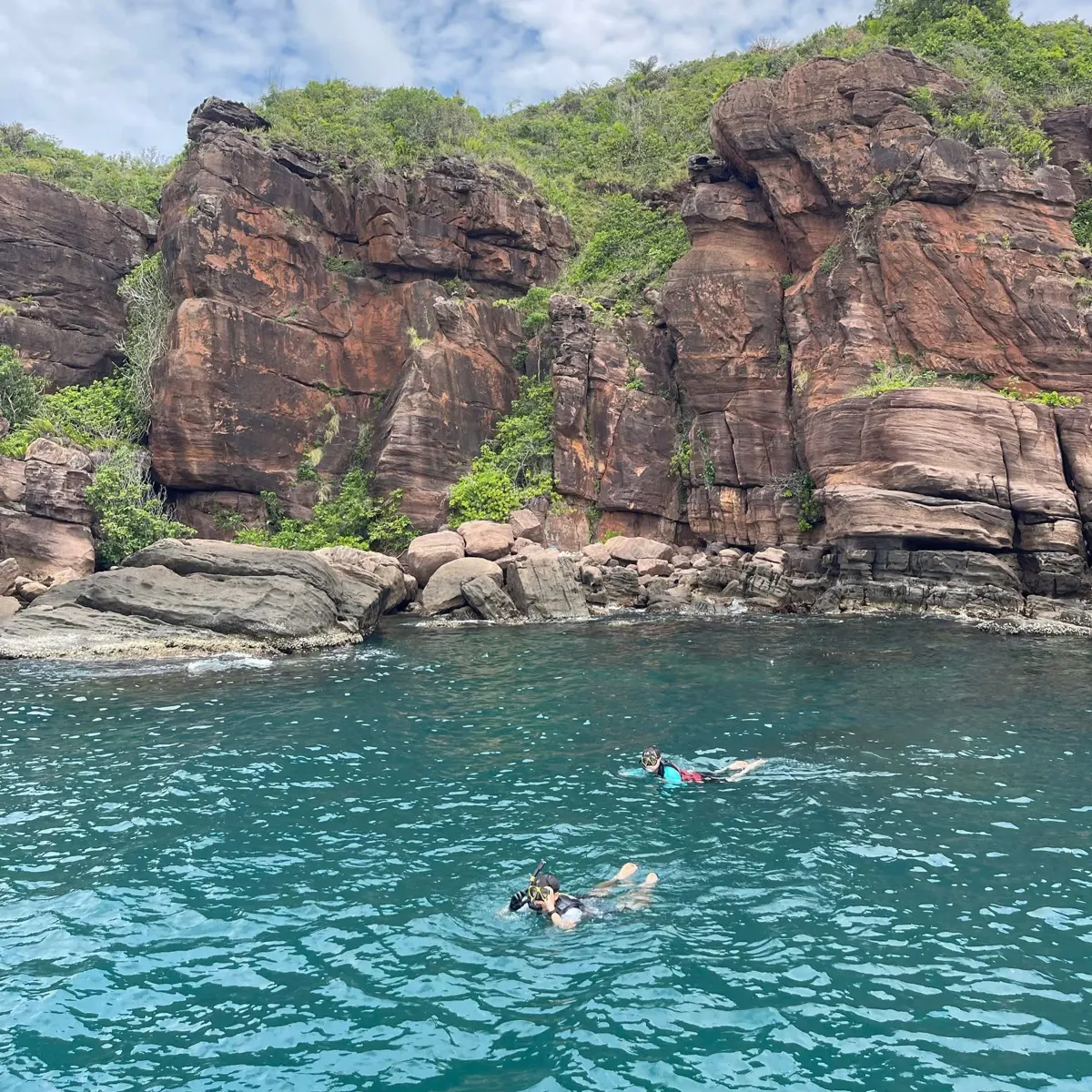
January presents an excellent opportunity to visit Phu Quoc, characterized by abundant sunshine, comfortably low humidity, and tranquil, clear ocean waters. This month provides ideal conditions for coastal activities, underwater exploration, and boat excursions, allowing the island's charm to truly shine. As the Lunar New Year (Tet) approaches, a festive atmosphere also enriches local markets and streets, adding a cultural dimension to any tropical vacation.
Understanding January Weather in Phu Quoc
Phu Quoc experiences consistently warm temperatures during January, creating an inviting environment for both outdoor recreation and beach relaxation. Daytime temperatures typically range from 28 to 30 °C (82 to 86 °F), which is suitable for sunbathing, swimming, and exploring the island. As evening arrives, temperatures gently fall to a comfortable 22 to 25 °C (71 to 78 °F), making evenings pleasant for dining outdoors or leisurely walks along the coast. The average temperature for the month hovers around 27 °C (81 °F), providing a warm tropical climate without the intense heat sometimes found in other parts of the year.
January marks the peak of Phu Quoc’s dry season, meaning very little rain and predominantly clear skies. The island typically receives between 40 to 51 mm of rain throughout the entire month, usually distributed over just 4 to 9 days. Any precipitation is generally brief, light, and often occurs in the late afternoon, seldom disrupting travel plans or outdoor activities. This predictable and mild rainfall pattern makes January an excellent period for water sports, spending time on the beach, and excursions to nearby islands. Visitors can confidently plan full days of activities, as the likelihood of heavy or extended rain is quite low, making it one of the driest and most convenient months for travelers.
Humidity levels in Phu Quoc during January are relatively moderate for a tropical location, averaging between 72% and 73%. While this figure might seem high, the consistent sea breezes help maintain a fresh and comfortable atmosphere. Unlike the often oppressive stickiness of the rainy season, January’s climate is considerably more agreeable, allowing for extended periods outdoors without significant discomfort. Whether cycling through Gành Dầu or browsing beachside markets, the humidity is unlikely to cause fatigue. Wearing light, breathable clothing and ensuring adequate hydration will help visitors remain cool throughout the day while enjoying the island’s offerings.
The air quality on Phu Quoc in January is typically good, benefiting from clean ocean air and seasonal winds that aid in dispersing any pollutants. This makes it a refreshing time to explore the island, especially when compared to more urban areas in Vietnam. However, the ultraviolet (UV) index can reach extreme levels, peaking at 11. Consequently, robust sun protection is absolutely essential. Travelers should apply high-SPF sunscreen (30 or higher), wear wide-brimmed hats, sunglasses, and use cover-ups if spending time outdoors between 10 AM and 4 PM. Even on partially cloudy days, UV radiation can be intense, so prioritizing sun safety is crucial for a healthy and enjoyable trip under the island’s tropical sunshine.
Why January is an Ideal Time to Visit Phu Quoc
January stands out as one of the most favorable periods to visit Phu Quoc Island, offering consistently warm, sunny days, calm seas, and perfect conditions for swimming, snorkeling, and exploring other islands. The dry weather and moderate humidity contribute to making outdoor activities particularly enjoyable. The clear waters and gentle breezes create an inviting environment for all types of travelers, from those seeking relaxation to adventurers.
As the Lunar New Year (Tet) holiday approaches, the island becomes animated with festive markets and decorative displays, adding a unique cultural element to your beach vacation. However, it is important to note that this period also falls within the peak tourist season. This means that accommodation and tour prices may be higher, and availability can be limited. To ensure a smooth and enjoyable trip, it is advisable to book flights, tours, and lodging well in advance, ideally several months prior to your planned visit.
Recommended Activities for a January Visit
Phu Quoc in January offers a diverse range of activities, from serene beach days to adventurous explorations, all supported by the excellent weather conditions. Here are some of the top experiences to consider:
- Relaxing at Sao Beach: January is an excellent time to enjoy the soft white sands and tranquil turquoise waters of Sao Beach, often considered Phu Quoc’s most iconic shoreline. The sea remains clear and calm, making it suitable for swimming and snorkeling, even for those new to water activities. Water temperatures consistently stay around 27-28 °C, providing comfort for aquatic fun throughout the year. Beneath the surface, diverse coral reefs and marine life offer an engaging snorkeling experience. With fewer visitors than during peak holiday weeks, January allows for a more peaceful enjoyment of this coastal paradise, whether you are sunbathing or exploring the underwater world.
- Visiting VinWonders Phu Quoc: VinWonders Phu Quoc, recognized as Vietnam’s largest theme park and among Asia’s premier attractions, covers an expansive 46.7 hectares. It provides a wide array of entertainment options for all age groups. The park is structured into six distinct themed zones, featuring 12 immersive themes such as Adventure World, Fairy Land, Medieval Europe, and the Mysterious Viking Village. Each area presents unique narratives, thrilling rides, and interactive experiences that blend cultural elements, fantasy, and modern entertainment. This destination is ideal for families, thrill-seekers, and photography enthusiasts. To optimize your visit, planning to go on weekdays is recommended, as weekends and public holidays can attract significantly larger crowds.
- Exploring Phu Quoc by Motorbike: Discovering Phu Quoc by motorbike offers an excellent way to experience the island’s natural splendor and less-traveled locations. With well-maintained roads and affordable rental options starting from approximately US$8 per day (check current rates), it provides a convenient and flexible mode of transport. For a more structured experience, guided motorbike tours are available, taking visitors to places like Rach Vem fishing village, Mot Island, Ham Ninh village, and the more rugged trails leading to Ganh Dau Cape. Riding through lush forests, quiet communities, and along pristine beaches allows for the freedom to stop, explore, and engage with the island’s authentic character at your own pace.
- Sunset at Long Beach and Dinh Cau Night Market: Long Beach in January offers spectacular golden sunsets, gentle waves, and cooler evening air, typically around 22-24 °C, providing a perfect conclusion to the day. As the sun descends into the Gulf of Thailand, the sky transforms with shades of orange and pink, creating a memorable vista. After sunset, a visit to the nearby Dinh Cau Night Market reveals a lively local scene with numerous seafood stalls, street food vendors, local souvenirs, and festive Tet decorations. The vibrant atmosphere and illuminated displays make it an excellent spot to sample island culture. It offers a memorable combination of natural beauty and local flavors.
- Trekking in Phu Quoc National Park: January’s dry, mild climate makes it an optimal month for hiking through Phu Quoc National Park, one of Vietnam’s most biologically diverse reserves. With daytime temperatures ranging from 24-28 °C and humidity levels generally below 75%, trekking is comfortable and rewarding. Trails are less slippery compared to wetter months, allowing easier access to jungle paths and scenic viewpoints. Guided tours provide insights into the island’s unique plant species, rare birds, and indigenous wildlife such as macaques or flying squirrels. Whether you appreciate nature or seek tranquility away from the beaches, this verdant tropical forest offers a memorable eco-adventure.
- Island Hopping in the An Thoi Archipelago: Board a speedboat to explore the captivating An Thoi archipelago, home to remote islets like Hon May Rut, Hon Gam Ghi, and Hon Mong Tay. January’s calm sea conditions and clear skies create an ideal setting for a full-day island excursion. Activities include snorkeling over vibrant coral reefs, swimming in clear blue lagoons, and enjoying a beachside barbecue under the sun. The dry season ensures smooth sailing and expansive scenic views, making this one of the most highly-rated activities during this time of year. It is a recommended experience for nature enthusiasts, photographers, and anyone seeking a tropical escape.
Local Culinary Delights to Experience
In Phu Quoc’s pleasant January weather, indulging in local culinary specialties is a highlight. The island offers a range of dishes that are both refreshing and comforting.
- Bun Quay: This distinctive noodle dish features freshly mixed fish cakes and a light, tangy broth that is both invigorating and energizing, especially after a day at the beach. It is a local favorite, typically served hot with chili, lime, and fresh herbs for a bright, zesty flavor.
- Banh Canh Ghe: A hearty bowl of thick noodles served in a rich crab broth, Banh Canh Ghe is particularly comforting on cooler January evenings when temperatures might drop to around 22 °C. It is substantial, flavorful, and generously filled with fresh seafood sourced directly from Phu Quoc’s waters.
- Cha Ca Phu Quoc: These grilled fish cakes are savory, subtly smoky, and often served with fragrant herbs, making them an ideal snack by the sea. They are best enjoyed with a dipping sauce while observing the waves.
- Ruou Sim: Produced from local rose myrtle berries, rượu sim is a mildly sweet, tart wine often consumed as an aperitif. It is perfect for sipping under the warm January skies, whether at a beach bar or during a sunset meal.
- Grilled Seafood at Duong Dong Market: The Duong Dong Night Market offers a sizzling selection of grilled seafood, including shrimp, squid, scallops, and clams. Prepared fresh to order and bursting with flavor, it provides an authentic street-food experience for seafood enthusiasts visiting Phu Quoc.
A Suggested Five-Day Itinerary for Phu Quoc in January
January is recognized as one of the most favorable months to explore Phu Quoc, offering optimal weather with sunny skies, calm seas, and exceptionally clear waters. This suggested itinerary balances natural beauty, cultural experiences, and relaxation, making it suitable for couples, families, or solo travelers seeking a comprehensive island experience.
Day 1: Arrival and Coastal Relaxation
Upon arrival at Phu Quoc International Airport, you will transfer to your chosen beach resort or hotel for check-in. The afternoon can be spent unwinding on the beach, enjoying the warm tropical breezes. In the early evening, consider visiting a popular beach bar such as Sunset Sanato or OCSEN to witness the spectacular sunset. Conclude your first day with a delightful seafood dinner at a local restaurant.
Day 2: Southern Islands and Snorkeling Adventure
On your second day, embark on a speedboat excursion to explore Phu Quoc’s southern islands, including Hon Mong Tay, Hon May Rut, and Hon Gam Ghi, renowned for their untouched beauty. Experience the island’s vibrant marine life firsthand while snorkeling through colorful coral reefs and swimming in crystal-clear blue waters. A barbecue lunch will be served on one of the islands, allowing for relaxation amidst the tropical surroundings after an active morning. In the late afternoon, visit Sunset Town with its Mediterranean-inspired architecture, then conclude the day with the impressive “Kiss The Stars” multimedia art performance.
Day 3: Northern Phu Quoc – Forests and Fishing Villages
Day three involves exploring northern Phu Quoc. Begin with a visit to a local pepper farm and a traditional fish sauce factory to learn about the island’s celebrated culinary heritage. Afterward, enjoy a light trek through the verdant Phu Quoc National Park, where the ancient rainforest provides a peaceful escape and rich biodiversity. Later in the day, proceed to Rach Vem fishing village, famous for its calm waters and beaches often dotted with starfish, offering excellent photo opportunities and local interactions. In the evening, continue to Grand World, where bright lights, cultural performances, and lively streets bring the island’s nightlife to life.
Day 4: Flexible Exploration or Relaxation
The fourth day offers a flexible schedule, allowing you to either relax at your resort or explore more of the island at your own pace. For those interested in history, a visit to Phu Quoc Prison provides insight into Vietnam’s wartime past through its preserved exhibits and somber atmosphere. Alternatively, you might prefer to spend your afternoon shopping at Duong Dong Night Market, where you can browse local crafts and sample island street food. As the day concludes, treat yourself to a romantic beachfront dinner, with the sounds of waves and ocean breeze creating a perfect island ambiance.
Day 5: Farewell to Phu Quoc
On your final day in Phu Quoc, begin with a leisurely breakfast at your hotel, savoring the last moments of island tranquility. Afterward, take some free time for a stroll along the beach, capture a few farewell photographs, or enjoy a final cup of coffee with an ocean view. When ready, check out of your hotel and ensure all belongings are prepared for your onward journey. A scheduled transfer will take you to Phu Quoc International Airport, marking the end of your island escape.
Essential Tips for Visiting Phu Quoc in January
January is a wonderful time to visit Phu Quoc, but a few important considerations can help ensure a smooth and enjoyable trip:
- Book Services Early: January is a peak season for international tourists, particularly around the Lunar New Year. It is highly advisable to book flights, hotels, and tours at least two months in advance to avoid limited availability and potentially higher prices.
- Use Mosquito Repellent: If your plans include excursions to pepper farms or fruit gardens, applying mosquito repellent is recommended to maintain comfort during outdoor activities.
- Stay Hydrated: The dry season conditions can contribute to dehydration. Carry a reusable water bottle and consider drinking fresh coconut water, which is readily available, to stay cool and refreshed.
- Visit Dinh Cau Night Market Before Tet: This lively night market becomes especially vibrant in the days leading up to the Lunar New Year, featuring specialty foods, Tet decorations, and a festive local atmosphere—an excellent way to experience island culture.
- Plan for Tet Closures: During the Lunar New Year holiday period, many smaller eateries and shops may temporarily close. Larger restaurants and hotel dining facilities typically remain open and serve as reliable alternatives.
January Weather Overview for Phu Quoc
| Metric | January Conditions in Phu Quoc |
|---|---|
| Average Daytime Temperature | 28 - 30 °C (82 - 86 °F) |
| Average Nighttime Temperature | 22 - 25 °C (71 - 78 °F) |
| Overall Average Temperature | Around 27 °C (81 °F) |
| Monthly Rainfall | 40 - 51 mm |
| Rainy Days (approx.) | 4 - 9 days |
| Average Humidity | 72 - 73% |
| Sea Temperature | 27 - 28 °C (81 - 82 °F) |
| UV Index | Can reach 11 (Extreme) |
Frequently Asked Questions
Can I swim in the sea in January in Phu Quoc?
Yes, absolutely. With sea temperatures averaging a warm 27-28 °C (81-82 °F), the water is clear and ideal for swimming, snorkeling, and various other water sports.
Is the weather suitable for island-hopping and boat tours?
Definitely. January offers calm sea conditions and minimal rainfall, making it one of the safest and most enjoyable months for island-hopping excursions and marine tours.
Is January considered high season in Phu Quoc?
Yes, January falls within Phu Quoc’s peak tourist season, particularly around the Lunar New Year. Travelers should anticipate higher prices and limited availability for accommodations and tours, so booking early is strongly advised.
Are beaches crowded in Phu Quoc during January?
Popular locations such as Sao Beach and Long Beach may experience more visitors, especially on weekends and closer to Tet. However, the island generally feels less crowded than in December, and visiting in the early mornings or midweek can offer a more tranquil experience.
Does it rain in Phu Quoc in January?
Rainfall is minimal in January, typically amounting to about 40–50 mm spread over 4–9 days. Showers are usually brief and will not significantly impact your travel plans, allowing for mostly sunny days.








