
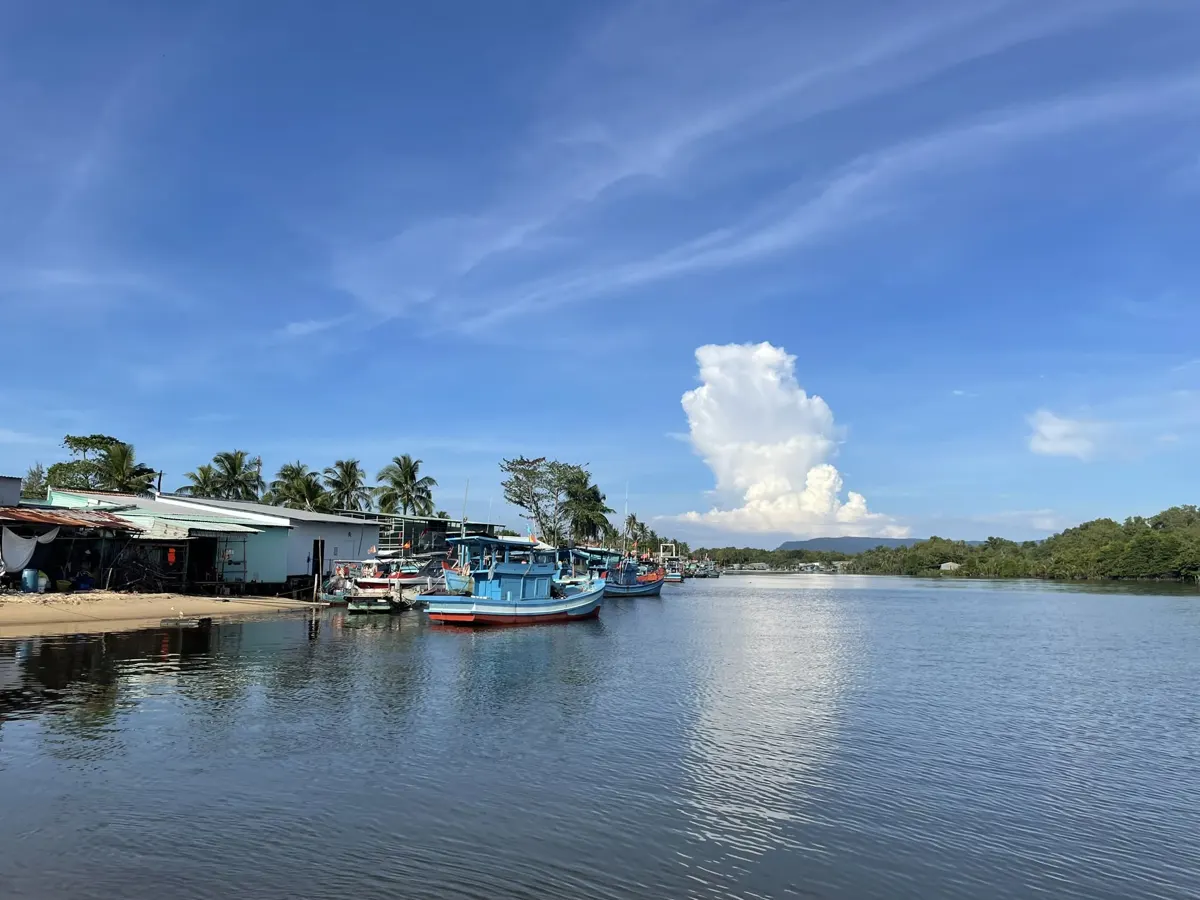
May marks the beginning of the wet season in Phu Quoc, an island destination off Vietnam's southern coast. While this period sees an increase in rainfall, it does not preclude a rewarding travel experience. Visitors can still enjoy the island's serene environment and engage in various activities, often benefiting from fewer crowds and potentially more favorable prices. Understanding the specific weather conditions and planning accordingly allows for a comfortable and enjoyable stay.
Understanding Phu Quoc's May Climate
May signals the transition into Phu Quoc's rainy season, characterized by a gradual increase in precipitation. The island typically experiences around 15 rainy days during this month, with total rainfall averaging 157.2mm. Despite the higher frequency of rain, showers often occur in the late afternoon, leaving much of the day clear for exploration. Temperatures remain warm, generally ranging between 25°C and 30°C, accompanied by high humidity levels of approximately 83%. The island still receives a fair amount of sunshine, with an average of 10 hours daily, allowing ample time for outdoor pursuits.
This period also coincides with the cultivation of new pepper crops, offering a unique agricultural insight for those interested. While some activities might be affected by rain, many outdoor options, such as walking through Phu Quoc National Park or kayaking on the Cua Can river, remain viable. The sea generally stays calm enough for certain water-based activities, particularly earlier in the month.
| Metric | Value |
|---|---|
| Minimum Temperature | 25°C |
| Maximum Temperature | 30°C |
| Precipitation | 157.2mm |
| Rainy Days | 15 days |
| Humidity | 83% |
| Sunshine Hours | 10 hours |
Coastal Exploration and Water Activities
A visit to Phu Quoc would be incomplete without experiencing its beautiful coastlines. The island is renowned for its many tranquil beaches, including popular spots like Long Beach, Ong Lang Beach, Khem Beach, and Bai Sao Beach. These locations feature soft white sand, clear blue waters, and borders of green coconut palms, creating an inviting atmosphere for relaxation.
Beyond simply swimming or strolling along the shore, the calm waters in May can be suitable for snorkeling. Even individuals who are not strong swimmers can often observe marine life and coral formations just a few meters below the surface. For those interested in diverse coastal scenery, exploring various beaches across the region can offer unique perspectives on Vietnam's natural beauty.
Agricultural Insights: Pepper Farms
Phu Quoc is celebrated for its distinctive black pepper, a key ingredient that imparts a unique spicy flavor and aroma to local dishes. The island produces a significant quantity, with annual yields reaching up to 1000 tons. To gain a deeper appreciation for this spice, visitors can tour the pepper farms, often situated in the quieter, more remote northern and central areas of the island.
These farm visits provide opportunities to photograph the plantations, interact with local farmers, and learn about the cultivation, harvesting, and drying processes. May falls within the harvesting season, allowing guests to observe and even participate in collecting different varieties of pepper. This hands-on experience offers a genuine connection to the island's agricultural heritage and provides insight into unique purchases from a trip to Vietnam.
Fishing Excursions and Archipelago Adventures
Situated to the south of Phu Quoc, the An Thoi Archipelago comprises a collection of 15 islands of varying sizes, presenting numerous locations ideal for fishing. Beyond fishing, visitors to the archipelago can enjoy swimming, snorkeling, and appreciating the untouched natural scenery, often culminating in striking sunset views over the open sea.
Hon Thom Island, also known as Pineapple Island, spans approximately 3 kilometers and is considered one of the premier fishing destinations within the archipelago. Travelers have the option to book organized fishing tours, available for both daytime and nighttime excursions, catering to different preferences for experiencing the marine environment.
Snorkeling and Diving Opportunities
While May is not considered the absolute peak season for underwater activities in Phu Quoc, conditions are generally more favorable than in the subsequent months of the monsoon. With over 150 kilometers of coastline and more than 20 smaller islands, Phu Quoc offers a rich environment for those interested in snorkeling and diving. The sea typically remains calm enough in May to allow for observation of various marine species.
Several locations are recognized as excellent spots for exploring the underwater world, including Turtle Island, Fingernail Island, Thom Beach, Hon Thom Island, Dragon Rock, Dry Island, Roi East, and Roi South. These areas provide diverse marine habitats suitable for both novice and experienced enthusiasts.
Essential Travel Advice for May
Traveling to Phu Quoc during May requires some practical considerations to ensure a pleasant experience. While the island remains inviting, being prepared for the weather can enhance your trip.
- Monitor Weather Forecasts: Always check the local weather predictions before and during your stay to plan daily activities effectively.
- Carry Rain Gear: Due to occasional showers, it is advisable to bring an umbrella or a lightweight raincoat.
- Choose Appropriate Footwear and Clothing: Avoid wearing new or light-colored shoes and apparel that might easily get dirty from mud or puddles after rain.
- Protect Electronics: A waterproof bag for your phone or camera is highly recommended to capture moments even during light rain without risk of damage.
- Guided Forest Exploration: If you plan to trek through the primeval forests, consider hiring a local guide for safety and to enhance your understanding of the environment.
- Observe Beach Guidelines: When swimming at beaches, always adhere to any instructions or warnings provided by the local management for your safety.
Overall, while May marks the onset of the rainy season, Phu Quoc still offers a peaceful retreat with opportunities to enjoy its natural beauty and local culture. Strategic planning can lead to a fulfilling visit, potentially with the added benefit of fewer crowds and more attractive travel deals.
Frequently Asked Questions
Is May a good time to visit Phu Quoc?
May is the start of Phu Quoc's rainy season, so it's not considered the peak travel time. However, it can still be a good period for visitors who prefer fewer crowds, potentially lower prices, and don't mind occasional late-afternoon showers. Many attractions and activities remain accessible and enjoyable.
What is the typical weather like in Phu Quoc during May?
In May, Phu Quoc experiences warm temperatures between 25°C and 30°C, with high humidity around 83%. There are typically about 15 rainy days, with rainfall often occurring as short, intense showers in the late afternoon. The island still receives an average of 10 hours of sunshine daily.
What activities are recommended for Phu Quoc in May?
Recommended activities for May include visiting the island's beautiful beaches for swimming and strolling, touring pepper farms during their harvesting season, embarking on fishing trips in the An Thoi Archipelago, and enjoying snorkeling or diving in the relatively calm seas. Kayaking and trekking in Phu Quoc National Park are also options.
Should I expect heavy rain throughout the day in May?
Typically, rain in Phu Quoc during May comes in the form of short, heavy downpours that occur in the late afternoon or evening. This often leaves the mornings and early afternoons clear and sunny, allowing ample time for outdoor activities.
Are water activities possible in May?
Yes, water activities such as swimming, snorkeling, and diving are generally possible in May. The seas around Phu Quoc tend to be calmer compared to the later months of the monsoon season, making it suitable for exploring marine life, especially in designated snorkeling and diving spots.








