
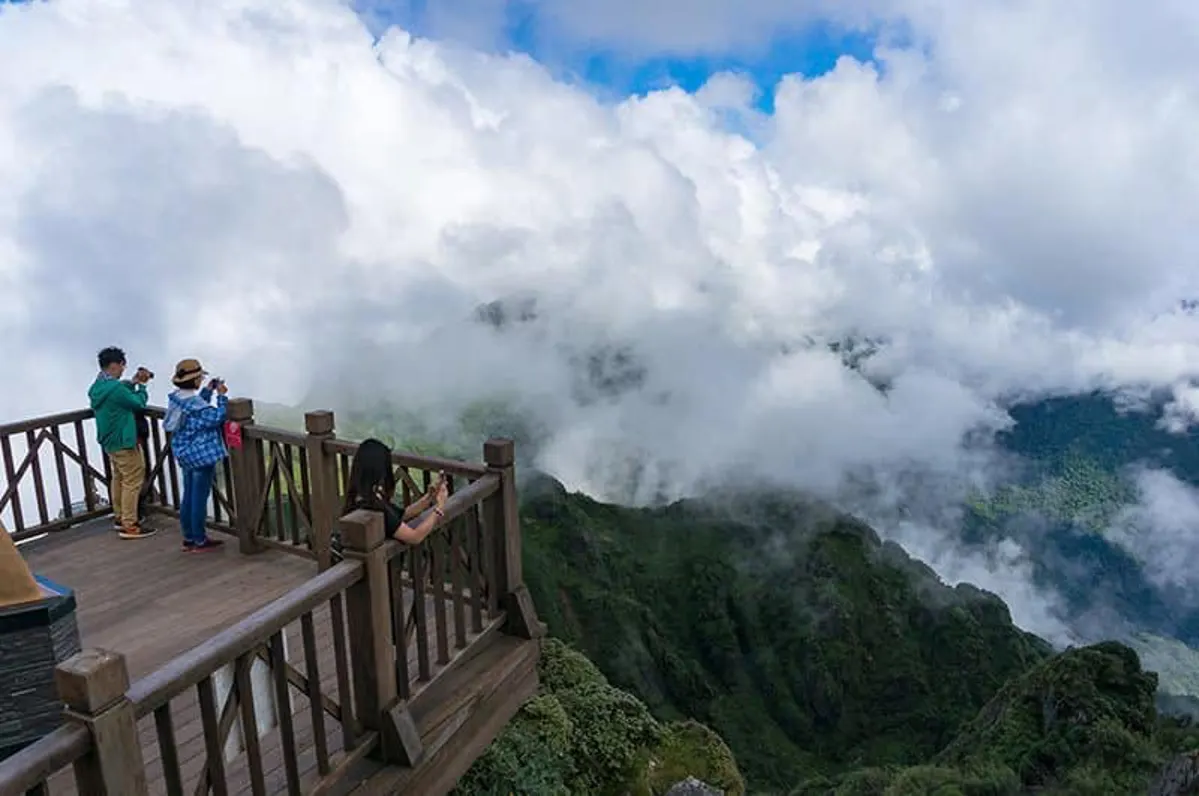
Sapa, situated in Vietnam's northwestern region, presents a unique environment for travelers seeking to connect with nature and local culture. Characterized by its dramatic mountain scenery, terraced rice paddies, and the presence of various ethnic minority groups, this area is best experienced through guided walking tours. These excursions offer an in-depth perspective on the region's natural beauty and daily life.
Exploring Sapa on Foot: An Overview of Walking Tours
Sapa's mountainous topography makes walking the most effective method for exploration. Vehicle access is limited in many areas, allowing pedestrians to traverse trails that wind through valleys and ascend hillsides. Most visitors opt for tours lasting two days and one night, though extending to three days and two nights is also common, providing more time for deeper exploration and overnight stays in local homes.
These organized walking trips typically originate and conclude in Hanoi, serving as a convenient starting point for journeys into northern Vietnam. When booking a comprehensive package from Hanoi, travelers can expect arrangements for round-trip transportation, which may include train, bus, or van services. Additionally, a local guide, accommodation, and some meals are usually part of the itinerary.
Types of Sapa Walking Experiences
Walking tours in Sapa cater to various fitness levels and interests, generally categorized by daily trekking distances.
Longer Distance Walking Tours
For individuals who enjoy extensive physical activity and possess good stamina, options spanning two or three days are available. These tours often involve walking ten kilometers or more each day. Participants frequently choose to spend nights in homestays within local villages, which allows for a more profound connection with the tranquil surroundings and the area's natural splendor.
Shorter Distance Walking Tours
A popular choice for many travelers is a two-day, one-night walking itinerary, where daily trekking covers approximately three to six kilometers. Depending on the specific route, participants might be transported back to Sapa town by bus, motorbike, or jeep after their walk. Some itineraries also incorporate a day of walking combined with a cable car ascent to Mount Fansipan, Vietnam's highest peak, offering panoramic views. Accessing Mount Fansipan by cable car provides a different perspective on the region's grandeur.
| Tour Type | Typical Duration | Daily Walking Distance | Accommodation Focus | Other Features |
|---|---|---|---|---|
| Longer Distance | 2-3 days | 10 km or more | Homestay | Deep immersion, peaceful atmosphere |
| Shorter Distance | 2 days/1 night | 3-6 km | Varies (town/homestay) | May include transfers back to town or Fansipan cable car |
Arranging Your Sapa Walking Tour
When planning a walking tour in Sapa, travelers have two primary booking methods: through a travel agency or directly hiring a private guide. Each approach has distinct advantages and disadvantages.
Booking with a reputable travel agency generally offers a higher degree of security and convenience. Agencies assume responsibility for all aspects of the trip, from logistics to unforeseen circumstances, ensuring a more relaxed experience. While the cost might be slightly higher compared to hiring an independent guide, the peace of mind and comprehensive support often justify the difference.
Alternatively, some visitors prefer to arrange their tours by contacting local guides directly. This can potentially offer a more personalized experience and might be less expensive. However, the quality of the tour largely depends on the individual guide. Without the oversight of an agency, there is a risk of encountering an inexperienced or unsuitable guide, which could negatively impact the trip. Therefore, careful consideration is advisable before opting for a private guide without agency backing.
Practical Advice for Sapa Walking Tours
To ensure a comfortable and enjoyable walking tour in Sapa, consider the following recommendations:
- Assess Walking Distances: Before confirming your tour, carefully review the planned daily walking distances. Many visitors underestimate the physical demands of mountain trekking and may find themselves unable to complete subsequent days if the initial itinerary is too strenuous. Communicating your fitness level to your travel consultant beforehand can help tailor the experience.
- Communicate Changes: Should you find yourself unable to continue walking on planned days, inform your travel consultant as soon as possible. They can assist with modifying your itinerary or arranging alternative services to accommodate your needs.
- Train Travel Considerations: Walking tours originating from Hanoi often include overnight train transfers. These typically involve a four-berth sharing cabin. If you prefer a higher class of service or a private cabin, inform your travel consultant during the booking process. Understanding overnight rail journeys in Vietnam can help you prepare for this segment of your trip.
- Homestay Expectations: Accommodation in Sapa homestays provides an authentic cultural experience but is generally basic. Guests should anticipate sharing rooms and bathroom facilities with other travelers or family members. These stays offer a unique insight into local life, but comfort levels differ from standard hotel amenities.
- Financial Preparedness: While Sapa town has some banking facilities, it's wise to carry sufficient cash for smaller purchases in remote villages where card payments may not be accepted. Information on banking facilities in Sapa can be helpful for planning your finances.
Frequently Asked Questions
What is the best way to explore Sapa?
Walking is widely considered the most effective method for exploring Sapa due to its mountainous terrain and the opportunity it provides to experience the landscapes and local communities up close. Many areas are not easily accessible by vehicle.
How long do Sapa walking tours typically last?
Most Sapa walking tours are structured as two-day, one-night itineraries. However, options for three-day, two-night tours are also available for those wishing to spend more time exploring and staying in local homestays.
What is included in a Sapa walking tour booked from Hanoi?
Tours booked from Hanoi generally cover round-trip transportation (via train, bus, or van), the services of a local guide, accommodation, and some meals as part of the package.
Should I book a Sapa walking tour through an agency or a private guide?
Booking through a travel agency offers greater security and comprehensive support, as the agency manages all trip logistics and responsibilities. While potentially more expensive, it provides peace of mind. Hiring a private guide directly might be cheaper but carries a risk regarding the guide's quality and reliability.
What should I expect from homestay accommodation in Sapa?
Homestays in Sapa offer a genuine cultural experience but are typically basic. Guests should be prepared for shared rooms and bathroom facilities, which are common in these traditional settings.








