
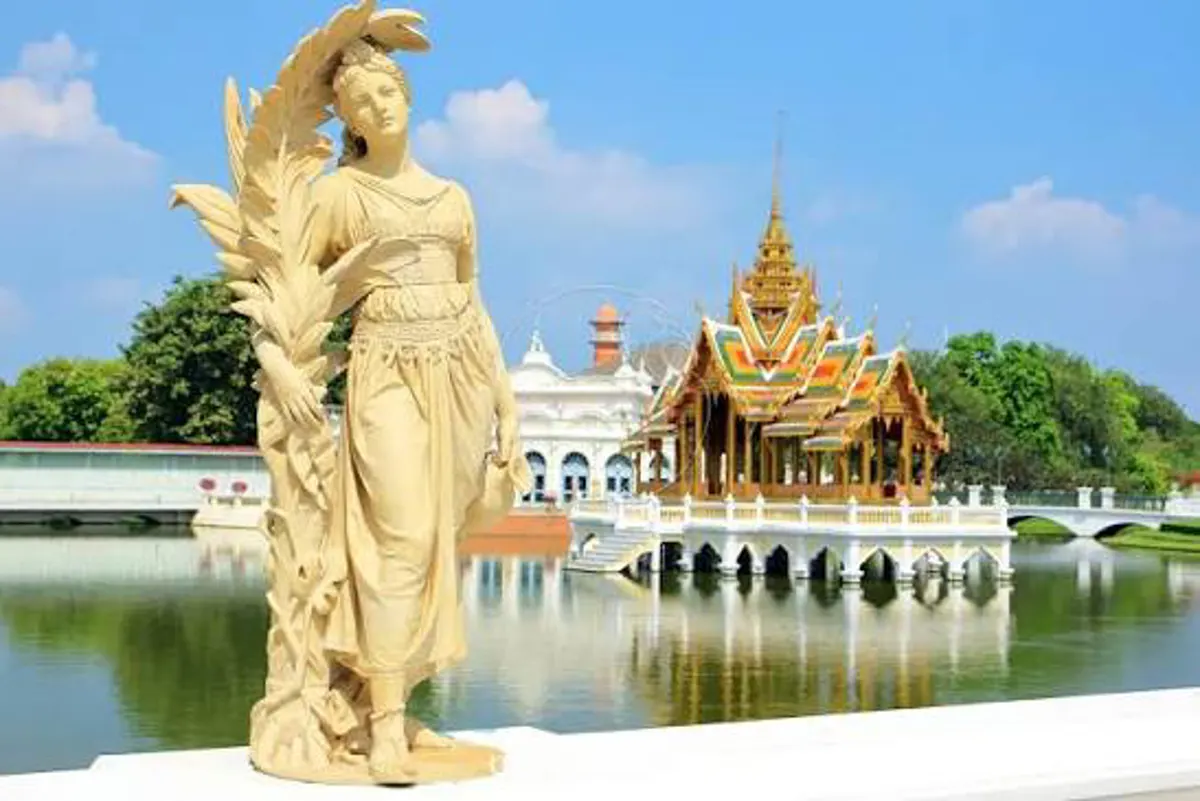
Thailand offers a distinct charm during its autumn months, presenting a different experience compared to the peak summer period. From September through November, visitors can encounter a variety of cultural celebrations and more temperate weather conditions. This period provides an opportunity for a relaxed exploration of the country's diverse regions and traditions.
Thailand's Autumn Weather Patterns
Autumn in Thailand, generally spanning September, October, and November, presents a diverse range of climatic conditions across the country. This period marks the transition from the monsoon season to the cooler, drier months, with specific regions experiencing different weather characteristics that significantly influence travel plans. Understanding these regional variations is crucial for visitors aiming to optimize their experience and pack appropriately.
September typically represents the peak of the rainy season for many parts of Thailand. During this month, skies are frequently overcast, and rainfall can be substantial, particularly in the central plains, including Bangkok, and on southern islands such as Koh Chang, where localized flooding might occur. Travelers to these areas should anticipate heavy downpours, though they often do not last all day. In contrast, northern areas like Chiang Mai and Chiang Rai generally receive less intense precipitation. Furthermore, some southern islands on the Gulf Coast, notably Koh Samui and Koh Lanta, frequently prove more suitable for travel during September, often experiencing reduced rainfall and offering pleasant, cooler temperatures ideal for beach activities and island exploration.
October brings a noticeable shift in weather patterns as the monsoon begins to recede. The lingering effects of heavy rains from the north can still lead to increased water levels in the Chao Phraya River, potentially impacting traffic and urban movement in Bangkok. For this reason, some travelers might prefer to postpone their visit to the capital until November. While rainfall intensifies on Koh Samui during October, many other popular destinations across the country tend to become significantly drier. Average daytime temperatures generally hover between 30 and 32°C. Notably, Chiang Mai experiences a considerable reduction in rain, with approximately ten rainy days throughout the month, making it an increasingly attractive destination for cultural exploration.
By November, Thailand largely transitions into a highly favorable travel period. Rainfall levels decrease considerably across most regions, marking the end of the monsoon season for the majority of the country. Temperatures become noticeably milder and more comfortable for outdoor activities, averaging between 29 and 31°C during the day. However, travelers venturing into the northern provinces should be aware that nighttime temperatures can drop quite low, sometimes requiring warmer layers. This month is widely regarded as an excellent time to visit Thailand, offering comfortable conditions for exploring temples, beaches, and national parks, with clearer skies and reduced humidity.
Essential Preparations for an Autumn Trip
Preparing for a trip to Thailand during the autumn months requires careful consideration of the prevailing weather conditions, which can still include occasional rain showers, especially in early autumn. While many packing essentials remain consistent with other times of the year, a few specific items will significantly enhance comfort, convenience, and safety. Thoughtful packing ensures that travelers are well-equipped for both sunny intervals and unexpected downpours, allowing for a more enjoyable and uninterrupted journey.
It is highly advisable to include robust rain protection such as a lightweight, packable raincoat or a sturdy umbrella. Given the potential for sudden showers, a waterproof bag or cover is also strongly recommended to safeguard electronic devices like phones and cameras, as well as important travel documents, from moisture damage. Additionally, considering the possibility of cooler evenings, particularly in the northern regions during November, packing some light warm clothing, such as a long-sleeved shirt, a light jacket, or a shawl, can provide welcome comfort. When considering items to bring back, many travelers seek unique purchases and souvenirs from their destinations, so leaving some space in your luggage might be a good idea.
Notable Festivals and Events in Autumn
Thailand's autumn season is distinguished by several significant cultural events and celebrations that draw visitors from around the globe. These festivals offer profound insights into local traditions, religious practices, and community spirit, providing truly memorable experiences for those fortunate enough to witness them. Planning a trip to coincide with these dates allows for direct participation in some of the country's most cherished annual gatherings, enriching the overall travel experience.
The Loy Krathong and Yi Peng Lantern Festival stands out as one of Thailand's most renowned annual events, often considered a major cultural highlight after the traditional New Year. This festival, typically observed in November each year (the exact date varies with the lunar calendar), involves the beautiful custom of releasing decorative floats, known as krathongs, onto rivers and waterways. These floats, often made from banana leaves and adorned with flowers, candles, and incense, symbolize letting go of misfortunes and making wishes for a fresh start. In the Chiang Mai region, the celebration is uniquely known as Yi Peng, where countless sky lanterns are launched into the night sky, creating an incredibly beautiful and ethereal visual display. Major venues for these widespread celebrations include the capital city of Bangkok and the northern cultural hub of Chiang Mai.
The Phuket Vegetarian Festival, occurring annually from September to October (dates vary by lunar calendar), is a distinctive and intense event primarily observed in Phuket. This festival is a local adaptation of the Emperor Shinto Festival, celebrated in various forms across Southeast Asia by Chinese communities. During this period, participants adhere to a strict vegetarian diet for nine days and engage in extreme acts of self-mortification, such as piercing their faces with swords, skewers, and other objects. These acts are believed to transfer evil from the community to the participants, bringing good fortune and purification. While Phuket is the main and most prominent location for these rituals, smaller observances and vegetarian food stalls are also organized by Chinese communities in Bangkok and other areas.
Halloween, while not a traditional Thai festival with historical roots in the country, has gained considerable popularity and is increasingly celebrated, particularly in areas frequented by international residents and tourists. Occurring from October 30 to November 1 annually, this event features themed parties, costume contests, and festive gatherings in various urban centers. Khao San Road in Bangkok is particularly known for its energetic and elaborate Halloween celebrations, attracting both locals and foreigners. Additionally, many expatriates and younger generations in cities like Chiang Mai also participate in costume parties and themed events, adding a contemporary festive layer to the autumn calendar.
Practical Advice for Autumn Travel
Traveling to Thailand during the autumn period offers several distinct advantages that can enhance the visitor's experience. This season often brings fewer crowds to popular attractions, leading to a more relaxed exploration of sites and potentially more economical travel costs compared to the peak tourist seasons. The reduced tourist volume can also foster a greater sense of local interaction and provide a more authentic cultural encounter. However, visitors should also be mindful of certain practical considerations to ensure a smooth and enjoyable trip.
One crucial aspect to consider during this time is effective insect prevention, particularly regarding mosquitoes. The tail end of the rainy season creates favorable conditions for mosquito breeding, increasing the risk of bites. Therefore, carrying and regularly applying insect repellent is highly advisable, especially during dawn and dusk. Additionally, taking precautions against bites, such as wearing long sleeves and trousers in the evenings, can further minimize exposure. Furthermore, travelers should be aware that some beachfront accommodations on islands like Koh Lanta may undergo reconstruction, renovation, or maintenance following the rainy season. This could potentially affect availability or the quality of services. It is prudent to verify the operational status and recent reviews of accommodations when booking to avoid any unexpected disruptions to your travel plans. Beyond specific festivals, experiencing the diverse culinary offerings is a highlight of any Southeast Asian trip, similar to exploring the dining guide to Phnom Penh, so be sure to sample local dishes.
While some may overlook autumn for Thai travel, it presents an ideal window for exploration. This period avoids the highest tourist volumes, and the weather, particularly from late October onwards, becomes very agreeable. Thailand in autumn offers a compelling combination of cultural events, comfortable temperatures, and a more tranquil atmosphere, making it a highly recommended choice for a memorable holiday.
Frequently Asked Questions
Is autumn a good time to visit Thailand?
Autumn can be an excellent time to visit Thailand, especially from late October into November, as the rainy season subsides and temperatures become more moderate. It offers a balance of pleasant weather and fewer tourist crowds compared to the high season.
What is the weather like in Thailand during September?
September is generally the peak of the rainy season in Thailand, with frequent overcast skies and significant rainfall, particularly in Bangkok and some southern islands. Northern Thailand and islands like Koh Samui and Koh Lanta may experience less rain and more agreeable conditions.
Which festivals take place in Thailand during autumn?
Key festivals during Thailand's autumn include the Loy Krathong and Yi Peng Lantern Festival (November), the Phuket Vegetarian Festival (September-October), and Halloween celebrations (October 30-November 1) in tourist-heavy areas.
What should I pack for an autumn trip to Thailand?
For an autumn trip to Thailand, essential items include a raincoat or umbrella, a waterproof bag for electronics, and light warm clothing for cooler evenings in northern regions. Insect repellent is also highly recommended.








