
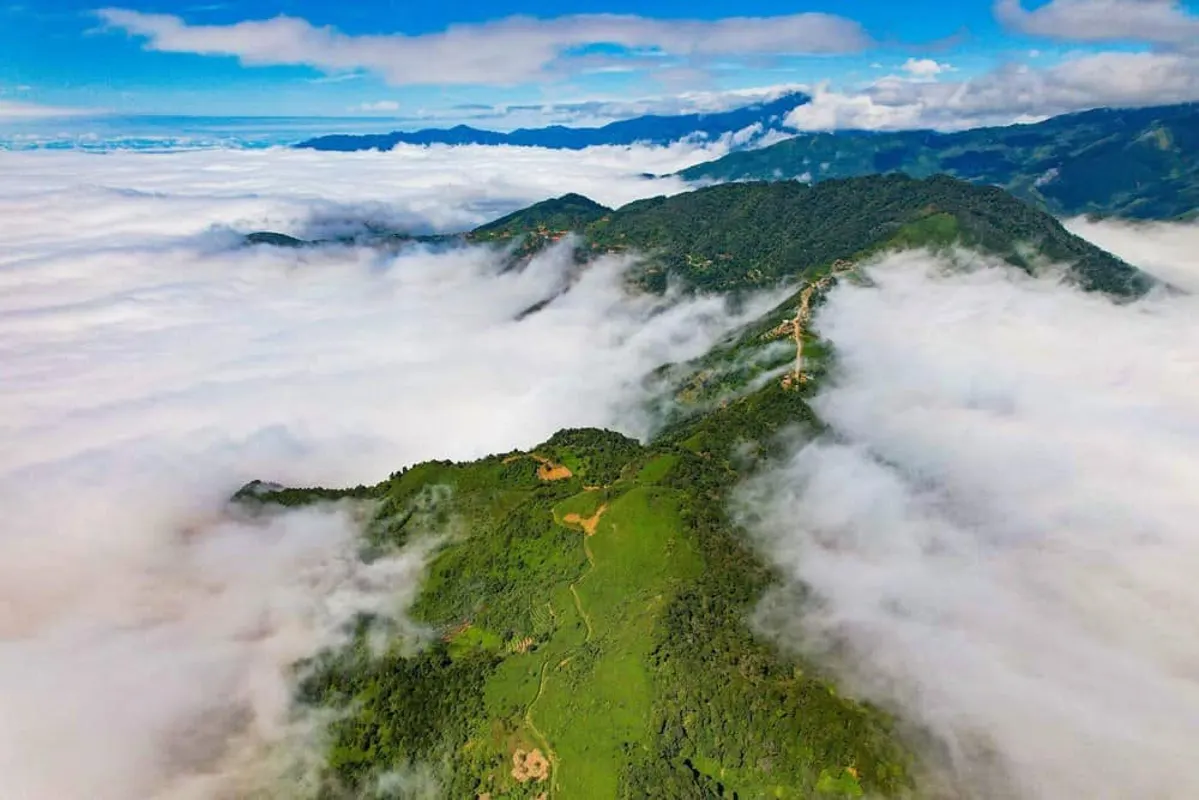
Sapa, a renowned destination in northern Vietnam, attracts travelers with its cool climate, serene atmosphere, and diverse range of activities. Whether seeking outdoor adventure, cultural engagement, or culinary delights, visitors will find numerous opportunities to create a memorable trip. This guide outlines various experiences available in Sapa, from its iconic rice terraces to unique local traditions.
Exploring Sapa's Natural Grandeur
Sapa's mountainous terrain provides a backdrop for several natural attractions, drawing many to its unique environment. The region's terraced rice fields are a primary draw, often cited among the world's most impressive agricultural landscapes. These fields transform with the seasons: appearing like reflective pools in April and May during irrigation, turning verdant in June and July as the rice grows, and showcasing a golden hue in September and October when the crops ripen.
Mount Fansipan, known as the highest peak in Indochina, stands at over 3,000 meters and presents a significant challenge for climbers. Visitors have two main options to reach its summit: a traditional trek for experienced hikers or a more accessible route via cable car. The cable car transports passengers from the mountain's base to a point near the summit, from which a path of over 1,000 steps leads to the very top. This latter option is suitable for a broader range of visitors, including families. From the summit, expansive views of the Sapa landscape unfold. Another notable natural feature is the Sapa Glass Bridge, situated at O Quy Ho Pass, approximately 17 kilometers from Sapa town center. This 60-meter-long, 5-meter-wide bridge is suspended over 2,000 meters above sea level, offering panoramic 360-degree views. The period from October to December is often recommended for those hoping to witness clouds from this vantage point. Additionally, Sapa is home to several waterfalls, including Silver Falls and Love Waterfall, located about 12 kilometers from the town center along the road to Lai Chau. These waterfalls are known for their clean, cool waters and are sometimes associated with local folklore.
Engaging with Local Culture and Communities
Sapa is rich in cultural experiences, largely due to its diverse ethnic minority populations. Visiting the various hill tribe villages, such as Ta Van, Cat Cat, Ta Phin, Lao Chai, Sin Chai, Y Linh Ho, and Ho village, offers insight into distinct ways of life. Each community maintains unique customs and traditions, contributing to Sapa's cultural identity. Many visitors opt for overnight stays in local homestays, participating in daily activities and gaining a deeper understanding of the local culture.
Shopping at Sapa's tribal markets provides an opportunity to purchase local products and observe community interactions. These markets typically operate from 6 p.m. to 11 p.m., offering items like souvenirs, honey, rice wine, vegetables, traditional medicines, and handicrafts. The Sapa Love Market, held on Saturday evenings, is a distinctive cultural event where young people from the Red Dzao hill tribe gather to sing and dance, traditionally seeking partners. Local handicrafts, including hats, traditional jewelry, silver items, and brocade textiles like scarves and bags, are widely available. Visitors often find that bargaining for prices, typically by 20-50%, is common practice. For those interested in traditional crafts, attending an H'mong sewing class, such as at Indigo Cat, allows participants to learn the intricate weaving techniques from experienced local instructors.
Active Pursuits and Scenic Routes
For those who prefer active exploration, Sapa offers various ways to experience its natural beauty. Trekking is a popular and cost-effective method to discover the region's green fields, mountains, and waterfalls. Common trekking destinations include Ham Rong Mountain, about 3 kilometers from the town center, or longer routes to local villages like Y Linh Ho, Ta Van, and Sin Chai, with distances varying from 10 to over 20 kilometers. Some trekkers choose to stay overnight in village homestays to further explore the local culture.
Cycling tours present an alternative for visiting hill tribe villages such as Lao Chai, Sin Chai, and Ta Phin. The roads in these areas are generally manageable for cycling, allowing riders to enjoy the fresh air and peaceful surroundings. It is advisable to avoid the rainy season, which typically runs from September to April, as roads can become slippery or prone to landslides. Motorbike rides offer a time-efficient way to see the Sapa landscape. While confident riders can rent motorbikes, hiring an experienced local driver is an option for navigating the challenging mountain roads. Before setting out on a self-driven motorbike, it is essential to check the brakes, horn, and fuel levels. Another unique mode of transport is the Sapa Mountain Climbing Train, which began operating in March 2018. This railway line, the longest of its kind in the country, connects the MGallery Hotel in Sapa to the Mount Fansipan cable car station. The journey takes approximately four to six minutes, offering views of the Muong Hoa Valley, terraced rice paddies, and forested mountains. Trains run daily from 6:30 a.m. to 6:30 p.m., departing every six minutes and accommodating up to 200 passengers. Visitors can learn more about ascending Vietnam's highest peak with ease.
Culinary Experiences in Sapa
Sapa's culinary scene offers distinctive local flavors, particularly suited to its cooler climate. Barbecue dishes are a specialty, prepared with local spices and ingredients. Options range from simple grilled potatoes and eggs to more elaborate items like beef rolled with Meo spinach, stream fish, and 'com lam' (rice cooked in bamboo). Popular barbecue choices include grilled spiced pork, chicken feet and wings, and grilled mountainous corn. These dishes are often enjoyed with San Lung liquor, a local beverage, especially during colder weather. Barbecue stalls are commonly found on Cau May street, in front of the old stone church, in local markets, and near Bac waterfall.
Two prominent hot pot dishes in Sapa are 'Thang Co' and Salmon Hot Pot. 'Thang Co' is a traditional H'Mong dish, historically made from horse meat and organs, now sometimes including beef. It is prepared by simmering meat and organs with a blend of about 12 traditional spices, including ginger, cardamom, and tangerine peel, for several hours. This dish can be found in areas like Bac Ha, Muong Khuong, and Sapa. Salmon Hot Pot features locally raised salmon, known for its firm texture. It is typically served with wild Sapa vegetables such as watercress or pumpkin buds. Several establishments, including Skyview Restaurant and Bar, Song Nhi Sa Pa restaurant, and Thac Bac restaurant, are known for this dish. For a more casual experience, numerous coffee shops, such as Café in the Clouds, Nature View, and Sapa O’Chau Café, offer warm beverages, often with views of the mountains and rice fields. Local wines, including San Lung wine (a specialty of the Red Dao made from stream water, rice, and herbs), corn wine from Bac Ha, and Tao Meo wine, are also available for tasting. Visitors interested in bringing home local flavors can find guidance on unique purchases and souvenirs in Vietnam.
Dining and Nightlife Venues in Sapa
| Venue Name | Known For | Notes |
|---|---|---|
| Café in the Clouds | Coffee, views | Address not provided in source |
| Nature View | Coffee, views | Address not provided in source |
| Sapa O’Chau Café | Coffee, views | Address not provided in source |
| Skyview Restaurant and Bar | Salmon Hot Pot, bar | Address not provided in source |
| Song Nhi Sa Pa restaurant | Salmon Hot Pot | Address not provided in source |
| Thac Bac restaurant | Salmon Hot Pot | Address not provided in source |
| The H' mong Sisters | Local bar, live music | Address not provided in source |
| Táu Bar | Local bar, live music | Address not provided in source |
| Sapa Sky View Restaurant & Bar | Local bar, live music | Address not provided in source |
| Bamboo Bar | Local bar, live music | Address not provided in source |
Relaxation and Wellness Options
After days of exploration, Sapa provides several options for relaxation and rejuvenation. Foot massages are widely available and are considered beneficial for circulation and relieving muscle soreness from trekking. Prices for a 15-minute foot massage typically start from 4 USD. Establishments such as Dao’s Center, Sapa Green Hotel – Green Spa, and Eden Massage & Spa offer these services.
Sapa's tranquil environment also makes it suitable for yoga treatments. Centers like Sapa Clay House – Mountain Retreat and The Sacred Healing Center provide yoga sessions, often with views of the surrounding mountains and fields. A distinctive local wellness experience is the Red Dao herbal bath. This traditional practice involves bathing in a wooden tub filled with water infused with a blend of herbs, passed down through generations of Red Dao women. The herbal mix, often including honeysuckle, star fruit, fennel, and camphor, is believed to benefit skin, bones, and joints. Dao’s Center Sapa, New Day, and Huong Ly Spa are among the places offering this unique treatment.
Wellness Centers in Sapa
| Venue Name | Known For | Services Offered | Notes |
|---|---|---|---|
| Dao’s Center | Foot massage, Red Dao herbal bath | Massage, traditional herbal baths | Address not provided in source |
| Sapa Green Hotel – Green Spa | Foot massage | Massage | Address not provided in source |
| Eden Massage & Spa | Foot massage | Massage | Address not provided in source |
| Sapa Clay House – Mountain Retreat | Yoga treatment | Yoga sessions | Address not provided in source |
| The Sacred Healing Center | Yoga treatment | Yoga sessions | Address not provided in source |
| New Day | Red Dao herbal bath | Traditional herbal baths | Address not provided in source |
| Huong Ly Spa | Red Dao herbal bath | Traditional herbal baths | Address not provided in source |
Essential Information for Visiting Sapa
Sapa experiences distinct seasons, each offering a different appeal. The fall and winter months are often chosen for a relaxing getaway. For those interested in the famous rice terraces, April and May showcase the fields filled with water, reflecting the sky. June and July bring lush green landscapes as the rice grows, while September and October are ideal for viewing the golden, ripe rice fields. Cloud hunting is a popular activity, best experienced in spring from locations like Fansipan Peak, Y Ty Commune, and Ham Rong Mountain.
When exploring Sapa town, visitors can find various natural spots such as Ham Rong Mountain, Silver Waterfall, Rattan Bridge, Bamboo Forest, and Ta Phin Cave. The town itself has evolved, featuring a mix of older and newer architecture. Local markets within the town offer forest products, handicrafts, smoked meats, 'thang co', 'cai meo' vegetables, San Lung wine, corn wine, and temperate vegetables. O Quy Ho Pass, a 50-kilometer route with an altitude of nearly 2,000 meters at its summit, is considered one of Vietnam's most challenging passes in the northwestern region. It offers expansive views for those who undertake the journey.
Frequently Asked Questions
What is the best time of year to visit Sapa?
The ideal time to visit Sapa depends on your interests. For viewing the golden rice terraces, September and October are recommended. If you prefer lush green fields, June and July are suitable. The period from April to May offers reflective, watered fields. For cloud hunting, spring is often considered the best season. Fall and winter are generally popular for a relaxing trip.
Are there options for active travelers in Sapa?
Yes, Sapa is well-suited for active travelers. Popular activities include trekking through local villages and to Ham Rong Mountain or Fansipan Peak, cycling tours to hill tribe communities, and motorbike rides for scenic exploration. The Sapa Mountain Climbing Train also provides a unique way to traverse the landscape.
What local dishes should I try in Sapa?
Sapa offers several unique culinary experiences. Highly recommended dishes include local barbecue, 'Thang Co' hot pot (a traditional H'Mong dish), and Salmon Hot Pot, often served with wild Sapa vegetables. Don't miss trying local coffee and regional wines like San Lung wine.
Can I learn about local culture in Sapa?
Absolutely. Engaging with local culture is a highlight of visiting Sapa. You can visit various hill tribe villages, stay in a local homestay, shop at tribal and night markets, and even attend an H'mong sewing class to learn traditional crafts. The Sapa Love Market is also a unique cultural event to observe.
Are there relaxation options available after outdoor activities?
Yes, Sapa provides several ways to relax after active days. Foot massages are widely available and affordable. You can also find yoga treatments at dedicated centers or experience the traditional Red Dao herbal bath, known for its therapeutic properties.








