
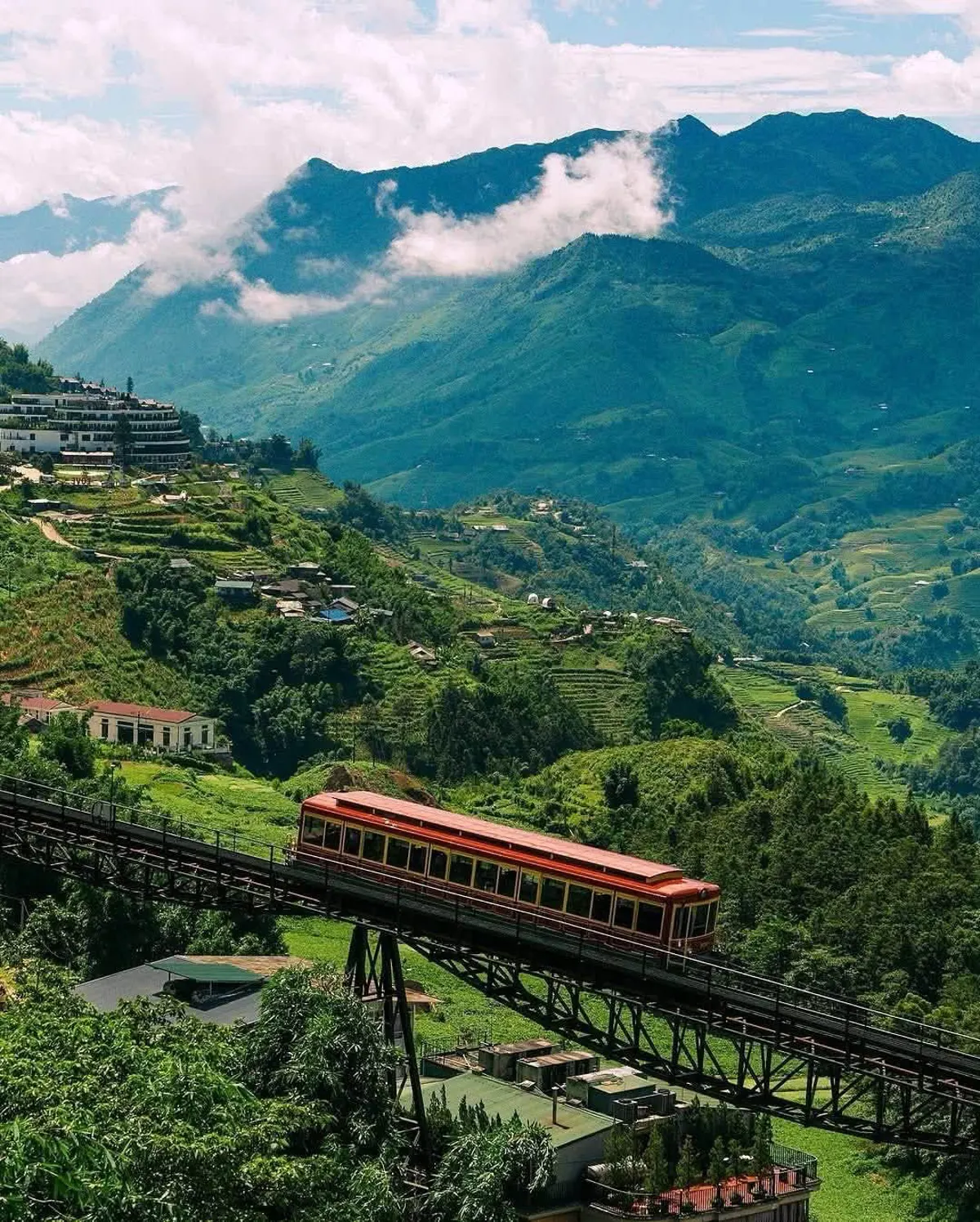
Sapa, a highland town in northern Vietnam, presents an ideal setting for those seeking walking adventures amidst natural beauty. Its diverse terrain and distinct climate create excellent conditions for exploring verdant rice terraces, cascading waterfalls, and the traditional communities of ethnic minority groups. Visitors typically allocate at least two days to fully experience the region's offerings, whether through dedicated hiking or a combination of trekking and other local activities.
Understanding Sapa's Trekking Experience
Trekking in Sapa provides an opportunity to observe the region's impressive natural scenery, including expansive green fields, towering mountains, and flowing waterfalls. It also allows for engagement with the distinct traditions of local ethnic communities. Most visitors find a two-day itinerary sufficient for exploration, which can involve two full days of walking or one day of trekking combined with a day for other pursuits, such as taking the cable car to Mount Fansipan. A typical day's trek covers approximately 12 kilometers, though shorter paths are available for those preferring a less demanding route, or vehicles can be arranged for return to Sapa town.
For those interested in reaching Vietnam's highest point, Mount Fansipan, a modern cable car system offers an alternative to strenuous climbing. When planning logistics, many travelers opt for package tours that include a guide, transportation from Hanoi, accommodation, and some meals, as this often ensures a more consistent experience compared to arranging individual services upon arrival. Staying in a local homestay can offer deeper insights into the customs of Sapa's inhabitants, though it is important to note that these accommodations are generally basic in their amenities.
Popular Trekking Routes in Sapa
Sapa features several well-known trails, each offering different levels of challenge and unique perspectives on the landscape and local life. Understanding the characteristics of each route can help visitors select an itinerary that aligns with their interests and physical capabilities.
Cat Cat - Sin Chai
Located just a 30-minute walk from Sapa town, Cat Cat Village is one of the most frequently visited destinations. The path to Cat Cat is more of a gentle walk than a strenuous hike, offering pleasant views, particularly during early mornings or clear late summer afternoons. The village entrance features a notable waterfall and large water wheels. Continuing approximately four kilometers further, the trails around Sin Chai Village are typically quieter and offer equally appealing scenery, providing a peaceful contrast to the more frequented areas.
Y Linh Ho - Lao Chai - Ta Van
This route begins with a trek through the Muong Hoa valley towards Y Linh Ho village, home to members of the Black Hmong minority. Classified as an easy to moderate trail, it still provides expansive views of the area. The path initially follows a mountain road leading out of Sapa, then descends into a valley, crosses the Ta Van River, and meanders through rice paddies before reaching the villages of Lao Chai and Ta Van. Along this journey, travelers can observe the mountains across the river valley and the settlements situated within it. The segment between Lao Chai and Ta Van is particularly scenic and less commercially developed than the Cat Cat route. Eventually, the trail crosses back over the river and reconnects with the main road.
Ta Phin - Silver Waterfall - Tram Ton
This trail is more accessible, with options to reach parts of it by car or motorbike, and combines views of ethnic minority villages with natural landmarks. Ta Phin Village is situated about 17 kilometers northeast of Sapa town center. The road leading to Ta Phin is noted for its beauty, with terraced fields sloping down the mountainsides and various flowers in bloom. The village is inhabited by Red Dao and Hmong ethnic groups. In Ta Phin, visitors can find local specialties such as intricately woven brocade textiles, silver ornaments, and traditional herbal products. Other activities include experiencing medicated leaf baths and exploring Ta Phin Cave.
The Silver Waterfall, a popular stop for hikers, is visible from the main road and lies 11 kilometers from Sapa town. While often busy with tour groups, the falls themselves are visually appealing and are best visited in conjunction with Tram Ton Pass, located three kilometers further along the road. Tram Ton Pass, Vietnam's highest mountain pass, is 18 kilometers north of Sapa and offers spectacular views on clear days. It is worth noting that weather conditions at the pass can differ significantly from those in Sapa town, and temperatures may be warmer.
| Trekking Route | Distance from Sapa Town | Difficulty Level | Key Features |
|---|---|---|---|
| Cat Cat - Sin Chai | Cat Cat: 30 min walk; Sin Chai: 4 km further | Easy (country stroll) | Waterfalls, water wheels, quiet village paths |
| Y Linh Ho - Lao Chai - Ta Van | Starts from Sapa, through Muong Hoa valley | Easy to Moderate | Muong Hoa valley, Black Hmong villages, rice paddies, river crossings |
| Ta Phin - Silver Waterfall - Tram Ton | Ta Phin: 17 km NE; Silver Waterfall: 11 km; Tram Ton: 18 km N | Accessible (car/bike options) | Red Dao & Hmong villages, terraced fields, cave, high mountain pass |
Optimal Seasons for Sapa Trekking
Selecting the right time of year can significantly enhance a trekking experience in Sapa. Generally, two periods are considered most suitable: March to May and September to November, both characterized by stable weather with pleasant daytime temperatures and cooler evenings.
During March and early April, the air remains cool, but the skies are typically clear and blue. As May and June arrive, light rains begin to replenish the rice terraces, creating reflective surfaces under the sun. This period offers abundant clouds and sunshine, with generally calm weather, though daytime temperatures can be somewhat warm. By September, a cool breeze prevails with reduced rainfall, and the landscape undergoes a transformation as the green rice terraces ripen into a golden hue. October and November bring cooler, often foggier conditions; however, when the sun penetrates the clouds, it illuminates the mountain ranges, providing impressive vistas.
Conversely, the rainy season, which spans from June to August with its peak in July and August, coincides with the monsoon period in northern Vietnam. Heavy rains and potential storms during this time can lead to flooding, impacting trekking conditions and introducing potential hazards. The winter months, from December to February, are marked by very cold, overcast, and often foggy weather, severely reducing visibility. Temperatures frequently fall below 10 degrees Celsius, occasionally dropping below freezing, and snowfall is possible in Sapa during this period.
Essential Preparations for Your Sapa Trek
To ensure a comfortable and safe trekking experience in Sapa, thorough preparation is advisable. Given Sapa's cooler average temperatures compared to other parts of Vietnam and its mountainous terrain, specific items are recommended for your luggage.
Clothing should include layers, with a raincoat and a windbreaker being particularly important. Sturdy trekking shoes or rubber boots are essential for navigating varied terrain, which can be muddy or uneven. A walking pole can provide additional stability. Other practical items include insect repellent, a flashlight, and sufficient drinking water. Regarding health, it is prudent to carry a basic medical kit containing remedies for common ailments such as colds, fever, diarrhea, and pain relief. Additionally, bandages and antiseptic solution are recommended for minor injuries. While preparing your medical kit, it is also wise to be aware of local healthcare facilities in Sapa for any unexpected needs.
For carrying personal belongings, a medium-sized backpack is ideal. It should feature a waist belt for weight distribution and soft straps to ensure comfort throughout the journey. Since trekking can be physically demanding, it is important to pack enough high-energy foods and drinks, such as bread, snacks, sausages, and canned goods, to replenish energy levels as needed.
Cultural Etiquette and Local Customs in Sapa Villages
When visiting the villages of Sapa, such as Lao Chai, Ta Van, Cat Cat, Y Linh Ho, and Ta Phin, which are home to groups like the Black H'mong and Red Dao, it is important to observe local customs to show respect. Before embarking on your journey, it may also be helpful to understand banking facilities in Sapa for managing your finances.
Within local homes, visitors should avoid sitting directly in the center of the house or main room. If invited inside, always follow the host's guidance on where to sit. The primary seat is traditionally reserved for parents; if they are deceased, no one else occupies it. It is also considered inappropriate to attend a magic ritual or exorcism without explicit permission from the villagers. These ceremonies are often indicated by a beam of green leaves hung on a prominent pillar, signaling that outsiders should not approach.
When encountering children in the villages, refrain from touching or kissing their heads, as local beliefs suggest this action can frighten them or cause illness. Similarly, if you come across a seemingly clean and inviting spot, do not immediately sit down or eat there, as it may be a sacred communal worship area. Whistling is also considered taboo, as it is believed to summon malevolent spirits to the village. The central room of an ethnic home is typically reserved for worship, and guests are not permitted to sit there. The largest and tallest pillar within a house is often regarded as a dwelling place for spirits, and one should not hang clothes on it, sit against it, or turn their back to it.
Should hosts offer water or wine, a polite refusal is acceptable if you do not wish to drink. Turning a bowl upside down is prohibited, as this action is reserved for shamans to dispel evil. Furthermore, when conversing with locals, avoid pointing fingers, as this gesture is perceived by H'mong people as disrespectful or scornful. Adhering to these guidelines will contribute to a positive and respectful interaction during your Sapa visit.
Frequently Asked Questions
How long should I plan for a Sapa trekking trip?
Most visitors find that a minimum of two days is ideal for experiencing Sapa's trekking opportunities. This allows for either two full days of hiking or a combination of one trekking day and another day for exploring other attractions, such as the Fansipan cable car.
What are the main differences between booking a package tour and arranging things independently?
Booking a package tour typically includes a guide, transportation from Hanoi, accommodation, and some meals, offering a more structured and often more reliable experience. Arranging services independently might be less expensive but requires more planning and carries a higher risk of encountering less experienced guides or unexpected logistical challenges.
What is the best time of year to go trekking in Sapa?
The most favorable times for trekking in Sapa are from March to May and from September to November. These periods offer stable weather conditions, with sunny days and cool nights, and provide scenic views of the terraced fields, either green in spring or golden in autumn.
Are there any specific cultural rules I should be aware of when visiting local villages?
Yes, several customs should be observed. Avoid sitting in the center of homes, do not touch children's heads, refrain from whistling, and do not interrupt rituals. Always follow the guidance of your hosts and be respectful of sacred spaces and traditional beliefs.
What essential items should I bring for trekking in Sapa?
Key items include appropriate clothing layers, a raincoat, a windbreaker, good trekking shoes or rubber boots, a walking pole, insect repellent, a flashlight, a medium-sized backpack, sufficient drinking water, and a basic medical kit for minor ailments and injuries.








