
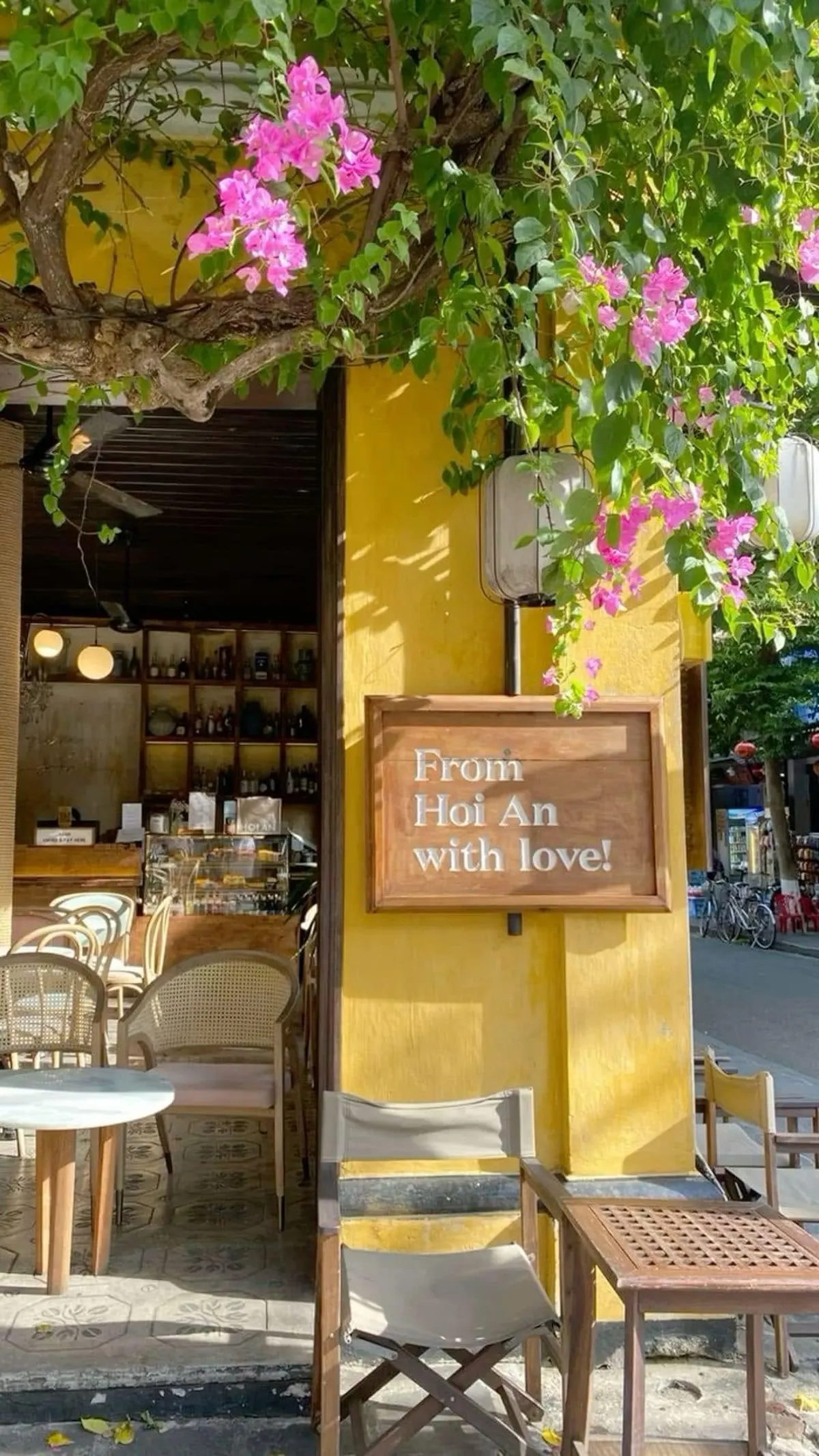
Hoi An, a historic port town in central Vietnam, offers a rich and varied culinary experience for visitors. From traditional Vietnamese fare to diverse international options, the town provides numerous choices for enjoying meals. This guide presents a selection of highly regarded dining spots to help travelers navigate the local food scene.
Exploring Hoi An's Culinary Offerings
Hoi An's food culture reflects its history as a trading hub, blending indigenous Vietnamese flavors with influences from various cultures. The town is particularly renowned for its regional specialties, which are often prepared with fresh, locally sourced ingredients. Many eateries here emphasize both taste and presentation, creating a memorable meal.
Among the local dishes, Cao Lau stands out as a Hoi An exclusive, featuring thick rice noodles, slices of pork, fresh greens, and crispy croutons, all dressed with a minimal amount of broth. Banh Mi, the iconic Vietnamese sandwich, reaches particular heights in Hoi An, known for its balanced flavors and generous fillings. Another local delicacy, White Rose dumplings (Banh Bao Vac), consists of delicate steamed shrimp or pork dumplings, shaped to resemble flowers and served with a special dipping sauce. These dishes are staples for anyone seeking an authentic taste of the region.
Recommended Dining Establishments in Hoi An
Hoi An hosts a wide array of restaurants catering to different tastes and preferences, from casual street-side stalls to elegant fine dining venues. The following establishments have been noted for their quality of food, service, and atmosphere, offering a glimpse into the town's diverse culinary landscape.
Nhan’s Kitchen
Located at 167 Tran Nhan Tong, Cam Chau, Hoi An, Quang Nam, Nhan’s Kitchen operates from 11:30 AM to 9:00 PM. Prices typically range from 45,000 VND to 90,000 VND. This establishment is frequently recommended by previous patrons, who often highlight the owner's attentive and welcoming demeanor. The menu features a broad selection, including local Vietnamese, Asian, and European dishes, alongside healthy and vegetarian choices. Their pizza receives particular praise for its taste and quality. The interior is designed to create a comfortable and calm environment, enhancing the dining experience.
Baba’s Kitchen
Situated at 115 Phan Chu Trinh, Minh An, Hoi An, Quang Nam, Baba’s Kitchen is open from 11:00 AM to 10:00 PM, with prices ranging from 113,000 VND to 340,000 VND. This Indian restaurant specializes in North and South Indian cuisine, offering both Halal meat and vegan options. Its proximity to the Japanese Covered Bridge, just a two-minute walk away, makes it easily accessible. Guests frequently commend the high standard of service, with staff ready to provide recommendations. Complimentary mineral water and rice pudding are often provided. While the food is flavorful and well-spiced, visitors should be aware that Indian dishes here can be quite piquant. Notable items to consider include various curries, garlic naan bread, and chicken 65.
Restaurant & Cafe Tuan
Found at 170 Tran Nhan Tong, Cam Chau, Hoi An, Quang Nam, this establishment serves guests from 11:30 AM to 9:00 PM. Price information was not supplied. Restaurant & Cafe Tuan offers a straightforward and inviting setting. The owner is known for her excellent English and personal approach, often inquiring about diners' preferences to tailor meals. While primarily a Vietnamese restaurant, it also serves Western options such as pizza and sandwiches. Recommended dishes include crispy pork, chicken with lemongrass, and Cao Lau.
Firefly Restaurant & Bar
Located at 174 Tran Nhan Tong, Cam Chau, Hoi An, Quang Nam, Firefly Restaurant & Bar welcomes diners from 11:30 AM to 9:30 PM, with prices between 45,000 VND and 181,000 VND. The restaurant features an open and spacious layout, adorned with colorful lanterns that evoke a traditional aesthetic. The menu includes local cuisine, pizza, and vegetarian dishes. Many past customers suggest trying the chef's noodles or the spicy noodles, often describing them as excellent. Service is generally reported as prompt and efficient.
Red Bean Restaurant
Positioned at 132 Hung Vuong, Quang Nam, Hoi An, Red Bean Restaurant operates from 11:00 AM to 10:00 PM, with prices ranging from 113,000 VND to 1,130,000 VND. This establishment was noted by TripAdvisor as ranking among the top restaurants in Hoi An. It is recognized as an elegant dining venue focusing on Vietnamese cuisine. The setting is open and incorporates natural elements, with a distinctive bright yellow exterior. The restaurant emphasizes authentic Vietnamese dishes, particularly those from the Quang An region, presented in a contemporary manner. Meals are described as well-seasoned, artfully arranged, and of high quality. The staff are consistently described as courteous, skilled, and quick.
Ngon Villa Hoi An
Situated at 12/9 12 Bach Dang, Cam Chau, Quang Nam, Hoi An, Ngon Villa Hoi An is open from 11:00 AM to 2:00 PM and again from 5:00 PM to 10:00 PM. Prices range from 340,000 VND to 568,000 VND. This restaurant is also recognized among Hoi An's notable dining spots. Its primary use of yellow tones creates an inviting atmosphere. The cuisine is a fusion style, with dishes presented artistically. Staff are knowledgeable about the menu and offer recommendations. Grilled beef is a frequently suggested item. The focus is often on healthier options. While the ambiance and service are well-regarded, some visitors note that portion sizes can be modest relative to the cost.
Home Hoi An Vietnamese Restaurant
Found at 112 Nguyen Thai Hoc, Minh An, Ancient Town, Quang Nam, this restaurant has a price range of 181,000 VND to 454,000 VND. Opening hours were not supplied. Home Hoi An Vietnamese Restaurant is considered a leading establishment for Vietnamese cuisine in the area. Its architectural style is described as luxurious. Food presentation is distinctive and visually appealing. The menu includes vegan and gluten-free choices, catering to various dietary needs. Service is consistently reported as exceptionally fast, delivered by a cheerful team.
Aubergine 49 Restaurant
Located at 49 Ly Thai To, Son Phong, Hoi An, Quang Nam, Aubergine 49 Restaurant is open from 6:00 PM to 10:00 PM. Price information was not supplied. This restaurant has received high customer ratings for its food quality, taste, and service, and was recognized with a “Best of the Best” award by Traveller’s Choice. It is a sophisticated establishment serving European, Asian, and fusion cuisine, prepared with premium ingredients. Dishes are presented with refinement. For example, their steak is prepared using imported Grade A Australian fillet. Service is prompt, with staff carefully confirming orders to minimize errors. The Western fine-dining aesthetic is characterized by an elegant, white-toned design. Pairing meals with a selection from their wine list is often recommended.
Mix Restaurant
At Le Loi 70, Hoi An, Mix Restaurant operates from 11:00 AM to 10:00 PM, with prices from 50,000 VND to 560,000 VND. This is a rare Greek restaurant in Vietnam, making it a unique option for those seeking authentic Greek flavors. The owner is Greek, ensuring traditional preparation. The space, though not expansive, is airy and features a pleasant outdoor patio. The food is highly praised, and its generous portion sizes make it suitable for sharing among groups, potentially offering good value.
Phi Banh Mi
Situated at 88 Thai Phien, Minh An, Hoi An, Quang Nam, Phi Banh Mi is open from 8:00 AM to 8:00 PM. A banh mi here costs 25,000 VND. This small eatery is often cited as a must-visit location in Hoi An for its banh mi, considered among the most delicious in Vietnam. The owners, Phi and his wife Thu, are known for their kindness. The banh mi offers a complex balance of sweet, sour, spicy, and salty notes in each bite. It features a crisp exterior and a soft, satisfying interior with a well-proportioned mix of meat and vegetables, representing an authentic Hoi An culinary experience.
Kumquat BBQ Restaurant
Found at Tra Que, Cam Ha, Hoi An, Kumquat BBQ Restaurant is open from 9:00 AM to 9:00 PM, with prices ranging from 68,000 VND to 455,000 VND. Barbecue meals are a popular choice here, offering a distinctive experience where food is cooked directly in front of diners. The restaurant sources vegetables from its own garden, ensuring freshness. The staff are reported to be very helpful. Outdoor seating is available for those preferring an open-air setting. A notable feature is the private cooking classes offered, which are described as practical, hands-on, and led by enthusiastic, knowledgeable instructors.
Little Faifo Restaurant
Located at 66 Nguyen Thai Hoc, Old Town, Hoi An, Little Faifo Restaurant operates from 9:00 AM to 10:00 PM, with prices from 89,000 VND to 500,000 VND. This establishment presents an old-world charm with an open-space design, decorated with lanterns and wooden elements. It offers views of the active street below from its balcony, which may require advance booking for prime spots. Staff are described as courteous and efficient in delivering meals. The food is generally considered flavorful, fresh, and well-presented.
Chef Burger
Found at 10/14 Bach Dang Street, go inside alley 50 meters until number 14, Hoi An, Chef Burger is open from 11:00 AM to 9:00 PM, with prices ranging from 68,000 VND to 138,000 VND. Many consider Chef Burger to offer the finest burgers in the area. The atmosphere is relaxed and inviting, suitable for casual meals and conversations. Staff are attentive to customer needs. A unique aspect of the menu is its innovative fusion of flavors, exemplified by the "Pho Burger," which combines Vietnamese and Western tastes. This dish uses pho noodle herbs to season ingredients, served in a substantial bun. Beyond burgers, the restaurant also serves homemade ice cream and hand-cut fries.
The Temple Restaurant
Situated at 132 Hung Vuong, Cam Pho, Thanh Ha, Hoi An, The Temple Restaurant is open from 6:00 AM to 11:00 PM, with prices from 113,000 VND to 2,272,000 VND. This establishment is recognized as a premier Vietnamese restaurant, featuring a contemporary yet opulent style. The expansive venue includes numerous windows and doors, along with impressive outdoor seating options, including various types of chairs and couches, and even dining beside a pool. The menu offers a blend of local Vietnamese dishes and sophisticated European cuisine, all prepared and presented with elegance. Service is noted as exceptional, aligning with a fine dining experience. Recommended dishes include salmon tartare and seafood risotto.
Morning Glory Signature
At 41 Nguyen Phuc Chu 2f, Hoi An, Morning Glory Signature operates from 9:00 AM to 10:00 PM, with prices from 113,000 VND to 455,000 VND. This restaurant serves contemporary Vietnamese family-style dishes in a refined setting. Its design is notable, featuring a terrace that overlooks the Japanese Bridge. Despite its spaciousness, the venue maintains an intimate ambiance. Popular dishes include sautéed squid with steamed black rice and minced pork wrapped in lemongrass.
Reaching Out Tea House
Located at 131 Tran Phu, Minh An, Hoi An, Quang Nam, Reaching Out Tea House is open from 8:30 AM to 9:00 PM, with prices from 45,000 VND to 115,000 VND. This establishment is part of an organization supporting individuals with disabilities. It provides a quiet and calm atmosphere, ideal for reflection. The staff are hearing-impaired, and guests are encouraged to use gestures for ordering. In addition to tea and coffee, pies and jams are available, complementing the beverages.
For visitors managing their travel funds, understanding local financial services can be helpful. You can find more information on banking services in Hoi An to assist with your trip.
| Restaurant Name | Cuisine Type | Address | Typical Price Range (VND) | Opening Hours |
|---|---|---|---|---|
| Nhan’s Kitchen | Vietnamese, Asian, European, Vegetarian | 167 Tran Nhan Tong, Cam Chau, Hoi An, Quang Nam | 45,000 - 90,000 | 11:30 AM - 9:00 PM |
| Baba’s Kitchen | Indian (North & South), Halal, Vegan | 115 Phan Chu Trinh, Minh An, Hoi An, Quang Nam | 113,000 - 340,000 | 11:00 AM - 10:00 PM |
| Restaurant & Cafe Tuan | Vietnamese, Western | 170 Tran Nhan Tong, Cam Chau, Hoi An, Quang Nam | Not supplied | 11:30 AM - 9:00 PM |
| Firefly Restaurant & Bar | Local, Pizza, Vegetarian | 174 Tran Nhan Tong, Cam Chau, Hoi An, Quang Nam | 45,000 - 181,000 | 11:30 AM - 9:30 PM |
| Red Bean Restaurant | Authentic Vietnamese (Quang An) | 132 Hung Vuong, Quang Nam, Hoi An | 113,000 - 1,130,000 | 11:00 AM - 10:00 PM |
| Ngon Villa Hoi An | Fusion, Healthy Focus | 12/9 12 Bach Dang, Cam Chau, Quang Nam, Hoi An | 340,000 - 568,000 | 11:00 AM - 2:00 PM, 5:00 PM - 10:00 PM |
| Home Hoi An Vietnamese Restaurant | Vietnamese, Vegan, Gluten-Free | 112 Nguyen Thai Hoc, Minh An, Ancient Town, Quang Nam | 181,000 - 454,000 | Not supplied |
| Aubergine 49 Restaurant | European, Asian, Fusion | 49 Ly Thai To, Son Phong, Hoi An, Quang Nam | Not supplied | 6:00 PM - 10:00 PM |
| Mix Restaurant | Greek | Le Loi 70, Hoi An | 50,000 - 560,000 | 11:00 AM - 10:00 PM |
| Phi Banh Mi | Vietnamese (Banh Mi) | 88 Thai Phien, Minh An, Hoi An, Quang Nam | 25,000 | 8:00 AM - 8:00 PM |
| Kumquat BBQ Restaurant | BBQ, Vietnamese | Tra Que, Cam Ha, Hoi An | 68,000 - 455,000 | 9:00 AM - 9:00 PM |
| Little Faifo Restaurant | Vietnamese, Local | 66 Nguyen Thai Hoc, Old Town, Hoi An | 89,000 - 500,000 | 9:00 AM - 10:00 PM |
| Chef Burger | Burgers, Fusion (Vietnamese-Western) | 10/14 Bach Dang Street, go inside alley 50 meters until number 14, Hoi An | 68,000 - 138,000 | 11:00 AM - 9:00 PM |
| The Temple Restaurant | Vietnamese, European | 132 Hung Vuong, Cam Pho, Thanh Ha, Hoi An | 113,000 - 2,272,000 | 6:00 AM - 11:00 PM |
| Morning Glory Signature | Contemporary Vietnamese | 41 Nguyen Phuc Chu 2f, Hoi An | 113,000 - 455,000 | 9:00 AM - 10:00 PM |
| Reaching Out Tea House | Tea, Coffee, Light Snacks | 131 Tran Phu, Minh An, Hoi An, Quang Nam | 45,000 - 115,000 | 8:30 AM - 9:00 PM |
Practical Advice for Dining in Hoi An
When dining in Hoi An, a few practical considerations can enhance your experience. Most restaurants accept cash, and many larger establishments also take credit cards, though it's always prudent to carry some local currency, Vietnamese Dong (VND), especially for smaller eateries or street food vendors. It is advisable to verify current opening hours and price ranges directly with the establishment, as these details can change.
For those with specific dietary needs, such as vegetarian, vegan, or gluten-free requirements, many restaurants, particularly those catering to international visitors, are increasingly accommodating. It is always best to communicate your needs clearly to the staff. While tipping is not a traditional expectation in Vietnam, leaving a small gratuity for exceptional service is appreciated, especially in more upscale restaurants.
- Confirm Operating Hours: Always check the latest opening and closing times, as these can vary.
- Cash for Smaller Venues: Keep Vietnamese Dong on hand for local stalls and smaller cafes.
- Communicate Dietary Needs: Clearly inform staff about any allergies or dietary restrictions.
- Consider Reservations: For popular or fine-dining restaurants, booking a table in advance is often recommended, especially during peak seasons.
- Explore Beyond the Main Streets: Some of the most authentic experiences can be found slightly away from the central tourist areas.
Beyond dining, Hoi An offers a variety of local products and traditional crafts. To learn more about what to bring home, consider reading our guide on unique purchases from a trip to Vietnam.
Beyond the Plate: Hoi An's Unique Dining Experiences
Hoi An's food scene extends beyond traditional restaurant settings, offering various ways to engage with local cuisine. Many visitors enjoy participating in cooking classes, where they can learn to prepare classic Vietnamese dishes using fresh ingredients, often sourced from local markets or herb gardens. These hands-on experiences provide insight into the culinary traditions of the region. Tea houses, like Reaching Out Tea House, offer a tranquil alternative for those seeking a peaceful respite with light refreshments, often with a unique social mission.
The act of eating in Hoi An is often a social occasion, whether sharing a large meal with friends or enjoying a quiet moment in a charming cafe. The town's atmosphere encourages leisurely dining, allowing guests to savor flavors and observe daily life. From casual street food encounters to sophisticated dinners, the culinary offerings contribute significantly to the overall experience of visiting Hoi An.
Frequently Asked Questions
What are Hoi An's signature dishes?
Hoi An is particularly known for its regional specialties such as Cao Lau (pork and noodle dish), White Rose dumplings (steamed shrimp or pork dumplings), and the local rendition of Banh Mi (Vietnamese sandwich). These dishes are often prepared with fresh, local ingredients and offer a distinctive taste of the area.
Is vegetarian or vegan food widely available in Hoi An?
Yes, vegetarian and vegan options are increasingly available in Hoi An. Many restaurants, especially those catering to international visitors, offer specific plant-based dishes or can adapt existing menu items. Establishments like Nhan’s Kitchen and Home Hoi An Vietnamese Restaurant are noted for providing such choices.
How much does a meal typically cost in Hoi An?
Meal costs in Hoi An vary significantly depending on the type of establishment. A banh mi from a street vendor might cost around 25,000 VND, while a meal at a casual local restaurant could range from 45,000 VND to 180,000 VND per person. Fine dining experiences can range from 300,000 VND to over 1,000,000 VND per person.
Are reservations necessary for restaurants in Hoi An?
For casual eateries and street food, reservations are generally not required. However, for popular fine-dining restaurants or those with limited seating, particularly during peak tourist seasons or for specific views (like at Little Faifo Restaurant), making a reservation in advance is highly recommended to secure a table.
What is the local dining etiquette?
Dining etiquette in Vietnam is generally relaxed. It is common to share dishes, and chopsticks are the primary utensils. While slurping noodles is acceptable, it is polite to use a spoon for broth. Tipping is not mandatory but is appreciated for good service, especially in tourist-oriented establishments.








