Vietnam at a Glance
Vietnam rewards travelers with an unusual range of experiences in one long, narrow country: karst mountains and rice terraces in the north, imperial heritage and lantern-lit towns in the center, then river life, tropical islands and energetic cities in the south. The most satisfying trips balance headline sights with time for markets, neighborhood cafés, regional food and slower countryside experiences.
Vietnam can suit first-time visitors, families, couples, solo travelers, food lovers and active travelers. Seven days is enough for one region, 10–14 days allows a coherent north-to-south route, and three weeks gives space for mountains, heritage cities and the Mekong Delta without rushing.
Best Time to Visit Vietnam
There is no single nationwide “perfect month” because the country stretches across several climate zones. Plan around the regions that matter most to you rather than relying on one weather summary.
| Region | Generally favorable period | Planning notes |
|---|---|---|
| Northern Vietnam | October–April | Hanoi and Ha Long are cooler; mountain areas can be cold and misty in midwinter. May–September is hotter with heavier showers. |
| Central Vietnam | February–August | Hue, Da Nang and Hoi An are usually sunnier. Storms and flooding are more likely later in the year. |
| Southern Vietnam | December–April | Typically drier in Ho Chi Minh City and the Mekong Delta. Wet-season rain often arrives in intense but short bursts. |
Tet, the Lunar New Year, is culturally fascinating but transport and accommodation fill quickly, some family businesses close, and prices may rise. Book well ahead if your dates overlap major national holidays.
Where to Go in Vietnam
Hanoi and Northern Heritage
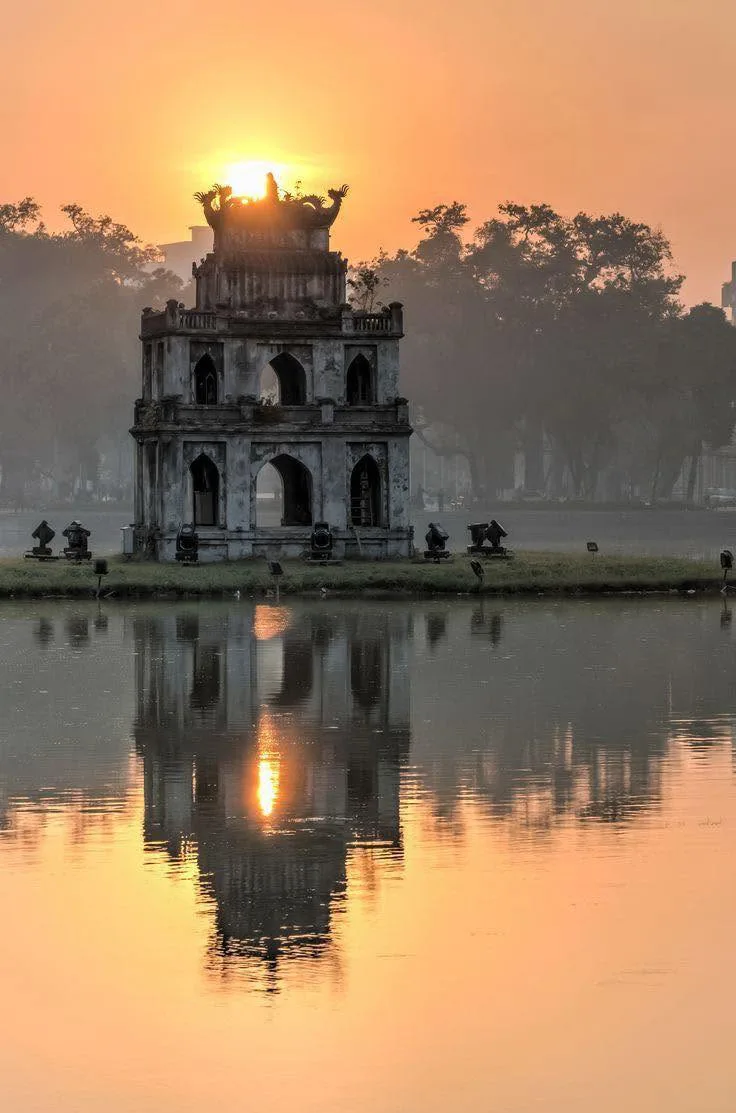
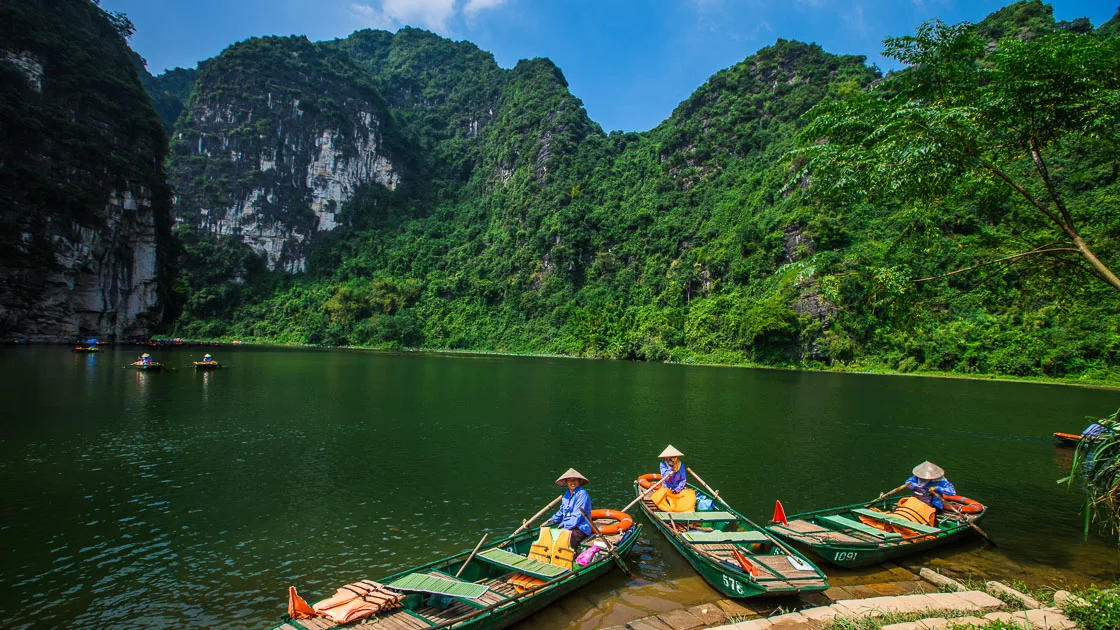
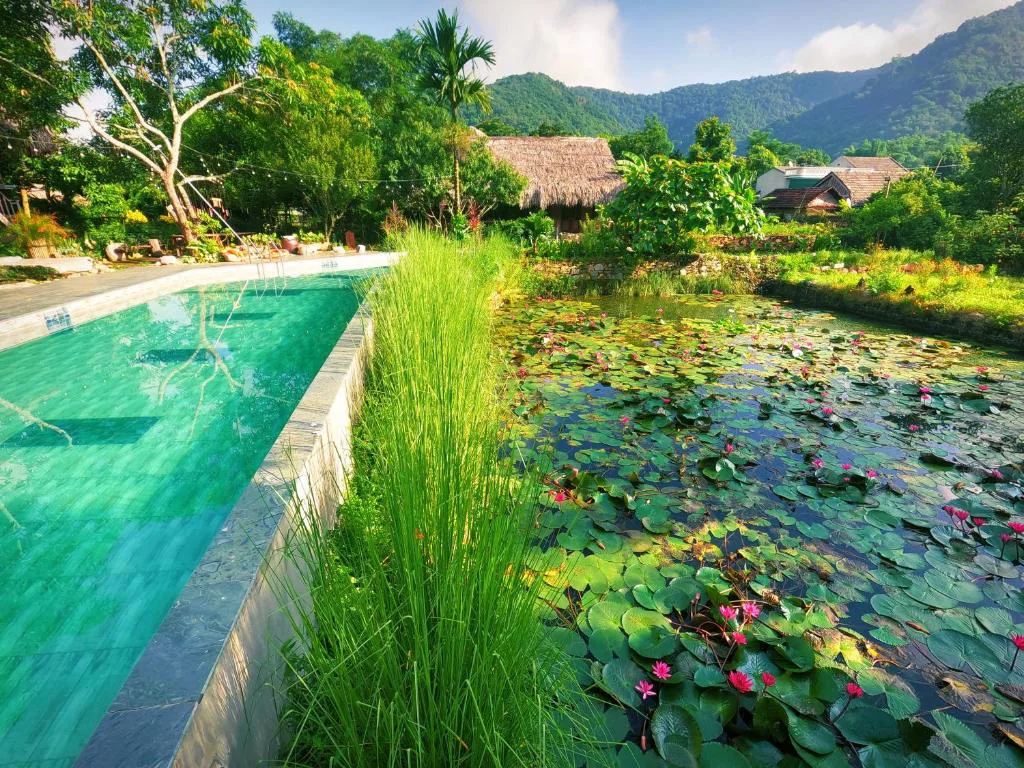
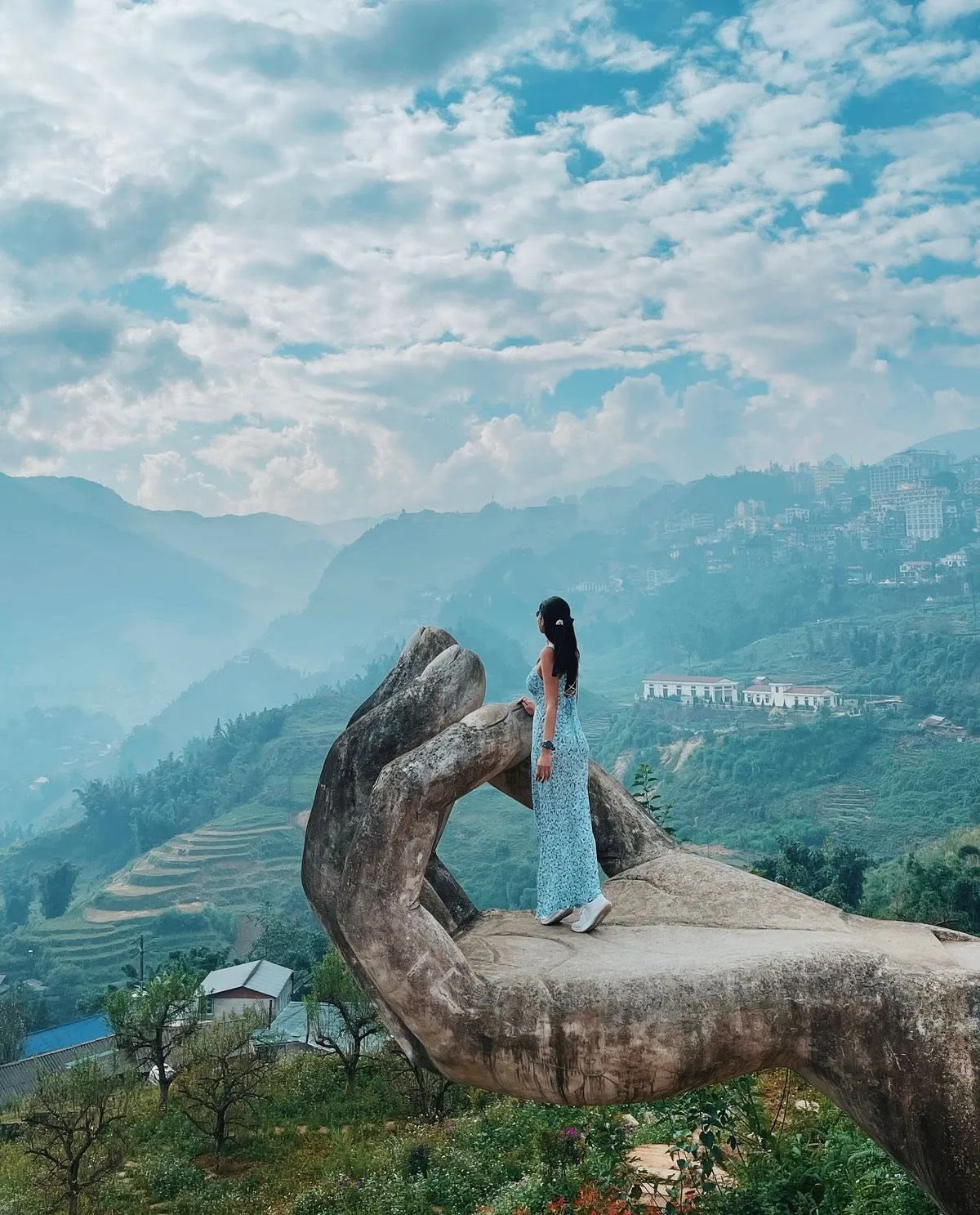
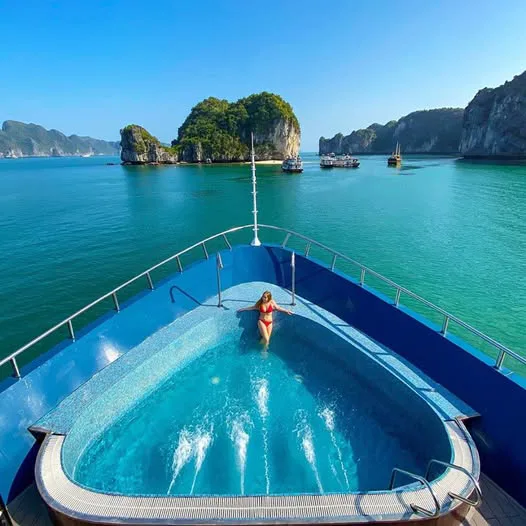
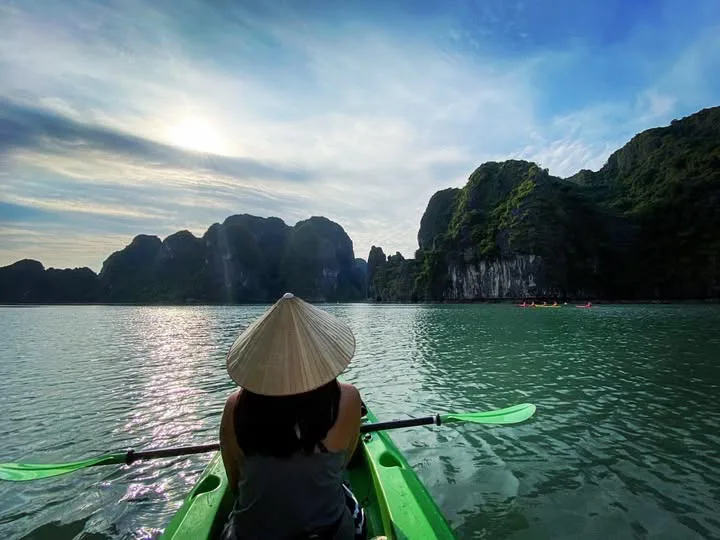
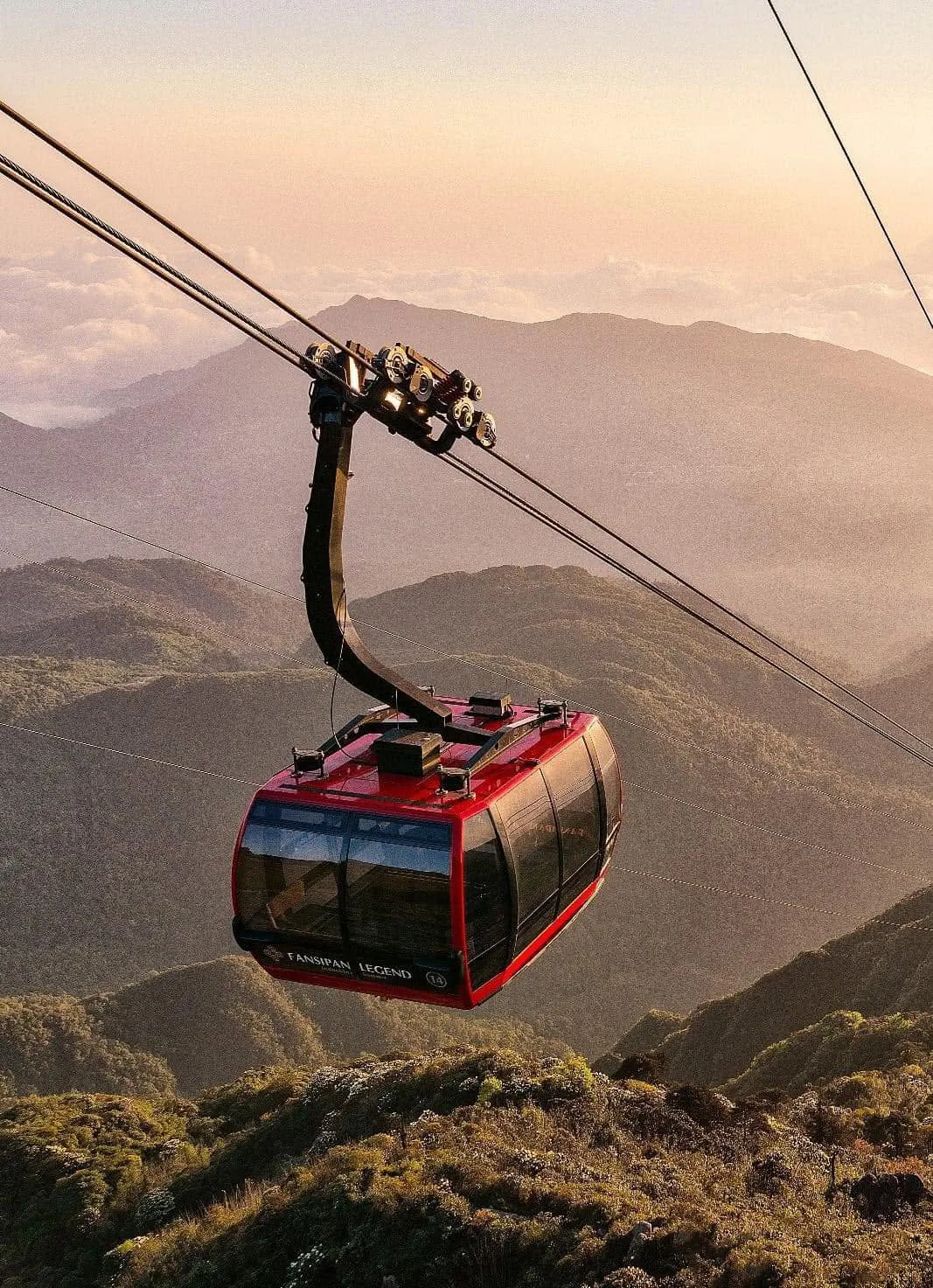
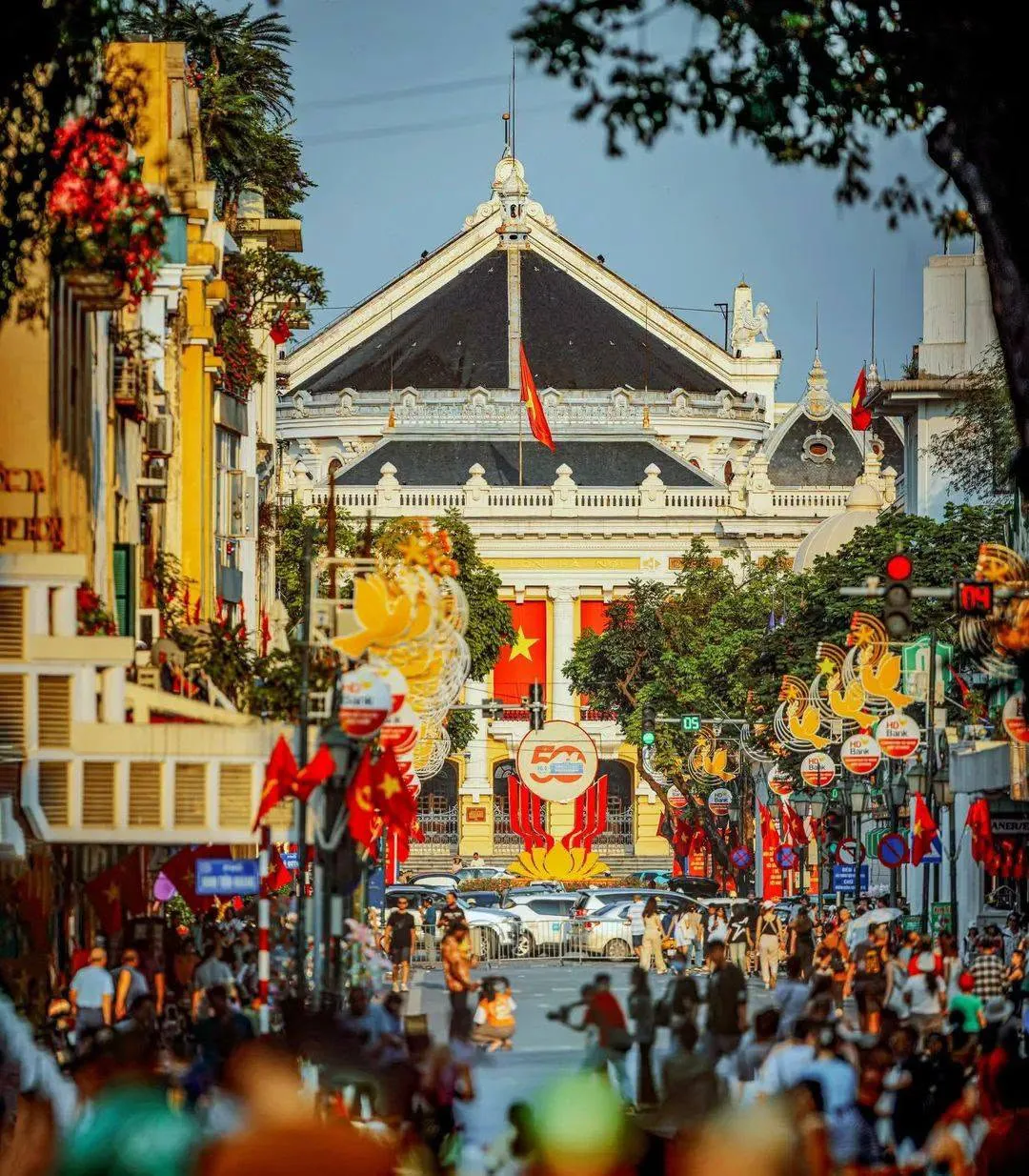
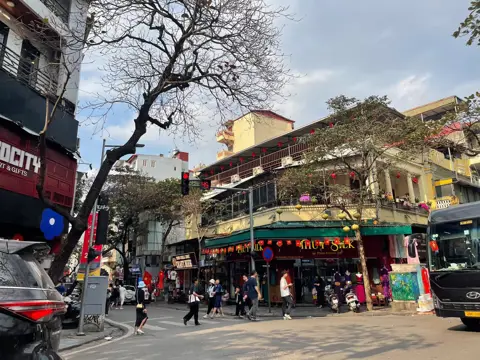
Hanoi combines lakes, tree-lined French-era districts, temple courtyards and the dense street life of the Old Quarter. Use it as a base for Ninh Binh’s limestone landscape, Ha Long or Lan Ha Bay, and the mountain regions around Sapa, Ha Giang, Mai Chau and Cao Bang.
Central Vietnam
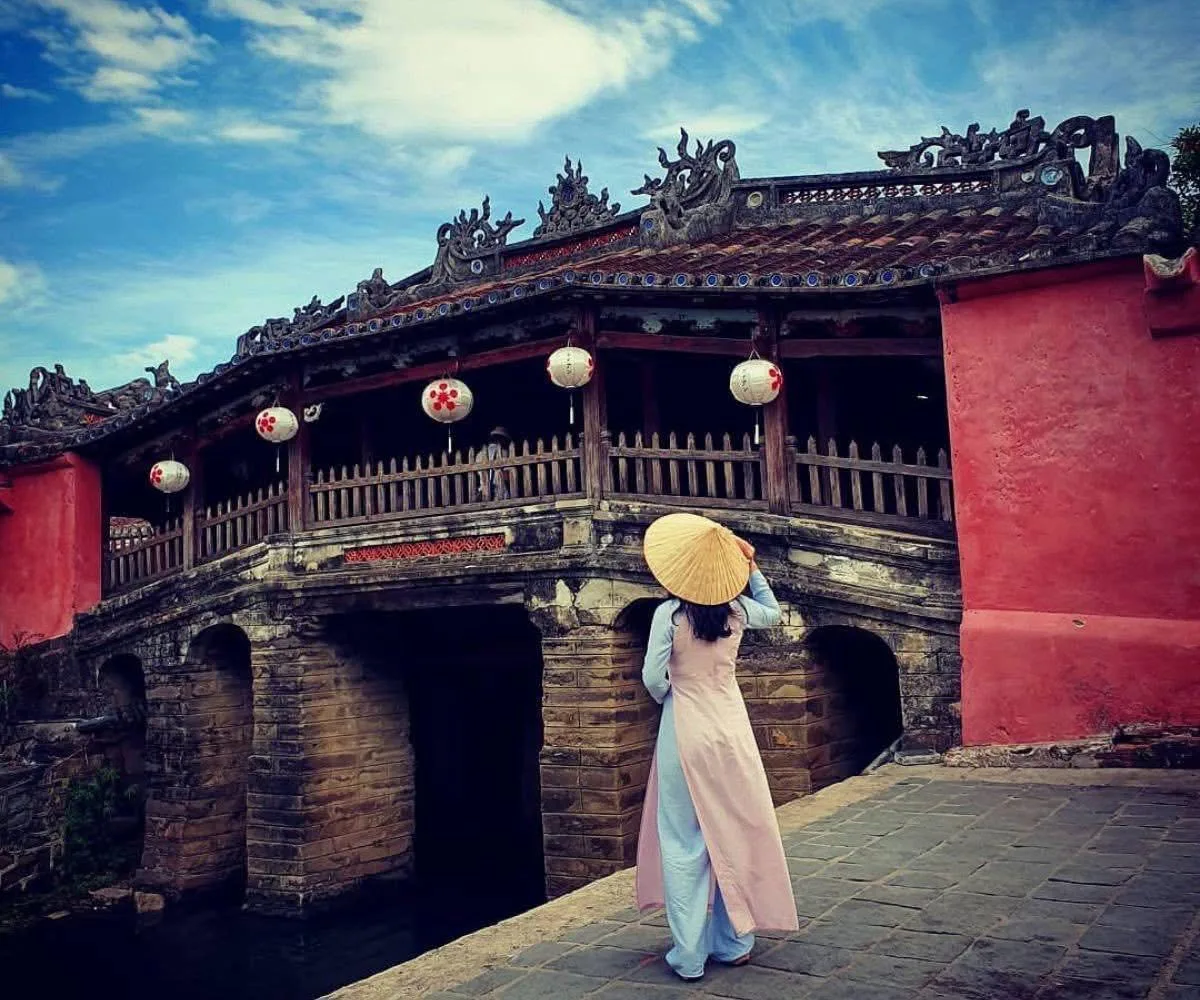
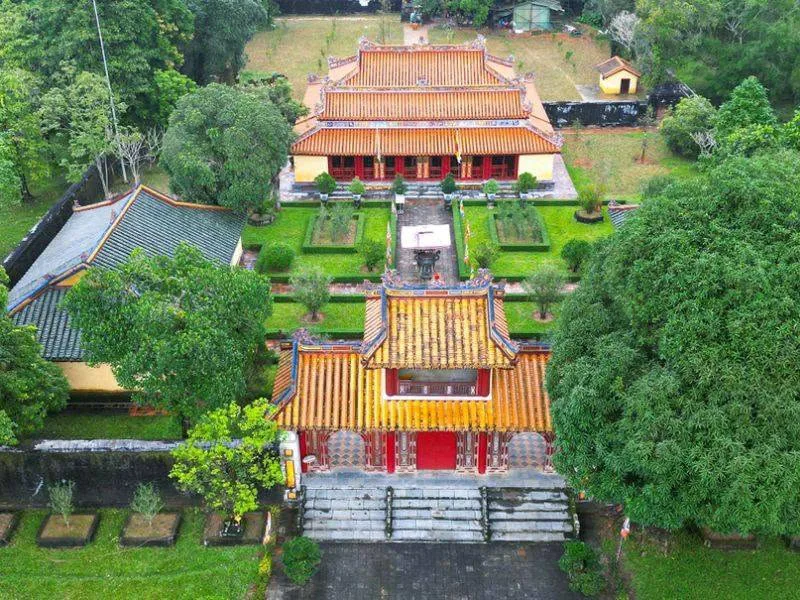
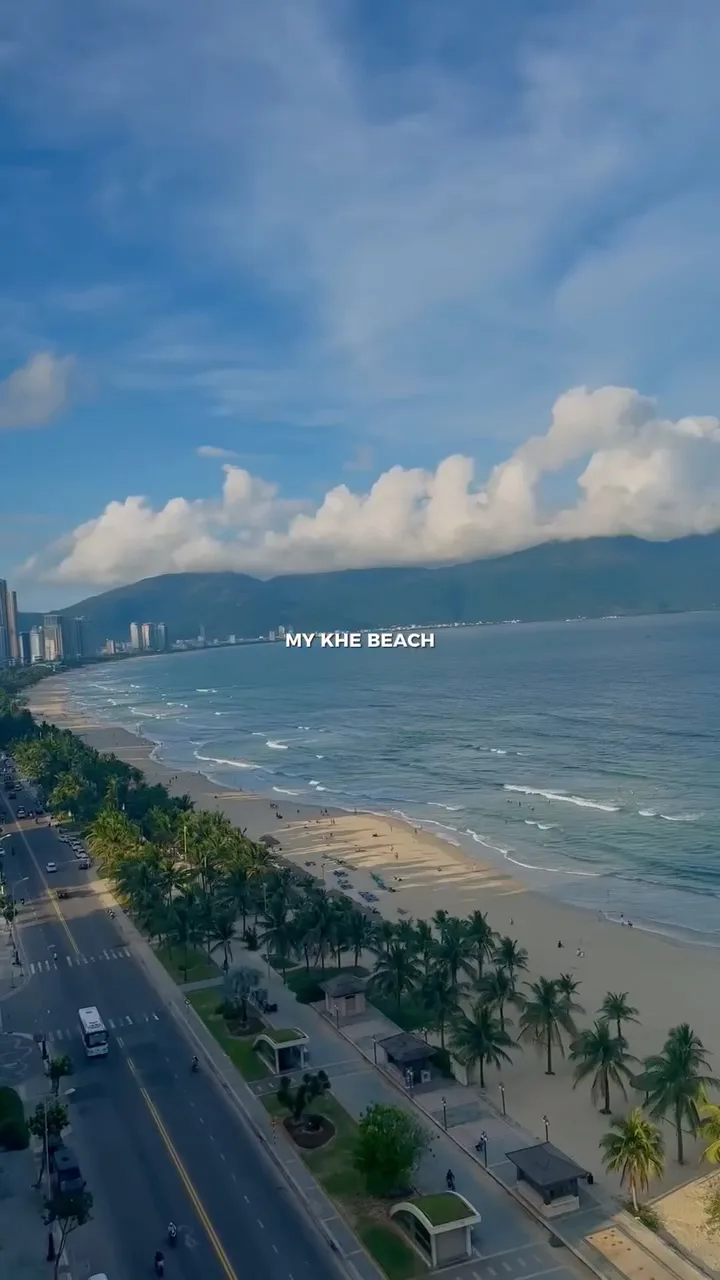
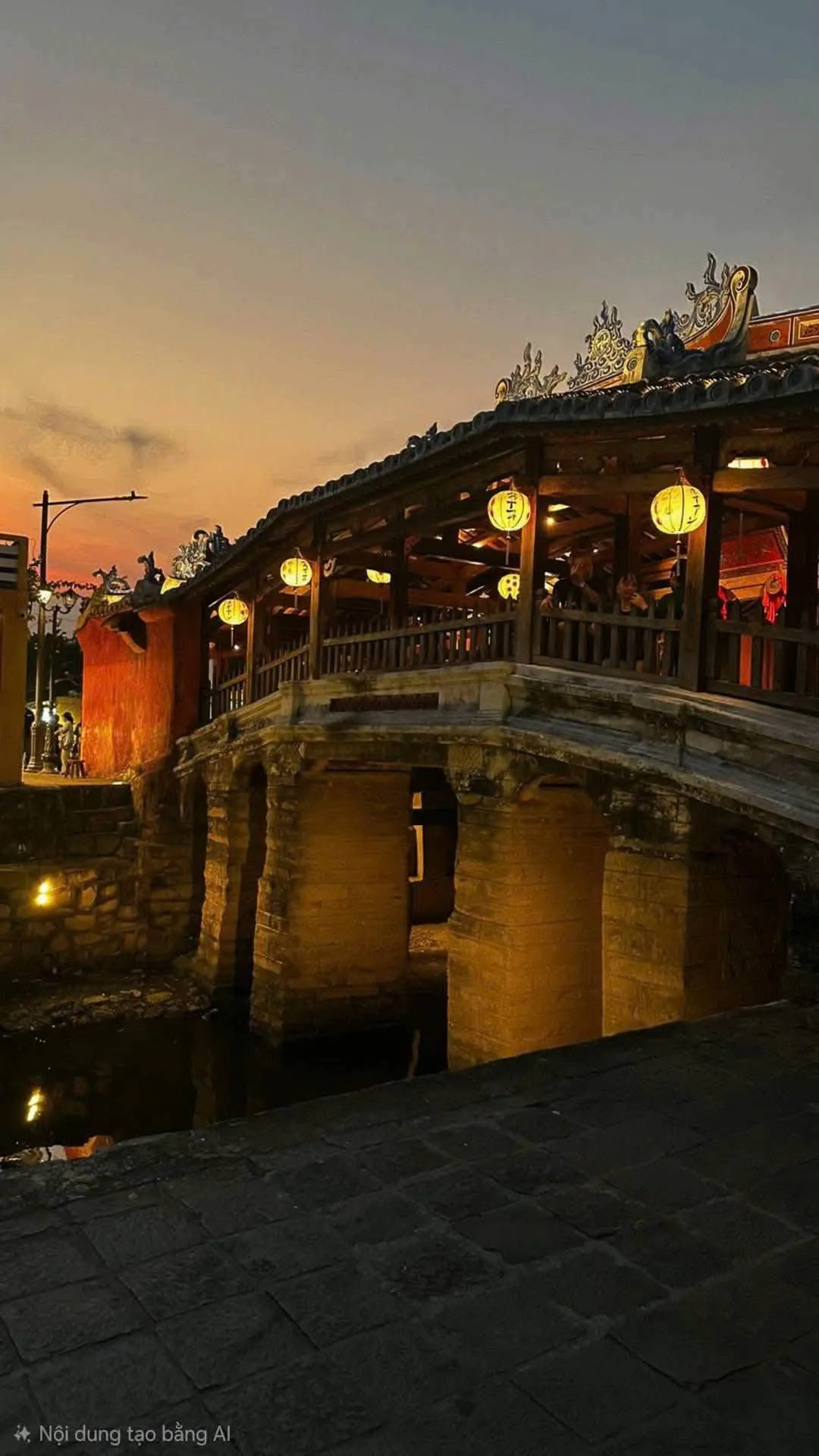
Hue is essential for imperial history, royal tombs and refined central cuisine. Hoi An offers preserved merchant architecture, nearby beaches and easy countryside cycling. Da Nang adds excellent transport links, modern dining and a long urban beach. Farther south, Phong Nha is a leading base for caves and outdoor adventures.
Ho Chi Minh City and the South
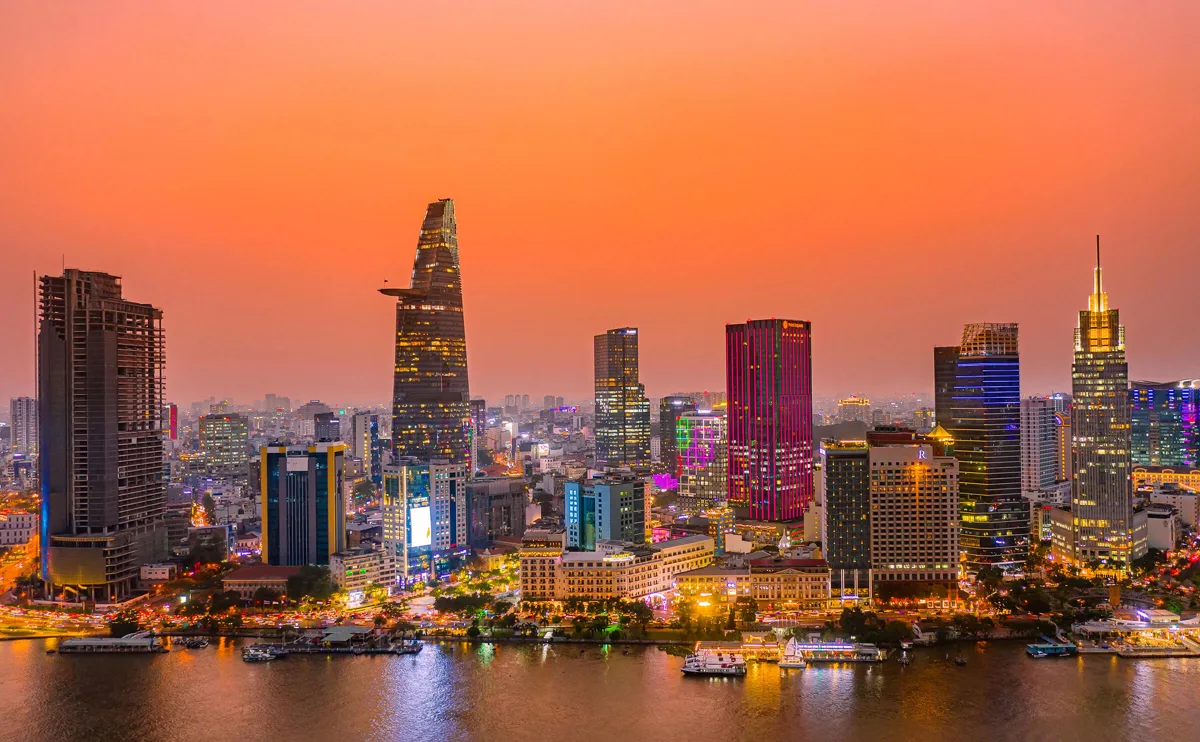
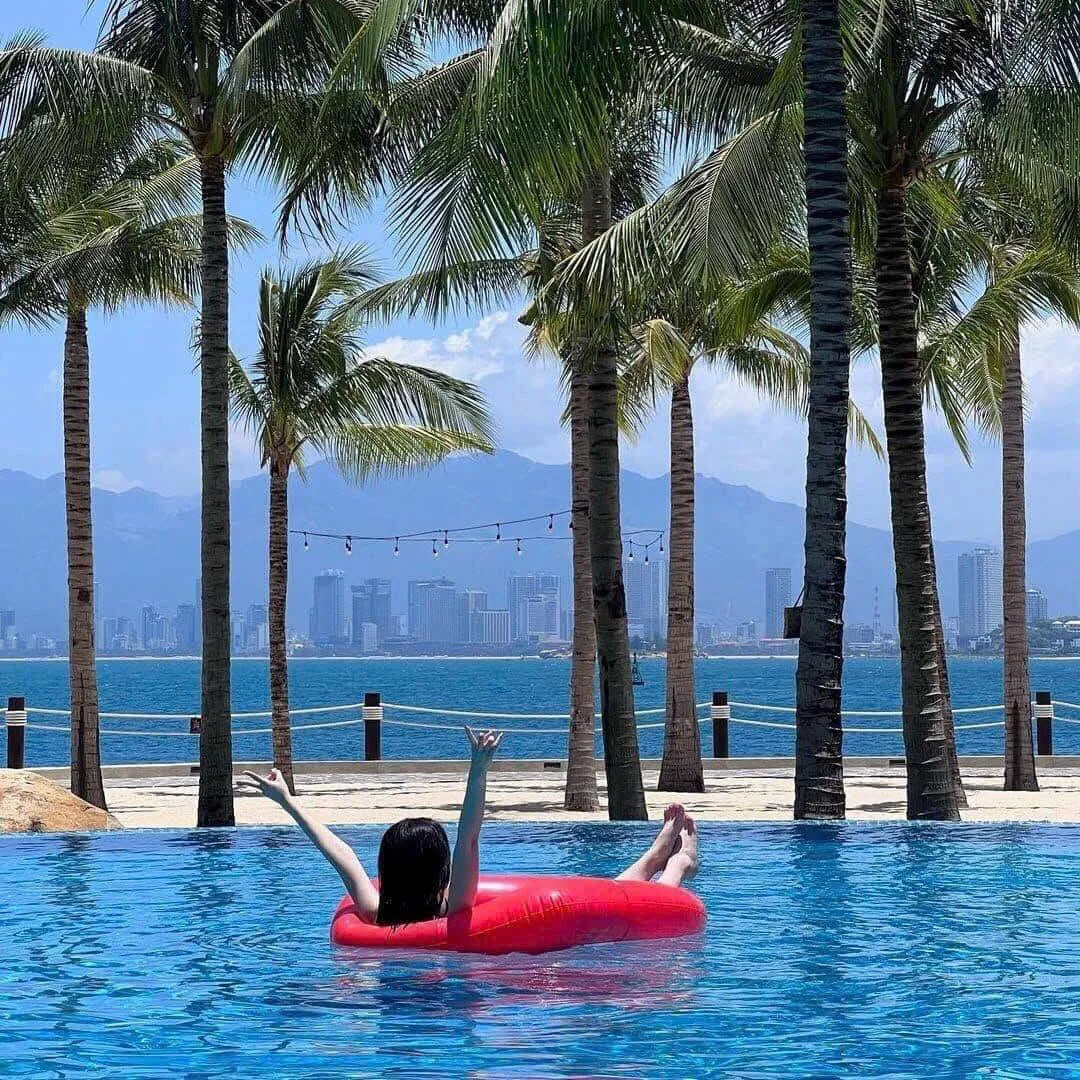
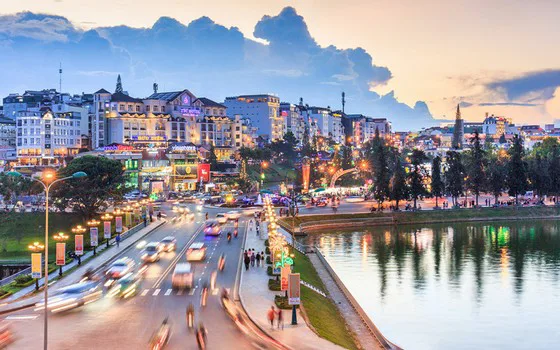
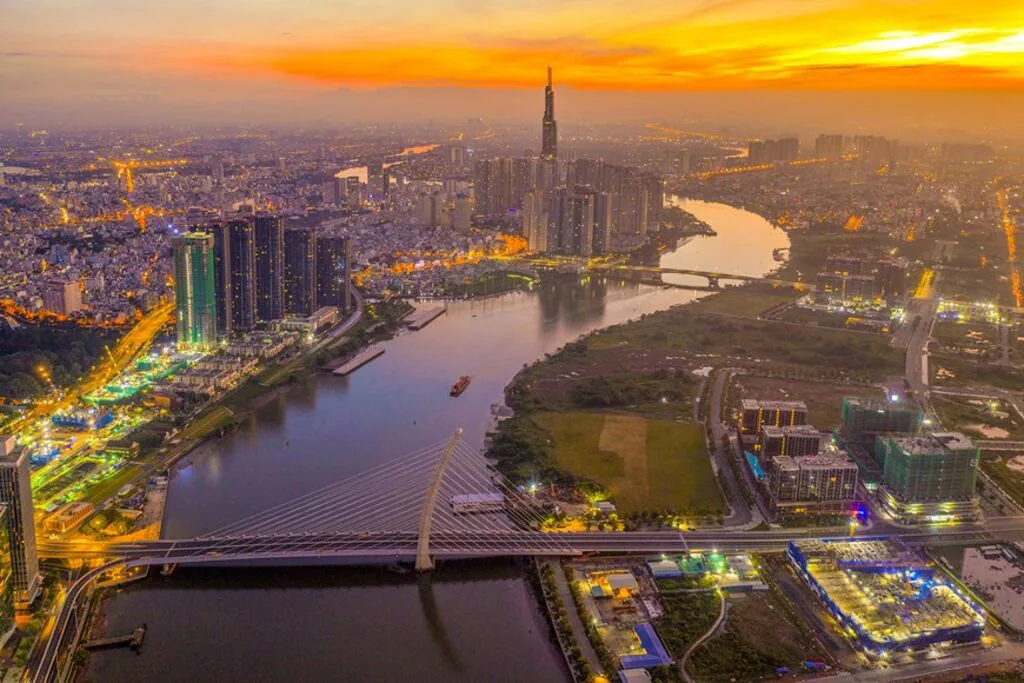
Ho Chi Minh City is fast-moving, entrepreneurial and rich in modern history. Pair it with the Cu Chi area, the waterways and orchards of the Mekong Delta, or coastal time in Phu Quoc, Con Dao, Mui Ne or Nha Trang. The Central Highlands around Da Lat and Buon Ma Thuot provide cooler air, waterfalls and coffee landscapes.
Suggested Vietnam Itineraries
7 days: Focus on one region
- North: Hanoi, Ninh Binh and an overnight bay cruise.
- Central: Hue, Da Nang, Hoi An and countryside or beach time.
- South: Ho Chi Minh City, Cu Chi, Mekong Delta and one relaxed final day.
14 days: Classic Vietnam
- Hanoi for two nights.
- Ninh Binh for two nights.
- Ha Long or Lan Ha Bay overnight.
- Fly to Hue, then travel over the Hai Van Pass.
- Spend three nights around Hoi An and Da Nang.
- Fly to Ho Chi Minh City for two nights.
- Finish with two nights in the Mekong Delta or on a southern island.
21 days: Vietnam in depth
Add a northern mountain loop, Phong Nha, extra beach days, Da Lat or a two-to-three-night Mekong journey. Keep at least one flexible day before an international flight when traveling during storm season.
Entry Requirements and Visas
Entry rules depend on nationality, passport type, purpose and length of stay. Many travelers use visa exemption arrangements or Vietnam’s electronic visa system. As of the guide’s July 2026 review, the official Vietnam e-visa can be issued for up to 90 days with single or multiple entry, subject to eligibility and approval.
Use only the official Vietnam Immigration portal, check that your name and passport number match exactly, and confirm that your intended entry checkpoint accepts your document. Carry a printed or offline copy. Requirements can change, so verify them again before paying for non-refundable travel. A passport with at least six months’ validity beyond arrival is a sensible planning baseline.
Getting Around Vietnam
- Flights: best for Hanoi–central Vietnam–Ho Chi Minh City sectors when time is limited.
- Trains: comfortable for selected overnight routes and scenic coastal sections; book a soft sleeper for longer journeys.
- Private cars: efficient for regional touring, families and routes with several stops.
- Buses and limousines: widely available between tourism centers; choose reputable operators and confirm pickup points.
- Urban travel: metered taxis and app-based cars are convenient. Cross roads steadily and predictably; do not make sudden movements.
Foreign visitors should not rent or ride a motorbike unless appropriately licensed, insured, experienced and equipped with a quality helmet. Insurance exclusions for unlicensed riding are common.
Budget, Money and Connectivity
Vietnam offers strong value, but costs vary sharply between local family businesses and international-standard hotels. A careful independent traveler can keep daily costs modest, while private guides, premium cruises and luxury resorts raise the budget considerably. Build your estimate around accommodation quality, internal flights, guided experiences and whether quoted prices include service charges.
- Carry smaller VND notes for markets, taxis and rural stops.
- Use ATMs attached to established banks and check withdrawal limits and fees.
- Cards are common in hotels and larger restaurants, but cash remains important.
- Buy a local SIM/eSIM from a recognized provider and keep offline maps available.
Vietnamese Food and Drink
Regional eating is one of the main reasons to travel through Vietnam. In the north, try pho, bun cha, cha ca and delicate rice-roll dishes. Central Vietnam is known for bun bo Hue, cao lau, mi Quang and small royal-influenced specialties. Southern cooking often uses more herbs, sweetness and tropical produce; look for broken rice, banh xeo, fresh seafood and Mekong fruit.
Choose busy vendors with high turnover, drink sealed or properly filtered water, and tell guides clearly about allergies. Vegetarians should explain whether fish sauce, shrimp paste and meat stock are acceptable. Coffee culture ranges from strong drip coffee with condensed milk to egg coffee and contemporary specialty cafés.
Culture and Responsible Etiquette
- Dress modestly at temples, pagodas, memorials and rural communities.
- Remove shoes when requested and avoid pointing your feet toward altars.
- Ask permission before photographing people, ceremonies or private homes.
- Keep public disagreements calm; patience and respectful language achieve more than confrontation.
- Do not buy wildlife products or encourage attractions that exploit animals.
- Use refillable water bottles where safe, reduce single-use plastic and support locally owned businesses.
Health and Safety
Vietnam is generally approachable for travelers, but normal precautions matter. Watch phones and bags in busy streets, use hotel safes for passports, confirm taxi identity, and avoid isolated areas late at night. Traffic is the most visible everyday risk. Travel insurance should cover medical care, evacuation, trip disruption and every activity you intend to do.
Consult a travel-health professional before departure, especially for remote, rural or long trips. Protect against mosquitoes with repellent and suitable clothing, stay hydrated in humid weather, use sun protection and avoid petting dogs or monkeys. Save your insurer’s emergency number and keep a copy of prescriptions.
What to Pack
- Light, breathable layers plus a modest outfit for sacred sites.
- A compact rain jacket and quick-drying footwear.
- A warm layer for northern mountains, winter visits and air-conditioned transport.
- Sun protection, mosquito repellent and a small personal medicine kit.
- Universal adapter, power bank and waterproof document pouch.
- Copies of passport, visa, insurance and key bookings stored offline.
Vietnam Travel FAQ
How many days do I need?
Allow at least 10–14 days for a classic multi-region journey. With only one week, choose north, center or south rather than spending the trip in transit.
Is Vietnam suitable for families?
Yes. Private transfers, family rooms, gentle food options and hands-on activities make planning straightforward. Slow the pace, build in pool time and check child-seat availability in advance.
Should I travel north to south or south to north?
Either works. Decide based on international flights, seasonal weather and the kind of ending you prefer—energetic city, cultural town or beach.
Do I need a guide?
Not everywhere, but a skilled local guide adds significant value at historical sites, markets, ethnic-minority regions and complex transport connections.