For travelers with only three days to spend in Vietnam, a focused itinerary is essential to experience the country’s diverse offerings. Rather than attempting to traverse multiple distant regions, concentrating on a single area—North, Central, or South—allows for a more comprehensive and enjoyable visit. These carefully structured 3-day plans highlight significant cultural landmarks, culinary specialties, and natural landscapes, ensuring a rewarding short stay.
Planning a Short Trip to Vietnam
Given the travel distances between major cities, a 3-day, 2-night trip to Vietnam is most effectively spent exploring one primary region. This approach minimizes transit time and maximizes opportunities for engagement with local traditions and sights. Each of Vietnam's three main geographical areas offers distinct attractions, from historical capitals and limestone formations to ancient towns and dynamic urban centers.
Understanding the unique character of each region can help in selecting the ideal itinerary. Northern Vietnam, home to the capital, provides a deep dive into history and natural wonders. The central region combines imperial heritage with coastal charm, while the south offers a blend of modern city life and the tranquil Mekong Delta. Focusing on one of these areas ensures a richer, less hurried experience.
Northern Vietnam: 3-Day Itinerary Options
Northern Vietnam features historical cities, dramatic natural scenery, and cultural villages. Travelers can choose to concentrate on a single destination or combine two or three for a varied experience.
Option 1: Exploring Hanoi's Core
Days one and two in Hanoi allow visitors to delve into the city's extensive cultural and historical legacy. Significant sites such as the Ho Chi Minh Mausoleum, the Temple of Literature, and the One Pillar Pagoda offer insights into Vietnam's past, from ancient educational practices to modern leadership. A morning often begins with a bowl of Pho, a local favorite, followed by Bun Cha Hang Manh for lunch, known for its grilled pork and noodles. Evenings can include street food tours to sample local delicacies or a traditional Water Puppet Show, which presents Vietnamese folklore through unique performances. For those interested in managing their finances during their stay, information on banking services in Hanoi is readily available.
The third day extends to the outskirts of Hanoi. A visit to Bat Trang Village, renowned for its pottery, allows guests to observe artisans and even try crafting their own ceramics. The journey continues to But Thap Pagoda, an ancient temple celebrated for its intricate carvings and serene atmosphere, offering a glimpse into Vietnam’s religious history. The final stop is Dong Ho Village, famous for traditional woodcut paintings, where visitors can learn about this art form before returning to Hanoi.
- Hanoi Street Food Walking Tour: 3 hours, explores Old Quarter cuisine.
- Hanoi Half-Day City by Motorbike: 4 hours, visits landmarks and includes food.
- Hanoi Half-Day City Tour - Small Group: 1 day, covers Ho Chi Minh Mausoleum and Temple of Literature.
- Best of Hanoi City Full Day - Private Tour: 1 day, includes ancient temples and museums.
- Hanoi City And Countryside Vespa Tour: 1 day, discovers urban and rural attractions.
Option 2: Halong Bay Exploration
An overnight cruise is highly recommended for experiencing Halong Bay. The region encompasses three distinct areas: the iconic Halong Bay, the peaceful Bai Tu Long Bay, and the calm Lan Ha Bay, each presenting unique vistas. Modern cruise ships provide comfortable accommodations, allowing ample time to appreciate the bay's towering limestone islands and captivating caves. Even a shorter 2-day, 1-night cruise can cover the main highlights. For those interested in coastal relaxation, discovering Halong Bay's best beaches can enhance the experience.
Popular attractions include Viet Hai Village, Ba Trai Dao, Ao Ech, and Trung Trang Cave in Halong Bay proper. Lan Ha Bay features Titop Island, Luon Cave, Cua Van Village, Tien Ong Cave, and Sung Sot Cave. Bai Tu Long Bay offers Vung Vieng Village, Cong Do Area, Cong Dam Area, and Thien Canh Son Cave. After sightseeing in Hanoi, many travelers choose to spend a couple of days at sea, enjoying activities like kayaking, cave exploration, and sunset views from the deck.
Option 3: Ninh Binh's Natural Wonders
A trip to Ninh Binh typically begins with a drive from Hanoi. The first day involves cycling through Ninh Hai village, observing daily life amidst rice paddies, followed by a boat ride through Tam Coc’s limestone formations and green fields. Dinner at a local restaurant offers regional dishes like mountain goat and crispy rice.
Day two includes a visit to Bai Dinh Pagoda, a large complex known for its architecture, and Hoa Lu, Vietnam's ancient capital, where historical temples can be explored. In the afternoon, a hike to Mua Cave provides extensive views of Ninh Binh’s landscape. The third day is dedicated to Cuc Phuong National Park, Vietnam’s oldest park, with morning hikes through ancient forests to observe diverse wildlife. An afternoon stop at the Endangered Primate Rescue Center allows visitors to learn about conservation efforts. Dinner at a local restaurant concludes the day.
- Explore Rural Ninh Binh in 2 Days from Hanoi: Visits Bai Dinh Pagoda and Mua Cave.
- Amazing Ninh Binh - Truly Countryside Explorer from Hanoi 2 Days: Features Mua Cave, Thung Nham Bird Park, and a sampan boat ride.
- Hoa Lu - Tam Coc - Cuc Phuong National Park 2 Days: Combines ancient capital, limestone karsts, and wildlife.
Option 4: Hanoi, Halong Bay, and Ninh Binh
This itinerary allows travelers to experience three northern destinations in three days. Day one focuses on Hanoi's cultural and historical sites. Day two involves a transfer to Halong Bay for a 2-day, 1-night cruise, offering views and activities. On day three, travelers move from Hanoi to Ninh Binh for a day tour of its main attractions, optimizing sightseeing time through efficient transport and tour options.
Central Vietnam: 3-Day Itinerary Options
Central Vietnam provides a combination of historical sites, coastal cities, and ancient towns, offering a balance of cultural immersion and relaxation.
Option 1: Da Nang, Hoi An, and Hue
Day one in Da Nang begins with relaxation at My Khe Beach, followed by an exploration of the Marble Mountains, known for their spiritual caves. Evening dining introduces local cuisine, and a walk along the Dragon Bridge offers views of the city lights. For visitors needing to manage their money, banking services in Da Nang are widely available.
Day two moves to Hoi An, a UNESCO World Heritage Site with charming streets and historical architecture. Visitors often start at the Japanese Covered Bridge. An afternoon at Tra Que Vegetable Village offers an opportunity to engage in traditional farming practices. Dinner by the Thu Bon River, illuminated by lanterns, creates a memorable atmosphere. For those looking to purchase unique purchases and souvenirs, Hoi An offers many options.
The final day proceeds to Hue, the former imperial capital. A morning visit to Thien Mu Pagoda and the Imperial Citadel provides a deep dive into the Nguyen Dynasty's history. After midday, the Tu Duc and Khai Dinh Tombs showcase elaborate designs and stories of past kings. The day concludes with dinner at a local restaurant specializing in Hue's royal cuisine. Information on banking services in Hue City is useful for travelers.
Option 2: Quang Binh, Hue, and Da Nang
Day one in Quang Binh focuses on its remarkable caves. The morning begins at Phong Nha Cave, known for its stalactites and stalagmites. The afternoon continues to Paradise Cave, Asia's longest dry cave, featuring massive rock formations. Evening includes a meal of local specialties and an overnight stay in Dong Hoi.
Day two involves a trek through Bach Ma National Park, exploring forests and waterfalls. After lunch, travelers visit Lang Co Beach for relaxation. Evening activities include sampling local dishes at Dong Ba Market and a walk across the illuminated Trang Tien Bridge. Day three starts with a cooking class at Thuy Bieu Eco-village, learning traditional Hue dishes. The afternoon features a drive along the Hai Van Pass, offering views of mountains and sea. The itinerary concludes with entertainment at Asia Park in Da Nang.
Southern Vietnam: 3-Day Itinerary Options
Southern Vietnam combines the dynamic energy of its largest city with the serene waterways and cultural experiences of the Mekong Delta.
Option 1: Ho Chi Minh City, Cu Chi, and My Tho
Day one in Ho Chi Minh City begins at the Independence Palace, exploring Vietnam's wartime history. The War Remnants Museum offers insights into the conflict's impact, while Notre Dame Cathedral and the Saigon Central Post Office represent the city’s French colonial past. Evenings at Ben Thanh Market provide opportunities to explore local goods and enjoy street food like Banh Mi or Pho. For visitors requiring financial services, banking services in Ho Chi Minh City are readily available.
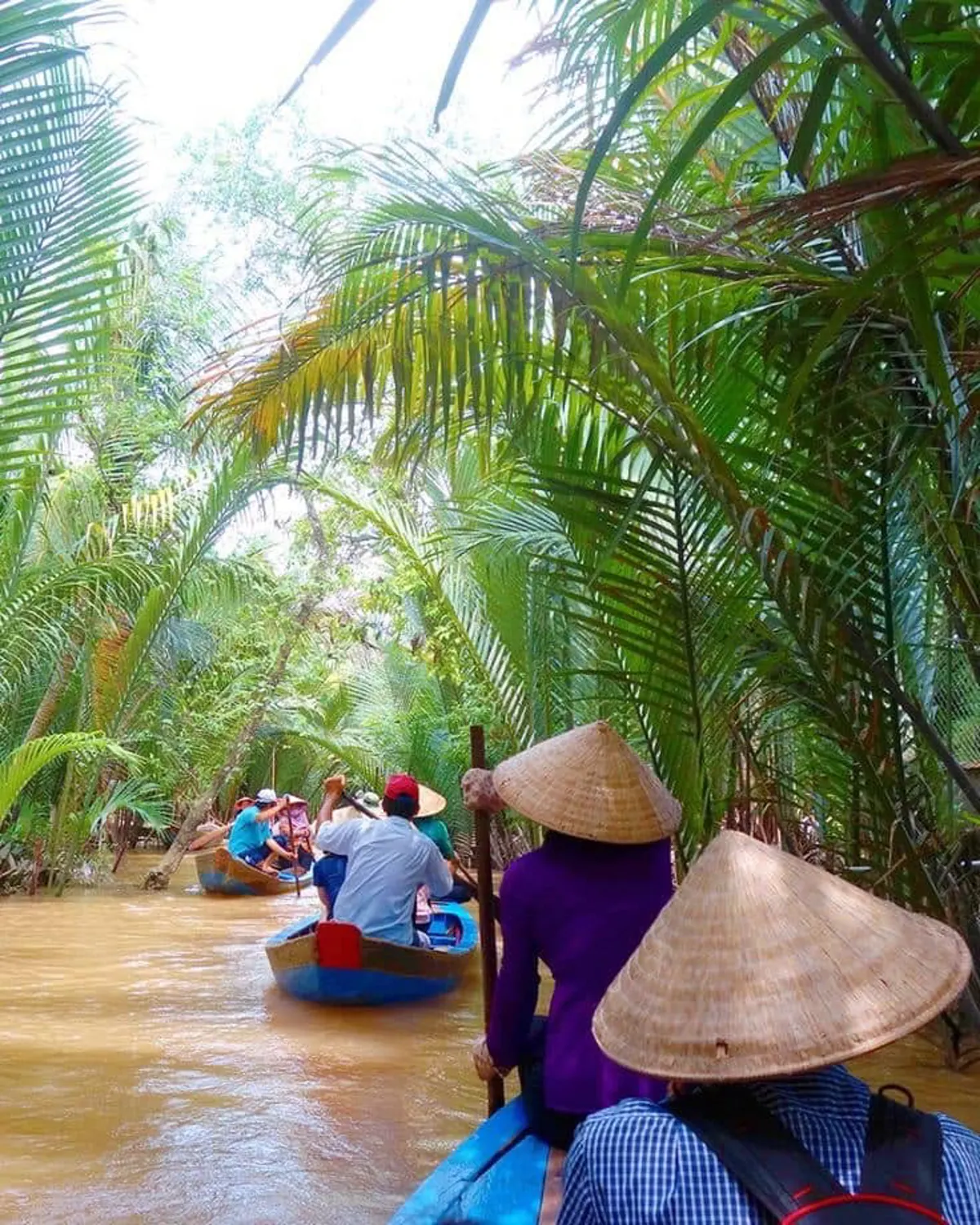
Day two involves a visit to the Cu Chi Tunnels, an underground network used during the Vietnam War, with guides explaining their historical significance. In the afternoon, the Jade Emperor Pagoda offers intricate carvings and a peaceful ambiance, followed by a relaxing stroll through Tao Dan Park. The day ends with authentic southern Vietnamese cuisine at a local restaurant. Day three is a trip to My Tho, where a boat tour along the Tien River explores islets like Long, Lan, Quy, and Phung, providing a glimpse into Mekong Delta life. Afternoon activities include visiting traditional craft villages and sampling fresh fruits and honey. Travelers return to Ho Chi Minh City for dinner.
Option 2: My Tho, Can Tho, and Chau Doc
Day one starts with a boat tour in My Tho along the Tien River, observing lush landscapes and local life. Afternoon activities include visiting traditional craft villages to watch mat weaving. Travelers then return to Can Tho for dinner. For those needing financial services, Can Tho City banking guide offers useful information.
Day two in Can Tho begins with a visit to the Cai Rang Floating Market, observing vendors selling produce from boats. In the afternoon, Binh Thuy Ancient House showcases a blend of colonial and southern Vietnamese architecture. The evening is spent enjoying local specialties at a floating restaurant on the Hau River, followed by a walk along Ninh Kieu Wharf. Day three proceeds to Chau Doc, where visitors explore the Ba Chua Xu Temple at Sam Mountain, a significant spiritual site. The afternoon features a trip to the Tra Su Cajuput Forest, gliding through canals to observe the mangrove ecosystem. The journey concludes with a return to Can Tho or Ho Chi Minh City.
Estimated Costs for a 3-Day Vietnam Trip
Planning a 3-day trip to Vietnam involves considering various expenses. The following estimates provide a general guide for individual travelers, excluding international airfare. Prices are subject to change based on seasonality and specific choices.
| Category | Budget-Friendly Estimate (USD) | Comfortable Trip Estimate (USD) |
|---|---|---|
| Accommodation (3 nights) | $90 - $150 ($30-$50/night) | Up to $200+ (for higher-end options) |
| Meals (3 days) | $40 - $90 ($2-$5 breakfast, $7-$15 lunch/dinner) | $90 - $150+ |
| Local Transportation (3 days) | $30 - $60 ($10-$20/day) | $60 - $100+ |
| Sightseeing Fees (3 days) | $20 - $50 ($5-$30/site) | $50 - $100+ |
| Miscellaneous & Shopping | $20 - $50 | $50 - $100+ |
| Total Estimated Cost (per person) | $250 - $300 | $350 - $450+ |
These figures offer a baseline for budgeting, allowing flexibility for individual preferences regarding accommodation quality and activity choices. Travelers opting for more luxurious hotels or extensive entertainment should anticipate higher overall costs.
Frequently Asked Questions
What is the best way to travel between cities for a short trip?
For a 3-day trip, focusing on one region (North, Central, or South) is recommended to minimize travel time. Within a region, domestic flights, trains, or private car services are efficient options depending on the distance and specific itinerary. For example, a day trip from Hanoi to Ninh Binh is feasible by car or bus.
Can I visit both Halong Bay and Hanoi in 3 days?
Yes, it is possible to combine Hanoi and Halong Bay within a 3-day itinerary. A common approach involves spending one day exploring Hanoi's highlights and then dedicating two days and one night to a Halong Bay cruise. This provides a balance of city exploration and natural scenery.
What are some popular local dishes to try in Vietnam?
Vietnamese cuisine is diverse and flavorful. In the North, try Pho and Bun Cha. Central Vietnam offers specialties like Bun Bo Hue and Cao Lau. In the South, Hu Tieu and Com Tam are popular choices. Each region has unique culinary traditions worth experiencing.
Is it necessary to book tours in advance for a 3-day trip?
While spontaneous travel is possible, booking key tours and accommodations in advance is advisable for a short 3-day trip, especially during peak seasons. This helps secure preferred options and ensures efficient use of limited time, preventing potential delays or fully booked experiences.
What is the typical budget for a 3-day trip to Vietnam?
A budget-friendly 3-day trip to Vietnam, excluding international flights, might range from US $250 to US $300 per person. For a more comfortable experience with higher-end accommodations and activities, costs could be between US $350 and US $450 per person. These estimates cover lodging, meals, local transport, and sightseeing fees.