
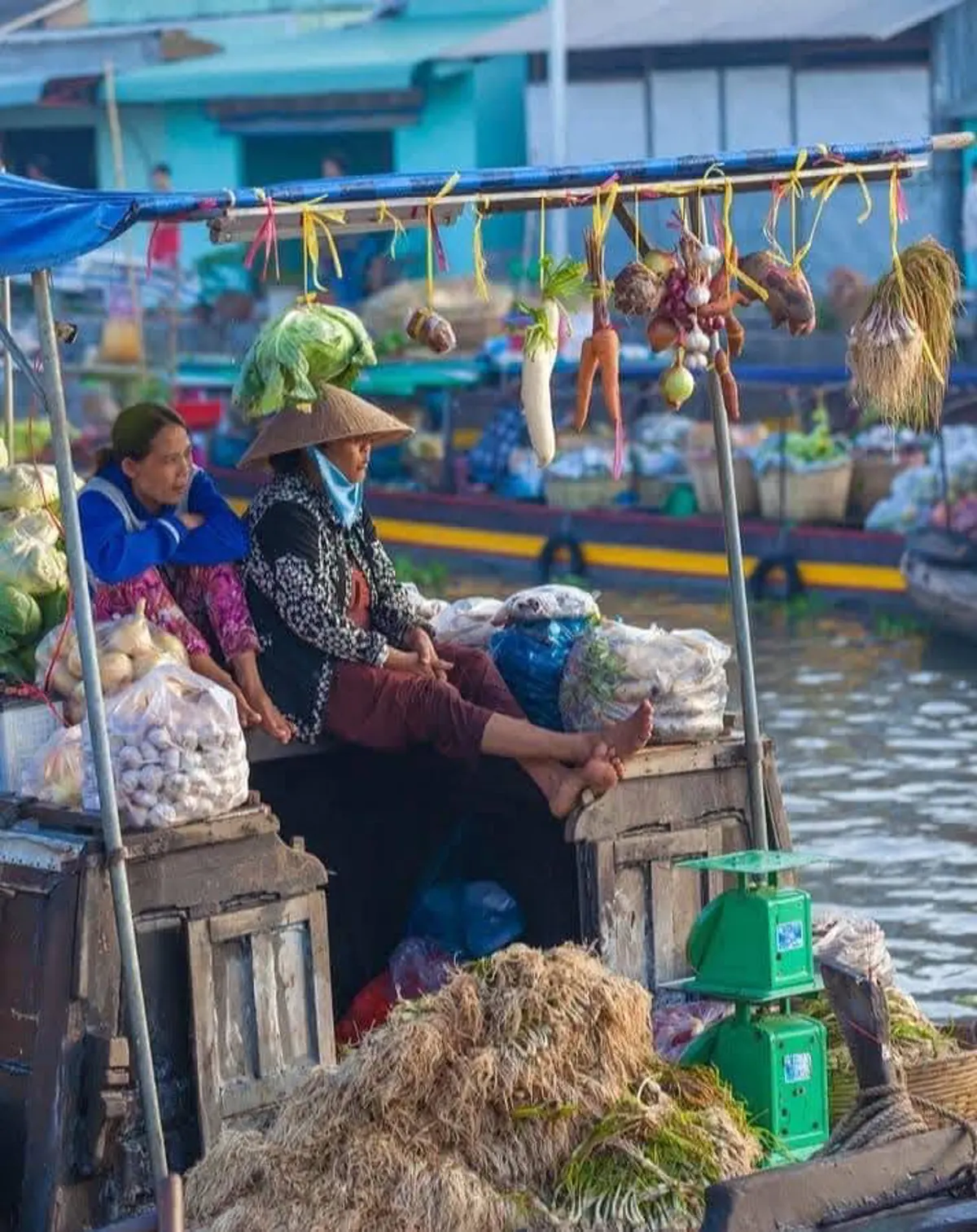
Staying in a homestay in Vietnam's Mekong Delta offers a unique opportunity to connect with local culture and daily life. This region, known for its intricate waterways and verdant landscapes, provides a different pace of travel compared to urban centers. Opting for a homestay allows guests to experience genuine hospitality and often participate in activities that reveal the area's traditions and natural beauty.
These accommodations range from rustic, family-run establishments to more developed eco-lodges, each providing a distinct atmosphere. Many are situated amidst fruit orchards, along canals, or near rice paddies, offering tranquil settings away from city noise. Guests typically find comfortable, though sometimes simple, facilities designed to blend with the natural environment.
Understanding Mekong Delta Homestay Experiences
Mekong Delta homestays are more than just a place to sleep; they are gateways to local customs and community interactions. Many properties emphasize sustainable practices and offer guests a chance to engage directly with their surroundings. This often includes opportunities to try regional cuisine, learn about traditional crafts, or explore the area by bicycle or boat.
The appeal of a homestay lies in its ability to provide a personal touch. Hosts frequently share insights into local life, offer home-cooked meals, and facilitate activities that might be less accessible through conventional hotels. This style of accommodation suits travelers seeking cultural exchange and a deeper understanding of the Mekong Delta's unique character.
Featured Homestays Across the Mekong Delta
The Mekong Delta offers a diverse selection of homestays, each with its own character and amenities. Here is a compilation of notable options, highlighting their locations and key features to help you select an ideal base for your exploration.
- Nguyen Shack Can Tho Homestay: Located approximately 6 kilometers from Can Tho city center, this family-operated establishment provides a welcoming environment. Its bungalows are positioned at the confluence of two small rivers, near the Cai Rang floating market, making boat excursions convenient. Accommodations are constructed from natural elements like bamboo and leaves, featuring Wi-Fi, fans, solar-powered hot water, and minibars.
- Maison en Bambou Phong – Le Vent: Situated in Tan Khanh Dong Commune, about 2.9 kilometers from Sa Dec city center, this homestay is close to the historic Huynh Thuy Le Ancient House. It is recognized for its garden settings and tranquil ambiance. Rooms include kitchenettes, mosquito nets, and seating areas. Guests receive a complimentary Asian breakfast, free Wi-Fi, and access to bicycles for exploring.
- Flower & Frog Homestay: Found in Tan Quy Dong Village, within Sa Dec's traditional flower cultivation area, this homestay offers bicycle rentals for guests to visit the town or flower markets. The hosts prepare local dinner specialties and provide a light breakfast.
- Cocoland Homestay: This property is a 10-minute drive from the Rach Gam History monument. It features modern amenities such as a sundeck, a cafe, and an outdoor swimming pool. Complimentary Wi-Fi and bicycle rentals are available. Parking is provided, and a garden supplies fresh produce. Room options include triple, double, twin, and family configurations, equipped with air conditioning, hairdryers, desks, toiletries, electric kettles, terraces, and dining tables.
- Jardin du Mekong Homestay: Located in Ben Tre Province, this eco-friendly option offers fan-cooled rooms with thatched roofs and terraces, designed to evoke rural tranquility. It provides a 24-hour reception and free Wi-Fi. Guests can enjoy cycling, fishing, and traditional Mekong Delta cuisine at the on-site restaurant. Additional services like airport shuttles, ironing, and laundry are available for a fee.
- Nam Thi Holiday Home: Situated by a river in Cai Be town, Tien Giang Province, this homestay offers a quiet and airy setting with sophisticated, cozy decor. It features three separate bungalows, a small restaurant by a coconut garden, and river views. Each room includes outdoor seating for relaxation. The property's green garden contributes to a fresh atmosphere. Nearby attractions include Cai Be Floating Market and ancient houses.
- Happy Farm Tien Giang Homestay: Found in Chau Thanh District, Tien Giang Province, this traditional homestay is set amidst rice fields and fruit gardens. It offers activities such as horseback riding and opportunities to visit local hamlets or relax by the Mekong River. Accommodation includes private double, twin, and family rooms, all with recently renovated private bathrooms; some rooms overlook rice fields or the river.
- Mekong Rustic Can Tho: Surrounded by Vam Xang orchards and located along the Mekong River in Can Tho province, this property is about 9 kilometers from Cai Rang floating market. It emphasizes sustainable tourism with 12 individual bungalows built from natural materials, creating a peaceful atmosphere within tropical fruit gardens. Amenities include an on-site restaurant, free Wi-Fi, and a 24-hour front desk. Some bungalows offer sitting areas or views of the pool or lake. Guests can visit local workshops for silk, rice paper, or mat making, and experience local transport.
- Green Village: This homestay features bamboo walls, tiled floors, and thatched roofs, providing a comfortable stay in simple brown bamboo huts surrounded by green foliage. Rooms offer mattresses, fans, private bathrooms, hairdryers, complimentary amenities, fresh linen, and free Wi-Fi. Bicycle rentals are complimentary, and there is a minibar and a restaurant serving Vietnamese cuisine.
- Hometravel Mekong Can Tho: Conveniently located in Can Tho, this property serves as a good base for exploring the Mekong Delta's waterways. It offers various on-site amenities and 56 rooms designed for comfort and tranquility. The property also provides recreational facilities.
- Cocohut Homestay: Located in Son Hoa commune, Ben Tre province, approximately a two-hour drive, this homestay operates only on weekends (Friday to Sunday). It is situated within a coconut forest and is considered suitable for families with children aged 6-12. The campus features an open-space design, with accommodations primarily made of bamboo and wood, providing a cool and clean environment.
- Green Garden Homestay: Situated at No.229, Binh Thuy District, Can Tho City, this homestay is within 10 minutes of Cai Rang Floating Market, Can Tho Museum, and Ninh Kieu Pier, about 4 kilometers from the city center. It offers a barbershop, facial area, and free private parking. A dedicated smoking area and a beauty store are also on-site. Guests can arrange for home-cooked meals at a reasonable cost. For financial services in Can Tho City, visitors will find several options available.
- Coco Riverside Lodge: This lodge features modest, inviting bungalows with thatched roofs and large terraced areas for relaxation or dining with river views. Interiors are designed to be cool and soothing with tiled floors and large patio doors. The homestay offers various programs based on stay duration, including learning to make palm leaf torches, meeting local farmers and fishermen, preparing traditional Vietnamese dishes, and discovering popped rice production. Activities also include bikes, boat rides, and rural walks, concluding with home-cooked meals.
- Tu Ca Linh Homestay: Located in Tam Nong District, Dong Thap Province, this homestay is a convenient stop for visiting Tram Chim National Park, which is 10-15 minutes away by car. The property spans 3000 square meters and offers various room types, including air-conditioned rooms and wooden houses situated on a lotus lake, particularly scenic during lotus season. Guests can enjoy Thap Muoi region specialties prepared by the owner, Ms. Tu, using garden ingredients and seasonal Western dishes. Cooking lessons are also available.
- Minh Viet Homestay: Positioned by a river in Can Tho, this homestay offers a quiet retreat. The owner can arrange private river trips. Rooms provide simple beds and mosquito netting, with garden views. An all-day dining establishment serves Vietnamese cuisine.
Comparing Mekong Delta Homestays
| Homestay Name | Location Highlights | Key Features & Amenities | Activities Offered |
|---|---|---|---|
| Nguyen Shack Can Tho | 6km from Can Tho city center, near Cai Rang Floating Market | Family-run, natural materials (bamboo/leaves), Wi-Fi, fan, solar hot water, minibar | Boat rides to floating market |
| Maison en Bambou Phong – Le Vent | 2.9km from Sa Dec city center, near Huynh Thuy Le Ancient House | Garden setting, quiet, kitchenettes, mosquito nets, seating, complimentary Asian breakfast, free Wi-Fi, free bikes | Cycling, fishing |
| Flower & Frog Homestay | Tan Quy Dong Village (Sa Dec flower village) | Bicycle rental, home-cooked dinner, complimentary light breakfast | Exploring flower market, countryside cycling |
| Cocoland Homestay | 10-min drive to Rach Gam History monument | Sundeck, cafe, outdoor pool, free Wi-Fi, free bikes, parking, garden, AC, hairdryer, desk, toiletries, kettle, terrace | Bicycle rental |
| Jardin du Mekong Homestay | Ben Tre Province | Eco-friendly, fan-cooled rooms, thatched roofs, terraces, 24-hr reception, free Wi-Fi, on-site restaurant | Cycling, fishing, traditional cuisine |
| Nam Thi Holiday Home | Cai Be town, Tien Giang Province, riverside | 3 separate bungalows, rustic decor, small restaurant, coconut garden, river views, outdoor seating | Visiting Cai Be Floating Market, ancient houses |
| Happy Farm Tien Giang Homestay | Chau Thanh District, Tien Giang Province, amidst rice fields/fruit gardens | Private double/twin/family rooms, renovated private bathrooms, some river/field views | Horseback riding, village visits, relaxing by Mekong River |
| Mekong Rustic Can Tho | Can Tho province, along Mekong River, 9km from Cai Rang Floating Market | Eco-property, 12 bungalows from natural materials, sustainable tourism focus, on-site restaurant, free Wi-Fi, 24-hr front desk, some pool/lake views | Silk, rice paper, mat making workshops, local rickshaw travel |
| Green Village | Typical Mekong Delta style | Bamboo walls, tiled floors, thatched roofs, comfy mattresses, fans, private bathrooms, hairdryer, free amenities, free Wi-Fi, minibar, house restaurant | Free bicycle rentals |
| Hometravel Mekong Can Tho | Can Tho | 56 rooms, various on-site amenities, recreational facilities | Exploring waterways |
| Cocohut Homestay | Son Hoa commune, Ben Tre province (weekend only) | Hidden in coconut forest, open-space design, bamboo/wood accommodations, clean | Suitable for families with children (6-12 yrs) |
| Green Garden Homestay | No.229, Binh Thuy District, Can Tho City | Near Cai Rang Floating Market, Can Tho Museum, Ninh Kieu Pier; barbershop, facial area, free private parking, beauty store, home-cooked meals available | Exploring Can Tho attractions |
| Coco Riverside Lodge | Riverside location | Modest bungalows, thatched roofs, terraced areas, tiled floors, large patio doors, programs based on stay length | Palm leaf torch making, meeting farmers/fishermen, cooking traditional cuisine, discovering popped rice, bikes, boat rides, rural walks |
| Tu Ca Linh Homestay | Tam Nong District, Dong Thap Province | 3000 sqm campus, regular/AC rooms, wooden houses on lotus lake, near Tram Chim National Park (10-15 min drive) | Enjoying Thap Muoi specialties, cooking lessons |
| Minh Viet Homestay | Can Tho, riverside | Quiet retreat, simple beds, mosquito netting, garden views, all-day Vietnamese restaurant | Private river trips (upon request) |
Activities and Experiences at Mekong Delta Homestays
Staying at a Mekong Delta homestay often includes more than just accommodation; it's an invitation to engage with the local environment and culture. Many properties offer a range of activities designed to provide guests with authentic regional experiences.
Common activities include bicycle tours through rural villages and fruit orchards, boat trips along the canals and rivers, and visits to local markets, including the famous floating markets. Guests might also have the chance to participate in cooking classes, learning to prepare traditional Vietnamese dishes using fresh, local ingredients. Some homestays facilitate interactions with local artisans, offering insights into crafts like mat weaving or rice paper making. These experiences allow travelers to gain a deeper appreciation for the Mekong Delta's unique way of life. Discovering unique purchases and souvenirs from a trip to Vietnam can be enhanced by these local craft experiences.
Choosing the Right Homestay for Your Trip
When selecting a homestay in the Mekong Delta, consider what kind of experience you are seeking. If proximity to major attractions like floating markets is a priority, look for options in Can Tho. For a quieter, more rural escape, homestays in provinces like Ben Tre or Tien Giang might be more suitable. Evaluate the amenities offered; some provide basic comforts, while others include features like swimming pools or air conditioning.
Think about the types of activities you wish to pursue. Some homestays specialize in culinary experiences, while others focus on outdoor adventures like cycling or fishing. Reading visitor reports can also provide insights into the hospitality style and overall atmosphere of each location. Confirming details like operating hours, especially for places like Cocohut Homestay which is open only on weekends, is also important for planning your itinerary.
Practical Advice for Your Homestay Stay
To ensure a pleasant homestay experience in the Mekong Delta, a few practical considerations are helpful. It is advisable to pack light, comfortable clothing suitable for a tropical climate, along with insect repellent. While many homestays offer Wi-Fi, connectivity can sometimes be inconsistent in more remote areas. It's always a good idea to carry some cash, as smaller, local establishments may not accept card payments.
Communication can sometimes be a barrier, but hosts are typically very welcoming and resourceful. Learning a few basic Vietnamese phrases can enhance your interactions. Confirming transportation arrangements to and from your chosen homestay beforehand is also recommended, as some locations may be less accessible by public transport. For longer journeys across Vietnam, understanding transport options like sleeper trains can be beneficial.
Frequently Asked Questions
What is the typical experience at a Mekong Delta homestay?
A Mekong Delta homestay typically offers an authentic cultural experience, allowing guests to live closely with local families or in properties designed to reflect traditional rural life. This often includes home-cooked meals, opportunities to participate in local activities like farming or cooking, and a chance to explore the natural surroundings such as rivers and orchards.
Are Mekong Delta homestays suitable for families with children?
Many Mekong Delta homestays are suitable for families, providing a safe and engaging environment for children. Properties like Cocohut Homestay specifically cater to families with younger children, offering open spaces and opportunities for outdoor activities. It's advisable to check individual homestay descriptions for age recommendations and family-friendly amenities.
What amenities can I expect at a Mekong Delta homestay?
Amenities at Mekong Delta homestays vary. Most offer basic comforts such as comfortable beds, fans, and private bathrooms. Many also provide complimentary Wi-Fi, bicycle rentals, and on-site dining. Some larger or more developed homestays might include additional features like air conditioning, minibars, or swimming pools. It's recommended to review the specific amenities listed for each homestay.
How do I get to a Mekong Delta homestay?
Transportation to Mekong Delta homestays often involves a combination of public transport and local options. Many are accessible by taxi or motorbike from nearby city centers like Can Tho or Sa Dec. Some homestays may offer shuttle services or assist with arranging local transfers. It's best to contact your chosen homestay directly for specific directions and transport advice.
Can I learn to cook local dishes at a Mekong Delta homestay?
Yes, many Mekong Delta homestays offer cooking classes or opportunities to learn about local cuisine. Hosts often share traditional recipes and cooking techniques, sometimes using ingredients sourced directly from their gardens or local markets. Homestays like Tu Ca Linh Homestay are noted for providing such culinary experiences with their owners.








