
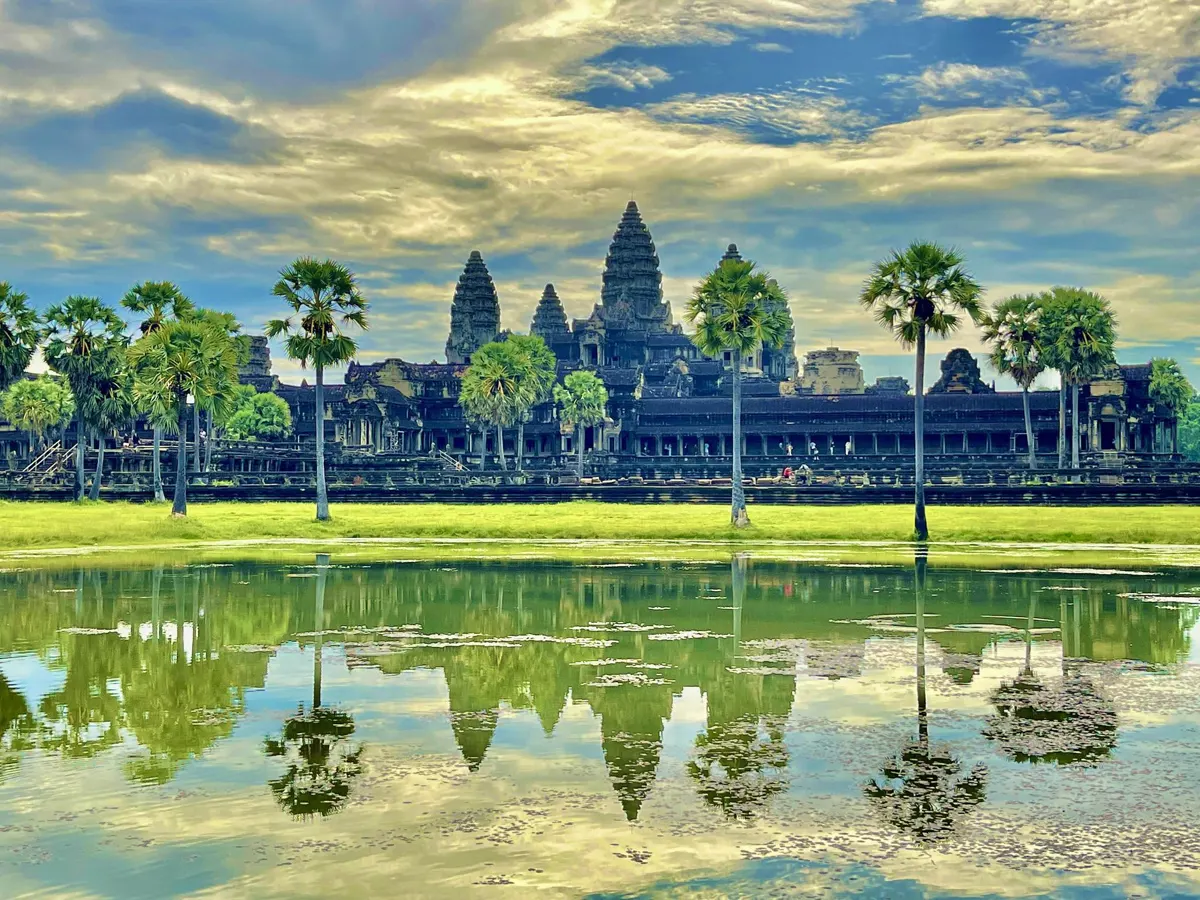
January presents an excellent period for visiting Cambodia, characterized by dry conditions and comfortable temperatures across the country. This month falls within the peak dry season, offering ideal circumstances for exploring ancient sites, relaxing on southern beaches, and engaging in various outdoor pursuits. Travelers can anticipate clear skies and minimal rainfall, making it a highly sought-after time for a Cambodian journey.
Cambodia's Climate in January
January marks a prime period for travel in Cambodia, with generally clear skies and pleasant warmth. Rainfall is minimal, establishing it as one of the driest months of the year. Daytime temperatures typically reach around 32°C, while evenings cool to approximately 20°C (69°F), creating agreeable conditions for activities both day and night. The consistently dry conditions are particularly advantageous for exploring extensive archaeological sites without interruption from rain, and for enjoying long days by the sea. The pleasant warmth also supports comfortable travel between different regions, making longer journeys more agreeable.
Across different regions, specific conditions vary slightly. Coastal areas, including Sihanoukville, experience average temperatures around 26°C, with minimal precipitation, sometimes reaching up to 30mm. In the northern city of Siem Reap, daytime highs are usually around 31°C and nighttime lows are about 19°C. Interior locations like Stung Treng see even less rain, with reported precipitation as low as 2mm. The Indian Ocean maintains a warm temperature of approximately 28°C, suitable for water-based recreation. Furthermore, road conditions to the northeastern provinces of Mondulkiri and Ratanakiri are generally favorable during this month, facilitating access for adventure activities such as jungle trekking and wildlife observation.
Advantages and Considerations for a January Visit
Traveling to Cambodia in January offers several distinct benefits. The consistently dry weather ensures uninterrupted sightseeing and outdoor activities, with minimal risk of travel disruptions due to rain. This period also coincides with various traditional Cambodian festivals. These events offer visitors a unique chance to witness local customs, religious ceremonies, and community celebrations firsthand, providing deeper cultural insights. Such occasions can range from local temple festivities to national observances, though specific dates should be verified closer to the travel period as they often follow lunar calendars.
However, January is also a peak tourist season. This can lead to increased demand and potentially higher prices for flights and accommodations, making advance booking advisable. While the dry weather is generally positive, the persistent warmth can be tiring for some visitors, particularly during extensive outdoor excursions. While generally pleasant, the tropical sun can be intense. Travelers planning extensive walking tours, such as those around the Angkor complex, should schedule activities for early mornings or late afternoons to avoid the strongest midday heat. Taking frequent breaks and seeking shade are practical strategies to manage the warmth effectively.
Essential Travel Preparations for January
Given the warm climate, selecting appropriate clothing is crucial. Lightweight cotton fabrics such as T-shirts, dresses, and shorts are highly recommended for comfort and breathability. Packing layers is generally unnecessary, as temperatures remain consistently mild.
Travelers should pack essentials to manage the warmth and sun exposure. This includes airy clothing, hats, and face masks for protection from the sun and dust. Carrying water bottles is important for staying hydrated, and frequent application of sunscreen is advised. For convenience, consider booking accommodation located centrally, close to major attractions and transportation hubs. Given the popularity of January, securing accommodation well in advance is highly recommended, especially for preferred locations or specific types of lodging. Choosing hotels or guesthouses with good air conditioning or ceiling fans can significantly enhance comfort during warmer periods. Proximity to amenities like restaurants and shops can also simplify daily logistics.
It is also prudent to carry a basic medical kit containing common remedies for pain, coughs, colds, and fevers. During peak season, vigilance regarding personal belongings is important; secure luggage and be cautious of unfamiliar individuals in crowded areas. For those extending their travels beyond Cambodia, understanding regional transportation options, such as overnight rail journeys in Vietnam, can be beneficial for comprehensive Southeast Asian itineraries.
Top Destinations and Activities in January
January is an ideal month to explore Cambodia's diverse attractions. Beyond the southern beaches, where the warm ocean temperatures are perfect for swimming, snorkeling, or scuba diving, the ancient temples of Angkor Wat are particularly appealing. As Cambodia's national treasure and the world's largest temple complex, Angkor Wat benefits from the dry, cooler conditions of January, allowing visitors to comfortably witness both sunrise and sunset.
The improved road conditions also make the remote provinces of Mondulkiri and Ratanakiri more accessible. These areas offer unique opportunities for adventure activities like jungle treks and encounters with local wildlife, enhanced by the sunny days and comparatively cooler temperatures. Beyond specific sites, January's pleasant climate allows for comfortable exploration of local markets, artisan workshops, and traditional villages. Engaging with local communities provides a deeper understanding of Cambodian life and culture, often enhanced by the festive atmosphere of the season. For those interested in culinary experiences, Phnom Penh offers a diverse culinary landscape, from traditional Khmer dishes to a wide array of international options.
Summary of January Weather Conditions
To provide a quick reference for planning, here is a summary of typical weather metrics for Cambodia in January:
| Metric | Typical Range/Value |
|---|---|
| Average Temperature | 19°C - 31°C |
| Average Humidity | 63% |
| Average Rainfall | 12.5 mm |
| Average Rainy Days | 1 day |
| Average Sunny Hours | 8 hours |
Frequently Asked Questions
Is January a good month to visit Cambodia?
January is widely considered one of the best months to visit Cambodia due to its dry weather, comfortable temperatures, and minimal rainfall, which are ideal for sightseeing and outdoor activities.
What kind of weather can I expect in Cambodia in January?
Expect warm, dry weather with clear blue skies. Daytime temperatures typically reach up to 32°C, while evenings are cooler, around 20°C. Rainfall is very rare.
What should I pack for a trip to Cambodia in January?
Pack lightweight, breathable clothing made of cotton, such as T-shirts, shorts, and dresses. Also include a hat, sunglasses, sunscreen, and a reusable water bottle to stay hydrated.
Are there any downsides to visiting Cambodia in January?
The main consideration is that January is peak tourist season, meaning attractions can be crowded, and prices for flights and accommodation may be higher. The consistent warmth can also be tiring for some during prolonged outdoor exposure.
What activities are recommended for January in Cambodia?
January is perfect for exploring ancient temples like Angkor Wat, relaxing on southern beaches, and engaging in adventure activities in provinces like Mondulkiri and Ratanakiri. It's also a good time to experience local festivals.








