
Travelers considering Da Nang in January will find agreeable weather conditions, characterized by cooler temperatures and reduced rainfall. This period offers a more relaxed atmosphere with fewer visitors, making it an opportune time for exploring the city's sights, mountainous regions, and diverse Vietnamese culinary scene. Average temperatures typically range from 18°C to 24°C, providing a comfortable climate for various activities.
January Weather Overview in Da Nang
Da Nang's climate in January is generally cool and dry, marking the end of the rainy season. Daytime temperatures usually reach around 24°C (75°F), while evenings and nights can cool down to approximately 18°C (64°F). The average daily temperature hovers around 21°C (70°F), which is often preferred by those who wish to avoid intense heat and humidity during their explorations. Visitors to higher elevations, such as Ba Na Hills, should anticipate even lower temperatures, potentially dropping below 15°C (59°F), and should pack appropriate layers.
Rainfall is considerably less frequent in January compared to the preceding months, with an average of about 96 mm of precipitation spread over 7 to 9 days. Showers are typically light and brief, often occurring in the early morning or late afternoon, and are unlikely to significantly disrupt travel plans. The city experiences an average humidity level of around 85%, but the cooler air and coastal breezes help mitigate any discomfort this might otherwise cause. Air quality is generally good, with an average Air Quality Index (AQI) of approximately 35, supporting outdoor activities. The UV Index is moderate, between 5 and 6, so sun protection remains advisable.
Typical weather patterns in January include a mix of sunny, cloudy, and occasionally misty days. Overcast mornings are common, often giving way to clearer skies by midday. The latter half of the month frequently sees more sunshine and fewer rainy periods, which is beneficial for photography and extended walks. It is still prudent to carry a light rain jacket or a compact umbrella for unexpected light drizzles.
Advantages of Visiting Da Nang in January
Choosing January for a trip to Da Nang presents several benefits, particularly for those who prefer a tranquil travel experience. The mild, dry weather creates excellent conditions for sightseeing, hiking, and engaging with local culture without the discomfort of high heat or heavy humidity. Destinations like the Marble Mountains and Son Tra Peninsula are particularly pleasant to explore during this period.
The city generally experiences fewer tourists in January, especially during the first half of the month before the Lunar New Year (Tet) celebrations begin. This often translates to more competitive hotel rates and less crowded attractions, allowing for a more intimate experience of Da Nang. While the sea might be too cool for swimming, the abundance of cultural activities and local culinary delights provides ample compensation. Travelers should be prepared for some cloudy or misty days and pack accordingly for varying temperatures, especially when visiting elevated areas.
Key Activities and Sights for January Visitors
Da Nang offers a range of appealing activities during the cooler January weather. Here are some recommendations:
- Visit Da Nang Cathedral: Known for its distinctive pink exterior and Gothic architecture, this cathedral was constructed in 1923 during the French colonial era. January's clear skies provide excellent opportunities for photography, particularly as Tet decorations start to appear.
- Stroll Along Bach Dang Street: This scenic street runs parallel to the Han River, featuring numerous cafes, public art, and views of the city's prominent bridges, including the Dragon Bridge and Han River Bridge. Evenings in January, leading up to Tet, are often illuminated with festive lights, creating a pleasant atmosphere.
- Explore the Museum of Cham Sculpture: Situated near the Han River, this museum houses the world's most extensive collection of Cham artifacts. Its galleries display sandstone sculptures, statues, and relics dating back over a thousand years. This indoor attraction is ideal for cooler mornings or days with light rain.
- Witness the Dragon Bridge Fire Show: The Dragon Bridge, a modern symbol of Da Nang, hosts a spectacular fire and water display every Saturday and Sunday at 9 PM. Arriving early is recommended to secure a good viewing spot along the Han River and enjoy the surrounding festive ambiance.
- Discover Han Market and Con Market: As Tet approaches, local markets become particularly lively. A visit to Han Market and Con Market offers a glimpse into daily life, with vendors selling seasonal decorations, fresh produce, and traditional snacks. These markets are excellent places to experience local flavors and find unique purchases.
Culinary Experiences: Must-Try Dishes in Cooler Weather
January's cooler climate makes it an ideal time to savor Da Nang's warming and flavorful cuisine. From hearty noodle soups to spicy street food, these dishes offer comfort and a taste of local culture.
| Dish Name | Description | Typical Price (as of 2024, verify locally) |
|---|---|---|
| Mi Quang | Turmeric-infused rice noodles with minimal broth, topped with pork, shrimp, fresh herbs, peanuts, and crispy rice crackers. | from 30,000 VND /bowl |
| Banh Canh Ca Loc | Thick tapioca noodles served with tender snakehead fish in a peppery broth, particularly comforting on cool evenings. | from 35,000 VND /bowl |
| Bun Bo Hue | A spicy beef noodle soup known for its bold flavor, lemongrass aroma, thick rice noodles, beef, and pork in a rich, reddish broth. | from 40,000 VND /bowl |
| Oc hut cay | Spicy stir-fried snails seasoned with lemongrass, garlic, and chili, served hot as a popular street food. | from 20,000 VND /plate |
| Grilled seafood | Beachside stalls offer freshly grilled octopus, clams, and scallops, often topped with scallion oil and peanuts. | from 60,000 VND /dish |
January Festivals and Cultural Events
Despite being a quieter travel month, January in Da Nang features several cultural and festive events, providing insights into local traditions and preparations for the Tet holiday.
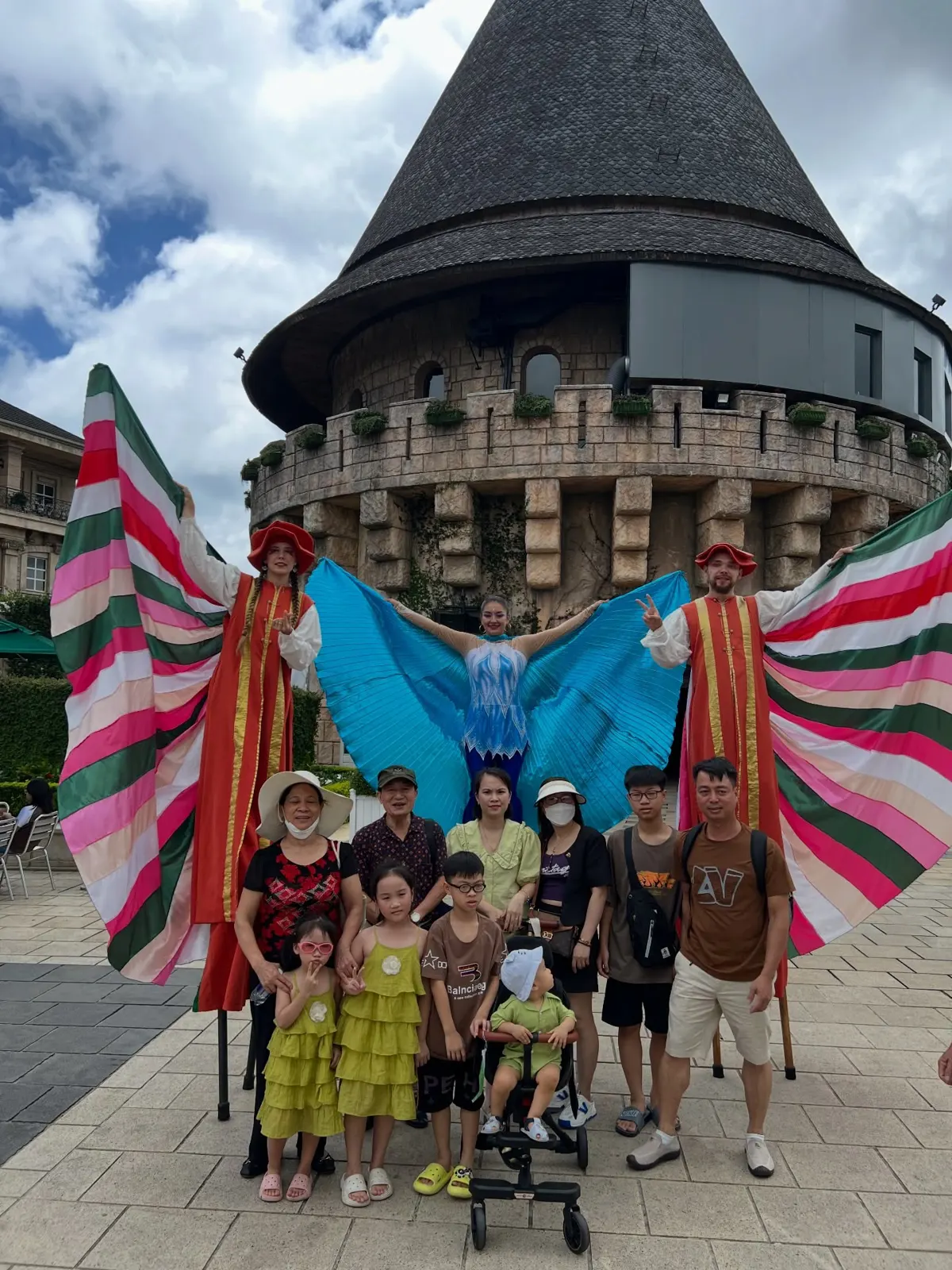
- Ba Na Hills Flower Festival: Throughout January, particularly around the Lunar New Year, Sun World Ba Na Hills transforms with elaborate floral displays. Visitors can explore themed gardens, admire large flower sculptures, and enjoy live performances within the European village setting. Location: Sun World Ba Na Hills.
- Than Tai God Festival: Held from late January to the 10th day of the Lunar New Year at Than Tai Hot Spring Park, this festival honors the God of Wealth. It combines spiritual ceremonies with wellness activities, including hot mineral baths and Tet-themed events aimed at attracting good fortune. Location: Than Tai Hot Spring Park.
- Tuy Loan Village Festival: This celebration takes place at one of Da Nang's oldest villages on the 9th-10th day of the Lunar New Year. It highlights local heritage through folk games, traditional food, and ancestral rituals. Attendees can observe cultural performances and sample authentic local dishes not commonly found in the city center. Location: Tuy Loan Communal House.
Practical Advice for a January Trip
To make the most of your Da Nang visit during the cooler, less crowded month of January, consider these practical tips:
- Indulge in seasonal comfort food: The cooler weather makes hot, savory dishes particularly appealing. Seek out local specialties like Mi Quang, Bun Bo, Banh Canh Ca Loc, spicy steamed snails (Oc Hut), and grilled seafood at popular local eateries.
- Plan beach visits strategically: While My Khe Beach remains scenic year-round, the sea temperature in January is quite cool. If swimming is desired, midday offers the warmest conditions. Otherwise, the beach is perfect for walks and coastal photography.
- Engage in cultural experiences at temples: January is a significant period leading up to Tet, when many locals visit pagodas to offer prayers. If you choose to join these cultural visits, remember to dress modestly, ensuring shoulders and knees are covered, as a sign of respect in sacred places. Understanding local customs and services can enhance your travel experience.
Frequently Asked Questions
Does it rain extensively in January?
No, January typically sees low rainfall, averaging around 96 mm. Any showers that occur are generally light and brief, lasting less than 30 minutes.
Is January a busy travel period due to Tet?
The first half of January is usually quiet and suitable for travel. However, as the Tet (Lunar New Year) holiday approaches, typically in late January or early February, expect an increase in crowds and potentially higher hotel prices.
Is Ba Na Hills cold during January?
Yes, temperatures at higher altitudes in Ba Na Hills can fall below 15°C (59°F) in January. It is advisable to bring warm clothing for comfort.
What type of footwear should I pack?
Comfortable walking shoes or sneakers are recommended for sightseeing and exploring areas like the Marble Mountains or Ba Na Hills. While flip-flops are suitable for the beach, note that the sea is cold and generally not ideal for swimming in January.








